
How to Start Forex Trading in Kenya: Beginner's Guide
📈 Want to start forex trading in Kenya? Learn essential steps, tools, and risk tips to trade confidently using M-Pesa and local brokers from scratch.
Edited By
Ethan Clarke
Forex trading in Kenya is getting a lot of attention these days, and for good reason. It offers a chance to invest in the global currency market from the comfort of your home. But jumping in without a clear plan can be costly. This guide gives you a straightforward way to start trading forex in Kenya — covering what you need to know upfront and what steps to take next.
The forex market is where currencies are bought and sold, crucial for international trade and investment. It operates 24 hours a day during weekdays and offers high liquidity compared to other markets. For Kenyans, this creates an opportunity to profit if you understand how the market works and manage risk carefully.
Before you dive in, keep in mind that forex trading is not a quick path to riches. It requires knowledge, discipline, and patience. Many new traders make mistakes by overleveraging or choosing unreliable brokers. That said, starting with the right information can save you a lot of trouble.
In this article, you’ll learn about:
The basics of the forex market and how it differs from stocks or commodities.
The legal landscape of forex trading in Kenya, so you avoid scams and stay within regulations.
How to pick a trustworthy broker that fits your trading style and needs.
Essential tools and platforms used by traders, including mobile apps popular in Kenya.
Strategies to manage risk and protect your capital in a volatile market.
Practical steps to place your first trade confidently.
Remember: Successful forex trading starts with understanding the market fundamentals and choosing the right setup, not just hoping for big wins.
No matter your experience level, this guide aims to make starting forex trading in Kenya less overwhelming and more practical. It’s about building a foundation that helps you grow steadily instead of chasing quick wins. Let’s get to it!
Grasping what forex trading entails and why it's catching on in Kenya matters a lot for anyone looking to step into this market. Knowing the basics and the local allure helps you make smart moves right from the start, rather than stumbling in the dark.
Forex, short for foreign exchange, is the global market to buy and sell currencies. Traders take positions on currency pairs, like USD/KES (U.S. dollar/Kenyan shilling) or EUR/USD (Euro/U.S. dollar), betting on how one currency's value moves against another. It's a bit like exchanging dollars for shillings when you travel, but on a much bigger and faster scale.
The forex market runs 24 hours a day during weekdays, spanning financial centers worldwide—from New York to London to Tokyo. Unlike the stock market, it's decentralized, meaning there’s no single exchange. This constant movement offers flexibility but also means traders must stay alert to global events that can shift rates within seconds.
Kenya's impressive mobile and internet penetration makes forex trading accessible to many. Thanks to smartphones and affordable data plans, you only need a phone and an internet connection to trade from Nairobi or even a rural town like Eldoret. Platforms like MetaTrader function smoothly on mobile devices, allowing traders to act on market changes instantly.
Forex attracts many Kenyans because of the chance to grow extra income outside traditional jobs. The leverage in forex trading means you can control a large position with a relatively small amount of capital. For example, a trader with $200 can operate a larger trade size, amplifying possible gains. Of course, this goes both ways, which is why risk management is key.
Younger generations in Kenya, especially those active on social media and tech-savvy, have shown rising interest in forex. It’s seen as a gateway to financial independence amid limited formal employment options. Local influencers and online communities often share forex tips, sparking enthusiasm but also urging caution to avoid scams.
Forex trading in Kenya offers real chances but requires understanding the market and using safe, regulated platforms to avoid pitfalls.
By understanding what forex trading involves and why it resonates in Kenya, you’re better equipped to approach forex thoughtfully and realistically.
Before you jump into forex trading in Kenya, understanding the legal framework is vital. Knowing which rules apply helps protect your investment and prevents costly mistakes. The Kenyan government has put systems in place to regulate forex activities and crack down on illegal operators.
The Capital Markets Authority (CMA) acts as the chief watchdog for forex trading and other capital market activities in Kenya. Its role centers on licensing brokers and ensuring they follow strict guidelines to protect traders. For instance, the CMA requires brokers to maintain specified levels of capital and transparency, so your funds are safer against fraud or mismanagement.
This oversight means you should always check if a broker holds a CMA license before trading. Using a regulated broker ensures your actions comply with Kenyan law and gives you legal channels if disputes arise.
Besides the CMA, other bodies like the Central Bank of Kenya (CBK) also play a part in monitoring financial activities including those related to forex. The CBK focuses more on monetary policy and preventing money laundering through forex platforms.
Additionally, the Insurance Regulatory Authority and the Financial Reporting Centre may get involved when fraudulent forex schemes surface. These combined efforts make it riskier for unlicensed players to operate in Kenya.
Traders and brokers must meet clear legal requirements to participate in Kenya’s forex market. Brokers need valid licenses and must adhere to consumer protection rules, including transparent fee structures and customer fund segregation.
As a trader, you might need to comply with tax-related rules, such as reporting forex earnings as income and keeping appropriate records. Staying on the right side of the law helps avoid penalties and supports a stable trading environment.
The rising interest in forex trading unfortunately attracts scams. Many fake brokers promise high returns but disappear with deposits. To avoid falling victim, always verify broker licensing through the CMA’s official lists.
Look out for warning signs like guaranteed profits, lack of clear contact information, or pressure to deposit fast. Legitimate brokers in Kenya also provide access to transparent platforms and have verifiable customer reviews.
Protecting yourself starts with choosing licensed brokers and knowing the rules. The legal framework in Kenya exists to keep your trading safe and fair.
By understanding these legal considerations and regulatory bodies, you’re better equipped to trade forex confidently without risking your money on shaky platforms.
Choosing a reliable forex broker is one of the first and most important steps for anyone starting in forex trading in Kenya. Your choice impacts everything—from the security of your funds to the quality of executions and the tools you use daily. A good broker not only facilitates trades but also protects you from common pitfalls such as fraud or poor service.
First off, always check if the broker is properly regulated. In Kenya, brokers licensed by the Capital Markets Authority (CMA) offer more trustworthiness because they comply with local rules designed to protect investors. For example, a CMA-regulated broker like Exness provides clear guidelines on client fund segregation and transparent operations. If you pick an unregulated broker, you risk losing your money to scams or unreliable trading practices.
On top of being regulated, a good forex broker should come with efficient and user-friendly trading platforms. Many Kenyan traders prefer MetaTrader 4 or MetaTrader 5 because these platforms offer advanced charting, real-time pricing, and automated trade capabilities. A broker like OctaFX provides these platforms alongside mobile apps, enabling traders to monitor the market anywhere. Also, look for features like economic calendars or news feeds integrated within the platform—these help you react promptly to market events.
Reliable customer service is a lifesaver, especially for beginners who may have questions on deposits, withdrawals, or trading strategies. A broker offering responsive live chat, phone support during Kenyan business hours, or an email contact can ease your trading journey. For example, FXPesa has dedicated Kenyan support lines. On top of that, brokers that provide educational materials—such as webinars, tutorials, or market analysis—boost your trading skills and confidence.
Before committing, dig into reviews from other Kenyan traders, forums like Forex Peace Army, or trusted financial blogs. Real feedback reveals how brokers handle withdrawals and disputes, and whether they’re transparent about fees. Pay attention to patterns: repeated complaints about slippage or delayed withdrawals are red flags.
Fees directly affect your profits. Understanding how a broker charges for trades is crucial. Many brokers offer tight spreads (the difference between buy and sell price), which can save money on frequent trades. For instance, a spread as low as 0.6 pips on EUR/USD is competitive. Also, watch out for commission fees and withdrawal charges. Some brokers may charge fees when you want to take your money out, or they might have minimum withdrawal limits that don’t fit smaller traders. A straightforward, fee-transparent broker makes your trading smoother and cheaper.
The bottom line is, selecting the right forex broker in Kenya involves more than just picking the one with the flashiest website. Focus on regulation, platform reliability, support quality, and transparent fees to set yourself up for a safer and more successful trading experience.
Setting up a forex trading account is the crucial first step that allows you to enter the forex market and start trading. Choosing the right type of account and understanding the registration process can prevent frustration later on. For Kenyan traders, knowing the practical details here—like how to fund your account or what documents you'll need—lays the foundation for a smoother experience.
Demo accounts are essentially practice trading accounts provided by forex brokers, letting you trade with virtual money instead of your own cash. This is a smart place to begin, especially if you're new to forex or want to test your trading strategies without risking funds. For instance, a demo account will let you execute trades based on live market data, helping you understand how prices move and how to use the broker’s trading platform.
Using a demo account avoids costly beginner mistakes. It's also useful for getting comfortable with features like leveraging, stop losses, and take profits before going live.
Once you feel ready, switching to a live account is necessary to trade with real money. Most brokers offer standard and mini accounts. Standard accounts typically require a higher minimum deposit and allow you to trade larger amounts per lot, which can mean larger gains or losses.
Mini accounts, on the other hand, require smaller deposits and let you trade smaller lot sizes. This suits Kenyan traders who want to start small and manage risk tightly. Say you deposit $100 into a mini account—you can still open trades worth as little as $1, which helps control potential losses during your early learning stages.
Forex brokers must comply with regulations, including verifying your identity to prevent fraud and money laundering. Common documents needed are a valid government-issued ID (like a passport or national ID card), proof of address (utility bill or bank statement), and sometimes a recent photo.
In Kenya, brokers also ask for tax identification numbers or similar documents to meet local compliance. Preparing these beforehand speeds up the registration. Make sure your documents are current and clearly legible; blurry copies often cause delays.
When funding your live account, brokers typically offer several payment options tailored to Kenyan traders. These include bank wire transfers, mobile money services like M-Pesa, credit/debit cards, and increasingly popular e-wallets such as Skrill or Neteller.
M-Pesa is particularly popular because it facilitates quick, low-cost deposits and withdrawals directly via your phone. For example, funding your account with M-Pesa often takes just minutes, unlike bank transfers that can take a couple of days.
Choosing the right funding method matters because transaction speeds and fees affect your trading flexibility. You should also check the broker's policies on withdrawals to avoid surprises when cashing out.
A well-chosen account type and smooth registration process save time and frustration, letting you focus on trading itself. Always prepare your documents in advance and pick funding methods that fit your lifestyle.
Setting up your forex trading account properly puts you on track to engage in the market confidently and securely.
Starting out in forex trading without the right tools and strategies is like trying to drive blindfolded. Building a solid foundation means choosing practical tools and learning strategies that help you read the market clearly and make informed decisions. Good tools give you the data and insights you need, while solid strategies help you act on that information without blowing your account early on.
Charting platforms like MetaTrader are where a lot of trading happens. MetaTrader 4 and MetaTrader 5 are by far the most popular among Kenyan traders because they’re user-friendly, customizable, and packed with features like real-time charts, technical indicators, and automated trading bots. Imagine spotting a sudden trend change on a 15-minute chart and setting up an automatic trade that works while you’re away – that’s the kind of practical power these platforms offer.
Then, you have economic calendars and reliable news sources, which are essential for staying ahead of major market moves. Forex prices shift dramatically after economic announcements like the US Nonfarm Payrolls or Kenyan inflation reports. By checking an economic calendar, you can prepare to pause trading or tighten stops to avoid surprises. Plus, news sources like Bloomberg or Reuters keep you updated on geopolitical events or central bank decisions that influence currency values. Staying informed prevents knee-jerk reactions and helps you time your trades better.
Trend following and range trading are beginner-friendly strategies that focus on market structure. Trend following means buying when prices climb and selling when they fall, riding the wave rather than fighting it. This approach works well during clear upward or downward market moves, like when the dollar strengthens steadily against the Kenyan shilling. On the other hand, range trading works best when prices bounce between consistent highs and lows, letting you sell near the top of the range and buy near the bottom. Knowing when to switch between these strategies can boost your odds significantly.
Using technical and fundamental analysis together gives you a more balanced view. Technical analysis looks at past price action—patterns, volumes, and indicators—to predict where prices might go next. Meanwhile, fundamental analysis considers the economic forces behind currencies, like interest rates and trade balances. For example, if the Central Bank of Kenya unexpectedly lowers interest rates, fundamental analysis tells you the shilling might weaken even if the charts don’t show a clear signal yet. Combining both helps you avoid relying on guesswork.
Managing risk is what keeps traders in the game long-term. Setting stop losses and take profits are your safety lines. A stop loss automatically closes your trade if it moves against you by a set amount, capping losses before they spiral out of control. A take profit locks in gains when prices hit your target. For instance, if you buy EUR/USD at 1.1000, you might set a stop loss at 1.0950 to limit loss to 50 pips and a take profit at 1.1100 to capture a 100-pip gain. It’s about protecting your bottom line while letting winners run.
Then there’s the importance of position sizing and diversification. Position sizing means deciding how much of your trading capital to risk on each trade—usually a small percent, like 1% or 2%. This way, even if a trade goes wrong, you don’t lose a crippling chunk of your fund. Diversification involves spreading trades across different currency pairs or strategies to avoid putting all your eggs in one basket. Say you trade both USD/JPY and GBP/USD; if one moves against you, the other might perform well, smoothing out bumps.
Building your forex trading foundation with the right mix of tools, smart strategies, and risk controls isn’t just smart—it’s necessary. Without them, even the best market opportunities can slip through your fingers.
📈 Want to start forex trading in Kenya? Learn essential steps, tools, and risk tips to trade confidently using M-Pesa and local brokers from scratch.
Discover how forex trading works in Kenya 🇰🇪, including key rules, earning chances, risks involved, and simple steps to start trading foreign currencies safely today.
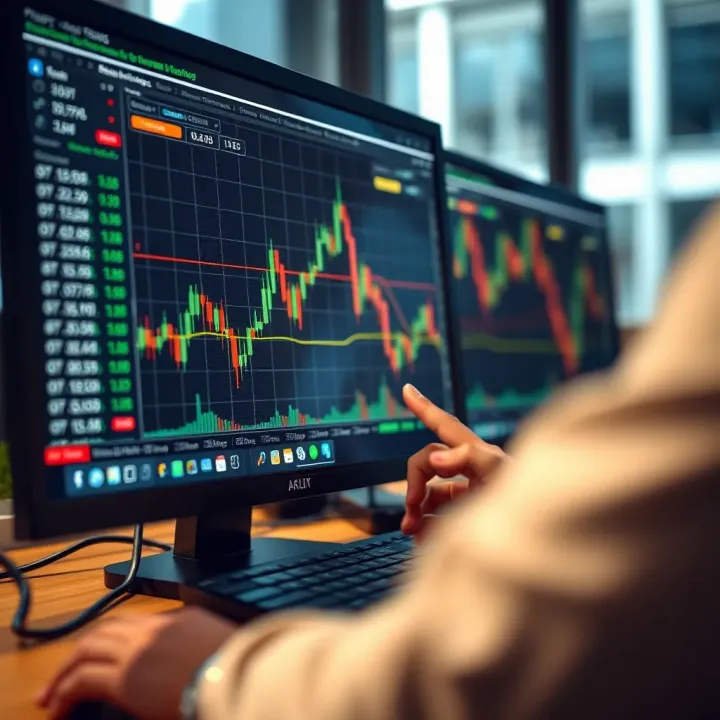
Ready to start forex trading in Kenya? Learn how to pick brokers, understand rules, set up accounts, and trade smartly to boost your confidence 📈💡
Curious about the minimum funds needed to start forex trading in Kenya? Learn brokerage requirements, risk management tips, and how to trade wisely with KSh investment 💹
Based on 10 reviews