
Forex Trading Brokers in Kenya: Complete Guide
🌍 Explore top forex brokers in Kenya, learn how to pick the right one, understand regulations, platforms, payment methods, and avoid trading traps.
Edited By
Victoria Simmons
Forex trading, or foreign exchange trading, involves buying and selling currencies to capitalise on changes in exchange rates. In Kenya, this activity has gained popularity, especially with the ease of access to online trading platforms and the widespread use of mobile money services like M-Pesa for funding transactions. Traders in Kenya primarily deal in major currencies such as the US dollar (USD), euro (EUR), British pound (GBP), and Japanese yen (JPY), often speculating on price movements to make a profit.
Understanding forex trading requires grasping some key concepts. Currencies are quoted in pairs—for example, USD/KES (US dollar to Kenyan shilling)—meaning when you buy one, you sell the other. Profits or losses occur depending on whether the exchange rate moves in your favour. Many Kenyan traders use leverage, which means borrowing funds to increase their position size; though this magnifies gains, it also increases risk.
Forex trading is not a guaranteed path to wealth. It demands careful study and strict risk management.
Kenya's forex market is regulated by the Capital Markets Authority (CMA), which oversees brokers to ensure fair and transparent operations. Choosing a CMA-licensed broker is essential to avoid scams and gain access to legal protections. Most brokers offer demo accounts, allowing beginners to practise trading without risking real money.
To get started, one needs a computer or smartphone with internet access, a trading account funded through options like bank transfers or M-Pesa, and a basic understanding of how currency markets function. Traders analyse economic indicators, political events, and market sentiment that influence currencies. For example, a change in Kenya’s Central Bank interest rate or trade balance can affect the KES's strength against other currencies.
In summary, forex trading in Kenya provides opportunities for profit but comes with risks that must be managed with knowledge and caution. It is practical for those who keep up with global and local economic trends and use reliable brokers.
Forex trading is about currency pairs and exchange rate fluctuations.
Leverage increases both potential profits and losses.
Use only CMA-regulated brokers for security.
Practise with demo accounts before risking real money.
Follow economic events that affect currency values.
By keeping these practicalities in mind, Kenyan traders can approach forex trading with clearer expectations and better preparation.
Forex trading matters because it opens doors to the global currency market, where countries’ money values shift every day. For anyone involved in Kenya’s economy—whether you're a small business owner, an investor, or a forex broker—knowing the basics behind Forex can improve your decision-making. It’s not just about guessing which currency will rise; understanding how the market operates lets you spot opportunities and avoid pitfalls.
Forex trading involves buying one currency while simultaneously selling another. These transactions happen in pairs, like the US Dollar against the Kenyan Shilling (USD/KES). For example, if you believe the USD will strengthen against the KES, you might buy USD/KES and sell when it gains value. Unlike stock markets, forex operates 24 hours on weekdays, making it flexible for Kenyan traders juggling other commitments.
The forex market is a decentralised network where banks, brokers, institutions, and individual traders exchange currencies. Prices change constantly due to factors such as interest rates, political events, or economic data. For instance, Kenya’s Central Bank rate announcements or US job reports often swing currency prices. Trades execute electronically via trading platforms, allowing participants to enter or exit positions quickly, depending on market sentiment or news.
Kenyan traders mostly focus on major currency pairs involving the US Dollar, Euro, and British Pound alongside the Kenyan Shilling. The USD/KES pair is the most traded, reflecting Kenya’s trade ties and foreign exchange reserves. Other popular pairs include EUR/USD and GBP/USD due to global liquidity. Some traders might also explore exotic pairs like USD/ZAR (South African Rand) or USD/NGN (Nigerian Naira) for diversification. Understanding which pairs move actively during Kenyan business hours can help you plan trades more effectively.
Successful forex trading starts with grasping the basics of how currencies move in relation to one another and the forces driving those movements. Knowledge positions you closer to real profits and away from costly mistakes.
In sum, getting a solid grip on forex trading fundamentals provides Kenyan traders with the confidence and tools they need to approach the market thoughtfully and strategically.
Forex trading in Kenya has grown steadily, influenced by factors like internet access, mobile payment systems, and a youthful population eager to explore new investment options. Understanding the trading environment locally helps traders navigate the market better and identify practical ways to participate safely and profitably.
Forex trading is open to anyone above 18 years with the required means and access to trading platforms. This includes salaried workers, entrepreneurs, students, and even retirees. For instance, a Nairobi-based freelance graphic designer might trade forex part-time alongside their work schedule. However, a basic understanding of financial markets and some initial capital—usually a few thousand shillings—is necessary to get started.
The Kenyan government and regulatory bodies do not restrict forex trading for residents, but traders must comply with taxation rules as per the Kenya Revenue Authority (KRA). Traders often begin by practising on demo accounts to learn without risking real money.
Several international and regional forex brokers serve Kenyan traders, offering platforms tailored to local needs. Notable names include FXTM, HotForex, and XM, all providing intuitive platforms like MetaTrader 4 and MetaTrader 5 widely used in Kenya. These brokers accept clients from Kenya and typically offer customer support during Kenyan business hours.
Some Kenyan banks and fintech platforms also partner with brokers to facilitate smooth deposits and withdrawals. While choosing a broker, traders need to verify regulatory compliance, trading fees, leverage options, and available currency pairs. For example, FXTM is CMA (Capital Markets Authority) registered, which gives many Kenyan traders a sense of security.
One of the conveniences Kenyan traders enjoy is the use of M-Pesa for deposits and withdrawals with forex brokers, making transactions quick and reliable. Besides M-Pesa, options like bank transfers through Equity Bank or KCB, Skrill, and Neteller are common.
Using M-Pesa for payments eliminates the worries of foreign currency conversion delays and high charges. For example, a trader in Kisumu can deposit KSh 10,000 via M-Pesa seamlessly and start trading within minutes, without visiting a bank.
Understanding this environment—the people able to trade, the brokers they rely on, and how payments move—is key to forex success in Kenya. Besides convenience, being informed protects against pitfalls, ensuring that your trading experience stays positive and efficient.
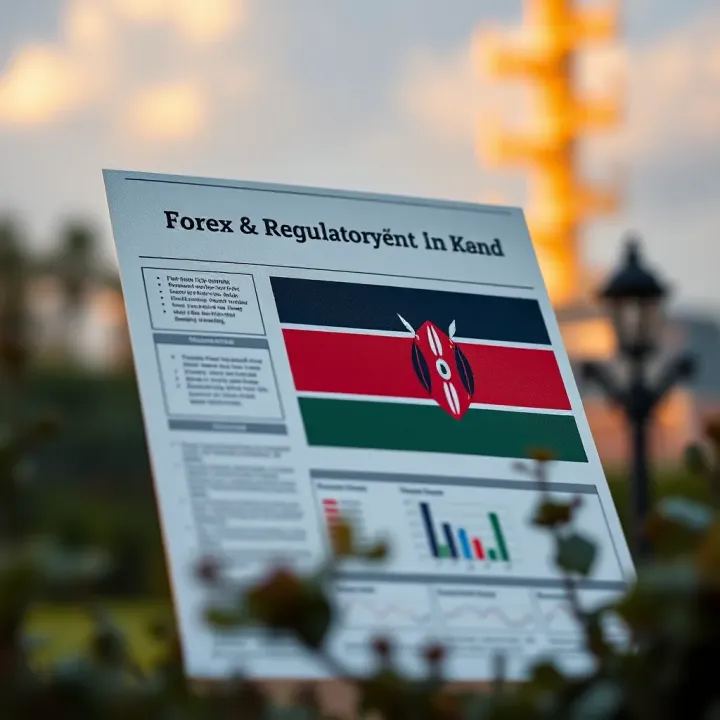
Navigating the regulatory and legal framework is essential for anyone involved in forex trading in Kenya. Clear rules safeguard traders from dishonest practices and ensure the market remains fair and transparent. Without proper regulation, traders risk falling victim to scams or dealing with untrustworthy brokers.
The Capital Markets Authority (CMA) is Kenya’s primary regulator for all capital markets, including forex trading. Its role is to supervise brokers, exchanges, and other market intermediaries to maintain integrity and protect investors. For example, the CMA sets guidelines on how brokers should operate, demands regular audits, and monitors compliance with financial regulations. If a forex broker is licensed by the CMA, traders can be more confident the broker meets minimum standards for security and transparency.
In Kenya, forex brokers must obtain a licence from the CMA before offering trading services to the public. This licensing process involves an in-depth review of the broker’s financial standing, risk management systems, and operational capacity. Brokers with CMA approval are required to segregate client funds, submit periodic financial reports, and follow anti-money laundering measures. For traders, choosing a CMA-licensed broker reduces the risk of losing money due to broker insolvency or malpractice.
However, several foreign brokers also operate among Kenyan traders without local licences. Engaging with such brokers carries higher risks since they do not answer to the CMA and may bypass Kenyan regulations. It is highly advisable to verify a broker’s status on the CMA’s registered entities list before depositing funds.
Forex scams are unfortunately common, targeting inexperienced traders with offers that seem too good to be true. To protect yourself:
Always trade with CMA-licensed brokers.
Avoid brokers who promise guaranteed profits or unrealistic returns.
Check for clear contact details and physical office addresses.
Never share personal ID or bank details without proper verification.
Beware of unsolicited calls or messages urging quick investment.
"Due diligence is your strongest shield against forex scam artists. Verifying licences and staying informed keeps your money safe."
Besides these tips, it is prudent to educate yourself about common fraud tactics and report suspicious brokers to the CMA. Staying vigilant ensures that your forex trading experience in Kenya is both legal and secure.
Understanding both the risks and opportunities in forex trading is key for anyone stepping into this fast-moving market. In Kenya, where many traders are drawn by the promise of quick gains, recognising potential pitfalls alongside benefits helps to build a balanced approach. Without this awareness, it's easy to face losses that could have been avoided.
Forex trading carries several risks, starting with market volatility. Currency prices can shift sharply within minutes due to political events, economic data, or global crises. For example, unexpected changes in US Federal Reserve interest rates can cause the US dollar to swing, impacting pairs like USD/KES (Kenyan shilling).
Leverage risk also affects many traders in Kenya. Brokers often offer high leverage, sometimes up to 1:500, magnifying both profits and losses. This means a small downturn might wipe out a trader's capital quickly if not managed well. Additionally, scams and unregulated brokers pose a threat in Kenya’s forex scene, with some offering unrealistic returns or refusing to release funds.
Effective risk management starts with setting limits on how much capital you expose on any single trade. Kenyan traders should use stop-loss orders to close positions automatically at a pre-decided level to prevent heavy losses. Diversifying your trades instead of focusing on one currency pair also reduces exposure.
Choosing a broker regulated by the Capital Markets Authority (CMA) provides a layer of protection by ensuring compliance with set standards. Kenyan traders should also educate themselves continuously and avoid trading based on emotions or rumours. Using demo accounts offered by reputable brokers like HF Markets or HotForex Kenya is a wise step before committing real money.
Consistent discipline and sound risk controls mark the difference between those who sustain and grow their trading funds versus those who lose quickly.
Forex trading offers Kenyan traders a chance to increase capital in a flexible way, as the market operates 24/5 allowing trades at any time excluding weekends. It can complement regular income or serve as a full-time profession for some.
There is also the potential for diversification beyond local investments like stocks or real estate. Since forex trading involves major global currencies such as the US dollar, euro, and British pound, traders gain exposure to international financial markets.
Additionally, thanks to technology and mobile connectivity in Kenya, many traders access the market from their smartphones—making forex trading highly accessible and convenient.
In sum, while forex trading presents considerable risks that should never be downplayed, it also holds genuine opportunities for those who prepare well and manage their exposure wisely.
Knowing how to start trading forex is the groundwork every aspiring trader in Kenya needs. It helps you avoid common pitfalls and sets a solid base for growing your trading skills. Let’s break down the essentials: opening an account, understanding your platform, and starting smart.
The very first step is opening a trading account with a licensed broker. Start by choosing a broker regulated by the Capital Markets Authority (CMA). This ensures your money has some protection and you’re dealing with credible providers. For example, brokers like HotForex and XM have CMA approval and provide services tailored for Kenyan traders.
The account setup usually requires submitting identification like your national ID, proof of residence, and sometimes KRA PIN details. This compliance process keeps things official and safe. After verification, you fund your account — options like M-Pesa, bank transfers, or card payments are commonly accepted, making it convenient to move your money.
Once your account is active, the next step is learning the trading platform. Most brokers offer MetaTrader 4 or MetaTrader 5, which are among the most popular globally. These platforms provide real-time price charts, technical indicators, and the ability to place and manage trades easily.
It’s important to practise on demo accounts before risking real money. Demo accounts simulate live trading without financial risk, so you can get a feel of tools such as stop-loss orders and chart analysis. Some brokers also offer mobile apps, giving you flexibility to trade while commuting or even during a quick break in Nairobi’s traffic.
To start on the right foot, focus on a few key points:
Education: Constantly learn about forex trends, economic news, and trading strategies. Local seminars or online courses that address the Kenyan market are very helpful.
Risk Management: Never risk more than you can afford to lose. Use tools like stop-loss orders to limit potential losses.
Start Small: Begin with small trades to understand how markets move before scaling up.
Stay Informed: Kenyan traders must keep an eye on global currencies and national news, such as CBK interest rate changes or political events, as these significantly affect forex rates.
Starting clear and informed with a reliable broker and practical knowledge is your best bet in the forex world. With patience and discipline, you can gradually build skills and confidence.
By following these steps, your forex trading journey in Kenya will be better structured and more likely to succeed.
🌍 Explore top forex brokers in Kenya, learn how to pick the right one, understand regulations, platforms, payment methods, and avoid trading traps.

Explore trusted forex trading companies in Kenya 🇰🇪, understand regulations, broker tips, and smart strategies for safer trading in this growing market 💹.

📚 Explore top Forex trading books perfect for Kenyan traders! Learn strategies, risk management, and market analysis to boost your trading skills and confidence.
Discover the best forex trading apps in Kenya 📱. Learn how to pick safe, user-friendly platforms with key features and tips for smart trading success.
Based on 13 reviews