
Effective Risk Management Planning Guide
📊 Learn how to plan for risks in your business with practical steps, tools, and real Kenyan examples. Stay ahead by managing challenges effectively in operations and projects.
Edited By
Rebecca Clarke
Risk management isn't just for big corporations or financial institutions—it's a vital practice for any trader, investor, broker, or analyst who wants to protect their assets and make informed decisions. At its core, an effective risk management strategy helps you spot potential dangers before they hit and figure out the best way to handle them without losing sight of your goals.
Think of it like steering a ship through turbulent waters. You can't control the weather, but you can chart the safest course, avoid hazards, and keep your crew prepared for storms. In finance, the "weather" comes in many forms: market swings, regulatory changes, unexpected geopolitical events, or even operational glitches.

Successful risk management means taking a proactive, organized approach rather than just reacting to problems as they arise.
Here’s why this matters:
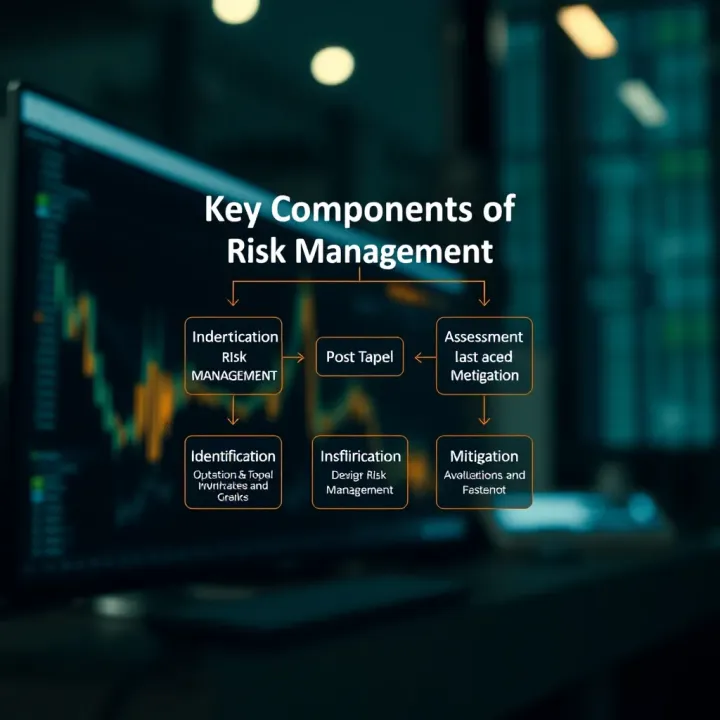
Identifying risks early allows you to prepare and reduce potential damage.
Assessing risks clearly helps prioritize which ones demand immediate attention.
Establishing controls keeps you from overexposing your portfolio or business to avoidable threats.
Monitoring and adjusting the strategy ensures it stays relevant as markets and circumstances change.
For example, a financial analyst might spot signs of weakening economic indicators that could impact a stock portfolio. A strategic plan to hedge those assets or diversify investments helps minimize losses if the market dips. Similarly, a broker adapting to new compliance standards avoids costly fines and reputational damage.
This guide will break down the key steps to build and maintain a risk management framework tailored to your needs. Whether you’re overseeing a multimillion-dollar fund or managing project risks in a startup, the principles remain the same.
Understanding these basics upfront delivers a sturdy foundation, so you’re not caught off guard when risks inevitably surface. Let’s get started by exploring the essential components that make risk management both effective and practical.
A solid grasp of why a risk management strategy exists sets the foundation for its success. It's not just about ticking boxes; it’s about protecting what matters to your business and making smarter choices under uncertainty. When you understand the purpose clearly, you’re better equipped to design and apply the right approach.
Risk management helps safeguard your company's physical and financial assets. Imagine a trader who ignores cybersecurity risks and ends up with confidential client data exposed—that loss isn’t just monetary; it damages trust, potentially costing future business. In finance, reputational harm can be far costlier and harder to bounce back from than immediate losses. By managing risks, you reduce the chances of incurring unexpected expenses or public backlash that can derail operations.
Staying on the right side of regulations is non-negotiable in finance. Whether it’s SEC filings, anti-money laundering rules, or data privacy laws, failure to comply can lead to hefty fines and legal trouble. A risk strategy includes monitoring these regulatory risks and implementing controls so you don’t end up scrambling. For instance, a broker employing automated compliance checks avoids costly enforcement actions, helping keep their business running smoothly.
Good risk management provides a clearer picture of potential pitfalls and opportunities. Investors benefit when they understand market volatility risks before making portfolio adjustments. Companies can decide whether to enter new markets or launch products with confidence when they have risk assessments that reveal worst-case scenarios and mitigation options. This clarity supports decisions aligned with both risk tolerance and growth goals.
Risk assessment is one part of the puzzle—it’s about identifying and measuring risks at a point in time. Risk management, on the other hand, is the ongoing process of handling those risks, including planning responses and monitoring outcomes. Think of assessment as checking the weather, while risk management is packing an umbrella or rescheduling outdoor plans. Traders assess the volatility of a stock, but risk management guides how much to invest or when to exit.
A risk management strategy sets the tone and provides a roadmap for how everyone in the organization approaches uncertainty. It defines roles, timelines, and tools, so risk-related actions aren’t hit-or-miss. For example, a financial firm might require quarterly risk reports, assigning specific managers to monitor different risk categories like liquidity or compliance. The strategy ensures risks are handled consistently and align with the company’s broader objectives.
Understanding the purpose behind your risk management strategy well positions your team to protect value effectively and make informed decisions in fast-moving markets.
Identifying and evaluating risks lies at the heart of an effective risk management plan. Ignoring emerging threats or misjudging their potential impact can derail even the best business strategies. For traders, investors, and finance pros, pinpointing risks early protects portfolios and ensures informed decisions, rather than costly surprises down the road.

Brainstorming sessions bring diverse perspectives together to uncover risks that might not be obvious at first glance. Gathering experts—whether seasoned traders, industry analysts, or risk managers—helps reveal blind spots. For instance, an interview with a compliance officer might expose upcoming regulatory challenges affecting investment vehicles. This collaborative approach generates a rich list of potential risks that individual analysis might miss.
Reviewing past incidents and market trends offers solid clues about where risks may reappear. Investors often look at historical price volatility or economic downturns to assess the likelihood of future market shocks. By analyzing previous losses due to geopolitical events, one can prepare for similar risks ahead. This method grounds risk identification in hard data rather than guesswork.
Structured risk checklists provide a systematic way to scan all possible risk categories—financial, operational, regulatory, reputational, and more. Frameworks like COSO or ISO 31000 guide organizations to assess risks comprehensively and consistently. They help ensure no critical areas are skipped, which is crucial when juggling complex portfolios or large investment funds.
Qualitative assessment involves describing risks using categories such as high, medium, or low impact and likelihood. It’s useful when precise data is lacking. For example, a new cybersecurity threat with unknown effects may first be rated qualitatively to trigger caution.
Quantitative assessment uses numeric data to estimate potential financial losses or probabilities. An investor might use Value at Risk (VaR) models to quantify the chance of portfolio losses exceeding a specific amount. This rigorous approach supports precise risk comparisons and budgeting for mitigation.
Risk matrices visually plot risks based on their impact and likelihood, helping prioritize which threats deserve the most immediate attention. For example, a risk rated as high impact but low likelihood might receive a different response than one scoring medium across both axes.
Scoring systems assign numeric values to risk factors, creating a risk score that can be tracked over time. This helps portfolio managers easily monitor changes and spot emerging threats before they escalate.
Effective identification and assessment turn vague concerns into actionable insights, allowing you to tackle risks proactively rather than reactively.
Building a risk management plan is the cornerstone of turning risk analysis into action. For traders, investors, and finance pros, this plan acts like a blueprint that clearly defines how to handle risks, prioritizes them, and sets clear guidelines for response. A solid plan helps avoid guesswork, reduce surprises, and keeps the team aligned when dealing with uncertainties.
Determining acceptable risk levels means figuring out how much risk your organization or portfolio can realistically bear without jeopardizing its goals. For example, a hedge fund might tolerate higher volatility in exchange for bigger potential gains, while a pension fund might favor safer, steady returns. This step ensures resources focus on risks that truly matter, preventing overreaction to minor issues.
By setting these levels, you avoid getting bogged down in every small fluctuation or threat. It also helps when regulators or stakeholders ask about your risk limits—clear tolerance levels improve transparency and trust.
Balancing risk and opportunity involves recognizing that risk isn’t always bad; it often accompanies potential rewards. For instance, investing in emerging markets carries political and currency risks but can offer impressive growth. Effective risk management means weighing these risks against rewards so you don’t miss out on profitable chances while staying protected.
A practical approach lets you fine-tune strategies—maybe accepting moderate risks in one area to capitalize on an opportunity, while cutting back in another less critical one. That balance is crucial for optimizing performance.
Avoidance, mitigation, transfer, acceptance are the four pillars of responding to identified risks. Avoidance might mean steering clear of a volatile asset entirely. Mitigation could include hedging currency exposure or setting stop-loss orders to limit losses. Transfer often involves insurance policies or outsourcing risk-heavy operations. Acceptance means acknowledging some risks are minor or unavoidable and planning accordingly.
Each approach fits different situations. For example, a broker may accept small operational risks that cost less to bear than to manage extensively, but transfer cyber risks via insurance to protect against costly attacks.
Assigning responsibility for risk actions is essential for making sure everyone knows their role in managing risks. Without clear accountability, responses lag or fall through the cracks. For example, a compliance officer might monitor regulatory risks, while portfolio managers handle market risks.
When roles are crystal clear, decision-making speeds up and the whole team acts more cohesively. Plus, it creates a culture where risk management is an active, ongoing part of operations, not just a one-time task.
A risk management plan that includes clear tolerance levels, a balanced view of risk vs. opportunity, practical response strategies, and defined responsibilities is what keeps an organization resilient and ready for whatever’s next.
Understanding the various types of risks organizations face is key to crafting an effective risk management strategy. Each category demands its own set of tools and responses, and ignoring one can lead to blind spots that threaten the business. Here, we'll break down three major risk categories and their real-world impact.
Operational risks relate to failures in day-to-day processes that keep a business running. Imagine a financial trading firm relying on automated software to execute trades. A glitch in this system could halt trading activities, leading to missed market opportunities or unintended exposures. Similarly, delays in trade settlement or errors in transaction recording can escalate operational risk to significant financial loss.
On the financial side, risks include scenarios like sudden liquidity crunches or market volatility that eats into profits. For example, an investment fund might face heavy losses during a sharp market downturn if it has high exposure to volatile assets. Understanding these risks helps firms adjust positions proactively or establish safeguards such as stop-loss orders or emergency liquidity reserves.
Strategic risks arise from shifts in the market or competitive landscape that challenge business models. Consider a brokerage that fails to adapt to the rise of commission-free trading platforms; it might lose clients rapidly to more agile competitors, impacting revenue.
Compliance risks stem from regulatory changes or breaches that can result in fines or reputational damage. A recent example is stricter SEC regulations on disclosures, where firms ignoring new reporting standards faced penalties. Staying ahead involves continuously monitoring regulatory updates and embedding compliance checks within operations.
Reputation can be a firm's most valuable asset. Negative publicity—say, from a data leak or poor customer service—can drive clients away overnight. Take, for instance, a financial analyst firm experiencing a cyber breach exposing sensitive client data. The trust lost could be far costlier than any direct financial hit.
Cybersecurity risks are especially pressing. Threats like ransomware attacks or phishing scams can disrupt operations and cause damage beyond repair. Firms in finance often invest heavily in security protocols, employee training, and rapid incident response to mitigate these dangers.
The bottom line is every organization must identify these common risk types to tailor responses effectively and safeguard its business continuity.
By recognizing these risk categories, traders, analysts, and financial professionals can prioritize resources, implement practical controls, and maintain a resilient operation in a constantly shifting environment.
Effective risk management doesn't stop once a strategy is in place. Monitoring, reviewing, and updating are essential to ensure the plan stays relevant and effective. Market conditions shift, new risks emerge, and organizational priorities change, so regular oversight keeps your strategy practical and responsive.
Key risk indicators (KRIs) act like warning lights. These are measurable values linked to specific risks, highlighting when threats might be escalating. For example, a trader might track the volatility index (VIX) as a KRI to signal increasing market uncertainty. Setting thresholds for these indicators helps spot trouble early, allowing timely risk responses.
Regular reporting complements KRIs by creating a rhythm of communication about risk exposure. Weekly or monthly risk reports gather insights from various departments, summarizing risk status and any action taken. This clarity aids investors and finance professionals in staying ahead, making adjustments before small issues snowball.
Learning from incidents and audits is a practical way to sharpen your risk management approach. Whenever a loss or near-miss occurs, conducting a thorough review reveals weaknesses in controls or assumptions. For instance, if a financial broker experiences a trading error causing loss, dissecting the root cause (human error, system glitch, or misinformation) helps prevent repeats.
Audits, both internal and external, provide an independent check on how well the strategy is working. They can pinpoint gaps unnoticed by daily operations and suggest improvements. This ongoing cycle of feedback and correction builds stronger defenses over time.
Adjusting the strategy to changing conditions is all about agility. Let's say new regulations impact compliance risks overnight; sticking to a static plan could cause penalties. By revisiting risk tolerance levels and response tactics regularly, organizations stay in sync with real-world shifts.
Seasonal market trends, technological advances, and geopolitical developments also demand updates. If an investment firm spots emerging risks like cyberattacks targeting client data, updating security protocols and risk responses must happen sooner rather than later.
The bottom line is that monitoring and adapting your risk strategy keeps your defenses sharp and your business resilient against surprises.
In short, risk management is a moving target. Tracking key indicators, learning from setbacks, and adjusting strategies are all part of maintaining a solid grip on the risks facing your business or project.
📊 Learn how to plan for risks in your business with practical steps, tools, and real Kenyan examples. Stay ahead by managing challenges effectively in operations and projects.
Understand risk management in Kenya 🌍 Learn key strategies, challenges, and tools to make informed decisions in business and everyday life effectively.

Learn how Kenyan businesses can manage financial, operational & reputational risks with practical strategies like insurance, tech, risk transfer & reduction 📊🔒

🔍 Learn how to build a practical risk management framework to spot, assess, and manage risks in Kenyan businesses. Protect your investments and boost smart decisions today!
Based on 9 reviews