

Forex Trading Brokers in Kenya: Complete Guide
🌍 Explore top forex brokers in Kenya, learn how to pick the right one, understand regulations, platforms, payment methods, and avoid trading traps.
Edited By
Charlotte Mitchell
Forex trading is gaining traction among Kenyan traders looking to diversify their income streams beyond traditional investments. However, success in this market requires more than just luck—it demands understanding proven techniques adapted to Kenya’s unique economic environment.
Traders here face distinct challenges such as volatile shilling exchange rates, variable access to reliable internet, and local market hours influenced by Nairobi’s time zone. This makes it essential to adopt forex trading methods that account for these factors.

Key techniques include a blend of fundamental and technical analysis. Fundamental analysis helps traders interpret economic indicators like Kenya’s GDP growth, inflation rates, and Central Bank of Kenya’s (CBK) monetary policies. For example, a sudden CBK rate hike usually strengthens the shilling against the dollar, creating trading opportunities.
On the other hand, technical analysis focuses on price charts and patterns, enabling traders to predict future price movements based on historical data. Familiarity with tools like moving averages, Relative Strength Index (RSI), and candlestick patterns can significantly improve timing when entering or exiting trades.
Risk management is equally vital. Kenyan traders often use stop-loss orders to limit potential losses, especially since unexpected political events or inflation can cause sharp currency swings. Allocating only a small portion of one’s capital per trade—typically 1-2%—helps protect funds over the long term.
Trading styles vary and should align with individual goals and schedules. Day trading suits those active during Nairobi business hours, while swing trading works well for traders juggling other commitments, given the Kenyan time zone spans overlapping major markets.
Successful forex trading in Kenya hinges on combining reliable analysis with disciplined risk controls tailored to local market realities.
To sum up, understanding how Kenya’s economic indicators affect currencies, mastering chart tools, managing risks carefully, and choosing the right trading style form the foundation of effective forex trading for Kenyan traders. Applying these techniques consistently increases the chances of profitable trades in the challenging forex market.
Understanding the basics of forex trading is essential for Kenyan traders aiming to navigate this dynamic market effectively. Forex trading involves buying and selling currencies in pairs, such as USD/KES (US Dollar against Kenyan Shilling) or EUR/USD (Euro against US Dollar). These pairs reflect the value one currency holds against another, and knowing how to read and interpret these pairs can help you spot opportunities to profit.
The forex market is essentially a global marketplace where currencies are traded. Each forex trade involves a pair of currencies; for example, if you buy the USD/KES pair, you are buying US Dollars while simultaneously selling Kenyan Shillings. This trade becomes profitable if the US Dollar strengthens against the Kenyan Shilling. Currency pairs are classified into majors, minors, and exotics, depending on their trading volumes and economic importance. For instance, USD/KES is a significant pair for Kenyan traders because it directly affects import and export costs.
Understanding these pairs helps you choose which currencies to trade based on your market analysis or exposure to certain economies. It’s practical because fluctuations in currency pairs impact travel costs, business operations, and remittances sent from abroad.
Forex trading happens over the counter (OTC), meaning there is no central exchange or physical location. Instead, it operates through a global network of banks, brokers, and individual traders. This market runs 24 hours a day during the week, allowing Kenyan traders the flexibility to trade according to convenient times, especially during the London and New York sessions when liquidity and volatility are higher.
Global economic events in countries like the US, the Eurozone, or China directly influence currency movements. For example, an interest rate change by the US Federal Reserve can strengthen the US Dollar, affecting USD/KES rates. Kenyan traders benefit by keeping an eye on such global developments to time their trades better.
Forex trading in Kenya falls under the oversight of the Capital Markets Authority (CMA), which regulates brokers to protect traders from scams and unfair practices. Only CMA-licensed brokers should be trusted, as they adhere to rules ensuring transparency and financial security.
This regulation safeguards your investment and ensures brokers provide fair access to the forex market. For example, ForexTime (FXTM) and HotForex are brokers registered with CMA, offering clear terms, deposit protection, and local customer support. Engaging with regulated brokers also means you can access dispute resolution mechanisms if issues arise.
Several platforms cater specifically to Kenyan traders, combining ease of access with reliable execution. MetaTrader 4 (MT4) and MetaTrader 5 (MT5) remain popular due to their advanced charting tools, custom indicators, and automated trading capabilities. Brokers offering these platforms often allow deposits and withdrawals through M-Pesa or bank transfers, which is key for local convenience.
Other notable options include Binomo and IQ Option, which provide simpler interfaces for beginners but may lack advanced features. Choosing platforms that integrate local payment methods and support Swahili or English interfaces can smooth your trading experience, making it easier to manage trades and monitor market changes from your phone or laptop.
With familiarity of the global forex system and a firm grasp of Kenya’s trading landscape, you are well positioned to make informed trading decisions, minimise risks, and adapt strategies to local realities.
Forex trading techniques form the backbone of any successful trader's approach. For Kenyan traders navigating global markets, understanding these techniques helps make clearer decisions amid volatility. Whether you rely on past price behaviours, economic news, or market mood, each method offers specific tools to read what might happen next, reducing guesswork.

Technical analysis involves studying price charts and applying indicators to identify trends, entry points, and exit signals. Traders use tools such as moving averages, Relative Strength Index (RSI), and Bollinger Bands to gauge momentum and potential reversals. For example, when the 50-day moving average crosses above the 200-day, a "golden cross" may suggest upward momentum. Kenyan traders often rely on platforms like MetaTrader where such charts and indicators are easily accessible, even on mobile devices.
Certain chart patterns hint at possible price reversals or continuation. The "head and shoulders" pattern, characterised by three peaks with the middle being highest, suggests a trend reversal from bullish to bearish. Conversely, a "double top" indicates a resistance level where price struggles twice, signalling a potential drop. Recognising these helps Kenyan traders spot moments to enter or exit trades, improving timing and safeguarding profits or limiting losses.
Fundamental analysis focuses on how economic reports like GDP growth, inflation rates, and employment figures influence currency values. Strong economic data strengthens a country’s currency; weaker figures do the opposite. For instance, Kenya’s inflation report can sway the shilling's value against major currencies, impacting forex pairs like USD/KES. Traders tuning into scheduled announcements on the economic calendar can plan trades before or after news releases to manage risk.
Central banks set key interest rates and influence monetary policy, directly affecting currency demand. The Central Bank of Kenya’s moves, alongside major banks like the US Federal Reserve or European Central Bank, can trigger sharp forex movements. When CBK raises rates to curb inflation, the shilling may appreciate. Keeping an eye on such decisions and accompanying statements helps Kenyan traders anticipate market shifts and adjust their positions accordingly.
Market sentiment reflects the collective mood among traders – whether optimistic (bullish) or pessimistic (bearish). Sentiment often drives price moves beyond what fundamentals suggest, especially during times of uncertainty. For example, during political unrest or unexpected elections, sentiment can push the Kenyan shilling's forex rates sharply, regardless of economic fundamentals.
Traders use various indicators like the Commitment of Traders (COT) report or sentiment indexes to assess market positioning. Online platforms and broker-provided data show the ratio of buyers to sellers for specific currency pairs. In Kenya, leveraging these tools helps traders avoid crowded trades and better time entries. Recognising when market sentiment is overheated or overly cautious can prevent losses and open opportunities.
Mastering these key forex trading techniques equips Kenyan traders with diverse perspectives to navigate forex markets confidently. Combining technical cues, fundamental insights, and sentiment readings enhances decision-making, forging a disciplined and adaptive trading approach.
Trading styles and strategies shape how forex traders approach the market and manage their investments. In Kenya, where market volatility can be high due to both global shifts and local economic events, selecting a style that suits one’s risk tolerance and schedule is vital. Popular trading styles like day trading, swing trading, and scalping offer different ways to capture profits and control risk depending on how fast or slow the trader wants to operate.
Techniques for quick trades: Day trading involves opening and closing trades within the same day, aiming to benefit from short-term price movements. Kenyan traders often use technical indicators such as moving averages or RSI (Relative Strength Index) to spot entry and exit points quickly. For instance, a trader might watch the EUR/USD or GBP/USD pairs during Kenyan market hours, catching quick shifts triggered by economic reports from Europe or the US.
The shorter time frame demands swift decision-making and constant market monitoring, but it appeals to those who like an active trading schedule with multiple opportunities daily.
Time management during trading hours: Effective time management is crucial for day traders. Kenya’s time zone (East Africa Time, UTC+3) aligns closely with European morning sessions and the US afternoon sessions, often the most volatile periods. Successful day traders plan their trading blocks around these hours to catch peak activity while avoiding exhaustion.
Limiting distractions and setting specific trading goals each day help maintain focus and prevent emotional trades. For example, a trader might dedicate 3-4 hours each morning to monitor and execute trades, then step away to avoid burnout.
Identifying trends over days or weeks: Swing trading focuses on holding positions from a few days to several weeks, capitalising on medium-term market moves. Kenyan traders benefit from this style since it doesn’t require constant screen time but still lets them catch meaningful trends.
To identify these trends, swing traders analyse daily and weekly charts, spotting patterns like uptrends or downtrends backed by indicators such as MACD (Moving Average Convergence Divergence). For instance, a trader might hold a position on USD/KES expecting a rally based on inflation data affecting the shilling.
Setting stop-loss and take-profit levels: Controlling risk with stop-loss and take-profit orders is key in swing trading. Proper placement protects against sudden reversals, which occur when new economic policies emerge or unexpected news hits.
For example, a swing trader buying GBP/USD may set a stop-loss 1% below the entry price to limit losses reasonably, while the take-profit target might be set 2-3% above to secure gains. This risk-reward assessment helps maintain a healthy trading account and avoids giving back profits due to greed.
Making multiple small trades: Scalping is an intense, high-frequency trading style where traders aim for tiny gains from many trades throughout the day. Kenyan scalpers rely on quick execution and tight spreads to make incremental profits, often targeting popular pairs like EUR/USD, USD/JPY, or USD/KES.
This technique requires discipline and fast reflexes, as positions typically last seconds or minutes. For example, a scalper might grab a 5-pip gain on multiple trades during Nairobi’s busy morning trading session.
Tools and platforms suited for scalping: Scalpers need platforms with low latency and reliable order execution. MetaTrader 4 or MetaTrader 5 remain popular among Kenyan traders due to their speed and customisability. Mobile apps can be useful but often lack the full features needed for scalping.
Additionally, scalpers use level 2 market data and direct market access (DMA) brokers to see order book depth and act quickly. Choosing brokers with minimal spreads and commissions is also essential to keep scalping profitable.
Successful forex trading in Kenya hinges on matching your style to your lifestyle, risk tolerance, and market conditions. Whether you prefer fast-paced day trades, steady swings, or rapid scalps, understanding each method’s demands equips you to make smarter decisions on the forex floor.
Risk management and trade discipline are vital for staying afloat in the often unpredictable world of forex trading, especially in Kenya’s dynamic market. Without a solid plan to control losses and a disciplined approach, even a well-researched trade can quickly turn sour. Both help you protect your capital and turn trading from a gamble into a methodical activity.
Controlling risk is about protecting the money you have because a single wrong trade can wipe out several wins. Using tools such as stop losses automatically closes a trade if the price moves against you beyond a set level, preventing large, unexpected losses. For example, if you buy USD/KES at 110 and set a stop loss at 108, the trade closes once the price hits 108, capping your loss. This is especially important in volatile sessions or during unexpected economic announcements.
Take profits work the opposite way; they lock in gains by closing trades once the price reaches a target. This prevents holding out for too long and losing profits when the market reverses. Setting realistic, well-researched take profit levels keeps you disciplined and helps you capitalise on consistent smaller wins rather than chasing elusive big gains.
Besides using stop losses, split your trading capital across different trades to avoid heavy exposure to one currency pair. For example, don’t place your entire trading budget on USD/KES alone; diversify to other pairs like EUR/USD or GBP/USD where opportunities and risks differ.
Leverage in forex can amplify losses quickly. Many Kenyan traders fall into the trap of excessive leverage, which turns small price swings into outsized losses. Use leverage cautiously, prefer lower ratios, and always calculate your maximum loss before opening a trade. Tools like Excel or simple trading calculators can help plan trade sizes based on your account balance.
Trading stirs strong emotions—fear, greed, excitement—all of which can cloud judgment. Emotional trading leads to rash decisions like overtrading or abandoning strategies mid-way. Staying calm and sticking to your plan is crucial. For instance, after a series of losses, the temptation to "chase losses" can be strong, but it often deepens the hole.
One practical tip is to set daily or weekly loss limits and step away once you hit them. This stops you from making frantic trades to recover quickly. Also, keep a trading journal to reflect on emotional triggers and patterns that prompt poor decisions. Over time you’ll recognise these behaviours earlier and manage them better.
A solid routine builds discipline and turns trading into a skill rather than a gamble. This means trading at set times, reviewing market news, analysing charts, and recording outcomes regularly. For example, many Kenyan traders focus on London and New York sessions, when liquidity is high and price moves are more predictable.
Routines help avoid impulsive trades driven by random market noise. It also allows you to allocate time for self-education and review your trades critically. Being consistent doesn’t mean rigid; instead, it means having a clear process to follow, which makes your trading more reliable and less affected by daily moods or distractions.
Risk management and discipline keep you in the game longer; without them, even the best techniques won’t save your capital.
By mastering risk controls like stop losses and taking time to manage your mindset and routine, you stand a better chance of success in forex trading under Kenya’s financial realities and volatile markets.
Technology has transformed forex trading worldwide, and Kenyan traders are no exception. With reliable platforms, mobile apps, and automation, traders can make faster, more informed decisions, often gaining an edge over those relying purely on intuition or manual methods. Using the right tools not only saves time but also helps manage risks better by providing real-time data and clear trade execution.
Among Kenyan forex traders, MetaTrader (MT4 and MT5) remains the go-to platform thanks to its user-friendly interface and comprehensive charting tools. MT4 and MT5 allow traders to analyse multiple currency pairs, apply technical indicators, and execute trades quickly. Besides MetaTrader, platforms like cTrader and TradingView are gaining traction, especially for those who seek more advanced charting and social trading features. These alternatives are also compatible with several regional brokers, making access straightforward.
Mobile trading apps are particularly important in Kenya’s fast-moving forex scene. Many brokers, including local favorites like Jubilee Insurance Broker or international names such as FXTM, offer mobile apps that let traders monitor markets and manage trades anywhere, even while on the move. The convenience is vital for Kenyan traders juggling work, family, and market hours, especially because the forex market never sleeps. An example is the MetaTrader mobile app, which syncs seamlessly with its desktop version, ensuring no trade opportunity is lost even when away from a computer.
Automated trading systems and Expert Advisors (EAs) allow traders to execute trades based on preset criteria without manual intervention. The advantage here is clear: trades happen instantly based on market signals, removing emotional bias and saving time. However, automation isn’t foolproof. Poorly configured EAs can amplify losses or fail in volatile market conditions, which are common in forex. This balance means Kenyan traders must understand the underlying strategy their EAs use and stay alert to market changes.
Setting up Expert Advisors involves installing the software within a platform like MetaTrader, adjusting settings according to your risk tolerance, and backtesting with historical data. It is crucial to start with demo accounts before deploying EAs on live accounts to avoid unexpected losses. Managing automated systems requires continuous monitoring and occasional adjustments, especially during critical economic shifts or policy announcements from institutions like the Central Bank of Kenya. This hands-on approach ensures the technology complements rather than replaces the trader’s judgment.
Using technology smartly in forex trading doesn’t guarantee instant success, but it significantly improves efficiency and helps Kenyan traders keep up with global market pace.
With the right platforms and automation tools, Kenyan forex traders can navigate the market with more confidence and precision, making technology an indispensable part of effective trading strategies.
🌍 Explore top forex brokers in Kenya, learn how to pick the right one, understand regulations, platforms, payment methods, and avoid trading traps.

Explore trusted forex trading companies in Kenya 🇰🇪, understand regulations, broker tips, and smart strategies for safer trading in this growing market 💹.

📚 Explore top Forex trading books perfect for Kenyan traders! Learn strategies, risk management, and market analysis to boost your trading skills and confidence.
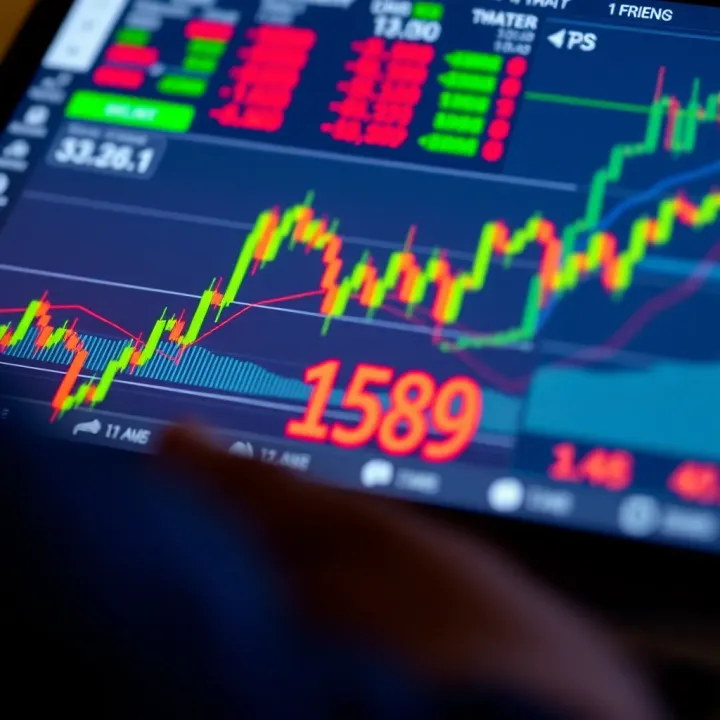
Discover the best forex trading apps in Kenya 📱. Learn how to pick safe, user-friendly platforms with key features and tips for smart trading success.
Based on 11 reviews