

Forex Trading Brokers in Kenya: Complete Guide
🌍 Explore top forex brokers in Kenya, learn how to pick the right one, understand regulations, platforms, payment methods, and avoid trading traps.
Edited By
Charlotte Mitchell
Foreign exchange trading, commonly called forex, involves buying and selling currencies to make a profit. It is the largest trading market globally, with daily transactions worth over $6 trillion. For Kenyans, forex trading offers a chance to diversify investments beyond local assets like equities or real estate.
Starting forex trading in Kenya requires understanding key concepts and the local market environment. Unlike trading on the Nairobi Securities Exchange (NSE), forex operates 24 hours and is highly volatile. This means prices change quickly, offering opportunities but also risks.
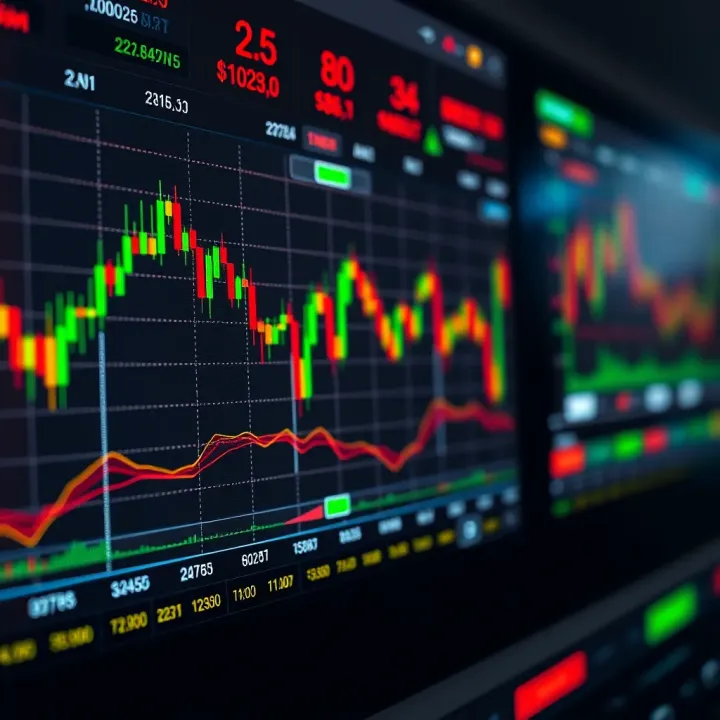
One key advantage for Kenyan traders is the ease of deposit and withdrawal through platforms supporting M-Pesa. Many brokers registered with the Capital Markets Authority (CMA) in Kenya allow payments via M-Pesa, making it convenient to fund trading accounts without complicated bank transfers.
That said, beginners should approach forex trading with caution. It’s not a quick way to wealth but a skill developed through study, practice, and patience. Learning how to read currency pairs, use leverage wisely, and apply stop-loss orders can protect capital from large losses.
Understanding your risk appetite and setting a clear trading plan are crucial first steps before opening an account with any forex broker.
Before you place your first trade, research Kenyan-regulated forex brokers who offer transparent fees and reliable customer support. Avoid unregulated platforms promising high returns, as these can be scams. Starting with a demo account is a practical way to familiarise yourself with trading software and strategies without risking real money.
In this guide, you’ll find practical advice tailored to Kenyan traders. From the basics of currency pairs to how to manage risks and use trading tools effectively, each section builds your confidence and skills. Whether you want to trade USD/KES or global pairs like EUR/USD, this will get you off on the right foot.
Getting a good grasp of forex trading basics is key before you put your money on the line. This knowledge lets you understand how currency markets behave and shapes your decisions, helping you avoid common pitfalls. For instance, knowing that the forex market runs 24 hours a day across different time zones is vital because it means trading can happen anytime, allowing you to pick slots that best fit your schedule.
Forex trading, or foreign exchange trading, involves buying one currency while selling another simultaneously. Think of it like exchanging Kenyan shillings for US dollars when travelling abroad, but on a much bigger and faster scale. Traders aim to profit from fluctuations in exchange rates — for example, predicting that the dollar will strengthen against the shilling and selling shillings to buy dollars before the rate shifts. It’s the biggest financial market globally, with trillions of dollars changing hands every day.
The forex market operates as a global over-the-counter (OTC) market, without a central exchange. This means trades happen directly between parties, like banks, brokers, and individual traders. Market prices depend on supply and demand driven by factors like economic data from the US or political developments in Kenya. For example, a positive GDP report from the US might boost the dollar’s value, while local political uncertainty could weaken the shilling. Forex is active 24/5, opening Monday morning in Asia and closing Friday evening in New York, so you can trade different currency pairs around the clock.
Understanding market hours matters because liquidity and price movements can vary. Nairobi traders, for example, often focus on London and New York sessions when volatility and opportunities peak.
Forex trading usually takes place in pairs, with the first currency called the base and the second the quote. Some pairs are more popular than others because of liquidity and volatility. Here are key groups:
Major pairs: These include currencies like USD, EUR (euro), JPY (Japanese yen), GBP (British pound), and CHF (Swiss franc). Examples are EUR/USD and GBP/USD.
Minor pairs: They don’t include the US dollar but are still widely traded, such as EUR/GBP and AUD/NZD (Australian dollar vs New Zealand dollar).
Exotic pairs: These combine a major currency with one from an emerging market, like USD/KES (Kenyan shilling) or USD/TRY (Turkish lira). These pairs tend to have bigger spreads and higher risk but can offer opportunities for informed traders.
In Kenya, the USD/KES pair is especially relevant, reflecting cross-border trade and remittance flows. Understanding how these pairs behave helps you focus on ones that suit your risk appetite and trading style.
Knowing the basics builds a strong foundation, preparing you to navigate forex markets with confidence and practical skills.
Starting forex trading requires a solid foundation, especially when trading from Kenya. Getting set up correctly ensures smoother trading experiences, helps avoid unnecessary risks, and optimises your chances of success. This process includes choosing a reliable broker, opening the right trading account, and funding it conveniently through methods that suit Kenyan traders.
Regulation guarantees that your broker operates under a legal framework that protects clients’ funds and enforces fair trading practices. In Kenya, brokers regulated by recognised bodies like the Capital Markets Authority (CMA) or international regulators such as the FCA (UK) or CySEC (Cyprus) offer more trustworthiness. For instance, a broker licensed by CMA must adhere to rules that include segregating client funds and submitting to periodic audits.
Unregulated brokers might promise attractive spreads or bonuses but carry higher risks of fraud or withdrawal difficulties. Kenyan traders should verify brokers’ licenses by checking official regulator websites or requesting licence documents before committing.
Beyond regulation, a broker’s trading platform is critical. A good platform should be user-friendly, stable, and equipped with useful tools like advanced charting, technical indicators, and precise order execution. For example, MetaTrader 4 and 5 remain popular platforms offering customisation and mobile accessibility, perfect for on-the-go Kenyan traders.
Strong customer support also matters. Look for brokers providing responsive help through phone, email, or live chat, possibly with Kiswahili language support. This ensures quick issue resolution, which can be crucial when markets move fast.
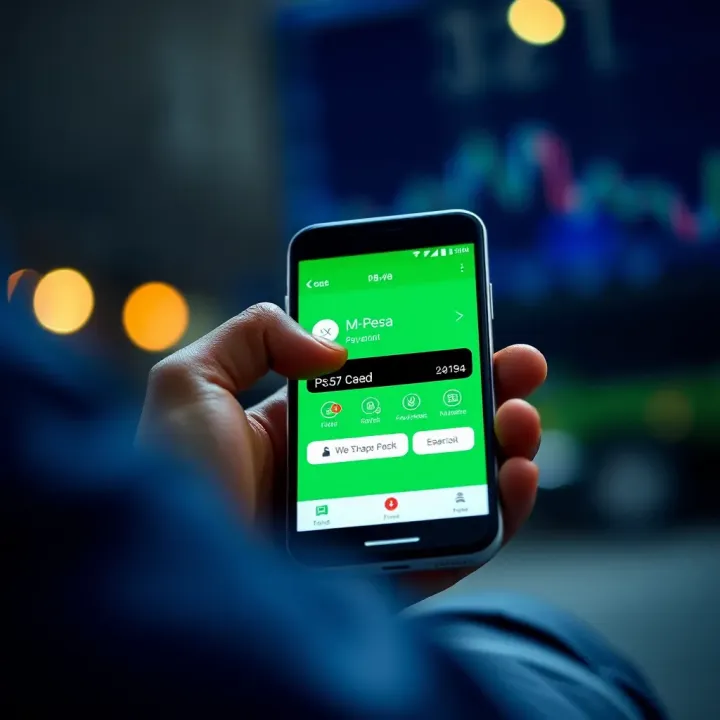
Since M-Pesa dominates digital payments in Kenya, choosing a broker that allows direct M-Pesa deposits and withdrawals simplifies transactions. This removes the hassle of international bank transfers, often slow and costly. Some brokers integrate Lipa Na M-Pesa as a payment option, making fund transfers quicker and more secure.
Other methods like bank transfers, credit cards, or e-wallets (Skrill, Neteller) may also be available, but prefer those supporting local currency (Kenyan Shilling) to avoid forex conversion fees. Always confirm transaction charges before funding to budget effectively.
Forex brokers often offer various account types tailored to different trading needs. For beginners, a micro or mini account is ideal since they require smaller deposits — sometimes as low as KSh 1,000 — allowing you to trade with lower risk while gaining experience.
Standard accounts typically demand larger deposits and offer tighter spreads, suiting more active traders. Some brokers also provide Islamic (swap-free) accounts compliant with Sharia law, catering specifically to Kenyan Muslim traders.
Selecting the right account type affects your trading style, risk level, and potential profits. Take time to understand each option before making your choice.
Setting up your forex trading account properly in Kenya involves working with transparent, well-regulated brokers and leveraging convenient funding methods like M-Pesa. This groundwork helps you focus on learning and trading without stumbling over avoidable obstacles.
When stepping into forex trading, especially as a beginner in Kenya, having the right tools and simple strategies is key. These help you analyse market movements and make informed decisions, reducing the guesswork that many new traders fall into. Practical tools like trading platforms and charts do more than just show price changes—they’re your window into understanding market behaviour.
Trading platforms are software applications where you execute your trades. In Kenya, popular platforms include MetaTrader 4 (MT4) and MetaTrader 5 (MT5), known for being user-friendly and widely supported by local brokers. These platforms offer real-time charts displaying currency price movements over time, allowing you to spot trends or sudden shifts quickly.
Charts come in various types: line charts, bar charts, and candlestick charts. Candlestick charts are favourite among traders because they provide detailed information in each "candle" about opening, closing, high, and low prices within a given time frame. For example, a trader using MT4 might notice a series of green candles forming, suggesting a rising trend, which informs their decision to buy.
Trend following is about recognising the direction a currency pair is moving and trading along with it. If the Kenyan shilling (KES) is steadily gaining against the US dollar (USD), the trend is upward. A beginner might buy USD/KES anticipating the trend to continue. This strategy relies on simple observation rather than predicting reversals, making it easier for new traders. It’s like joining a matatu that’s already headed the right way instead of trying to guess where it will turn.
Support and resistance levels act like invisible barriers where prices tend to stop and reverse. Support is a lower price level where buying interest typically prevents a further drop. Resistance is an upper price level where selling pressure might stop prices from rising.
In practice, if a forex pair like EUR/USD approaches its support level several times but doesn’t fall below, a trader might consider buying at that point, expecting the price to bounce back. Conversely, they might sell at resistance where price tends to pull back. Identifying these levels can be as straightforward as looking for repeated highs and lows on a chart.
Managing your trades with stop loss and take profit orders limits losses and secures gains without constant monitoring. A stop loss automatically exits a trade if the price moves beyond a level you set, protecting your capital. For example, if you buy GBP/USD at 1.3000, setting a stop loss at 1.2900 limits your loss to 100 pips.
Take profit works on the opposite side; it locks in your profit when the price hits a target. If your profit target for that same GBP/USD trade is 1.3100, the platform will automatically close your position there, so you don't miss out in case the price reverses.
Both tools help new traders avoid emotional decisions and keep losses manageable.
Before risking real money, demo trading lets you practise using platforms, charts, and strategies with virtual funds. Many Kenyan brokers offer demo accounts to mimic live markets closely. This hands-on experience builds confidence and understanding without pressure.
Using a demo account, you can try out trend following or support and resistance strategies over a few weeks to see what works. It’s like a pilot training in a simulator before flying real passengers. Most successful traders in Kenya started with demo trading before moving to live markets.
Starting small and practising well-equipped strategies on demo accounts helps new traders in Kenya avoid costly mistakes early on and steadily build their trading skills.
Managing risks and expectations is a key part of successful forex trading, especially for beginners in Kenya who may be eager to jump in without enough preparation. Forex markets can be volatile, meaning prices shift rapidly, and without proper risk management, losses can pile up quickly. Keeping your expectations realistic helps prevent frustration and poor decision-making.
Starting with trade sizes that match your capital reduces the risk of losing too much on one trade. For example, if you have KSh 50,000 in your trading account, risking 1-2% per trade (KSh 500-1,000) is much safer than risking KSh 10,000 or more. This approach allows you to survive losing streaks and keep learning without wiping out your capital. It’s like farming — you wouldn’t plant all your seeds in just one furrow; spreading risk helps you cover more ground.
One common pitfall is overtrading, where traders open too many positions or trade too frequently, trying to recover losses or boost profits fast. Overtrading increases exposure to market swings and trading costs, often leading to larger losses and emotional stress. Patience is key — wait for clear trade setups and avoid chasing the market just because it's moving. A trader in Nairobi, for example, might limit themselves to a couple of well-reasoned trades per day rather than reacting to every price twitch.
New traders often fall into traps like ignoring stop losses, chasing losses, or trading without a plan. Avoid using all your money on a single trade or following tips blindly from unreliable sources. Another mistake is relying too much on leverage, which can amplify losses quickly. Kenyan traders should ensure they understand their broker’s margin requirements and use leverage carefully.
Expecting to double your money every week is unrealistic and sets you up for disappointment. Instead, aim for consistent modest gains, such as 5-10% a month, which can compound over time. Setting achievable profit goals helps maintain discipline, keeps emotions in check, and encourages steady growth. Remember, it’s better to make small profits regularly than big wins that come with big losses.
Managing risks and setting proper expectations can make the difference between a forex hobby and a sustainable trading activity. Treat trading like a journey, not a quick shortcut.
This balanced approach to risks and rewards is essential for Kenyan traders seeking to build confidence and protect their capital over the long term.
Starting your first live trade marks a critical moment in your forex journey. It’s the time when all your preparation meets the real market. To begin, pick a currency pair you've studied — for example, the USD/KES — and choose your trade size carefully. If you’ve practised well on a demo account, replicate the same settings but with a small live amount, say KS,000, to limit your risk. Use your broker’s platform to set entry, stop loss, and take profit points. This approach helps you lock in a clear plan rather than trading on emotions, which often leads to losses.
Once you open a live trade, tracking it closely is key. Keep a simple trading journal where you record each trade’s details: what pair you traded, at what price, your expected target, and how the trade performed. Tracking helps you identify patterns in your decisions and learn from mistakes or successes. For example, you might notice that you lose more when trading in a volatile session like the London open, guiding you to refine your strategy. Various Kenyan traders share diaries and strategy tips in online forums, which can be helpful as you compare notes.
Reliable information sources matter when navigating the fast-moving forex space. In Kenya, websites like the Capital Markets Authority (CMA) and Central Bank of Kenya (CBK) provide updates on financial regulations and market conditions affecting forex trading. Local trading communities on social media and platforms such as Telegram or WhatsApp groups also offer timely insights, but always cross-check facts before acting. Keeping up with global economic events like US Federal Reserve decisions or Brexit developments is also vital as they influence currency movement worldwide.
Remember, starting your live trades with a well-defined plan, careful tracking, and trusted information sources builds a strong foundation. It prevents rash decisions and improves your chance of long-term success in Kenyan forex markets.
Open your first trade with small amounts and clear stop loss/take profit levels
Maintain a trading journal to track each trade and note lessons learnt
Follow trusted Kenyan regulators and financial news for accurate market updates
Join community groups for peer advice but verify information independently
Starting live trading doesn’t have to be daunting when you take practical steps one at a time. Keep refining your approach with experience and stick to disciplined trading habits tailored for Kenya’s fast-evolving forex environment.
🌍 Explore top forex brokers in Kenya, learn how to pick the right one, understand regulations, platforms, payment methods, and avoid trading traps.

Explore trusted forex trading companies in Kenya 🇰🇪, understand regulations, broker tips, and smart strategies for safer trading in this growing market 💹.

📚 Explore top Forex trading books perfect for Kenyan traders! Learn strategies, risk management, and market analysis to boost your trading skills and confidence.
Discover the best forex trading apps in Kenya 📱. Learn how to pick safe, user-friendly platforms with key features and tips for smart trading success.
Based on 5 reviews