

Forex Trading Basics for Beginners in Kenya
Learn forex trading basics 🇰🇪! From currency pairs to risk tips, get practical insights to trade confidently and wisely in Kenya's forex market 💹.
Edited By
Emily Foster
Forex trading has grown steadily among Kenyans looking to diversify their income without heavy capital investment. The forex market, where currencies are bought and sold, operates 24 hours a day, allowing traders from Nairobi to Mombasa to engage whenever they like. Understanding this market requires grasping a few key terms and practical steps to make informed decisions.
At its core, forex trading involves exchanging one currency for another, such as buying the US dollar (USD) with the Kenyan shilling (KSh). Currency pairs, like USD/KES or EUR/USD, show how much one currency is worth relative to another. Traders aim to profit from fluctuations in exchange rates caused by economic events, interest rates, or geopolitical news.
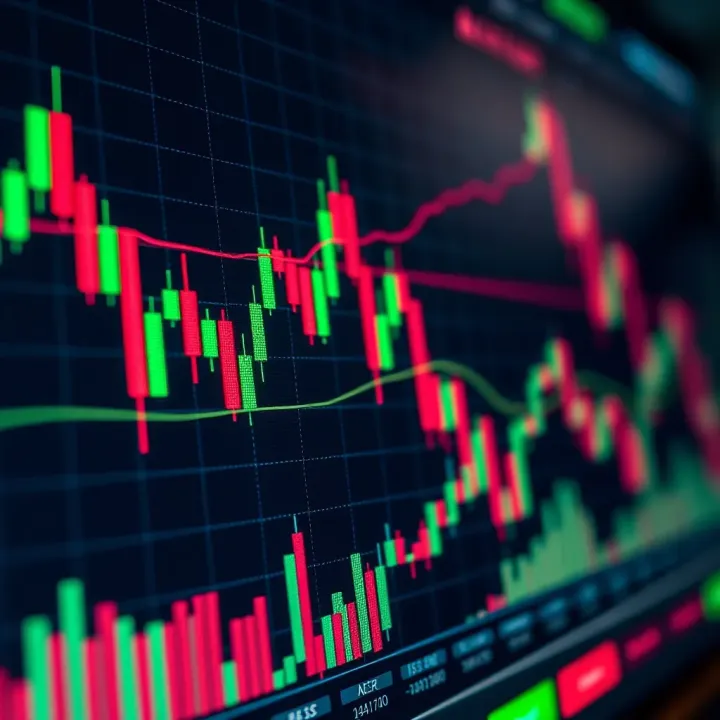
Beginners should not rush into trading without first learning the basics. It helps to open a demo account with platforms like MetaTrader or ThinkMarkets, where you can practice without risking real money. This also familiarises you with charts, order types, and how spreads work—the difference between buying and selling prices.
Risk management is vital. Never risk more than you can afford to lose on a single trade, and use stop-loss orders to protect your capital from unexpected market swings. Many traders in Kenya start with a modest amount between KS0,000 to KS0,000, gradually increasing as they build confidence and skills.
Successful trading depends more on strategy and discipline than on luck.
To develop a solid strategy, keep track of your trades, learn from mistakes, and adapt to changing market conditions. Economic calendars showing events like US Federal Reserve meetings or Kenyan economic releases can help anticipate market moves.
In this guide, we'll walk through the essential concepts, practical steps, and resources available to Kenyan traders so that you can approach forex trading with clarity and confidence.
Knowing how the forex market operates is the foundation for any trader stepping into currency trading. It helps you see how fluctuations in currency values happen and who moves the market. For example, understanding why the Kenyan shilling might weaken against the US dollar after a rise in oil prices gives you an edge in predicting market behaviour.
Forex trading involves buying one currency while simultaneously selling another. This creates currency pairs where the value of one currency is expressed through the other. It’s the largest financial market globally, with a daily turnover exceeding $6 trillion, showing how active and liquid these markets are. This liquidity means you can often enter and exit positions quickly, suiting both short-term traders and those with longer horizons.
Currencies fluctuate because of multiple factors: economic data, interest rates, and political developments. Traders aim to profit by predicting these movements.
Currencies are always traded in pairs, such as USD/KES (US dollar to Kenyan shilling) or EUR/USD (euro to US dollar). The first currency is called the base currency, and the second is the quote currency. If you buy USD/KES, you’re buying dollars while selling shillings. If the dollar strengthens against the shilling, your trade gains value.
The market isn’t just retail investors unlocking profits from their phones; it includes banks, multinational corporations, central banks, hedge funds, and of course, retail traders. Banks and institutions often trade large volumes for their clients or hedging purposes. For instance, Kenya’s central bank may intervene occasionally to stabilise the shilling.
Retail traders have grown in prominence thanks to online brokers, but it’s critical to trade through properly regulated firms. In Kenya, brokers authorised by the Capital Markets Authority (CMA) offer safeguards against fraud and unfair practices. These brokers provide access to trading platforms and tools, and ensure compliance with local rules.
Forex runs 24 hours a day, five days a week, divided into four major sessions: Sydney, Tokyo, London, and New York. Each session has different levels of volatility and liquidity. The London session is often the busiest, overlapping with New York and offering great trading opportunities.
For Kenyan investors, the best trading hours usually fall between 3 pm and 12 am East Africa Time, when both London and New York markets are active. This period tends to offer tighter spreads and higher volatility, ideal for taking advantage of price movements. That said, quieter times may suit those who prefer less risk.
Understanding the market’s timings and participants can help you make smarter choices, improve your entry and exit points, and reduce risk in your forex trading journey.
Understanding the basics of forex trading is vital for anyone looking to step into the market confidently. Key concepts such as currency pairs, bid-ask prices, spreads, leverage, and margin not only shape your trading experience but also influence your potential gains and risks. Mastering these ideas early can help you avoid costly mistakes and trade more strategically.
In forex trading, currencies are traded in pairs, where one currency is exchanged for another. The first currency in the pair is called the base currency, while the second is the quote currency. For example, if you see USD/KES, the US dollar is the base currency and the Kenyan shilling is the quote currency. The price shows how much of the quote currency you need to buy one unit of the base currency.
This setup is practical because it allows you to think clearly about which currency you are buying or selling. If you expect the US dollar to strengthen against the Kenyan shilling, you buy USD/KES; if you think the shilling will gain, you sell USD/KES.
Popular pairs include USD/KES, EUR/USD, GBP/USD, and USD/JPY. The USD/KES pair is especially relevant for Kenyan traders since it directly affects import and export costs, travel expenses, and remittances. Following these popular pairs helps you stay connected to global economic trends while trading what matters locally.
The bid price is the highest price buyers are willing to pay for a currency pair, while the ask price is the lowest price sellers are ready to accept. The difference between these two, called the spread, represents the broker's charge for facilitating the trade.
To trade profitably, understanding these terms helps you pinpoint your entry and exit costs. If a USD/KES pair has a bid price of 110.00 and an ask price of 110.05, you would buy at 110.05 and sell at 110.00, which means you start with a small loss equal to the spread.
The size of the spread affects trading costs, especially for frequent traders. Narrow spreads reduce costs and improve profitability, whereas wider spreads can eat into potential earnings — so it's wise to choose brokers offering competitive spreads.
Leverage lets you control a large trading position with a small amount of your own money, called the margin. If your broker offers 1:100 leverage, you can trade KSh 100,000 by putting up only KSh 1,000 as margin. This magnifies profits but also losses.
Kenyan traders often find leverage attractive because it allows more significant exposure even with modest capital. However, it's a double-edged sword — while it can boost gains, it can also wipe out your account quickly if the market moves against you.
Therefore, it's essential to use leverage carefully, keeping risk management in mind. Start with low leverage and only increase it when you have more experience and confidence in your trading strategy.
When starting, focusing on these core forex concepts will build a strong foundation, helping you make smarter trades while keeping your risks in check.
Taking that first step into forex trading can feel daunting, but understanding the practical process makes all the difference. This guide breaks down key stages you’ll go through, from choosing the right broker to setting up your trading account and navigating trading platforms.
Selecting a broker is like picking the right vehicle for a long journey; it needs to be reliable, efficient, and suited to your needs. You'll want to check the spreads they offer, trading fees, customer support quality, and what trading instruments they provide. For example, a broker offering tight spreads on USD/KES pairs with efficient M-Pesa integration may be preferable for Kenyan traders who want to minimise costs and deposit quickly.
Also, look for brokers that provide a good demo account for practice, easy-to-use mobile and desktop platforms, and fast trade execution speeds. These features help you avoid frustrations and unnecessary losses.
A broker authorised by the Capital Markets Authority (CMA) of Kenya instils confidence because they follow local rules designed to protect you and your funds. This oversight means your broker must comply with transparency, report regularly, and maintain segregated client funds. Without CMA regulation, you might risk dealing with untrustworthy firms that could delay withdrawals or manipulate prices.
For instance, brokers like Exinity or Tickmill operate under CMA oversight, offering some peace of mind compared to offshore brokers with no local accountability.
Most brokers offer different account types to match various trader profiles—standard, mini, or ECN accounts, for example. Beginners often start with mini accounts requiring less initial capital, which lowers their risk exposure.
When opening an account, you’ll need to provide identification such as a Kenyan national ID or passport, proof of residence, and sometimes income proof. These steps help broker comply with KYC (Know Your Customer) rules and reduce fraud risk.
Convenient funding is essential for smooth trading. Many brokers now accept deposits via M-Pesa, making it easy for Kenyan traders to transfer funds instantly without bank delays.
Imagine funding your forex account from your phone at a matatu stop or while waiting in line at a duka. This seamless deposit process removes barriers and lets you focus on trading instead of worrying about delays or complicated bank transfers.
MetaTrader 4 and 5 (MT4, MT5) are the most popular trading platforms worldwide, well-loved for their user-friendly interfaces and powerful tools. Both desktop and mobile versions are available, so you can trade from your laptop or smartphone.
They allow automated trading, custom indicators, and easy access to currency charts. Most Kenyan brokers support these platforms, making them the starting point for many traders.
Effective trading relies on understanding market movements through charts and indicators. Tools like moving averages, Relative Strength Index (RSI), and Fibonacci retracements help you identify trends and possible price reversals.
For example, spotting a support level on the USD/KES chart using MT4 can guide you on when to enter or exit trades, improving your risk management. Combining these tools with Kenyan market news gives you a better chance to make informed decisions.
Starting your forex journey with the right broker, account setup, and trading tools lays a solid foundation that can save you time, money, and frustration as you learn the ropes of the market.
Managing risk is essential for anyone venturing into forex trading, especially beginners. Unlike other forms of investment, forex markets are highly volatile, and sudden price swings can lead to substantial losses if not controlled properly. Protecting your capital means using well-thought strategies to minimise losses and preserve funds, allowing you to continue trading with confidence. Without solid risk management, even a few bad trades can wipe out your savings quickly.
Forex markets tend to move unpredictably due to various factors, including economic reports, geopolitical events, and central bank decisions. This volatility means currency prices can shift dramatically within short periods. For instance, if the Kenyan shilling suddenly weakens against the US dollar following unexpected inflation figures, traders not prepared for such swings might lose money quickly.
For beginners, common risk factors include lack of experience in reading charts, unfamiliarity with market trends, and overreliance on leverage. Many start trading without a proper plan, leading to impulsive decisions. For example, a trader might enter multiple trades in hopes of quick profits but ends up magnifying losses instead. Understanding these risks early helps you avoid behaviours that increase the chance of losing capital.
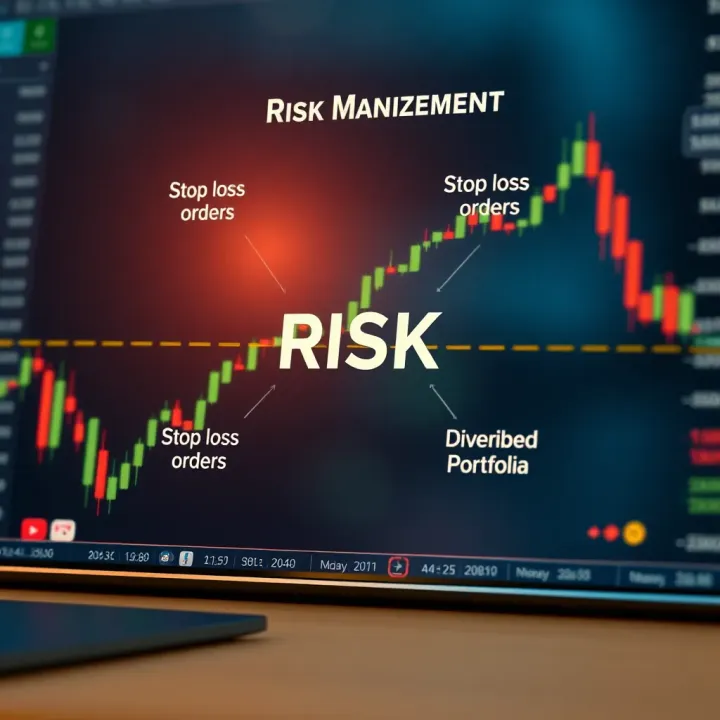
One effective method to limit losses is using stop-loss and take-profit orders. A stop-loss order closes your trade automatically when the price reaches a point where losses would be unacceptable, protecting your funds. Controlling downside risk like this means you won’t lose more than you are ready to handle, especially during unexpected market shocks. Similarly, take-profit orders secure your gains by closing a trade once a desired profit level is reached, preventing a sudden reversal from eroding your earnings.
Proper position sizing is another key strategy. This involves allocating a small percentage of your total capital for each trade, usually between 1–3%. For example, if you have KSh 50,000 to trade with, risking about KSh 500–1,500 per trade stops a single loss from damaging your overall account drastically. Diversifying trades across different currency pairs reduces exposure to one market’s sudden move, balancing your risk across several positions.
Overtrading and emotional decision-making often trip up beginners. Trading too frequently, especially when under stress or chasing losses, cloud judgment and lead to poor choices. If you enter trade after trade without proper analysis, you may burn through your capital fast. Staying disciplined with set trade limits and following your strategy keeps emotions at bay.
Ignoring market analysis and relevant news leaves you blindsided by events that suddenly affect currency values. For instance, overlooking Kenya’s latest economic reports or global central bank announcements can cause you to miss early warning signs before the market shifts. Keeping updated with reliable sources and incorporating that knowledge into your trading improves your timing and decision quality.
Effective risk management doesn’t remove risk altogether but makes it manageable. Protecting your capital allows you to trade longer, learn from mistakes, and steadily improve your chances of success.
Developing practical trading strategies is essential for any trader aiming to succeed in the forex market. A solid strategy helps you make informed decisions, manage risks, and respond calmly to market changes instead of relying on guesswork. Whether you are trading USD/KES or other currency pairs, having an approach tailored to your goals and risk tolerance puts you ahead.
Spotting trends in the forex market means recognising whether a price is generally moving up, down or sideways over a period. Traders look for support levels—prices where demand tends to stop the falling price—and resistance levels—where selling pressure usually stops a price rise. For example, if USD/KES repeatedly falls to around 110 before bouncing back, that 110 level acts as support. Knowing these points allows you to anticipate where to enter or exit trades.
Moving averages smooth out price data to show the overall trend direction, filtering out day-to-day noise. For instance, a 50-day moving average can guide you on whether the market is bullish or bearish. The Relative Strength Index (RSI) measures momentum and signals when a currency might be overbought or oversold. If the RSI for euro-dollar hits above 70, it suggests the pair could correct downwards soon. These indicators add layers of insight for timing your trades better.
Economic reports like GDP growth, inflation rates, and unemployment numbers influence currency prices directly. In Kenya, announcements from the Central Bank of Kenya (CBK) regarding interest rates can cause sharp forex movements. For example, a surprise CBK rate cut might weaken the Kenyan shilling because of expected cheaper borrowing costs. Keeping track of such data helps gauge currency strength beyond technical charts.
Political stability, trade agreements, or conflicts affect how traders view currency risk. If tensions rise between major economies or a new trade pact is signed, forex markets react almost instantly. For example, changes in East African Community (EAC) trade policies might impact shilling currency pairs. Understanding these factors helps traders avoid sudden losses or seize new opportunities.
Relying solely on charts or news can be risky. Combining technical analysis with fundamental insights creates a fuller picture. For example, if technical indicators show an upward trend in USD/KES but CBK signals potential rate hikes, you might prepare for volatility or adjust your position. This approach balances immediate price action with longer-term economic outlooks.
Testing your trading strategy against past market data reveals its strengths and flaws. Using historical prices of your chosen pairs, you can see how your signals would have played out. For example, if your RSI-based strategy yielded consistent profits in the last year, that builds confidence. But if losses appear during turbulent times, you may tweak entry or exit rules. Continual refinement based on backtesting improves long-term performance.
Practical trading strategies guide you away from impulsive decisions and equip you with tools to navigate forex markets confidently. Putting in the work to build, combine and test strategies increases your chances of trading success.
Building skills and continually updating your knowledge base are vital for any forex trader. The market evolves constantly with new tools, strategies, and economic changes affecting currency movements. Without ongoing learning, traders risk falling behind and making costly mistakes. For Kenyan traders especially, this means staying aware of global events and local developments that affect pairs like USD/KES and other African currencies.
Demo accounts let you trade forex without risking your cash. This setup simulates the live market environment, so you can try out different strategies and orders, familiarise yourself with the trading platform, and understand how currency pairs move in real-time. For example, you could experiment with setting stop-loss levels or leverage use without fear of losing money.
Practising on demo accounts also helps build confidence. Instead of jumping into live markets blindly, you get a feel for market speed and volatility. This hands-on experience reduces emotional errors, which are common among beginners facing real losses.
Not all demo platforms are equal. When picking one, check it offers live market prices and access to popular currency pairs, including those relevant to Kenya like USD/KES. Platforms like MetaTrader 4 or MetaTrader 5 come highly recommended and are widely used among local traders.
Also, ensure the platform is user-friendly and provides tools for charting and technical analysis. A good demo environment closely matches what you would use for live trading, so the transition is smooth. Avoid platforms that have delayed pricing or limited features, as they can give misleading practice results.
Keeping up with trustworthy forex news sites and forums helps you learn from expert insights and community experience. Sites like DailyFX, Investing.com, or local forums where Kenyan traders share tips provide timely updates on market trends, technical strategies, and broker reviews.
These platforms allow you to ask questions, exchange ideas, and find answers to specific trading issues. Such engagement sharpens your market understanding far more than passive reading.
Structured courses and webinars offer step-by-step guidance on complex topics—be it technical analysis, fundamental drivers of currency values, or risk management. Many brokers provide free or affordable training tailored to Kenyan traders’ needs.
Joining local trader groups or communities also boosts your learning. These groups often share market news, organise trading contests, and provide peer support. Learning alongside others helps keep motivation high and sharpens your practical skills in a Kenyan market context.
Trading decisions depend largely on current events. Reliable sources like Bloomberg, Reuters, and the Kenya National Bureau of Statistics provide accurate economic data, while central banks’ statements (including the Central Bank of Kenya) impact currency trends significantly.
Tracking reports on inflation, interest rates, and political developments is crucial. These directly influence the shilling’s value against foreign currencies.
Mastering how to weave news into your trading strategy improves your timing and success rate. For example, if the CBK announces a new monetary policy, you might expect the KES to strengthen or weaken accordingly.
Using economic calendars to plan trades around major announcements can reduce unexpected losses. Combining this news awareness with technical signals creates a fuller picture for smarter trades.
Continuous learning—through practising, accessing good resources, and staying informed—gives you an edge. It turns trading from guesswork into a well-informed activity suited to Kenya’s forex environment.
Learn forex trading basics 🇰🇪! From currency pairs to risk tips, get practical insights to trade confidently and wisely in Kenya's forex market 💹.

Start your Forex trading journey with easy-to-follow PDFs! Learn strategies, market basics, and risk tips tailored for Kenyan beginners 📊💼📈

Start your forex trading journey with the right app in Kenya 🇰🇪. Learn key features, risks, and tips to trade safely and confidently in the forex market 📈💡.

🌍 Explore top forex brokers in Kenya, learn how to pick the right one, understand regulations, platforms, payment methods, and avoid trading traps.
Based on 7 reviews