

Understanding Risk Management: A Practical Guide
📊 Learn how Kenyan businesses identify, assess & manage risks with practical steps, tools, PDFs & best practices to keep risks under control and secure growth.
Edited By
Jonathan Harper
Risk management is a core part of running any business, especially in finance where stakes run high and conditions change fast. The main goal? To spot potential threats before they hit and to keep the company on steady ground.
Think of risk management as a roadmap. It guides traders, investors, and analysts through spotting risks, sizing up their impact, and deciding how to handle them without guessing. This process isn’t just about avoiding danger but about making smarter decisions that protect assets and unlock opportunities.
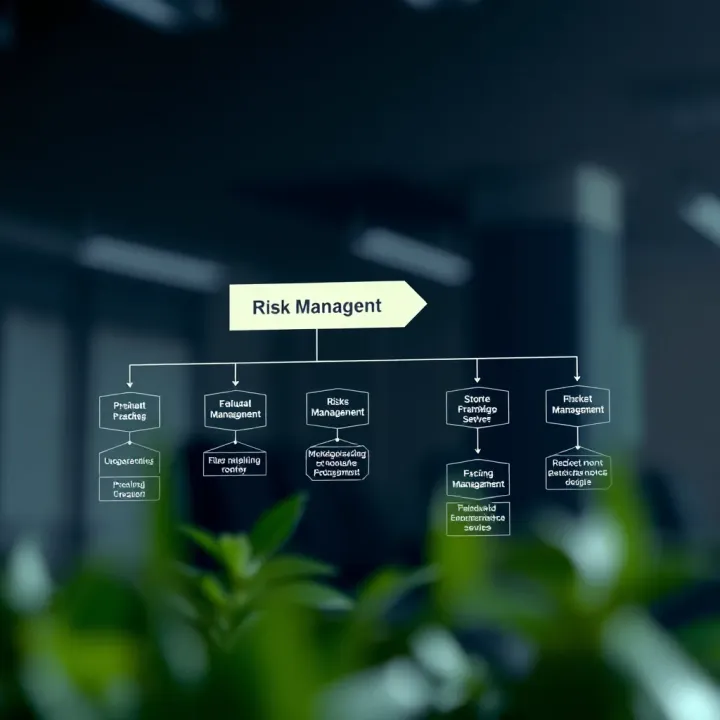
Risk management isn’t a one-time thing—it requires ongoing attention to stay effective as markets and operations evolve.
The process breaks down into clear steps, starting with identifying risks — everything from market volatility, regulatory changes, to operational mishaps. Next comes risk assessment, where these threats get measured and prioritized based on how likely they are to happen and what damage they could cause.
Once risks are prioritized, strategies come into play. A firm might decide to avoid certain risks entirely, transfer them through insurance or contracts, reduce them via controls and checks, or simply accept them when the cost of mitigation outweighs the threat.
Finally, monitoring is key. Risk levels change, and so do the factors around them. Keeping an eye on risk indicators and adjusting plans accordingly helps companies stay nimble and responsive.
In short, understanding how to framework risk management enables finance pros to protect investments and maintain confidence in their strategies. Without this process, companies could easily get blindsided and lose hard-earned gains.
The sections that follow will guide you through each stage with real-world examples and practical tools, making risk management something you can apply every day—not just a theory on paper.
Understanding what risk management really means is the first step to handling it effectively. At its core, risk management is about identifying potential problems before they happen and planning ways to reduce their impact or avoid them altogether. This involves recognizing risks—like market downturns, security breaches, or changes in regulations—then analyzing their likelihood and consequences. For example, a trader might spot a sudden drop in volatility as a risk for option strategies and adjust accordingly.
Risk management isn't just a theoretical exercise. In practical terms, it means putting safeguards in place to keep your business or project from going off the rails. For instance, an investment firm monitoring credit exposure closely isn't just fulfilling compliance requirements; it is actively preventing losses that could wipe out months of gains.
Why does risk management matter so much? Because it equips businesses and projects to handle uncertainty without panicking or losing control. Imagine a startup preparing to launch a new product facing supply chain hiccups. Effective risk management means they have backup suppliers or contingency plans, so they don’t collapse under pressure. Similarly, financial analysts rely on risk management tools to assess portfolio vulnerabilities and make smarter calls.
Protecting assets and reputation comes first. Whether it’s a company’s cash reserves, intellectual property, or brand goodwill, everything at risk needs a shield. Consider a brokerage firm that falls victim to a cyber attack. Without risk management, client data theft could lead to lawsuits and a shattered reputation. Protecting these assets isn’t just about reacting after a crisis – it's about preventing the crisis itself.
Supporting decision-making is another core aim. Risk management provides the facts and forecasts needed to make informed choices. A portfolio manager deciding to move out of a volatile sector uses risk analysis to back up the move, reducing reliance on gut feeling. This kind of clarity boosts confidence when stakes are high.
Lastly, ensuring compliance and operational stability cannot be overlooked. Businesses face a tangled web of regulations from bodies like the SEC or FINRA. Ignoring these can mean hefty fines or shutdowns. Risk management keeps organizations aligned with legal standards and smooth operations, minimizing disruptive surprises.
Bottom line: Risk management sets the foundation for protecting value, guiding decisions, and keeping business steady in choppy waters. For traders, investors, and finance pros, it's the difference between weathering the storm and being swept away.
Identifying risks effectively is the backbone of any solid risk management process. Without a clear picture of what risks you face, your efforts to manage them are like shooting in the dark. Traders, investors, and finance pros need reliable methods to pinpoint potential threats early to minimize surprises that can impact portfolios or business operations. Knowing where risks come from and what kinds exist supports smarter decision-making and timely actions.
Risks generally stem from either inside or outside the organization. Internal risks arise from factors within your control, such as employee errors, IT system failures, or shortcomings in internal processes. For example, a trading desk might face internal risk if their algorithm's code has a bug leading to unexpected losses. On the other hand, external risks come from the outside world and are often less predictable, like sudden regulatory changes, economic downturns, or geopolitical tensions that affect markets. Recognizing whether a risk is internal or external helps focus your mitigation tactics appropriately.

It's practical to divide risks into key categories to cover all bases. Financial risks include market volatility, credit defaults, or liquidity crunches. Operational risks relate to day-to-day business activities, such as system outages or supply chain disruptions. Strategic risks result from poor business decisions or changes in industry trends that might make your current strategy obsolete. For instance, an investment firm might classify the risk of crypto market collapse under financial risk, while a cybersecurity breach in their trading platform falls under operational risk. Sorting risks this way keeps risk assessments thorough and organized.
Gathering a diverse group for brainstorming sessions can uncover hidden risks that numbers or reports might miss. Experts from different departments—compliance, IT, trading, legal—bring unique insights, spotting issues others might overlook. Think of these sessions as a risk-spotting workshop where every angle gets dissected. Input from veteran traders or risk managers can highlight trends or emerging risks based on experience, which enhances your foresight.
Looking back on past incidents and market behaviors is invaluable for recognizing patterns. Say a fund notices recurring losses triggered by sudden interest rate jumps; analyzing past data helps quantify how likely and impactful similar events could be. Historical analysis isn't just about numbers; it also informs scenario planning by showing how different risks materialized, which supports better forecasting.
Checklists ensure no stone is left unturned during risk identification. They serve as a practical guide, helping teams systematically verify critical risk areas, from compliance to operational workflows. Risk audits go a step further by independently reviewing systems and controls, often uncovering gaps missed internally. For example, a quarterly risk audit might reveal that a firm's disaster recovery plan hasn't been tested recently, highlighting a vulnerability.
Effective risk identification means looking beyond the obvious. Combining human insight with data and structured tools sets a stronger foundation for managing whatever comes your way.
In short, clear awareness of risk sources and types plus applying multiple spotting techniques lets finance professionals handle risk smarter. This approach builds resilience for portfolios, firms, and decision-makers alike.
Assessing and prioritizing risks helps you figure out which risks matter most to your business or investments and which ones can wait. Without this step, you might waste resources chasing less significant risks or overlook threats that could really hurt your bottom line. For traders, investors, and finance pros, understanding the likelihood and potential impact of a risk allows for smarter decisions and sharper focus.
When measuring risks, you can lean on either qualitative or quantitative methods. Qualitative approaches focus on descriptive factors — like expert opinions or scenario analysis — to estimate how likely a risk is and what the consequences might be. This method works well when you lack hard data but need a reasonable picture fast. For example, a broker might assess geopolitical tensions qualitatively to decide if market volatility could spike.
On the flip side, quantitative approaches use numbers and data to calculate risk. Think probabilities, historical trends, and statistical models. For instance, an analyst might crunch historical stock price data to assign a percentage chance of a price drop exceeding 10% in a month. This precise info helps with objective financial forecasting.
To keep the process straightforward, many use risk matrices and scoring systems. A risk matrix plots likelihood against impact in a grid, often color-coded to highlight danger zones — red meaning high risk, green low. Scoring assigns numeric values to risks, creating a rank order from most to least pressing. For example, a $5 million potential loss with a 70% chance scores higher than a $1 million loss with 20% likelihood. These tools offer a quick visual and numeric way to prioritize, preventing you from getting lost in endless data.
Prioritization depends on clear criteria. Consider factors like potential financial loss, impact on reputation, regulatory consequences, and operational disruption. A hedge fund manager might prioritize risks that could cause months-long interruption over smaller, short-term concerns. By ranking risks against these real-world stakes, you focus attention where it counts.
Balancing resources with urgency ensures your team isn’t stretched too thin while addressing critical threats swiftly. For example, a trading firm might invest heavily in cyber defenses after a recent breach but accept smaller technology glitches as manageable. Essentially, you weigh what’s urgent against what’s feasible, making practical choices.
Bottom line: Assessing risks thoroughly and setting thoughtful priorities let you safeguard your investments and operations without burning out your budget or staff. It’s about making informed choices on where and how to act for the best return on your risk management efforts.
Planning and implementing risk responses is the stage where risk management moves from theory to action. Simply spotting risks isn’t enough; you need a solid plan to handle them effectively. This step ensures that risks don’t just linger as vague concerns but are actively managed to reduce their chance of derailing your trading, investing, or financial operations. A practical approach to this phase equips financial professionals to react swiftly and wisely, keeping portfolios and organizations safer.
Avoiding risk involves steering clear of activities that expose you to significant losses. For instance, a trader might avoid investing in penny stocks known for extreme volatility to prevent unnecessary losses. Avoidance is practical when the risk’s impact is too damaging to justify any potential gain. It’s about saying no upfront instead of cleaning up the mess later.
Reducing risk means taking steps to limit either the probability or impact of a risk. An example could be diversifying an investment portfolio to reduce exposure to any single sector. Another is using stop-loss orders to cap losses on a trade. Reducing risk doesn’t eliminate it but cuts its potential damage to manageable levels.
Transferring risk shifts the financial consequences to another party, usually through insurance or hedging. A company might buy insurance against cybersecurity breaches, transferring the financial hit if an attack happens. Likewise, traders use options or futures contracts to hedge against price swings, effectively passing some risk onto counterparty institutions.
Accepting risk recognizes that some risks are inherent and manageable without action. A small trader might accept minor fluctuations in daily returns as part of normal market behavior. Acceptance works best when the cost to mitigate the risk would outweigh the potential loss, or the risk itself is unlikely to impact goals significantly.
Developing action plans involves detailing how each risk response will roll out. For example, if the strategy is to reduce risk via diversification, the action plan specifies which assets to include, percentage allocations, and timing. Clear steps prevent confusion and ensure everyone involved knows what to do and when.
Assigning responsibilities ensures accountability in risk management. A portfolio manager might be responsible for implementing stop-loss limits, while the compliance team oversees regulatory risks. Assigning roles avoids tasks slipping through the cracks and speeds up response times when risks escalate.
Monitoring implementation means regularly checking if the planned risk responses work as intended. This could involve tracking key risk indicators or reviewing if hedges maintain their intended protective value. If the measures underperform or risks evolve, this step flags needed adjustments early, preventing surprises.
The bottom line is that planning and executing risk responses turns risk management into a living process—not a static plan gathering dust. It keeps traders, investors, and finance professionals proactive and ready for whatever the market throws their way.
Keeping a close eye on risks after you’ve identified and planned for them isn’t just a good idea — it’s necessary. Tracking, reviewing, and improving your risk management process helps you spot problems early, adjust plans when circumstances change, and ultimately keep your investments or projects on track. For traders and finance pros, this means avoiding surprises that can lead to costly losses and seizing opportunities when markets shift.
Key risk indicators and early warning signs serve as your front-line defense. These are measurable factors that suggest a risk might be growing or becoming more likely. For example, a sudden spike in market volatility could signal a looming downturn in stocks you hold. Similarly, a drop in credit ratings for a counterparty might warn of future repayment issues. Watching these indicators lets you react quickly, adjusting your tactics before small issues snowball.
Regularly scanning for early warning signs in your portfolio or operations means you’re not blindly hoping for the best. It’s about staying proactive. Key risk indicators might include metrics like debt ratios, market liquidity levels, or operational downtime. Getting comfortable with these helps you spot risks ahead of time, much like watching the weather to decide whether to carry an umbrella.
Regular risk assessments take this a step further. Scheduled check-ins—say quarterly reviews—force you to re-evaluate your risk environment systematically. This exercise helps catch new or evolving risks that you might have missed before. For instance, during earnings season, a company’s performance might change your view of its creditworthiness. Touching base regularly with your risk framework prevents outdated assumptions from steering your decisions.
This process keeps your risk plan fresh and aligned with reality. In volatile markets or fast-moving projects, skipping regular risk assessments is like driving blindfolded. On the flip side, consistent evaluations sharpen your understanding and signal when to ramp up controls or ease off.
Lessons learned and feedback are gold mines for refining risk management. After a loss, near miss, or even a smooth period, taking time to digest what worked and what didn’t provides valuable insights. For example, if a hedging strategy failed to protect against currency swings, identify the weak spots. Maybe assumptions about market correlation were off or execution delayed.
Getting feedback from team members or stakeholders also helps. Traders, analysts, and brokers often have frontline knowledge that can highlight risks overlooked by high-level strategies. Incorporating these lessons ensures your risk approach grows stronger over time rather than repeating the same mistakes.
Adjusting strategies based on changes means risk plans aren’t set in stone. As markets, regulations, or business conditions evolve, your risk management must adapt quickly. For instance, a sudden change in Federal Reserve policy may affect interest rate risk, requiring you to tweak asset allocations or derivatives use.
Ignoring such shifts could leave you exposed. Updating your plans ensures you stay relevant and effective, reflecting the current environment rather than what was true a year ago. Flexibility here can be the difference between protecting gains and suffering avoidable losses.
The bottom line is that managing risk isn’t a one-and-done deal. Constant vigilance and willingness to learn and adapt keep you ahead in a field where change is the only constant.
📊 Learn how Kenyan businesses identify, assess & manage risks with practical steps, tools, PDFs & best practices to keep risks under control and secure growth.

🔍 Learn how Kenyan organisations identify, assess, and control risks impacting their goals. Explore practical steps and tools to manage threats & support solid decision-making.
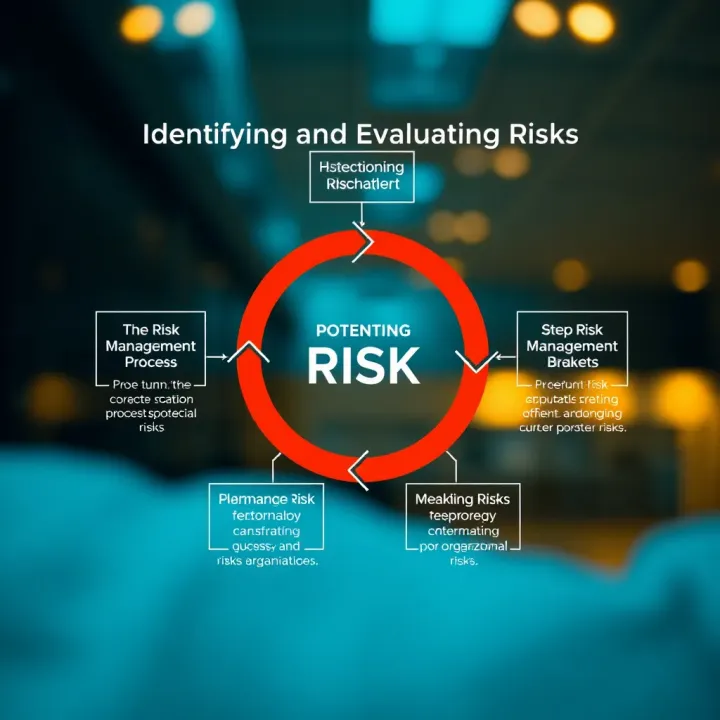
📊 Learn practical steps in risk management for Kenyan organisations and individuals. Identify, assess, plan, monitor, and communicate risks to protect your resources effectively.

🔍 Learn how risk management protects your Kenyan business assets, ensures compliance, and boosts continuity for smart, confident decisions that secure your future.
Based on 10 reviews