
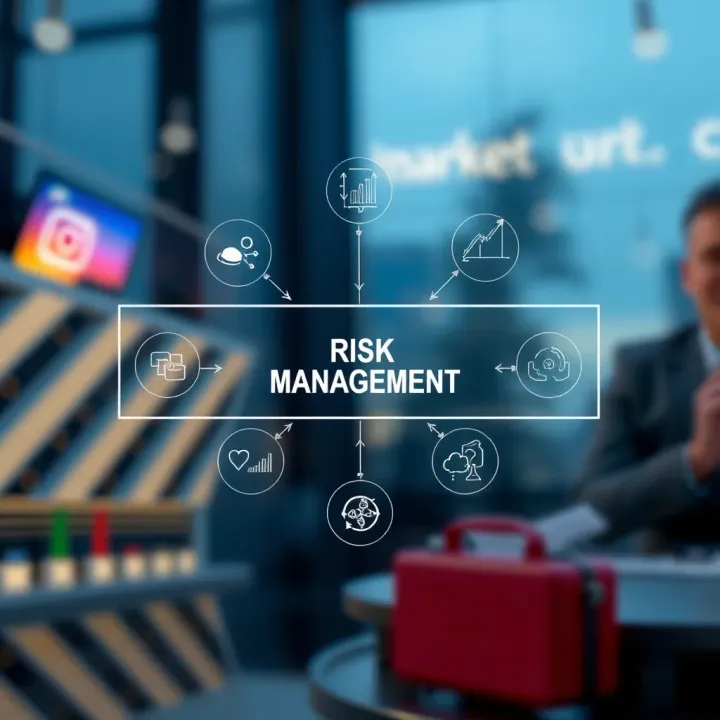
Understanding Risk Management and Its Importance
🔍 Understand risk management: key elements, practical methods, and challenges. Learn how to identify, assess, and control risks across industries effectively.
Edited By
Oliver Trent
Risk management is no longer just a tick-box exercise for businesses but a fundamental part of keeping organisations steady in today's unpredictable world. In Kenya, companies—from bustling Nairobi SMEs to large enterprises—face risks ranging from fluctuating market prices, regulatory changes, to operational hiccups such as delayed supplies or tech failures.
At its core, risk management involves identifying potential threats before they cause disruption. This process helps firms understand what might go wrong and puts in place measures to avoid or reduce harm. It is not about eliminating risk altogether, which is usually impossible, but about making informed choices that keep a business resilient.

An effective risk management process usually follows clear stages, each complementing the next to build a full picture:
This means spotting all possible risks that could impact the organisation’s objectives. For example, a Kenyan exporter might highlight risks like currency volatility (shilling vs. dollar), delayed customs clearance, or changes in East African Community (EAC) trade policies.
Once identified, each risk is analysed for its likelihood and potential impact. How big is the threat? How likely is it to happen? The exporter might assess that currency swings are highly likely and can severely reduce profits, while customs delays might happen less often but cause moderate costs.
This stage involves deciding how to handle each risk. Options include:
Avoiding the risk where possible (e.g., changing suppliers)
Reducing its likelihood or impact (e.g., hedging forex exposure using local products or contracts)
Accepting the risk when it is small or unavoidable
Transferring the risk (insurance or outsourcing certain functions)
Risks evolve, especially in dynamic Kenyan markets influenced by government policies and regional trade shifts. Continuous monitoring ensures controls remain effective and signals when adjustments are necessary.
In practice, many Kenyan businesses integrate risk management into everyday decisions rather than treating it as a separate department. For instance, traders routinely consider market prices and demand shifts before purchasing stock.
Understanding and applying this cycle helps safeguard investments and supports solid decision-making amid uncertainty. Practical tools like risk registers, scenario planning, and simple checklists complement this process well, especially when resources are limited.
In the coming sections, we will explore each step in more detail with practical tips and examples relevant to Kenyan organisations.
Risk management is the backbone of any organisation aiming to stay afloat in today’s unpredictable environment. This process helps businesses identify potential threats before they escalate, reducing surprises that could disrupt daily operations or long-term strategies. In Kenya, where market fluctuations, regulatory changes, and even weather patterns affect commercial activities, understanding risk management isn’t a luxury—it’s a necessity.
Risk management involves recognising, assessing, and addressing risks that may hinder an organisation from reaching its objectives. It isn't just about avoiding loss; it’s about making informed decisions that balance risks and opportunities. For example, a Kenyan trader importing goods might face currency volatility risk; through risk management, they could decide to hedge their positions or time purchases to minimise losses. This approach safeguards resources and builds resilience against shocks.
Effective risk management turns uncertainty into an informed path forward, helping businesses not only survive but also thrive.
Organisations encounter various risks that can be broadly categorised:
Financial risks: These include credit risks, currency fluctuations, and liquidity challenges. For instance, a local exporter might suffer if the US dollar weakens against the Kenyan shilling, cutting into profit margins.
Operational risks: Disruptions from supply chain delays, equipment failures, or labour strikes often catch businesses off-guard. Take a Nairobi-based manufacturer relying on timely delivery of raw materials; delays can stall production and increase costs.
Compliance and regulatory risks: Kenya’s evolving regulatory landscape, such as the introduction of new tax laws or environmental regulations, affects how businesses operate. Non-compliance could lead to hefty fines or licence revocation.
Strategic risks: Poor business decisions, failure to innovate, or ignoring market trends can cause competitive losses. Consider a fintech company that ignores mobile payment trends like M-Pesa—it risks losing customers to more adaptable rivals.
Environmental risks: Kenya’s weather patterns, such as the long and short rains, directly impact agriculture and energy sectors. Organisations must plan for drought or flooding that can cripple supply chains or demand.
By grasping the nature and scope of these risks, Kenyan organisations position themselves to respond quickly and protect their investments. Risk management becomes less about fear and more about control, driving smarter choices in a complex market.
The risk management process lays the foundation for organisations to identify threats early, assess their impact, and decide on the best ways to address them. This is particularly valuable in finance and trading, where rapid changes can affect portfolios or asset values. Knowing the steps ensures that risks do not catch you off guard but rather are integrated into day-to-day decision-making.
Risk identification is about spotting potential issues before they become costly. Organisations use several approaches, such as brainstorming sessions, expert interviews, and reviewing past incident reports. For example, a forex trading firm might review historical exchange rate swings and regulatory changes to anticipate market risks. Another practical method is using checklists that cover typical risk categories like credit, market, operational, or legal risks.
Qualitative analysis involves subjective judgement often based on expert opinions, interviews, or surveys. It helps categorise risks by their nature and severity without attaching precise numbers. For example, a broker might label a political risk as "high" due to recent unrest in a particular country affecting currency stability.
Quantitative analysis, on the other hand, assigns numerical values to risks, often through statistical models or financial metrics. A trader could calculate the Value at Risk (VaR) to estimate potential losses over a given period. This helps in making objective decisions backed by data, rather than gut feeling alone.
Once risks are analysed, prioritising them is key for efficient resource allocation. Tools like risk matrices help rank risks by likelihood and impact — those ranked highest receive immediate attention. For instance, if a company faces both minor technology hiccups and a looming tax regulation change with large penalties, it will prioritise adapting to the regulatory risk first. Prioritisation ensures that limited funds and efforts are focused where they matter most.
Organisations can manage risks in four main ways. Avoidance means steering clear of activities that invite risk — like refusing to trade in volatile markets. Reduction involves actions to lower risk likelihood or impact, such as installing robust IT security to prevent cyber attacks. Sharing entails transferring risk through mechanisms like insurance or partnerships; a fund manager might hedge currency exposure to share risk with another institution. Retention is when a business accepts the risk, perhaps due to cost constraints, and plans to absorb any losses.
Good risk management includes having fallback options. Contingency plans prepare organisations for how to react if a risk occurs. For example, a financial advisory firm might have alternative communication channels ready if their primary systems fail, ensuring client services continue uninterrupted. These plans minimise damage by allowing swift, coordinated responses, especially where quick decisions are vital to cut losses.
Effective risk management is not just about avoiding loss but supporting smarter decisions that boost resilience and growth. In Kenya’s vibrant financial markets, following clear steps in risk management can be the difference between weathering shocks and facing heavy setbacks.
Monitoring and reviewing risks is a vital part of any risk management process. It ensures that an organisation stays aware of evolving threats and evaluates the effectiveness of existing controls. Without constant oversight, risks may go unnoticed until they cause damage, or controls become outdated and ineffective. By regularly tracking changes and reviewing actions, businesses can adjust their strategies promptly, avoiding costly surprises.
Risks are not static; they shift due to market dynamics, regulatory changes, economic conditions, or even changes within the organisation itself. Tracking risk changes means monitoring internal and external factors that influence risk levels. For example, a Kenyan exporter might face currency fluctuation risks due to shifts in the shilling's value against the dollar. If the exchange rate deteriorates suddenly, this risk increases, demanding immediate attention.
Keeping a risk register updated is practical here. It acts as a living document, capturing new or altered risks alongside their potential impact and likelihood. This helps decision-makers see trends over time. Moreover, regular scenario analysis or stress-testing can reveal how emerging risks might affect operations. In Kenya’s energy sector, for instance, companies often reassess risks when new policies or infrastructural changes occur.
Once controls are established—whether in the form of policies, insurance, or operational changes—they require continuous verification to confirm they work as intended. Controls that performed well six months ago could falter due to changes like staff turnover, new fraud techniques, or system upgrades. For instance, a bank in Nairobi may deploy fraud detection software, but without periodic reviews and updates, it might fail to catch new fraudulent patterns.
Audits and risk assessments serve this purpose. Internal or external audits can identify gaps where controls are weak or bypassed. Testing control measures through drills or simulations also helps gauge their readiness. Importantly, feedback from employees can be valuable; those on the frontline often notice when procedures become cumbersome or ineffective.
Regular monitoring ensures risk management remains a proactive, dynamic process rather than a one-time event. It enables businesses to stay ahead of threats and protect their goals.
In the context of trading and finance, where market conditions can change rapidly, constant review is non-negotiable. Risk managers must keep a sharp eye on risk indicators and respond swiftly. This way, organisations can safeguard investments, maintain compliance, and sustain operational resilience in a fluctuating environment.
By embedding continuous monitoring and review into the risk management framework, Kenyan organisations enhance their ability to navigate uncertainty and maintain confidence among stakeholders.
Effective risk management relies heavily on practical tools and established frameworks. These tools help organisations systematically identify, assess, and track risks, while frameworks provide structured guidance that aligns risk management with overall business goals. Without these, managing risks can quickly become inconsistent, disorganised, or disconnected from decision-making. In Kenya’s dynamic business environment, having clear methods and standards is key to navigating uncertainties, whether related to market fluctuations, regulatory shifts, or operational challenges.
A risk register is essentially a detailed log where all possible risks are recorded, described, and tracked. It acts like a central risk diary, listing each risk’s likelihood, impact, ownership, and current control measures. For example, a manufacturing firm in Nairobi might use a risk register to track supply chain disruptions alongside machinery breakdowns. This centralised list allows teams to monitor risks continuously and review treatment progress. It also ensures that no risk is forgotten or overlooked over time.
Organisations typically update risk registers regularly during scheduled reviews or after significant events. This process helps keep risk data relevant and supports informed responses. For investors and brokers, reviewing a company’s risk register can offer transparency on how risks are managed and which threats have the most attention.
Risk matrices visually present risks by mapping their likelihood against their potential impact, often in a grid format. This way, stakeholders quickly see which risks are the most critical and demand priority handling. For instance, a financial institution might assess cyber risks as high impact with medium likelihood, prompting urgent mitigation steps.
Using risk matrices helps decision-makers prioritise limited resources. Rather than treating all risks equally, a company can focus on those in the red or high-risk zone first. Risk matrices also facilitate communication, making it easier for diverse teams—including analysts and executives—to understand the severity without getting bogged down in technical jargon.
ISO 31000 provides an international benchmark for managing risk more systematically. It outlines principles such as integrating risk management into organisational processes, customised to each business’s context and culture. This standard encourages ongoing risk evaluation rather than one-off assessments.
Following ISO 31000 helps Kenyan businesses build resilience by adopting a consistent approach recognised worldwide. For investors gauging a Kenyan company’s risk posture, adherence to ISO 31000 signals commitment to best practices and continuous improvement. It also encourages strong communication lines between risk owners, managers, and stakeholders.
Kenya enforces various regulations that impact risk management, especially in sectors like banking, insurance, capital markets, and manufacturing. Entities regulated by bodies such as the Capital Markets Authority (CMA) and Central Bank of Kenya (CBK) must comply with risk governance guidelines that protect stakeholders and maintain financial stability.
For instance, banks are required to implement robust credit, liquidity, and operational risk controls to uphold CBK standards. Failure to do so can result in penalties or loss of licence. Local compliance also means risk management strategies must align with Kenyan law around data protection, employment, and environmental safety. Knowing these regulatory requirements helps organisations avoid costly legal consequences and supports sustainable business practices.
Clear tools and recognised frameworks turn abstract risks into manageable challenges. They provide a common language and method for assessing threats and safeguards. For traders, investors, and finance professionals, understanding and applying these in Kenyan contexts strengthens confidence when evaluating risks and opportunities.
Managing risk effectively is not just about following a set of steps; organisations often face real barriers that hinder their progress. These challenges need attention because they impact how well a business can identify, control, and respond to risks. Ignoring them can leave organisations vulnerable, especially in competitive markets or volatile economic climates like Kenya’s.
A major hurdle is the culture within an organisation. If the staff and leadership don’t see risk management as part of their daily work or simply resist change, the whole process stalls. For example, a company may have a formal risk register, but if employees fear speaking up about potential issues for fear of blame, risks remain hidden. This is common in businesses where hierarchy is rigid or where previous attempts at risk management were seen as bureaucratic red tape.
Also, silos within departments block information flow. If the finance team identifies a liquidity risk but doesn’t share it across marketing or operations, the organisation misses the bigger picture. Building a risk-aware culture requires committed leadership, ongoing training, and open communication channels. Practical steps include holding regular meetings to discuss risks openly and recognising teams that report or manage risks effectively.
Many firms struggle with limited resources—both financial and human. Small and medium enterprises (SMEs) in Kenya often cannot afford dedicated risk officers or advanced software for risk tracking. Instead, risk duties fall on those already stretched across multiple roles. This increases the chance that risk management gets sidelined, especially during busy periods, like fiscal year-end or clearance sales seasons.
Skills gaps also pose problems. Risk management demands analytical skills, experience with risk tools, and understanding of regulatory requirements, which not all organisations have in-house. For instance, knowing how to interpret a risk matrix or comply with Kenyan regulations from the Capital Markets Authority (CMA) may mean training or hiring specialists.
However, there are affordable and practical solutions. Many businesses now turn to simple risk registers that require minimal technical know-how and regularly use mobile technology for updates and alerts. Training can be delivered through webinars, local workshops, and partnerships with industry bodies. The key is to match the risk management approach to available resources and scale it gradually rather than aiming for perfection from the start.
Tackling organisational hurdles and resource limitations head-on helps embed risk management as a practical, ongoing part of business—not just a paper exercise.
Addressing these challenges strengthens resilience and supports better decision-making, essential for traders, investors, and finance professionals navigating Kenya’s dynamic business environment.
Risk management isn’t just a corporate buzzword—it’s how Kenyan businesses protect themselves from shocks that can shake their foundations. Given the dynamic local environment, from market volatility to regulatory changes, practical advice tailored to Kenyan firms helps create resilient operations that can withstand unexpected challenges.
Kenyan businesses must shape their risk management approaches around local realities. For instance, agriculture firms face risks linked to the short and long rains seasons; a delayed onset can devastate crops and incomes. Firms in Nairobi’s bustling informal sector might prioritise operational risks like theft or inconsistent supply chains.
In the financial sector, fluctuations in Forex rates or changes in KRA tax policies demand constant attention. Adapting risk frameworks means understanding these local factors deeply and integrating them into daily decision-making. For example, a retailer can prepare for festive season disruptions by collaborating with suppliers early to ensure stock availability, considering local transport delays common during December.
Another key point is cultural context—Kenya’s business culture relies heavily on personal relationships and trust. That affects risk identification because informal information sharing often uncovers risks not visible through formal reports. Business owners should tap into these networks to spot emerging issues early.
Technology plays a big role in helping Kenyan businesses manage risks more efficiently. Mobile money platforms like M-Pesa and KCB M-Pesa simplify transactions and reduce cash-handling risks, which is huge for SMEs operating with tight margins.
Moreover, cloud-based accounting tools such as Xero or QuickBooks tailored for Kenyan users can alert managers to financial risks before they spiral—like overdue payments or unexpected cost increases. Some companies also use digital risk assessment tools to create and update risk registers accessible across departments in real time.
In the agribusiness sector, mobile weather alerts and data services help farmers anticipate extreme weather events, reducing crop loss risks. Similarly, transport firms track fleets using GPS apps to monitor vehicle usage and plan maintenance, preventing costly breakdowns.
Practical risk management in Kenya ties closely to the ability to both understand local risk landscapes and use affordable, accessible tech tools to respond fast and smart.
Ultimately, firms that integrate local context knowledge with technology stand a better chance of making informed, timely decisions, preserving their resources, and ensuring steady growth despite uncertainty.
🔍 Understand risk management: key elements, practical methods, and challenges. Learn how to identify, assess, and control risks across industries effectively.
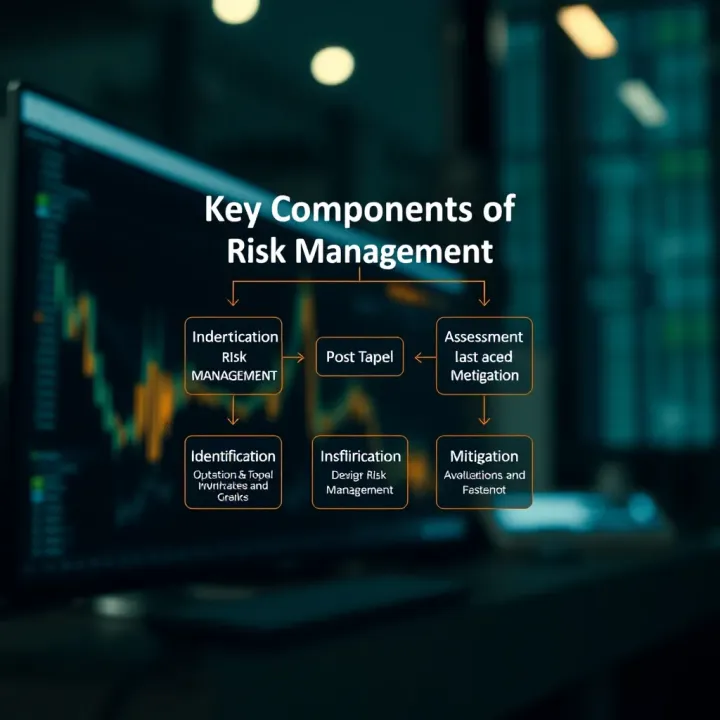
Understand risk management in Kenya 🌍 Learn key strategies, challenges, and tools to make informed decisions in business and everyday life effectively.
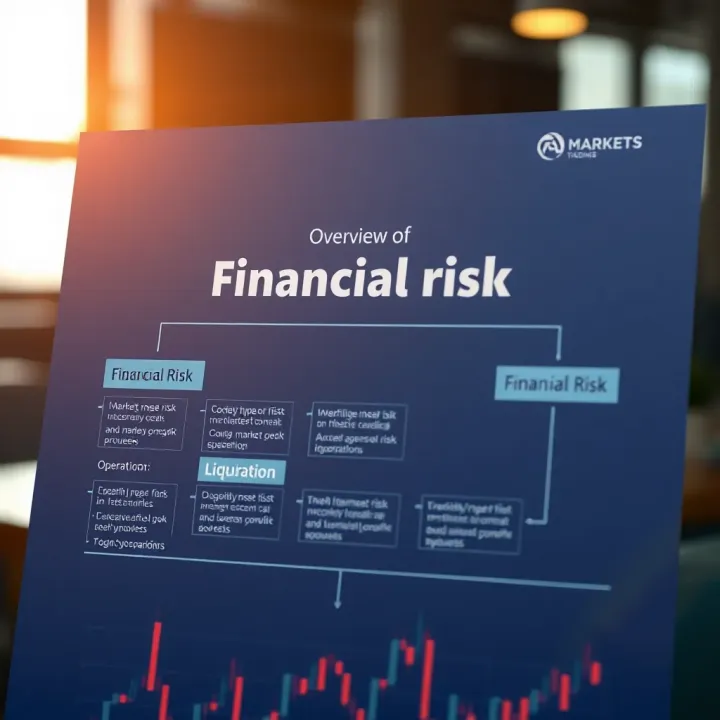
Learn practical financial risk management tools and strategies 📊 to identify, assess, and reduce risks, helping Kenyan businesses and investors safeguard assets. 💼

Learn how Kenyan businesses can manage compliance risks effectively to avoid penalties, safeguard reputation, and ensure smooth operations. ⚖️📊
Based on 12 reviews