
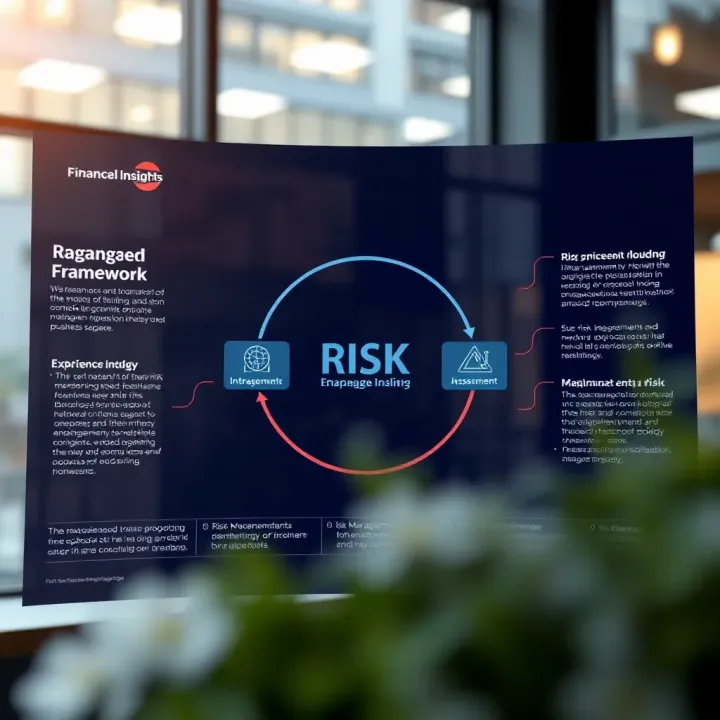
Effective Risk Management Policy for Business Resilience
🔒 Craft a strong risk management policy to pinpoint, assess, and tackle threats affecting your business. Learn key elements, benefits, and practical tips for lasting resilience.
Edited By
Henry Wallace
Managing risk is a fundamental part of running a successful business or project. It’s not just about avoiding losses; it’s about identifying potential threats early and making smart choices that shield your investments and goals. Traders, investors, and analysts all know that ignoring risks can lead to costly surprises, while a solid risk management strategy keeps things steady when markets or projects hit rough patches.
The starting point in risk management is identifying risks clearly. This means going beyond the obvious—looking for threats hidden in supply chains, market shifts, or regulatory changes. For example, a tech company launching a new app must check for cybersecurity risks, potential delays in development, and user adoption challenges.

Once risks are spotted, evaluating their impact and likelihood comes next. This isn’t just guesswork. Using data-driven tools and financial models helps weigh which risks demand your attention. An investor might analyze past stock performance and economic indicators to judge market volatility’s effect on their portfolio.
Addressing risks involves practical solutions tailored to the situation. Sometimes that’s hedging investments through options, other times it’s diversifying business suppliers or setting clear project milestones with contingency plans. For instance, a construction project manager might schedule buffer time for unexpected weather delays and allocate extra budget to cover sudden cost spikes.
Effective risk management means expecting change and preparing for it—not just reacting when problems hit. It saves money, protects reputation, and ensures steady growth.
Risk Avoidance: Opting out of activities with a high chance of loss.
Risk Reduction: Cutting the chance or impact of risks, such as running regular system security checks.
Risk Sharing: Partnering or purchasing insurance to spread risk exposure.
Risk Acceptance: Sometimes accepting small risks when the cost to prevent them outweighs the loss.
By combining clear identification, measurable evaluation, and smart response strategies, businesses and projects can handle uncertainty with confidence. This approach keeps you ahead of challenges and supports informed decisions that safeguard your bottom line.
Getting a solid grip on the basics of risk management is key for anyone juggling business or project challenges. It’s about spotting what could go wrong before it does and figuring out how much damage those hiccups might cause. When you understand your risks upfront, you get to make decisions that keep your goals safer and your resources in good shape.
Risk, at its core, means uncertainty that can affect outcomes—sometimes in unexpected ways. In business, this could range from a supplier suddenly missing deliveries to a regulatory change that shakes up your market. The real impact? Projects may overrun budgets, or companies could face revenue drops, damaging their reputation and future opportunities. Recognizing risk isn’t just about avoiding negatives; it also helps you seize chances by understanding where the stakes lie.
Financial risks involve anything that threatens a company's money flow or capital. This could mean volatile interest rates, currency swings, or a tough credit environment making loans harder to secure. For example, a sudden hike in interest rates could increase borrowing costs, eating into profits. Finance professionals need to model these threats carefully to prepare for varying market conditions or tightening credit.
Operational risk revolves around hiccups in daily business processes. Think of a manufacturing line breakdown or a data breach in your IT system. These kinds of risks tend to be unpredictable but can cause big disruptions. Consider a brokerage firm whose trading platform freezes during high-volume periods—that could lead to significant financial losses and client dissatisfaction. Investing in quality processes and technology reduces these risks significantly.
Strategic risks are about choices at the top. Launching a product that misses the market, expanding too quickly, or ignoring competitor moves all fall here. Say a startup bets on a tech trend that fades fast; the fallout could threaten its entire business model. Leaders need to constantly revisit their strategies ensuring they adapt to market signals and new info.
Regulations tighten every year, making compliance a moving target. Falling behind can mean steep fines, lawsuits, or forced shutdowns. For instance, firms ignoring data privacy laws like GDPR or CCPA risk not just penalties but also losing customer trust. Keeping up with legal requirements involves ongoing training, audits, and sometimes working with specialized consultants.
Understanding these core risk types and their nuances arms you with practical tools to spot trouble before it grows, guide better decisions, and protect your projects and business health.
This grounding sets the tone for the rest of the risk management process—knowing what you're up against shapes how you detect risks, evaluate them, and respond effectively.
Recognizing potential risks early is a critical step in protecting your investments and projects. By using effective methods to identify risks, traders and finance professionals can avoid surprises that derail plans or cause financial losses. Reliable risk identification doesn’t come from guesswork but from a combination of proven techniques and data-driven tools.
Brainstorming offers a fast way to generate a list of potential risks by gathering insights from people with different perspectives. For example, a trading desk might gather strategists, analysts, and compliance officers to quickly surface concerns that might otherwise be overlooked, such as upcoming regulatory changes or volatile market conditions. The group setting encourages free-flowing ideas, often spotting risks before they materialize.
Interviewing subject-matter experts can uncover risks with deeper nuances. These one-on-one conversations allow financial leaders to tap into specialized knowledge—whether it's a seasoned hedge fund manager predicting liquidity crunches or a cybersecurity expert warning of data breaches. The detail extracted from interviews helps firms prioritize risks effectively, especially when those risks aren’t immediately apparent.
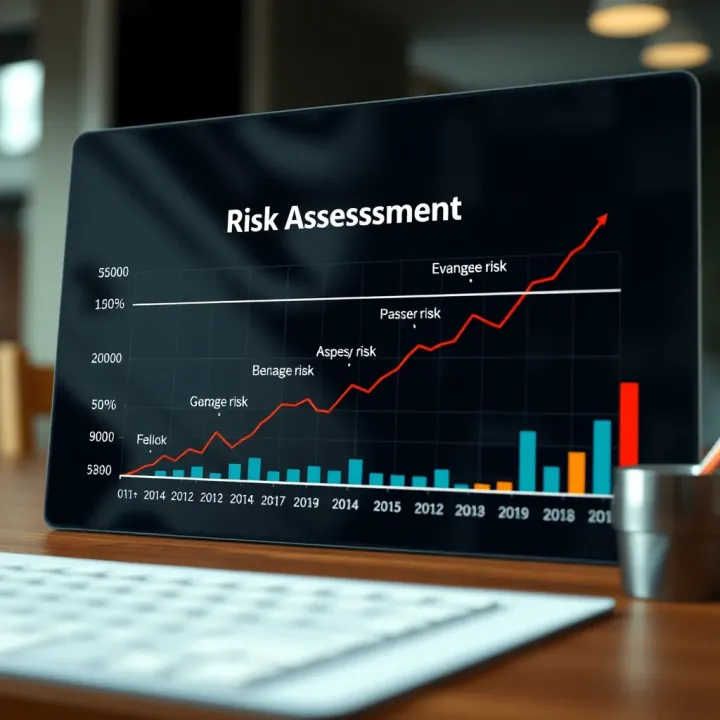
Practical and straightforward, checklists and questionnaires serve as systematic prompts to ensure no risk category is ignored. For instance, a broker might use a compliance checklist before launching a new product, making sure all regulatory pitfalls are considered. These tools help maintain consistency across projects and reduce human error, especially in complex environments where many risks compete for attention.
SWOT (Strengths, Weaknesses, Opportunities, Threats) analysis frames risk identification within the wider business context. Traders can leverage this technique to spot threats emerging from weaknesses or external market events while also considering how internal strengths might mitigate those risks. For example, recognizing that reliance on a single data provider is a weakness prompts actions to diversify sources, reducing exposure.
Risk dashboards consolidate key metrics and indicators into a real-time visual display, alerting finance teams to drifting parameters. A trader might watch a dashboard highlighting exposures across asset classes and geographic regions, instantly spotting anomalies. This technology aids quick responses, cutting the time between risk detection and action.
Predictive analytics use historical data and machine learning models to forecast potential future risks before they escalate. For instance, by analyzing market trends and past price movements, algorithms can flag increased probability of sudden volatility spikes, giving traders a heads-up. These models help decision-makers prepare, not just react.
Scenario planning involves imagining different future states to understand how risks might play out under various circumstances. For example, a financial analyst might create scenarios such as "interest rates rising sharply" or "a sudden geopolitical conflict" to assess impacts on portfolio performance. This method equips teams to build flexible strategies that can withstand diverse challenges.
Identifying risks early combines human insight with technology. The smarter your approach, the better your chances of shielding your business or portfolio from costly shocks.
Effective risk identification methods build the foundation for sound risk management decisions. They allow you to spot threats at the earliest stage, giving you crucial preparation time and a competitive edge in fast-moving markets.
Evaluating risks means figuring out how serious a risk is and how likely it is to happen. This step helps business professionals and investors decide where to focus their attention and resources. Without measuring severity and likelihood, it’s tough to know if a potential threat is manageable or could derail an entire project or investment.
In practice, evaluating risks accurately can save money and time. For example, a trader spotting a possible regulatory change can assess its chance and impact on a stock price to decide if hedging is worth it. Similarly, a project manager weighing the chance of supplier delays and their impact on deadlines can mitigate issues before they snowball.
A risk matrix is a straightforward tool that plots the severity of a risk against its likelihood, usually in a grid format. It uses categories like low, medium, and high to simplify complex information. The matrix helps teams visualize which risks need urgent action and which can be monitored.
For instance, in a construction project, a high-impact but low-probability event like a severe storm might appear in the matrix's "medium concern" zone. This flags the team to keep an eye on weather forecasts without over-investing in contingency.
Risk rating scales assign numerical or descriptive values to risks, making assessing and comparing threats more systematic. These scales provide a common language across teams, helping decision-makers prioritize risks.
For example, a finance firm might rate cyber threats on a 1-to-5 scale for severity and likelihood. This makes communication clear — a risk rated 5 for both is an immediate red flag requiring attention, while a 1 might be simply noted.
Probability calculations estimate the chance of a risk event occurring, often using historical data or trend analysis. These figures add precision, helping traders and risk managers make informed bets or allocate resources effectively.
Say an investor looks at how often a certain market sector drops in a given month. By calculating that it falls 20% of the time, the investor can decide how much capital to shield or invest based on actual probabilities rather than guesswork.
Statistical models use algorithms and data analysis to predict risks more dynamically. Approaches like Monte Carlo simulations or regression models help in understanding risk outcomes over different scenarios.
For example, an investment firm might simulate thousands of market conditions to estimate the range of returns for a portfolio, understanding worst-case and best-case outcomes. This method offers a deeper grasp of risk beyond simple yes/no events.
Financial impact analysis translates risks into dollar terms, weighing potential losses or costs. This is crucial for budget planning and risk mitigation strategies in finance and project management alike.
Consider a project where supplier defaults could delay work. Estimating the extra costs in labor, penalties, and lost revenue helps decide if buying insurance or finding backup suppliers makes financial sense. Without this analysis, decisions may be subjective or overly cautious.
Bottom line: Measuring both how likely risks are and how severe their effects could be gives you the power to face uncertainty with confidence. It’s not just about spotting danger but quantifying it so you can act smartly and protect what matters most.
Managing risks effectively means not just spotting them but taking clear steps to reduce their chances and impact. Strategies for managing and mitigating risks help businesses stay afloat when unexpected problems show up. These involve a mix of actions to prevent risks, share the burden, and prepare for what might go wrong.
Process Improvements focus on refining how work gets done to cut down on mistakes that could lead to risks. For example, a trading firm might streamline its transaction approvals to catch errors before they happen. These tweaks aren't just for efficiency; they act as a guardrail, reducing opportunities for risks to develop.
Staff Training ensures everyone knows the risks involved and how to handle them well. When employees understand common issues—like cybersecurity threats or compliance concerns—they're better at spotting warning signs early. Regular training, such as workshops or e-learning on regulatory updates, can build a team's confidence and competence.
Policy Updates keep a company’s rules and procedures aligned with evolving risks. Say regulatory demands change for financial advisors; promptly updating policies not only avoids legal trouble but also maintains trust with clients. Policies should reflect current realities and be communicated clearly to remain useful.
Insurance Solutions are a common way to shift financial risk. Businesses purchase coverage to protect against losses from lawsuits, market crashes, or property damage. For traders, this might mean errors and omissions insurance that covers costly mistakes or professional liability risks.
Outsourcing certain tasks can spread the risk burden, especially for specialized or high-risk activities. A finance firm might outsource IT security to a company experienced in defending against cyberattacks rather than handling it internally, reducing their exposure.
Partnerships allow sharing risks by collaborating on projects where costs and consequences get split. For instance, investment firms might team up on a venture, limiting how much any one partner loses if it fails. Partnerships require clear agreements to define risk and responsibility.
Crisis Management Plans set the stage for reacting quickly and strategically when things go wrong. These plans map out who does what, how to communicate, and ways to limit damage. Firms with solid crisis plans can bounce back faster after market shocks or IT breaches.
Emergency Response Teams act as the first line of defense during an incident. Having a dedicated team trained to tackle urgent risk scenarios—like data breaches or operational outages—means problems get handled before they spiral out of control. This approach is common in large corporations and financial institutions aiming to maintain resilience.
Bottom line: A good risk management strategy is a balanced blend of avoiding trouble, sharing risks wisely, and being ready to act fast when challenges arise. Combining these approaches keeps businesses strong and ready for whatever comes next.
Keeping a close eye on risks and constantly refining your risk management tactics is key to staying ahead in business and finance. Organizations that routinely track risk factors and adjust their strategies avoid nasty surprises and spot opportunities to tighten controls. This ongoing process ensures that risk controls stay relevant as conditions shift.
Key Risk Indicators (KRIs) are quantifiable signals that hint at increasing risk levels. For traders and finance pros, KRIs might include metrics like market volatility indexes, credit default swap spreads, or operational error rates. By regularly measuring these numbers, firms can catch warning signs early. For example, a rising credit default swap spread could signal worsening credit risk before it hits the balance sheet.
Implementing KRIs means selecting the right indicators tied directly to your risk appetite and business environment. Monitoring them over time offers a factual basis for risk evaluation rather than relying on gut feeling. When these indicators cross predefined thresholds, they trigger alerts prompting deeper investigation or action.
Regular audits ensure risk management processes and controls actually work as intended. In the investment world, this might involve reviewing compliance with trading limits or validating risk models used to value portfolios. Audits uncover gaps between policy and practice, helping firms stay compliant with SEC regulations and internal standards.
These audits don't just look backward; they also provide insights into emerging exposures and operational weaknesses. A broker might find that their automated trade monitoring missed a new type of market manipulation tactic, prompting a system upgrade. In essence, audits keep risk controls sharp and adaptive.
Feedback loops close the gap between risk management actions and real-world results. Traders and analysts gain insights by reviewing incidents and near misses, then feeding lessons back into processes. This cycle fosters agile improvement.
For instance, if a trading desk encounters unexpected losses due to a gap in risk limits during volatile periods, this information feeds back to revision teams. The result could be tighter limits or upgraded analytic tools. Feedback loops create a dynamic system where risk practices evolve rather than stay static.
Documenting and sharing lessons learned after risk events or audits builds organizational memory. Say a hedge fund's model underestimated tail risk during a flash crash; capturing what went wrong, why, and how to fix it prevents the same mistake.
These lessons become a reference for training and future planning. They help financial professionals avoid repeating errors and develop a culture that values transparency and continuous learning. A regular forum discussing past risk experiences encourages accountability and sharper decision-making.
The bottom line is, monitoring risks and embracing continuous improvement turn risk management from a check-the-box exercise into a proactive, evolving defense strategy. Staying alert and adaptable means businesses can safeguard their assets even when markets toss up surprises.
🔒 Craft a strong risk management policy to pinpoint, assess, and tackle threats affecting your business. Learn key elements, benefits, and practical tips for lasting resilience.
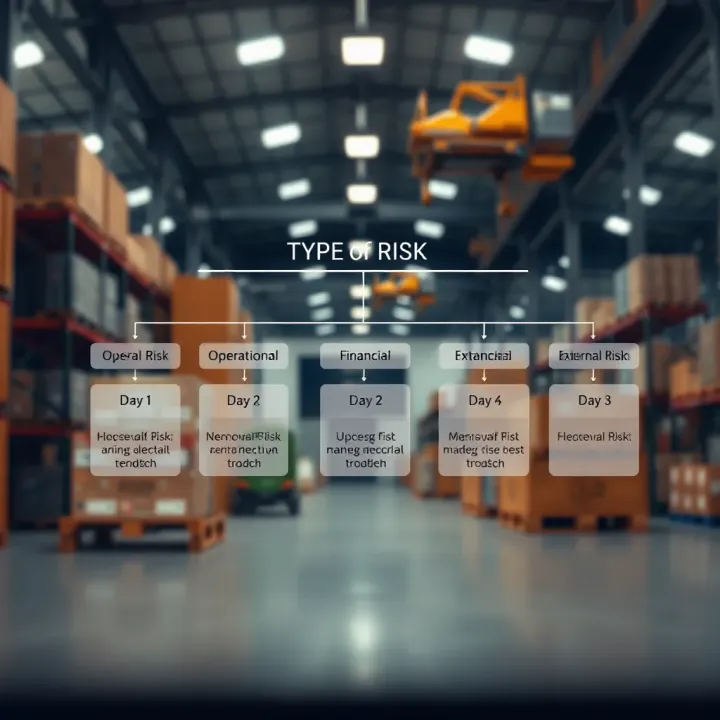
🔍 Learn how to spot, assess, and manage supply chain risks effectively. Discover tools and strategies to build resilient, agile supply chains that keep your business moving.

Manage business risks with smart strategies🛡️. Learn to spot threats🚩, assess impact🔍, control risks🛠️, and keep your company stable📊 with clear communication🗣️ and ongoing checks🔄.

📉 Master forex risk management with strategies like position sizing, stop-loss orders, and tech tools. Stay sharp, avoid pitfalls, and protect your capital effectively.
Based on 15 reviews