
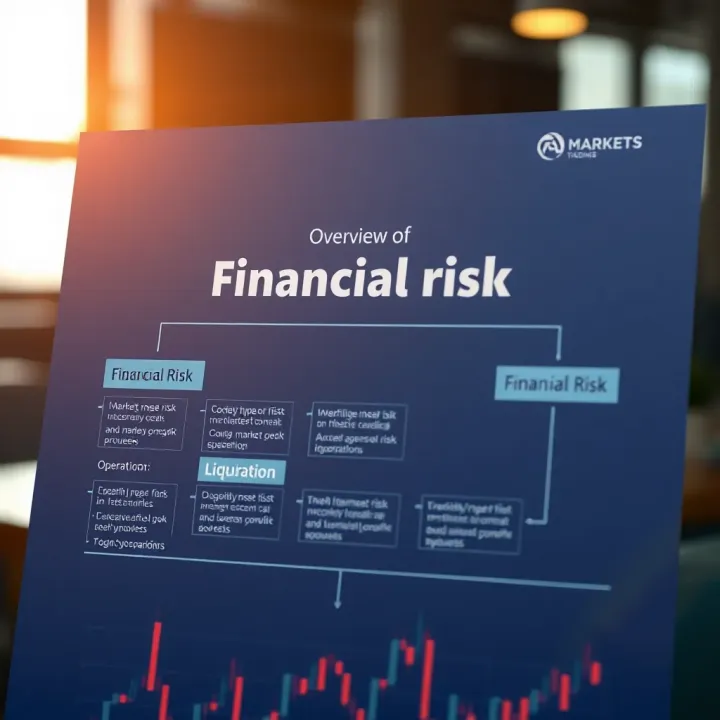
Effective Financial Risk Management Practices
Learn practical financial risk management tools and strategies 📊 to identify, assess, and reduce risks, helping Kenyan businesses and investors safeguard assets. 💼
Edited By
Isabelle Turner
Risk management is an everyday part of business, finance, and even personal decisions. For those working as traders, analysts, brokers, or investors in Kenya, understanding each step in this process helps avoid nasty surprises and protect your capital.
The risk management process involves a clear sequence of actions that identify, evaluate, and handle risks effectively. Skipping any step can lead to poor decisions that affect portfolios or business operations.
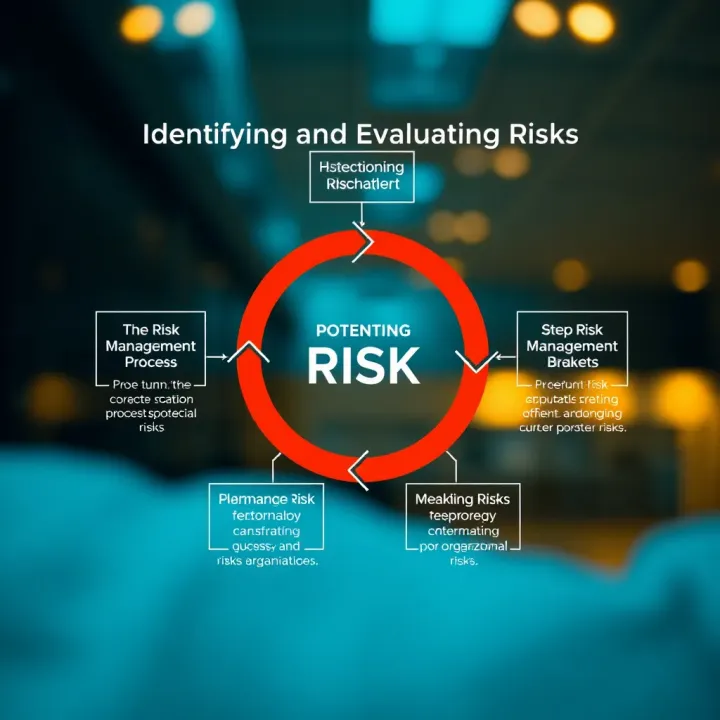
Typically, the process starts with risk identification. This means spotting all the potential threats that could disrupt your plans. For example, a trader might flag currency fluctuations or regulatory changes by CBK as risks. Knowing these early helps prepare responses rather than reacting when damage has set in.
Once risks are on the table, the next step is risk assessment. Here, each risk is analysed for its likelihood and impact. A broker assessing stock market volatility will weigh the probability of price swings against how much loss they might suffer. This step is crucial to prioritise risks, focusing attention where it matters most.
After assessing, you plan your risk response. This may include accepting, reducing, transferring, or avoiding risks. For instance, an investment firm might use derivatives to hedge against price drops or buy insurance to cover operational risks.
No plan stands firm without ongoing monitoring and review. Markets shift quickly, so continuous tracking ensures that risk controls remain effective and that new risks don’t catch you off guard. Kenyan firms often set up dashboards to watch key indicators alongside regular meetings to review risk status.
Lastly, communication must be clear and ongoing. Sharing risk information with stakeholders like clients, regulators, or team members builds trust and ensures everyone is aligned on potential challenges.
Effective risk management is not just about avoiding loss but about making informed choices that balance reward and uncertainty.
By working through these steps systematically, you can protect resources, react dynamically to changes, and build resilience against Kenya’s often volatile financial environment.
Recognising potential risks is the first step in effective risk management. For traders, investors, brokers, and finance professionals in Kenya, spotting risks early helps prevent losses and safeguard investments. Identifying risks early means you can plan ahead and avoid surprises that could affect business continuity or financial health.
Early risk recognition allows quick action, reducing the chance of damage and preserving resources.
Brainstorming sessions with teams are a practical way to gather diverse perspectives on possible threats. When colleagues from various departments come together, they bring different experiences and knowledge, which often leads to uncovering risks that a single person might miss. For example, a finance team might highlight currency risks while operations staff notice supply chain vulnerabilities. Encouraging open discussion builds a risk-aware culture and fosters collective responsibility.
Reviewing past incidents and lessons helps organisations learn from history instead of repeating mistakes. By analysing previous losses, delays, or compliance failures, teams can spot patterns or emerging problems. In Kenya’s business environment, shaky supplier relationships or matatu transport delays might recur if not addressed. Documenting these lessons creates a reference point and improves the accuracy of future risk assessments.
Consulting with experts and stakeholders offers specialised insight and broader views of the risk landscape. External advisors or regulators might highlight risks overlooked internally. For example, when entering a new market, getting advice from industry professionals or county officials helps understand regulatory hurdles or local economic factors. Engaging customers and suppliers also uncovers operational or reputational risks tied to them.
Operational risks in daily business relate to unexpected disruptions that affect everyday activities. Examples include power outages in Nairobi, unreliable internet connections, or delays in receiving key supplies from shambas outside the city. These operational hiccups can affect trading timelines or client deliveries, impacting revenue. Recognising such risks centres on staying alert and having backup plans.
Financial risks like currency fluctuations are significant, especially for businesses dealing in imports or exports. The Kenyan shilling’s value can shift due to international market changes or monetary policy decisions by the Central Bank of Kenya. Such fluctuations influence costs, profit margins, and investment returns. Professionals must watch forex trends and consider hedging or pricing adjustments to manage this risk.
Regulatory and compliance risks emerge from evolving laws and policies in Kenya affecting taxation, environmental standards, or financial reporting. Non-compliance can lead to fines, legal action, or licence revocation. For example, a new KRA tax regulation might affect how income is declared or how VAT is handled. Staying updated on policies and involving compliance officers reduces such risks.
Recognising these risks early, by using clear methods and understanding local factors, builds a strong foundation for managing uncertainty effectively in Kenya’s dynamic financial and business environment.

Assessing and evaluating risks is a critical step in managing uncertainties effectively. It helps traders, investors, and finance professionals understand which risks can impact their operations the most and how likely these risks are to happen. This process informs decision-making and resource allocation, ensuring efforts focus on what truly matters. For instance, a stockbroker analysing currency fluctuations needs to evaluate both the chance of a sudden devaluation and its potential effect on portfolios.
Using risk matrix tools simplifies the process of gauging risks. A risk matrix plots the likelihood of an event against its potential impact, creating clear categories like low, medium, or high risk. For example, a forex trader might rank political instability as high impact but medium likelihood. This visual aid helps in quickly pinpointing which risks demand urgent attention.
Ranking risks by severity builds on the matrix by ordering risks based on their combined likelihood and impact scores. This ranking enables firms to treat the highest threats first. A Nairobi-based investment firm, for instance, may find that regulatory changes top the list, prompting early strategy shifts to avoid penalties or losses.
Quantitative versus qualitative assessments serve different purposes. Quantitative assessments use numerical data – like how often a system fails or the financial loss expected – making it easier to compare risks objectively. In contrast, qualitative assessment involves expert judgment and opinions, gathering insights on risks that data might not fully capture, such as changes in consumer confidence due to market buzz. Both approaches together provide a fuller picture.
Focusing on risks that threaten business continuity means identifying those risks that, if materialised, can disrupt operations entirely. For example, a mobile money platform like M-Pesa cannot afford system downtime, so IT security risks get top priority. By zeroing in on these critical risks, organisations keep their core services running smoothly.
Considering resource availability for mitigation is practical since not all risks can be tackled simultaneously. A small investment firm might have limited capital to invest in cybersecurity but can allocate resources efficiently by prioritising the highest ranked risks. This ensures risk management is feasible and sustainable over time.
Involving decision-makers in prioritisation ensures alignment with overall business goals. When a firm’s board understands the risk rankings, their support to fund mitigation strategies and make key decisions becomes smoother. In Kenyan enterprises, engaging with senior managers also helps incorporate local insights, such as changes in tax laws or informal market trends.
Effective risk assessment and prioritisation are the backbone of proactive financial management, especially in Kenya's dynamic business environment.
Through thoughtful measuring, ranking, and focusing on priority risks, traders and finance professionals can better protect assets and seize opportunities confidently.
Planning how to manage risks is a crucial step that turns identification and assessment efforts into concrete actions. It helps firms, investors, and traders focus resources where they matter most, improving resilience and safeguarding investments. In the Kenyan market, where economic conditions and regulations can shift swiftly, having a detailed plan for risk management ensures that organisations stay ahead of threats without scrambling to react.
Avoiding risks where possible means steering clear of activities or decisions that expose a firm to serious threats. For instance, a business might avoid sourcing materials from a volatile region prone to strikes or delays. This approach is practical when the risk outweighs the potential benefits or when safer alternatives exist. Avoidance keeps costs and losses low, but it’s not always an option if the risk is unavoidable for business operations.
Reducing risk impact through controls focuses on cutting down the chance or severity of risk through preventive measures. A trader at the Nairobi Securities Exchange might limit exposure by diversifying a portfolio, balancing between safer stocks and more volatile ones. Businesses can implement stricter quality controls or improve security protocols. By applying such controls, risks become manageable, though not completely eliminated.
Transferring risk with insurance shifts some or all of the financial consequences to a third party, usually an insurer. Kenyan firms often purchase insurance for assets, business interruptions, or liability. For example, transport companies might insure their fleet against accidents or theft. While this involves a regular premium cost, it brings confidence that losses will be compensated up to agreed limits, easing financial burdens.
Accepting risk when unavoidable recognizes that some risks can’t be avoided, reduced, or transferred economically. A small-scale investor in a volatile market may accept certain swings as part of doing business. This choice suits low-impact risks or when mitigation costs exceed potential losses. However, acceptance should come with monitoring plans ready to act if the situation worsens.
Setting measurable goals and timelines is essential for tracking progress and effectiveness. A firm might set a target to reduce operational downtime by 20% within six months by implementing backup systems. Such clear targets help focus efforts and evaluate whether risk management steps are working as planned.
Allocating budgets and responsibilities ensures that risk management doesn’t remain a theoretical exercise. Assigning specific staff to manage risks and providing funds for necessary tools or training makes strategies practical. For example, a bank may assign its compliance team to oversee regulatory risks, supported by a set annual budget.
Incorporating local regulations and standards is a key consideration in Kenya, where rules differ between sectors and counties. Aligning mitigation measures with requirements from bodies like the Capital Markets Authority (CMA) or the Kenya Revenue Authority (KRA) avoids legal pitfalls. For instance, ensuring that a risk plan respects data protection laws not only meets compliance but also builds trust with customers.
Effective risk management planning equips you to face uncertainties with confidence, balancing prevention, control, and readiness. The planning phase turns those risks identified on paper into clear, daily operating decisions that protect your assets and reputation.
Monitoring and reviewing risk management efforts ensure that identified risks are kept in check and mitigation strategies remain effective. This ongoing process helps traders, investors, and finance professionals adapt to changing market conditions and internal business environments. Without proper monitoring, a well-planned risk strategy can quickly become outdated, exposing organisations to unnecessary losses or missed opportunities.
Regular risk audits and inspections act as early warning systems by systematically checking if controls and measures are working as intended. For example, a stockbroker may perform monthly reviews of client portfolios to detect unusual volatility or shifts in asset allocation. This proactive approach helps spot emerging issues before they escalate, such as exposure to a high-risk sector or sudden liquidity challenges.
Using dashboards and reporting tools simplifies the monitoring process by consolidating key risk data in one view. Finance professionals can use software platforms to track indicators like credit exposure, market trends, or compliance status. These tools provide real-time updates that speed decision-making. For instance, an investment firm might use a dashboard showing daily changes in foreign exchange rates alongside local economic reports, enabling quick adjustments to positions.
Adjusting plans based on new information is vital when risk contexts shift unexpectedly. An investor might revise their portfolio after a sudden change in government policy affecting the Nairobi Securities Exchange (NSE). Similarly, companies must be ready to tweak operational controls if audits reveal gaps or if new regulations come into force. Staying flexible helps minimise losses and take advantage of fresh opportunities.
Analysing success and failures means reviewing which risk responses worked and which did not. A forex trader might assess why a hedging strategy failed during periods of high shilling volatility, identifying miscalculations or external shocks. This analysis uncovers patterns and highlights areas for improvement, helping avoid repeated mistakes.
Documenting lessons for the future creates a knowledge base that strengthens risk management maturity. Businesses can keep records of incident reports, audit findings, and corrective actions. For example, a broker might document how timely communication helped reduce panic selling during a market dip. Such documentation supports training of new staff and refines existing procedures.
Sharing insights with stakeholders fosters transparency and collective responsibility. Regular feedback to investors, compliance teams, or county regulators builds trust and encourages collaboration. A fund manager reporting openly on risk exposures and management results demonstrates accountability, which can enhance client confidence and regulatory compliance.
Consistent monitoring and learning turn risk management from a static plan into a dynamic discipline, essential for navigating Kenya's fast-changing economic environment effectively.
Clear communication and inclusion of all stakeholders are vital to successful risk management. When traders, investors, brokers, and analysts in Kenya's dynamic market share timely and understandable risk information, they create a shared awareness that supports better decision-making and quicker responses to emerging threats.
Choosing the right channels for different audiences
Different groups require distinct communication methods. For example, high-level investors might prefer formal reports via email or secure portals, while field teams could benefit from WhatsApp groups or SMS alerts for quick updates. Selecting the right channel ensures messages reach recipients promptly and in a format they can easily act upon.
Providing regular updates during the risk process
Sharing frequent updates keeps everyone on the same page and allows adjustments as circumstances change. For instance, a commodities trader tracking currency fluctuations should receive daily briefings when volatility spikes. Regular communication reduces uncertainties and prevents surprises that could derail risk strategies.
Keeping communication simple and actionable
Avoiding jargon and long-winded explanations helps stakeholders understand risks and their roles more clearly. Risk messages should focus on what actions to take next. In a Nairobi-based investment firm, a concise alert like "Potential regulatory changes expected next month; review affected portfolios by Friday" offers clear direction without overwhelming readers.
Encouraging active participation in risk activities
Involving team members in risk identification and mitigation fosters ownership and harnesses diverse insights. A brokerage firm could run monthly risk workshops where traders and analysts discuss emerging threats and share best practices. Active involvement improves the quality of risk responses and builds a proactive culture.
Building a risk-aware culture at all levels
Creating an environment where everyone understands risk encourages vigilance and continuous improvement. Kenyan firms that integrate risk discussions into daily briefings, from sales staff to senior management, embed awareness into everyday work. This culture often leads to early detection of issues before they escalate.
Involving community leaders and partners
For organisations working beyond offices, engaging local leaders builds trust and access to valuable information. For example, an agribusiness facing supply risks due to weather patterns can partner with shamba chairpersons to monitor local conditions. Community input enriches risk data and enhances practical responses.
Effective risk communication and inclusive involvement transform isolated efforts into a collective shield against uncertainties. Kenyan traders and investors who embrace these principles position themselves better to protect assets and seize opportunities even amidst volatility.
Learn practical financial risk management tools and strategies 📊 to identify, assess, and reduce risks, helping Kenyan businesses and investors safeguard assets. 💼
🔍 Understand risk management: key elements, practical methods, and challenges. Learn how to identify, assess, and control risks across industries effectively.
Understand risk management in Kenya 🌍 Learn key strategies, challenges, and tools to make informed decisions in business and everyday life effectively.

📊 Discover key strategies in compliance and risk management tailored for Kenya. Navigate regulations, assess risks, and build trusted systems for your business.
Based on 9 reviews