
Understanding Risk Management and Its Importance
🔍 Understand risk management: key elements, practical methods, and challenges. Learn how to identify, assess, and control risks across industries effectively.
Edited By
Sophie Carter
Risk is simply the chance of losing something valuable or facing harm. In finance and business, this usually means the possibility that investments or operations might not turn out as expected, leading to financial loss or other setbacks.
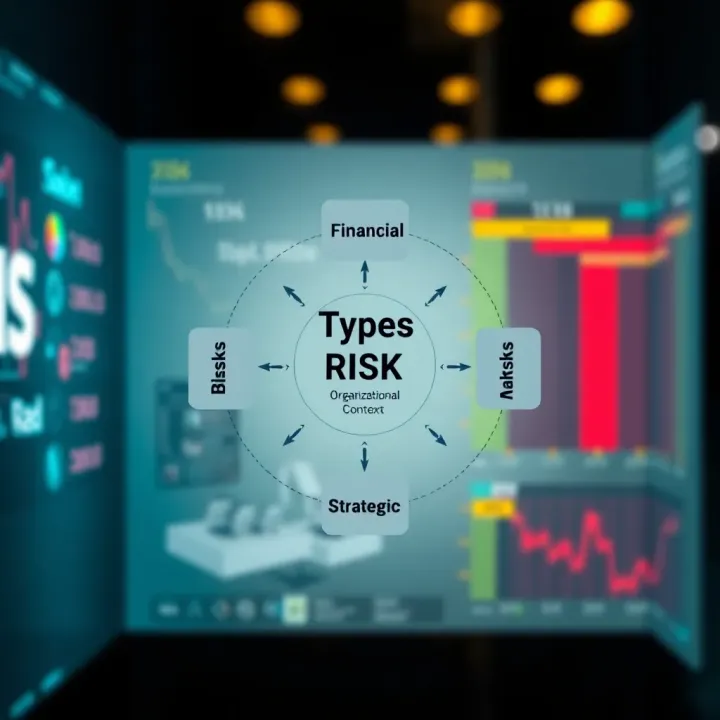
Organisations in Kenya and beyond deal with various types of risk daily. These include market risk, where the value of investments can fall because of things like political changes or shifts in consumer demand; credit risk, which involves the danger that a borrower might fail to repay a loan; and operational risk, arising from breakdowns in processes or systems.
Understanding risk is not just about avoiding losses but knowing how to manage and balance potential downsides against expected gains.
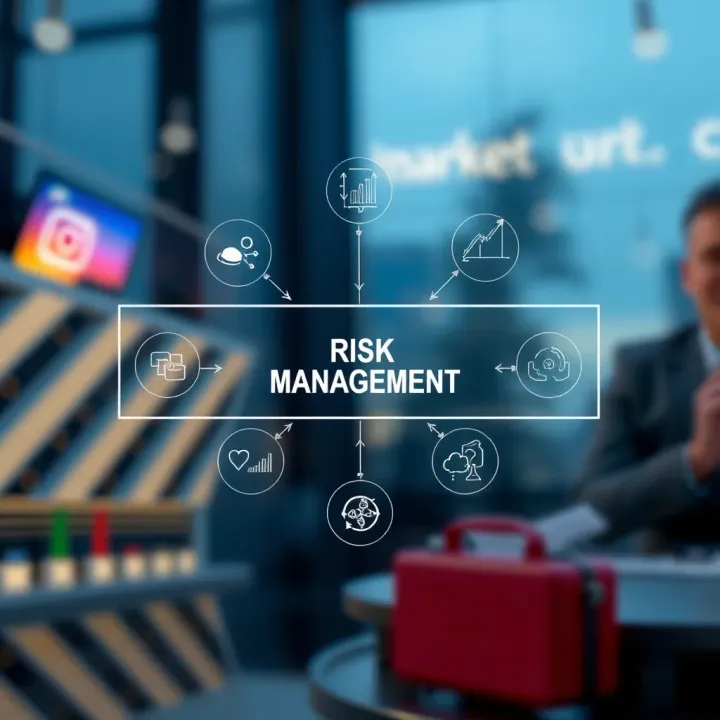
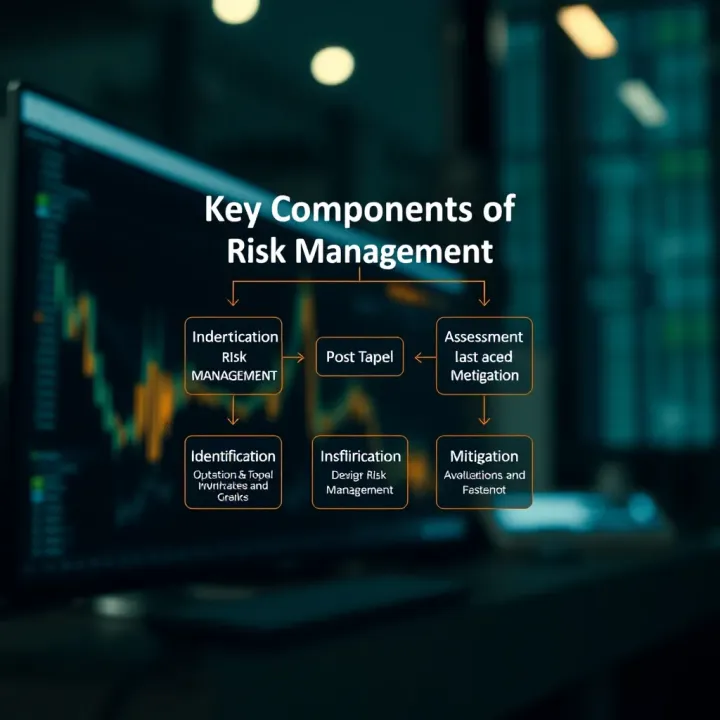
Risk management involves identifying potential risks, assessing their likelihood and impact, and then deciding how to handle them. Kenyan businesses, for instance, often use tools like risk registers to track issues, while investors might analyse risk with historical data and market trends before placing money.
Here are some practical ways Kenyan organisations approach risk:
Risk Identification: Spotting hazards such as fluctuations in foreign exchange rates affecting import costs or security concerns disrupting supply chains.
Risk Assessment: Measuring how likely these risks are to happen and their potential costs, for example, how a drought might reduce agricultural output.
Risk Mitigation: Actions like diversifying investments or insurance to protect against loss.
For finance professionals and traders, recognising types of risk helps in crafting portfolios that can withstand shocks and generate consistent returns even in uncertain times. Public sector bodies in Kenya also assess risk to ensure services like healthcare or education remain stable despite challenges like funding shortfalls or natural disasters.
Recognising and actively managing risk ensures better decision-making. It protects assets and supports sustainable growth whether in Nairobi's bustling business scene or local shambas across the country. In short, risk isn't just a threat — it's an inherent part of any venture that demands respect and smart handling.
Understanding what risk means in the field of risk management is key to making smart decisions that protect businesses. It's not just about guessing what might go wrong but recognising uncertainty and its potential negative outcomes. This helps firms avoid losses, safeguard assets, and stay competitive. Especially in Kenya’s dynamic economy, knowing how to identify and describe risks clearly sets the foundation for good management.
Uncertainty and potential negative outcomes lie at the heart of risk. A business might face uncertain events like fluctuating currency rates or unexpected regulatory changes. The key is that these uncertainties can cause harm — say, reduced profits or operational disruptions. For example, a Kenyan exporter worried about the shilling’s drop against the dollar is facing risk because this uncertainty could negatively impact their earnings when converting profits back to local currency.
There's a practical side: recognising these uncertainties allows businesses to prepare strategies to lessen or handle the fallout. It’s not always about avoiding risk completely but about managing it wisely.
Difference between risk and chance is subtle yet important. Chance simply means the likelihood of an event happening, without focusing on the consequences. Risk adds the dimension of possible harm tied to that chance. For example, a matatu operator might face the chance of traffic jams any day. But the risk comes in when those jams could cause delays that upset customers and affect earnings. Knowing this difference helps organisations focus on issues that truly matter.
Understanding this difference helps Kenyan businesses prioritise: not every chance needs action, but those chances that carry real negative consequences do.
Examples relevant to Kenyan businesses can be found everywhere. Take a small enterprise relying on Safaricom’s mobile money for payments. The chance that M-Pesa services might be down sometimes is just chance. But the risk comes if downtime leads to cash flow problems, affecting the business's ability to pay suppliers on time. Another example is weather-related risk for farmers dependent on seasonal rains. Uncertain rains don’t just create chance but real risk for crop failure and income loss.
These practical examples show how businesses of different sizes and sectors in Kenya need to identify risk properly to protect operations.
In finance and investments, risk often means the chance of losing money or returns below expectations. A Nairobi Securities Exchange (NSE) investor faces market risk if share prices suddenly drop. Knowing this risk helps the investor diversify portfolios or set stop-loss orders to reduce possible losses.
In health and safety, risk relates to dangers that can cause injury or illness. For example, a jua kali workshop managing risks around machinery ensures workers avoid accidents. Poor safety risk management doesn’t just hurt workers but can lead to costly legal cases and downtime, affecting business viability.
In project management, risk means anything that could delay, increase costs, or reduce quality of a project. A construction company working on a building in Nairobi must assess risks like supply delays or bad weather, which could push back completion dates. They mitigate these by contingency planning and regular progress checks.
Clear understanding of risk in these different contexts guides appropriate responses, whether financial safeguards, safety protocols, or project contingency plans. This understanding is fundamental for effective risk management in any Kenyan organisation.
Organisations face different types of risk that can disrupt their operations, finances, and reputation. Understanding these risks helps businesses prepare and respond effectively. This section looks at the main categories of risk organisations commonly manage and why recognising each type matters in day-to-day decision-making.
Risks from changes in the business environment come from factors beyond a company’s immediate control. For example, a Kenyan business might be affected by shifts in consumer preferences or new technologies. A shop selling DVD players now faces strategic risk because most customers stream movies online. These changes can reduce demand and force companies to rethink their business model.
Market competition and regulatory risks in Kenya also shape strategic risk. Increased competition from cheaper imports or new startups can shrink market share for established firms. At the same time, regulatory changes—like new taxes or licensing rules—can increase costs or limit operations. For instance, the Nairobi City County's enforcement of stricter waste management regulations affects how small manufacturers handle disposal, which may increase expenses unexpectedly.
Failures in daily processes and systems pose operational risks. These include breakdowns in equipment, IT failures, or human error. Even a minor glitch like an M-Pesa transaction system downtime can halt sales for many businesses, especially those that rely heavily on digital payments.
Examples from jua kali and service sectors showcase typical operational risks. A boda boda operator faces operational risks like a vehicle breakdown or fluctuating fuel prices that affect earnings. Similarly, a hair salon’s risk could include poor hygiene practices leading to customer complaints or closure by health inspectors. These risks can quickly impact cash flow and reputation.
Risks related to cash flow, credit, and investments are central to financial risk management. Businesses must ensure they have enough cash to pay suppliers and employees. A Kenyan SME struggling with delayed payments on Lipa Na M-Pesa may face day-to-day cash shortages. Moreover, extending credit to customers without assessment can lead to bad debts.
Currency fluctuations and inflation impact financial performance significantly. Since Kenya imports many raw materials, shifts in the US dollar or Euro exchange rates can increase costs suddenly. Inflation also erodes purchasing power, pushing Kenyan businesses to adjust prices, sometimes losing customers in the process.
Adhering to laws and regulations is critical to avoid fines or legal actions. Kenyan firms must comply with tax rules from Kenya Revenue Authority (KRA), employment laws under the Ministry of Labour, and sector-specific regulations like those from the Communications Authority for telecom companies.
Penalty risks in different Kenyan counties vary depending on local government rules. For example, operating without a valid Single Business Permit in Nairobi can lead to fines or closure. In contrast, counties like Mombasa might enforce strict building codes affecting real estate developers. Navigating these differences is essential to maintain smooth operations and avoid costly penalties.
Managing these types of risk helps organisations stay resilient and competitive. Knowing the specific risks and addressing them timely often separates successful businesses from those struggling to survive.
By identifying and focusing on each risk category, Kenyan businesses and organisations position themselves to make smarter choices, safeguard assets, and create opportunities despite uncertainties.
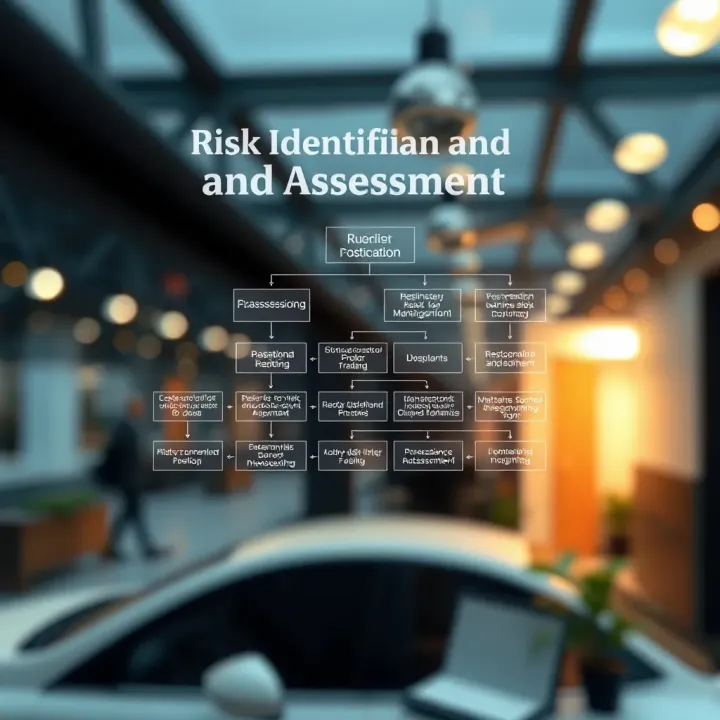
Identifying and assessing risk is the starting point for managing uncertainty effectively in any organisation. Without clearly spotting where risks lie and understanding their potential impact, resources often get wasted, or worse, organisations are caught unprepared when issues arise. In the Kenyan context, companies from small jua kali enterprises to large financial institutions must actively identify risks to protect their assets and maintain smooth operations.
Risk audits and checklists are among the most practical tools organisations use to spot risks early. These systematic reviews help businesses examine their processes, systems, and compliance standards thoroughly. For instance, a Nairobi-based manufacturing firm might use a checklist to confirm machinery safety standards, identifying wear that could lead to accidents or production delays. These audits pinpoint weak spots before matters escalate.
Employee feedback and frontline reports offer valuable insights often missed by top management. Staff directly involved in day-to-day operations experience challenges firsthand, making their input crucial. In a Kenyan supermarket chain, for example, cashiers and shelf-stackers could report risks related to stock shortages or theft, allowing the management to respond swiftly. Engaging employees also builds a culture where risk awareness becomes everyone's responsibility.
Using data and past experiences forms the backbone of risk identification for many businesses. Looking at historical records of incidents, financial reports, or market trends helps firms forecast potential problems. For example, a transport company in Mombasa might use past accident reports and weather patterns to predict and prepare for increased road risks during the long rains. This evidence-based approach sharpens focus and allocates attention to the most pressing dangers.
When assessing risks, companies often choose between qualitative and quantitative approaches. Qualitative methods rely on expert judgment, interviews, or observed patterns, suitable when numbers are scarce or analysis must be fast. For example, when launching a new service, a Nairobi tech startup might assess reputational risks based on staff insights rather than detailed data. Quantitative approaches, however, use numerical data and statistics to assign probabilities and financial impacts, like a bank calculating loan default risks based on credit scores.
Tools like risk matrices and scoring help organisations visualise and prioritise risks by plotting how likely a risk is against its potential damage. This makes it easier to compare diverse threats on one scale. A Kenyan agribusiness might score drought risk as high impact and moderate likelihood, pushing it to invest in irrigation technologies. The matrix guides leaders on where to channel efforts first.
In Kenyan SMEs, these methods must balance practicality and cost. Many small businesses rely on simple risk registers and informal discussions to gauge risks due to limited access to specialised tools or data. However, basic scoring systems and regular review meetings can still offer strong protection if consistently applied. SMEs involved in fast-moving sectors like retail or boda boda transport particularly benefit from quick risk assessments to adapt to daily challenges.
Effective risk identification and assessment are not just bureaucratic exercises; they sharpen decision-making, protect resources, and enhance organisational resilience in the face of Kenya’s dynamic business environment.
Clear definitions of risk form the backbone of effective risk management. They help organisations focus on actual threats rather than vague possibilities, making responses timely and targeted. When the meaning of risk is well-understood, business leaders can pinpoint what might derail their objectives, whether it’s currency fluctuations affecting import costs or delays in delivery by local suppliers.
Defining risk precisely allows decision-makers to rank risks by urgency and potential damage. For example, a trading firm dealing with perishable goods must prioritise risks like transport disruptions over minor currency shifts since spoiled stock hits profits harder. By ranking risks, management avoids spreading scarce attention too thin and focuses on areas that could break the business if ignored.
In Kenya’s volatile business environment, a clear risk definition helps firms distinguish between manageable operational hiccups and strategic threats like sudden regulatory changes or inflation surges. This clarity guides swift action, such as securing alternative suppliers or adjusting pricing strategies before a crisis escalates.
Clear risk definitions also inform how resources—time, money, and manpower—get allocated. For instance, a bank assessing credit risk will decide how much to invest in advanced credit scoring tools versus staff training based on precisely what credit risk entails. Misunderstanding risk could cause wastage, like sinking funds into complex systems that don’t address the most pressing vulnerabilities.
Kenyan SMEs often operate on tight budgets. Having clear risk definitions means they can channel limited funds to areas with the highest payoff, such as setting aside reserves against delayed payments instead of costly insurance products that might not match their risks.
Defining risk in clear, common terms builds a shared understanding across departments and stakeholders, smoothing collaboration. In a large company like a Nairobi-based exporter, the sales team, finance department, and warehouse staff must all recognise what constitutes significant risk—be it foreign exchange risk or supply chain bottlenecks—so they can coordinate their responses.
A unified language reduces misinterpretation. If the marketing team considers price volatility low risk while finance flags it high, conflicting priorities may arise. A clear risk definition creates a common ground for dialogue and joint problem-solving.
When everyone agrees on what risk means and which ones matter most, unexpected shocks and internal conflicts drop considerably. For example, if the risk definition includes probable causes and expected impact levels, teams are less likely to be blindsided by sudden issues or blame each other for overlooked dangers.
In Kenya’s fast-changing sectors like agriculture or tech, upfront clarity about risks helps prevent finger-pointing when challenges occur. Instead, teams focus on solutions, knowing they prepared for foreseeable problems according to agreed definitions.
Precise risk definitions align strategy, resources, and communication, enabling organisations to navigate uncertainties confidently and protect their interests effectively.
By using clear definitions of risk, firms can sharpen decision-making, manage resources wisely, and foster teamwork that withstands the unpredictable realities of Kenyan markets.
🔍 Understand risk management: key elements, practical methods, and challenges. Learn how to identify, assess, and control risks across industries effectively.
Understand risk management in Kenya 🌍 Learn key strategies, challenges, and tools to make informed decisions in business and everyday life effectively.
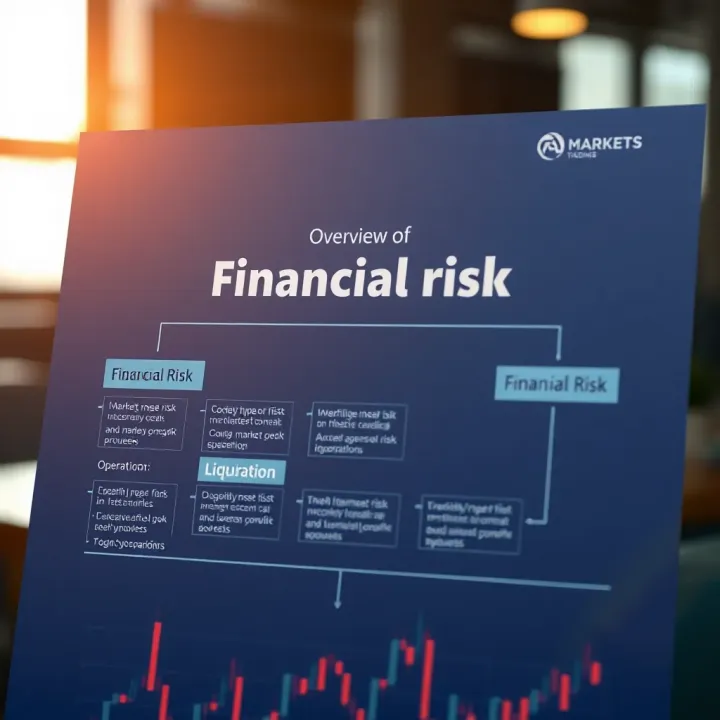
Learn practical financial risk management tools and strategies 📊 to identify, assess, and reduce risks, helping Kenyan businesses and investors safeguard assets. 💼

Learn how Kenyan businesses can manage compliance risks effectively to avoid penalties, safeguard reputation, and ensure smooth operations. ⚖️📊
Based on 9 reviews