
Understanding Risk Management and Its Importance
🔍 Understand risk management: key elements, practical methods, and challenges. Learn how to identify, assess, and control risks across industries effectively.
Edited By
Emily Foster
Risk management is about more than just ticking boxes or meeting regulatory demands. It's a practical process that safeguards a business from surprises that could impact its assets, reputation, or operations. For traders, investors, and finance professionals in Kenya, understanding why and how to manage risk can mean the difference between steady growth and sudden losses.
At its core, risk management aims to identify, assess, and control potential threats before they become costly problems. Kenyan enterprises, whether in the jua kali sector or the formal corporate world, face a wide range of risks – from fluctuating foreign exchange rates affecting importers and exporters, to political instability that impacts market confidence.

Effective risk management is about protecting what matters most to your business and making smarter choices with confidence.
Here are the key objectives every business should keep in mind when shaping its risk management strategy:
Protecting Assets: This includes tangible assets like buildings, equipment, and stock, but also intangible ones such as brand reputation and intellectual property. For example, a Nairobi-based retailer may face theft or damage risks; having proper controls and insurance can prevent financial ruin.
Ensuring Compliance: Kenya has growing regulatory requirements from bodies like the Capital Markets Authority (CMA) and the Central Bank of Kenya (CBK). Risk management helps businesses meet these rules and avoid penalties that could disrupt operations or investor trust.
Promoting Business Continuity: Unexpected events like power outages, cyber attacks, or supply chain disruptions can halt business activities. A sound risk management plan prepares organisations to respond quickly, reducing downtime and revenue loss.
Supporting Informed Decision-Making: Understanding risks tied to investment opportunities or market changes allows decision-makers to weigh options thoughtfully. Investors at the Nairobi Securities Exchange (NSE) benefit when they consider potential downsides alongside gains.
Risk management isn't a one-off exercise; it requires constant vigilance and adjustment as new risks emerge, especially in a dynamic economy like Kenya's. By focusing on these objectives, businesses build resilience that sustains them through challenges and opens the door to sustainable growth.
Managing risk matters because it shields businesses from threats that can wipe out hard-earned assets and damage their reputation. For example, a retail shop in Nairobi that fails to secure its inventory against theft could face significant losses, eroding profit margins and customer trust. In the Kenyan market, where competition is fierce and consumer loyalty can shift quickly, protecting brand reputation is as valuable as safeguarding physical assets.
Risk management helps protect both tangible and intangible assets. Tangible assets like stock, equipment, and cash are vulnerable to theft, fire, or spoilage, especially for SMEs operating with thin margins. Intangible assets include the company’s reputation and customer relationships, which can be harmed by poor service delivery or negative publicity. A practical example is a boda boda service in Nairobi that invests in safety training and equipment; this reduces accident risks and builds a reputation for reliability, attracting more customers. Conversely, ignoring such risks can cause loss of business and even legal action.
By identifying potential financial risks early, businesses can take steps to reduce losses and avoid operational hiccups. For instance, a farming enterprise in Kisumu that monitors weather patterns and invests in irrigation systems reduces crop failure risks caused by irregular rains. This proactive approach ensures steady production, maintaining cash flow and market presence. Likewise, an IT firm in Mombasa implementing data backups prevents loss of critical information if systems fail, helping the business to bounce back quickly.
Effective risk management turns uncertainty from a threat into a manageable challenge, enabling businesses to plan confidently and allocate resources where needed most.
Ultimately, risk management equips businesses to withstand shocks, remain competitive, and support sustainable growth in the Kenyan context, where economic and environmental challenges can quickly disrupt operations.
Compliance with laws and regulations is a key objective of risk management, especially for businesses operating in Kenya's complex legal environment. Following the right rules helps companies avoid costly penalties, maintain their licences, and operate smoothly. It is more than just ticking boxes; it protects a business’s reputation and keeps operations on the right side of the law.
Kenyan businesses must navigate regulations set by various authorities, including the Kenya Revenue Authority (KRA), the Capital Markets Authority (CMA), the Central Bank of Kenya (CBK), and local county governments. Each sector has specific rules—for instance, financial firms must comply strictly with CBK guidelines on anti-money laundering, while manufacturing companies adhere to the Kenya Bureau of Standards (KEBS) regulations. Regularly reviewing these rules ensures businesses remain compliant as laws evolve.
For example, a trader dealing with imports must understand Customs laws as well as VAT obligations under KRA. Ignorance of these can result in delays at ports and unexpected fines. A good practice is to assign compliance roles within the team or engage expert advisors who follow regulatory updates.
Non-compliance in Kenya can lead to severe consequences such as hefty fines, business licence suspension, or even criminal charges. For instance, failure to file tax returns on time results in penalties and interest payments that drain cash flow. Similarly, not adhering to labour laws can spark lawsuits and harm workplace morale.
Risk management frameworks help identify which regulations are relevant and monitor adherence, reducing the chance of breaches. Keeping good records, timely submissions, and transparent business practices go a long way in avoiding legal challenges. Filing annual returns through eCitizen and submitting tax documents via iTax portal on time are practical steps that reduce compliance risk.
Businesses that integrate compliance into their risk management not only avoid fines but also build trust with customers, suppliers, and regulators—strengthening long-term success.
Ultimately, understanding and acting on regulatory requirements is a must for Kenyan traders, investors, and finance professionals. It safeguards the business and creates a foundation for growth and stability in a competitive landscape.
Business continuity and resilience are vital for any enterprise aiming to survive and thrive amidst Kenya's dynamic economic and environmental challenges. When companies face unexpected situations, like political unrest, power outages, or even long rains disrupting supply chains, having a solid plan keeps operations running and minimizes losses.
Planning for unexpected events means anticipating possible disruptions and preparing a response before they hit. This could involve drawing up contingency plans for common risks such as currency fluctuations, supply delays, or cyber-attacks. For example, a Nairobi-based exporter might develop alternative routes for shipping goods if protests block key roads. Similarly, local financial firms often establish backup data systems in separate locations to protect against data loss due to power failures or flooding.
A comprehensive risk assessment helps identify the most likely and impactful threats. From there, businesses can prioritize resources to address critical vulnerabilities. Regularly updating these plans is crucial since Kenya's business environment evolves quickly, with new risks emerging, like shifts in regulatory policies or health crises.
Reducing the impact of disruptions involves more than just having a plan—it's about making operations flexible and responsive. For Kenyan firms, this might mean securing multi-source suppliers so that if one shamba (farm) is affected by drought, others can fill the gap. It also includes training staff on emergency procedures and maintaining clear communication channels during crises.
Technology offers practical tools here. Cloud services enable companies to store critical information remotely, allowing work to continue from any location if offices are closed. In the hospitality sector, hotels around coastal Kenya often have power backup systems to ensure guest comfort during outages. These measures don't just protect income but also uphold a company's reputation.
Supporting business continuity means businesses don’t just react when disaster strikes—they stay a step ahead, safeguarding livelihoods, customer trust, and overall stability.
In summary, focusing on business continuity and resilience equips Kenyan businesses to face shocks without grinding to a halt. By planning for the unexpected and minimising disruption effects, organisations protect their long-term growth and the welfare of their stakeholders. This proactive approach is essential for anyone involved in trading, investment, or financial analysis within Kenya's fast-moving markets.
Good decision-making depends strongly on understanding the risks involved. Businesses that practice solid risk awareness can see beyond obvious benefits to spot potential downsides and prepare accordingly. For Kenyan traders and investors, this means stepping into each choice with clearer eyes instead of guessing or relying purely on optimism.
Risk assessment is about identifying what could go wrong and putting numbers or practical impacts to those possibilities. When you assess risk properly, your choices become sharper. For example, a finance professional deciding whether to invest in a new Nairobi real estate project must weigh factors like fluctuating market demand, regulatory changes by the county government, and cost overruns. Without such assessment, they might miss a risk of losses that outweigh expected gains.
Risk assessments often include scenario analysis—looking at best-case, worst-case, and likely outcomes. This tool helps Kenyan brokerage firms decide trading strategies that protect client assets during volatile market days. Also, companies in the jua kali sector can use simple risk checklists to avoid dangers like faulty machines or supply delays that could ruin profits.
Good decisions are based on facts analysed through the lens of risk, not just hopes or assumptions.
Every business move carries risk, but it also offers opportunity. The key is to balance these effectively rather than avoiding risks altogether. Investors who never take risks might miss out on faster returns, while reckless risk-takers could wipe out capital. Kenyan businesses often operate in challenging environments—economic shifts, infrastructure hitches, or changing policies. Knowing where to draw the line between risk and reward helps preserve resources and encourages sustainable growth.
Consider a local agribusiness deciding to expand to export avocados. The opportunity is high foreign demand, but risks include export taxes, transport delays at the border, and foreign exchange fluctuations. By comparing these risks with expected profits, the company can choose suitable insurance, negotiate bank financing at better rates, or enter partnerships that share risk.
In short, improving decision-making through risk awareness equips Kenyan finance experts and business leaders to make smarter, balanced choices. It shifts business planning from guesswork to calculated steps that protect interests and open viable avenues for growth.
Trust forms the backbone of any successful business relationship. When organisations prioritise risk management, they send a clear message to stakeholders that they are serious about protecting their interests. This confidence fosters long-term partnerships and encourages continued support from clients, suppliers, and investors alike.
Clients and business partners look for reliability and transparency before committing to a relationship. A firm that actively manages risks shows it understands potential pitfalls and has plans to deal with them swiftly. For example, a Nairobi-based logistics company which implements stringent safety and security protocols will reassure customers their goods are safe from theft or damage. This assurance reduces client anxiety and strengthens loyalty.
In addition, transparent communication about risks and mitigation efforts helps clients feel respected and valued. It’s common for Kenyan businesses to secure repeat contracts by simply sharing how they are prepared for emergencies like power outages or currency fluctuations. Such openness can set a company apart in competitive sectors like manufacturing or agribusiness.
Investors seek ventures that balance potential returns with manageable risks. Demonstrating solid risk management practices signals professionalism and lowers perceived uncertainty, making the organisation a more attractive bet. For instance, fintech startups in Kenya showing robust cyber security measures tend to gain quicker investor interest compared to those lacking clear policies.
A company that can provide documented risk assessments, compliance records, and contingency plans boosts investor confidence. Nairobi Securities Exchange (NSE) listed firms often highlight their risk management frameworks during annual general meetings to reassure shareholders. These practices can influence stock performance positively by reducing surprises and financial shocks.
Building stakeholder confidence is not just about avoiding problems but also about being proactive, transparent, and accountable. Kenyan businesses that master this often enjoy easier access to capital and stronger market positions.
Consistent risk reporting and updates to stakeholders
Demonstrable compliance with regulatory requirements
Clear procedures for crisis management and communication
By embedding these elements into daily operations, organisations safeguard their reputation and support sustainable growth.
🔍 Understand risk management: key elements, practical methods, and challenges. Learn how to identify, assess, and control risks across industries effectively.
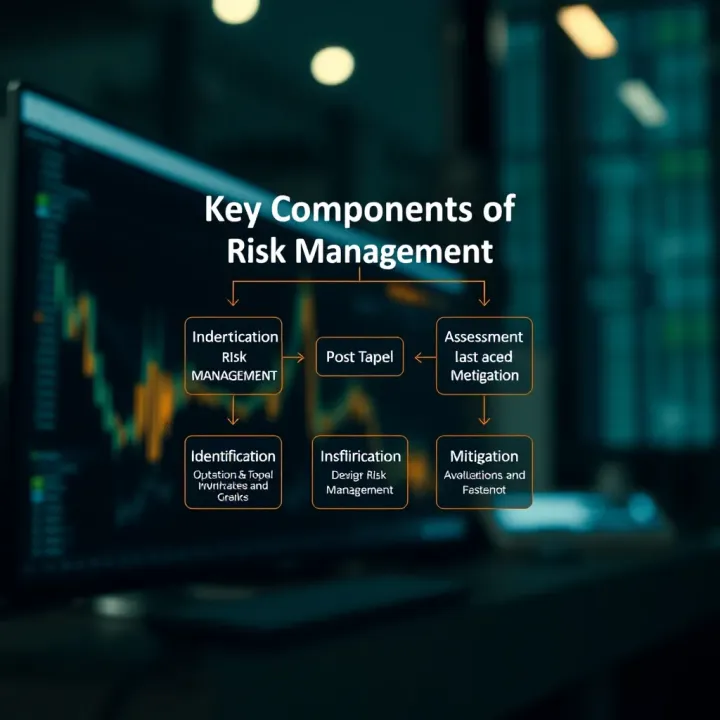
Understand risk management in Kenya 🌍 Learn key strategies, challenges, and tools to make informed decisions in business and everyday life effectively.
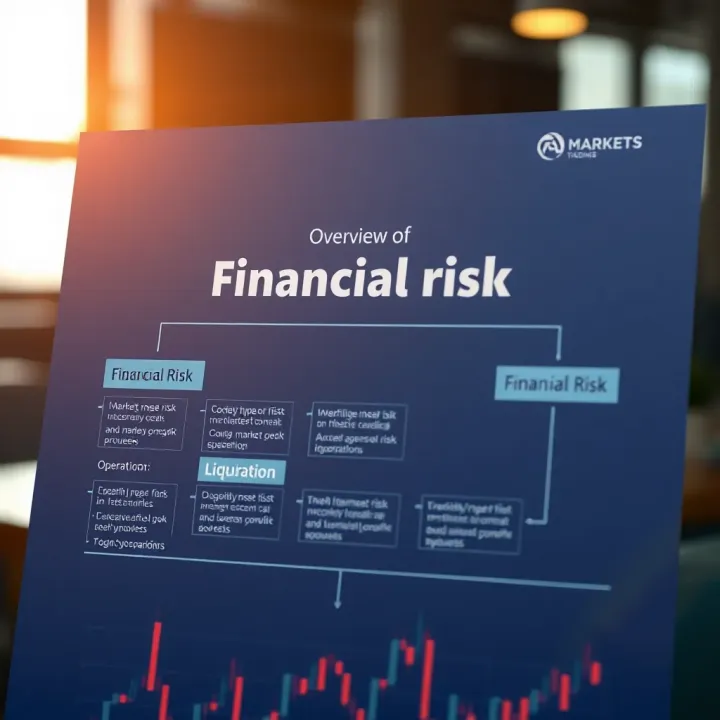
Learn practical financial risk management tools and strategies 📊 to identify, assess, and reduce risks, helping Kenyan businesses and investors safeguard assets. 💼

Learn how Kenyan businesses can manage compliance risks effectively to avoid penalties, safeguard reputation, and ensure smooth operations. ⚖️📊
Based on 10 reviews