
Understanding Risk Management and Its Importance
🔍 Understand risk management: key elements, practical methods, and challenges. Learn how to identify, assess, and control risks across industries effectively.
Edited By
Rebecca Clarke
Risk management is about spotting the things that could go wrong in your business or personal finances and making sure you have a way to handle them without losing out big. For traders, investors, and finance professionals in Kenya, understanding risk isn't just theory—it’s daily practice. Whether it’s price volatility on the NSE (Nairobi Securities Exchange), currency fluctuations affecting import costs, or household budgets hit by unpredictable expenses, risk management helps you prepare and stay steady.
At its core, risk management involves three main steps:
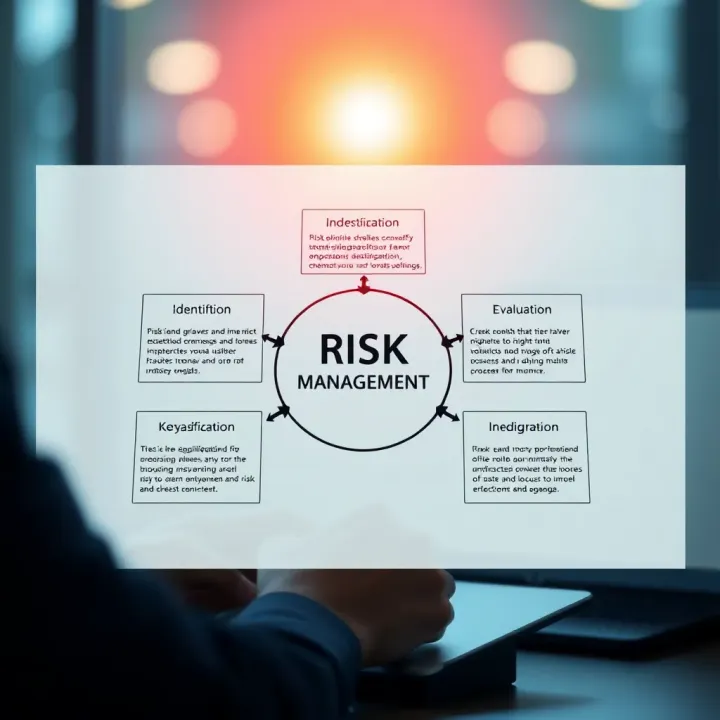
Identify: Know the risks. This could be anything from fluctuating interest rates affecting loan repayments to delays in matatu schedules disrupting your supply chain.
Assess: Gauge how likely these risks are and what impact they could have. For example, a sudden change in Central Bank of Kenya’s interest rates can significantly alter your borrowing costs.
Mitigate: Develop strategies to reduce or handle these risks. This might involve diversifying your investment portfolio, using M-Pesa or bank overdrafts smartly, or purchasing insurance for your equipment and stock.
A well-planned risk management approach doesn’t eliminate challenges but equips you to respond swiftly, keeping losses small and opportunities alive.
Business trading and investments: Using stop-loss orders to limit stock market losses or hedging foreign exchange exposure when importing goods.
Household finance: Setting aside an emergency fund to cover unexpected bills or medical costs, a lesson many Kenyans learnt during recent economic shocks.
Agricultural ventures: Investing in drought-resistant seed varieties or irrigation to manage weather-related risks.
Kenya’s economy faces diverse risks from political shifts, weather changes, inflation to global market trends. Businesses and households that actively manage risk reduce vulnerability and improve decision-making.
In the following sections, we will explore specific methods, tools, and case examples relevant for Kenyan contexts to help you handle risk with confidence and practical know-how.
Risk management is about spotting potential threats before they turn into big problems. For Kenyan businesses and individuals, this means understanding what could go wrong and having a plan to deal with it. It’s not just for large companies; even a small kiosk in Nairobi or a farmer in Kisumu needs some form of risk management to protect their livelihood.
Understanding risk as the chance of loss or harm means recognising that all ventures carry some level of uncertainty that could lead to financial, physical, or reputational damage. For example, a trader in a busy Nairobi market might face risks like theft, poor-quality stock, or sudden price hikes. Understanding these risks helps them prepare better, maybe by choosing ten trusted suppliers instead of one or keeping cash in a safe place.
How risks affect decision-making in businesses and daily life is quite clear: every choice comes with its own risks. For example, investing KSh 100,000 in a new product line may bring profits or losses depending on customer demand and competition. Similarly, a family choosing whether to take a loan from a bank or a microfinance institution weighs the risk of interest costs versus the immediate need for funds. Knowing these helps make better, informed decisions rather than acting blindly.
Protecting assets and resources is a primary goal of risk management. Kenyan companies invest in equipment, inventory, and cash flow—assets vulnerable to damage or loss. Protecting these means avoiding unnecessary costs or disruptions. For example, a flower exporter in Naivasha needs to guard against equipment breakdown or transport delays that would spoil perishable goods. Simple steps like regular maintenance or insurance can reduce these risks.
Ensuring continuity and resilience means keeping operations running despite unforeseen hiccups. For instance, during the long rains, some small businesses might face flooding risks disrupting trade. A risk management plan could involve identifying alternative supply routes or storing products safely to keep the business afloat. For households, having an emergency fund is a way of resilience when unexpected expenses arise.
Supporting strategic goals involves aligning risk management with long-term plans. A Nairobi-based tech startup, for example, might want to expand regionally within three years. Managing risks related to regulatory changes, funding access, or market competition ensures the company doesn't hit roadblocks. Without clear risk management, the business could lose direction or resources.
Effective risk management doesn’t eliminate uncertainty but equips you to handle it with confidence and fewer surprises.
By understanding what risk entails and why managing it matters, Kenyan businesses and individuals can safeguard their futures and build stronger foundations for growth.
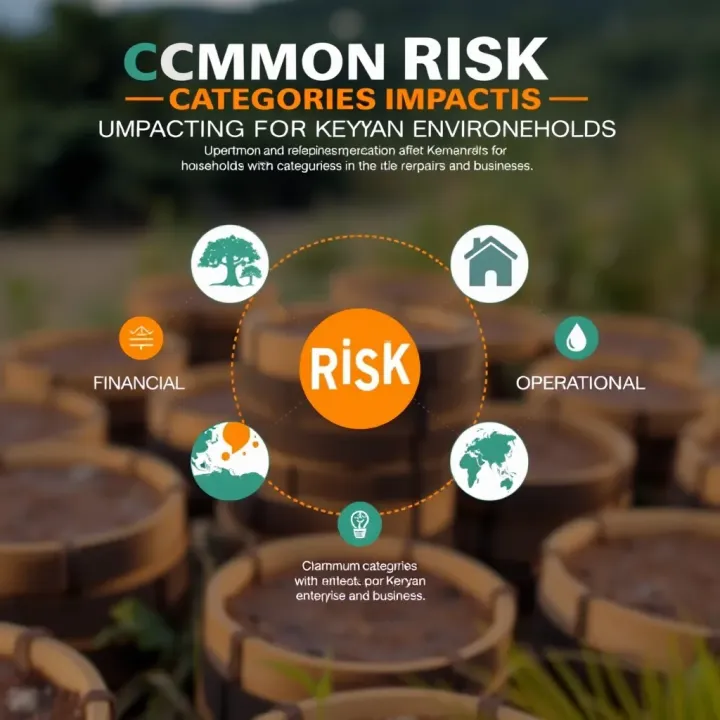
Businesses and individuals in Kenya face a variety of risks that can impact financial stability, operations, and reputation. Knowing the common types of risks helps you prepare and respond effectively to safeguard your interests. Kenyan traders, investors, and finance professionals need to understand these specific risk categories to make informed decisions.
Currency fluctuations and inflation affect businesses heavily, especially those involved in import and export or dealing with foreign exchange. For example, a trader importing electronics from China might find their costs shoot up suddenly if the Kenyan shilling weakens against the US dollar. Inflation, on the other hand, erodes purchasing power, pushing up costs for raw materials and wages. Kenyan SMEs operating on tight margins often struggle to adjust prices in time, which can reduce profits or even cause losses.
Credit and loan defaults pose a big challenge to both lenders and borrowers in Kenya. Many businesses depend on loans from banks or microfinance institutions to keep operations running. When customers or clients fail to pay their debts as expected, cash flow suffers, and institutions may tighten lending rules. This risk also affects individuals with personal loans; defaults can lead to blacklisting by credit reference bureaus, making future borrowing difficult.
Business interruptions, such as supply chain issues, are common in Kenya due to infrastructural challenges and regulatory delays. For instance, a food processing company relying on raw materials from rural suppliers might face delays caused by poor roads during the rainy season. These interruptions lead to missed deadlines, lost sales, and dissatisfied customers. Many businesses learnt hard lessons in 2020 when global and local disruptions impacted deliveries.
Equipment failures can halt production or service delivery, hitting profits and customer trust. For a manufacturer in Nairobi using imported machinery, a breakdown might mean days of downtime if technicians or spare parts are not readily available. Preventative maintenance and reliable service agreements are crucial to reduce this risk, but many small enterprises find it hard to prioritise due to costs.
Effects of weather and climate patterns are particularly relevant for Kenya’s agriculture-based economy. Unpredictable rainfall, prolonged droughts, or floods can destroy crops and lower yields, impacting farmers’ incomes and food supply chains. These environmental risks also affect urban businesses indirectly, such as increased transport costs or damage to stock.
Community and reputational concerns often arise from poor social responsibility practices or conflicts with local communities. For example, a mining firm operating near a village must manage relationships carefully to avoid protests or negative publicity that can shut down operations. Maintaining good community relations and transparent communication helps build trust and safeguard reputations in Kenya’s close-knit business environment.
Recognising these common risks lets you build better strategies for prevention and response, reducing surprises and strengthening your position in Kenya’s dynamic market.
Managing risk well can make or break your business or investment, especially in Kenya’s dynamic market. By following clear steps, you spot trouble early and pick the right ways to handle it. This not only saves money but helps build trust with clients and partners by showing you have things under control.
Spotting potential risk factors means looking out for threats that could hurt your business or finances. For instance, a trader dealing in imported goods should watch for currency changes or customs delays, while a local farmer might pay attention to weather shifts or pest outbreaks. Being aware early gives you a chance to prepare or respond before problems escalate.
Evaluating their likelihood and impact involves judging how often a certain risk might occur and how badly it can affect you. Say you run a Nairobi-based courier service; a matatu strike is common and could disrupt deliveries, hitting profits hard. Understanding both chances and consequences helps you decide which risks need urgent action and which can be handled later.
Risk avoidance means steering clear of activities that carry too much danger. If a small retailer finds that credit sales often lead to defaults, they might choose to insist on cash payments only, cutting out bad debt risks.
Risk reduction involves steps to lessen risk effects. For example, a factory in Mombasa might invest in regular machine maintenance to avoid costly breakdowns. That way, even if something goes wrong, the damage is smaller and easier to fix.
Risk sharing or transfer happens when you pass some risk responsibilities to others. Taking out insurance coverage (e.g., fire or theft insurance) is a common way businesses and households protect themselves. Contracts can also share risks; a supplier agreement may specify who covers losses if goods arrive late.
Accepting certain risks recognises some risks can't be avoided cost-effectively. A small trader may accept occasional power outages but diversify suppliers to reduce overall impact. Knowing when to tolerate risks helps focus resources on bigger threats.
Tracking risk changes over time means keeping an eye on risk factors continuously. For example, an investor should regularly check market trends in NSE shares, as political shifts or economic reports can quickly change risk levels.
Adjusting plans as needed ensures your responses stay effective. If new regulations from the Capital Markets Authority (CMA) affect your business, you might need to tweak contracts or update insurance cover. Constant reviews make your risk management adaptable and relevant.
Taking these steps seriously turns risk management from a headache into a practical tool to keep your business or investments steady and growing in Kenya’s unpredictable environment.
Risk management in Kenyan businesses relies heavily on effective tools and techniques. These help track, evaluate, and control risks systematically. Without these practical instruments, managing uncertainty becomes guesswork, which could cost firms and individuals dearly. Good risk management tools provide clarity, improve response times, and support informed decision-making.
Documenting risks clearly is the first step towards handling them properly. A risk register is essentially a detailed log of all potential risks a business or individual faces. In Nairobi, for example, a small enterprise might include currency fluctuations, delayed shipments, or theft in their register. This documentation doesn’t just list risks but also records how likely they are to happen and their possible impact.
By keeping such records, businesses can avoid overlooking smaller but still significant risks. A well-kept register also simplifies communication within organisations; teams can quickly see what they’re up against and plan accordingly.
Visualising risk levels complements the register by making information easier to understand at a glance. Risk maps use colours and scales to represent the severity and probability of risks. For instance, red might highlight critical threats like political instability affecting supply chains, while yellow shows moderate concerns.
This visual approach helps managers quickly prioritise which risks need urgent attention. It also aids in spotting patterns, such as recurring supply delays linked to seasonal rains, allowing timely adjustments.
Transferring risk through insurance is common across Kenyan businesses and households. Insurance spreads the financial burden of unforeseen events to a wider group. For example, farmers in Rift Valley often get crop insurance to cover losses from droughts or floods, reducing the chance of total ruin.
Insurance policies can cover various risks—property damage, theft, liability, or health. While premiums cost money upfront, the protection they offer ensures stability during tough times that could otherwise deplete savings or capital.
Using contracts to manage responsibilities is another key method for distributing risk. In Kenya’s bustling construction industry, clear contractual agreements specify who covers delays, defects, or accidents on site. This prevents disputes and ensures each party understands their duties and liabilities.
Contracts can also assign risks in supply chains or service agreements. For example, a retailer working with a delivery company will outline who is responsible if goods are delayed or damaged, helping manage expectations and legal recourse.
Software tools for risk tracking have become increasingly useful for Kenyan firms, particularly those with larger operations. Platforms like risk management information systems (RMIS) allow continuous data entry, analysis, and reporting. This automation saves time and reduces human error.
These tools integrate various risk inputs—from financial data to operational incidents—providing dashboards that update in real time. For businesses on the NSE or those handling many clients, such software helps spot emerging risks quickly and maintain compliance with regulators like the Capital Markets Authority.
Using data to predict and prevent risks is a growing trend in Kenyan sectors such as agriculture, finance, and retail. Analysing historical trends, market conditions, or weather forecasts can signal potential risks before they happen. For instance, mobile loan providers analyse repayment patterns and economic shifts to prevent defaults.
By harnessing big data and analytics, businesses can move from reacting to risks to anticipating them. This proactive stance improves resilience and saves costs linked to crises or poor decisions.
Effective risk management combines practical tools like registers and contracts with modern technology, making it easier to protect assets and ensure business continuity in Kenya's unique environment.
Reducing losses and unexpected costs is a key reason businesses in Kenya should focus on risk management. For example, a small textile manufacturer in Kisumu might face supply chain interruptions due to transport strikes or floods during the long rains. By anticipating such risks, the company can diversify suppliers or stockpile critical materials, avoiding production halts and costly delays. This practical approach ensures that businesses do not bleed cash unnecessarily when unforeseeable events strike.
Building trust with customers and partners depends heavily on how well a business manages risks. In Kenya's competitive markets, consumers appreciate companies that deliver consistently and handle setbacks transparently. A retailer in Nairobi, for instance, that uses a robust risk management plan can maintain steady product availability even during periods of price volatility or supplier hiccups. This reliability strengthens customer loyalty and attracts long-term partners willing to invest and collaborate.
Planning for emergencies is vital for Kenyan families who often face sudden health issues, accidents, or natural disasters. Creating a household risk management plan—such as having emergency savings, medical insurance, or a rapid communication plan—helps cushion the blow when problems occur. This preparation reduces stress and keeps families from falling into debt when the unexpected happens.
Safeguarding personal finances means more than just budgeting. It includes protecting assets from risks like theft, fraud, or market downturns. For example, investors in Nairobi’s real estate sector might diversify properties or rely on legal contracts to reduce ownership risks. Meanwhile, using NHIF or private health coverage shields individuals from catastrophic medical bills. Such measures help ensure that your hard-earned savings withstand shocks, preserving financial security over time.
Meeting regulatory requirements from bodies like the Capital Markets Authority (CMA) and the Central Bank of Kenya (CBK) is not optional for businesses and financial professionals. Risk management ensures firms comply with these rules, avoiding fines or licence cancellations. For instance, stockbrokers must follow CMA guidelines on client fund protection, which requires strong internal controls. Adherence builds confidence among investors and maintains market integrity.
Improving accountability and transparency is another benefit of proper risk management. Organisations that display clear reporting, audit trails, and predefined roles tend to reduce corruption or mismanagement. Consider a microfinance institution operating in rural Kenya: effective risk policies and transparent governance not only safeguard client funds but also attract reputable funding from NGOs and development partners. This trust translates into business sustainability and better community impact.
Risk management in Kenya goes beyond ticking boxes; it creates a foundation for resilience, trust, and growth—whether at household, business, or institutional levels. Planning ahead and managing uncertainties wisely pays off in practical ways that support everyday life and economic progress.
🔍 Understand risk management: key elements, practical methods, and challenges. Learn how to identify, assess, and control risks across industries effectively.
Understand risk management in Kenya 🌍 Learn key strategies, challenges, and tools to make informed decisions in business and everyday life effectively.

Discover how Kenyan banks tackle credit risk with smart assessments, regulatory support, and practical strategies to keep finances safe and stable 📊💼
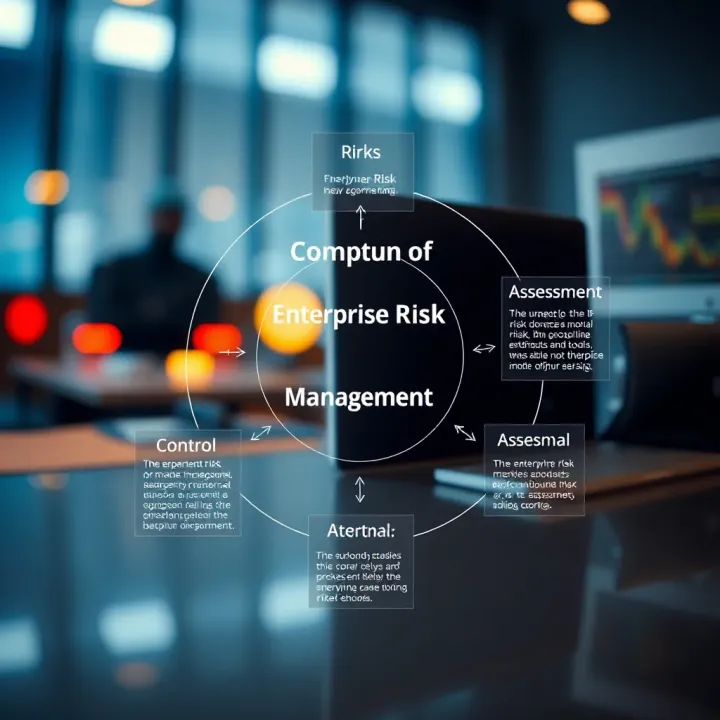
🔍 Learn how Enterprise Risk Management helps Kenyan businesses spot, assess, and manage risks. Practical tips and real examples to make ERM work for you.
Based on 12 reviews