
Forex Trading for Beginners in Kenya
📈 Learn forex trading basics, practical steps, risk management, and tips to build solid strategies. This guide helps new Kenyan traders start confidently and avoid common pitfalls.
Edited By
Oliver Bennett
Forex trading can seem like a maze when you first step inside. The sheer volume of currencies exchanging hands every day, paired with complex charts and economic indicators, can overwhelm even the most eager beginner. But the bottom line is simple: to make money in forex, you need more than just luck—you need a solid understanding and a clear plan.
The forex market is the world’s largest financial market, with daily trades surpassing $6 trillion. Currencies don’t trade in isolation—they move based on economic data, political events, and market sentiment. For example, a rise in U.S. interest rates often strengthens the dollar, impacting currency pairs like EUR/USD or USD/JPY. Recognizing these patterns is key to spotting opportunities.
Success in forex trading depends on mastering three core areas: market knowledge, risk management, and discipline.
Starting out, focus on building a solid foundation. Here’s how to get off on the right foot:
Understand Currency Pairs: Know which pairs you want to trade. Major pairs like EUR/USD or USD/JPY are usually less volatile and easier to follow than exotic pairs.
Create a Trading Plan: Identify your entry and exit points, decide how much you’re willing to risk on each trade, and choose your trading style—whether day trading, swing trading, or longer-term positions.
Manage Your Risk: Never risk more than 1-2% of your trading capital on a single trade. Using stop-loss orders can protect your account from unexpected market moves.
Use Trading Tools: Platforms like MetaTrader 4 offer charting tools and technical indicators that help analyze trends and price action.
It's tempting to jump right into trading after a couple of wins. But keep in mind, trading without a clear mindset and strategy is like sailing without a compass. Consistency, patience, and learning from mistakes will trump blitzing through the market expecting quick riches.
With the right groundwork, forex trading isn’t just guesswork or gambling—it’s an investment skill you can develop. This guide will walk you through the essential steps to take control of your trading and start aiming for profits.
Grasping the fundamentals of forex trading sets the stage for making smart, informed decisions. Understanding how the forex market operates and the key terms involved gives you a solid foundation to build your trading skills. Skipping this step is like trying to navigate a city without a map—it might work some of the time, but you'll likely get lost or end up somewhere you don't want to be.
The foreign exchange market explained: Forex trading involves buying and selling currencies to profit from changes in their exchange rates. It’s essentially a decentralized global market where participants trade currency pairs around the clock. Unlike the stock market, forex trading doesn’t happen in a single location—it’s a network of banks, brokers, and traders connected electronically.
The practical takeaway here is that forex is highly liquid and accessible. For example, the EUR/USD pair—the euro against the U.S. dollar—is the most traded currency pair, with daily turnover exceeding $6 trillion. This liquidity provides plenty of opportunities to enter and exit trades quickly.
Currency pairs and how they function: In forex, currencies are quoted in pairs like USD/JPY or GBP/USD. The first currency is the "base" currency, and the second is the "quote" currency. The pair’s price shows how much of the quote currency you need to buy one unit of the base currency.
This pairing means when you buy a pair, you’re simultaneously buying the base currency and selling the quote currency. For instance, buying GBP/USD means you expect the British pound to strengthen against the U.S. dollar. This basic concept lets traders speculate on currency movements in both directions.
Major players in the forex market: Big institutions such as central banks, multinational corporations, hedge funds, and commercial banks dominate the market. For example, the Federal Reserve and the European Central Bank influence rates through policy decisions, affecting currency values worldwide.
Retail traders like you and me form a smaller slice but still play an important role. Knowing who moves the market helps you understand sudden shifts. For instance, central banks might intervene to stabilize their currency, causing rapid price swings.
Pips, lots, and leverage: A pip is the smallest price move in a currency pair, usually the fourth decimal place—for example, a move from 1.2050 to 1.2051 USD/EUR is one pip. Traders use "lots" to measure trade size; one standard lot equals 100,000 units of the base currency.
Leverage lets you control a large position with a smaller deposit, magnifying gains and losses. Say you have a $1,000 account and use 50:1 leverage—this means you can trade up to $50,000 worth of currency. While leverage can boost profits, it also increases risk significantly.
Spread and margin: The spread is the difference between the buying (ask) and selling (bid) prices of a currency pair, which acts as a hidden cost for traders. For example, if EUR/USD has a bid price of 1.2000 and an ask price of 1.2002, the spread is 2 pips.
Margin is the amount of money required to open or maintain a position. Think of it as a security deposit. If your broker requires 2% margin, you must have at least $2,000 to open a $100,000 position. Maintaining sufficient margin avoids forced liquidation of your trades.
Long vs. short positions: Taking a long position means you buy a currency pair expecting its base currency to appreciate. For instance, if you’re long on USD/JPY, you believe the U.S. dollar will gain against the Japanese yen.
Short positions involve selling a pair first, hoping to buy it back later at a lower price, profiting from a decline. Both long and short allow you to trade markets in any direction, giving flexibility to react to different economic conditions.
Knowing these basics isn’t just helpful—it’s essential. Starting without this knowledge is like playing poker without knowing the rules or having a peek at your cards. Get comfortable with these concepts, and you’ll be ahead of the pack when you begin trading for real money.
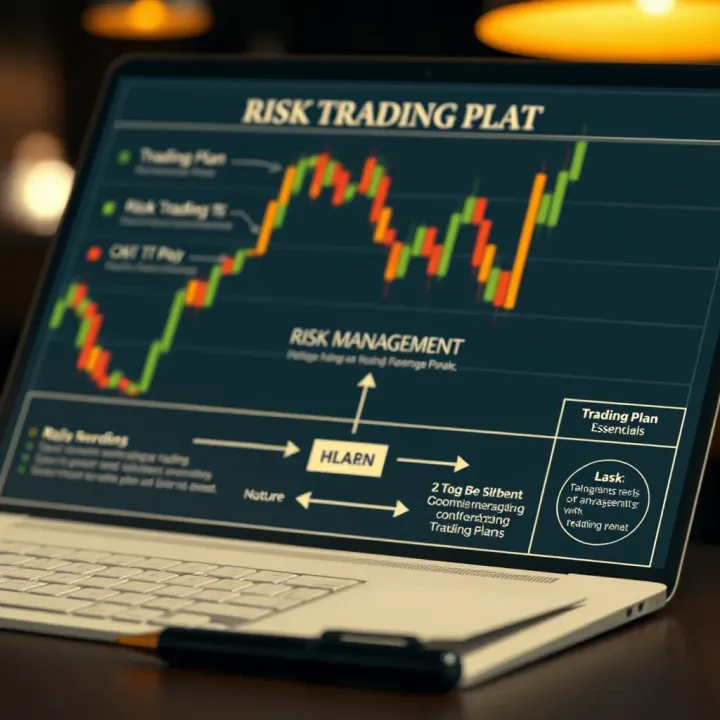
A solid trading strategy is the backbone of successful forex trading. Without a clear plan, even the best traders can fall prey to emotional decisions and inconsistent results. A well-designed strategy helps you approach the market with a game plan, guiding your buys and sells based on rules instead of impulses. It also makes it easier to evaluate performance and adjust tactics when needed.
Traders often pick from three main styles: day trading, swing trading, and scalping, each with distinct timeframes and approaches. Day traders open and close positions within the same day to avoid overnight risk, focusing on quick price movements. Swing traders hold trades from days to weeks, aiming to capture bigger trends. Scalpers, on the other hand, make numerous quick trades, often just seconds long, to nibble small profits repeatedly.
Choosing the right style depends a lot on how much time you can dedicate. For example, if you have a full-time job, swing trading offers a more relaxed pace, letting you analyze markets during off-hours. But if you prefer fast decisions and are glued to your screen, day trading or scalping could be a better fit. The key is matching a style to your schedule and personality so you stick with your plan consistently.
Setting realistic goals is essential to keep your expectations grounded. Instead of dreaming of triple-digit returns each month, aim for steady, achievable gains such as 3-5% monthly growth. This approach helps you stay focused and reduces the temptation to take reckless risks chasing big wins.
Next, defining clear entry and exit rules is a must. This means deciding in advance when to get into a trade and when to close it. For example, you might enter a position only when a currency crosses above its 50-day moving average and exit if the price falls below the 20-day average or hits a set profit target. Having these rules prevents second-guessing your trades and keeps emotions out.
Backtesting your strategy on historical data can reveal how it might perform under different market conditions. Keep detailed records of your trades, including wins, losses, and notes on each decision. Over time, this log becomes a powerful tool to spot patterns, weed out mistakes, and refine your strategy.
A good trading plan isn't just about rules — it's about discipline and ongoing learning. The more you treat your trading like a business, the better your chances to succeed.
Risk management is the backbone of successful forex trading. Without a solid plan to protect your capital, even the best strategies can quickly lead to losses that wipe out potential gains. Forex markets can be unpredictable, and the difference between a seasoned trader and a novice often lies in how well they handle risk.
Controlling losses is essential because it stops small setbacks from snowballing into financial disasters. Imagine risking 10% of your account on each trade without limits—you could lose your entire capital after just ten bad trades. On the other hand, controlling your losses allows you to stay in the game long enough to turn profitable.
Risk management also helps you maintain emotional stability. When you know your maximum loss upfront, you’re less likely to panic and make rash decisions during market swings. Triggers like fear and greed often push traders to deviate from their plans, leading to bigger losses.
How much to risk per trade depends on your total trading capital and risk tolerance. A common guideline is to risk no more than 1–2% of your account balance per trade. For instance, if you have $10,000 in your account, you’d risk $100 to $200 per trade. This approach ensures that a few losing trades won’t drain your account.
Traders with larger accounts can sometimes afford slightly higher risks, but even professionals rarely exceed 3% per trade. The goal is to preserve capital while allowing enough room for your strategy to work over time.
Setting stop-loss orders is a practical way to control potential losses. A stop-loss automatically closes your position if the market moves against you beyond a certain point. For example, if you enter a trade at 1.1500 and set a stop-loss at 1.1450, your loss is capped at 50 pips.
Effective stop placement considers market volatility and support or resistance levels, rather than arbitrary distances. Placing stops too tight may trigger exits on normal price fluctuations, while too loose stops expose you to greater losses. It's about finding balance.
Take-profit orders lock in gains when the market reaches your target. Suppose you set a take-profit at 1.1600; once the price hits that level, the trade closes automatically, securing profit without needing constant monitoring.
Using take-profits helps avoid the common mistake of holding on too long, hoping for more gains only to give them back during reversals. Together with stop-losses, they add structure to your trades and lessen emotional decision-making.
Good risk management means knowing exactly how much you could lose before you enter a trade and having clear exit rules that protect your money while letting winners run.
By consistently managing risk with stop-loss and take-profit orders and limiting risk per trade, you increase your chances of trading forex profitably over the long haul. Protecting your capital isn’t just smart—it’s crucial.
Successful forex trading depends heavily on the tools and resources you use. Pick the right broker, leverage solid analysis methods, and stay informed with current events to increase your chances of making consistent profits. These elements help you make smarter decisions and adapt quickly to market changes.
Choosing a broker that's regulated by reputable agencies like the Commodity Futures Trading Commission (CFTC) or the National Futures Association (NFA) is crucial. These regulators enforce rules to protect your funds and ensure fair trading practices. Without this oversight, brokers might engage in shady behavior, risking your money.
Look for brokers who keep client funds in segregated accounts. This means your money stays safe and separate from the broker’s operational funds. Also, check if the broker is a member of the Securities Investor Protection Corporation (SIPC) or offers some form of insurance for added security.
Costs like spreads, commissions, and overnight fees can eat into your profits. Pay attention to these charges. Some brokers advertise low spreads but make up for it with hidden fees. For example, brokers using the MetaTrader 4 or 5 platform might have different fee structures than those offering proprietary platforms.
Trading platforms should be user-friendly and reliable. Features like customizable charts, one-click trading, and fast execution matter, especially in volatile markets. Platforms with mobile apps give you flexibility to trade or monitor the market on the go. Think of it this way: a slow or buggy platform can cause missed trades and lost opportunities.
Charts show historical price movement, helping you spot trends and reversal points. Indicators like Moving Averages or the Relative Strength Index (RSI) add depth, signaling potential entry or exit points. For example, a 50-day moving average crossing above a 200-day might suggest a bullish trend.
Technical analysis is valuable for timing trades. However, it’s not foolproof and works best alongside other tools. Familiarize yourself with multiple indicators to find ones that match your trading style.
Economic indicators such as the U.S. Nonfarm Payrolls, Federal Reserve interest rate announcements, or inflation reports heavily impact currency prices. Staying updated on these events helps you anticipate market swings.
Set up an economic calendar to follow scheduled releases. For instance, if the Fed signals a rate hike, it usually strengthens the dollar, affecting pairs like EUR/USD. Being blind to this kind of info is like driving without a windshield—you might survive, but it won’t be smooth or safe.
The bottom line is to combine trustworthy brokers, solid platforms, and smart analysis to set yourself up for consistent forex gains.
Success in forex trading isn’t just about charts and indicators; it starts with the right mindset. Developing a steady, disciplined mental approach helps traders stick to their plan and make rational decisions, even when emotions run high. Without this, even the most well-crafted strategies can fall apart under pressure.
Dealing with losses and setbacks is unavoidable in trading. Instead of viewing losses as failures, successful traders see them as learning opportunities. For example, if you lose $100 on a trade, reflecting on what went wrong can prevent repeating the same mistake. Getting emotional after a loss—like chasing a bad trade to recover losses—often leads to bigger setbacks.
Maintaining discipline means accepting losses as part of the process. That calm acceptance helps keep you focused on your overall trading plan instead of reacting impulsively to every dip or drawdown.
Sticking to your plan under pressure is crucial when the market moves unpredictably. Imagine a sudden currency crash—panic might tempt you to close trades prematurely or abandon your risk rules. But successful traders resist these impulses. They trust their predefined entry, exit, and risk management rules, even if it means holding through short-term volatility.
A solid plan acts like a safety net during stressful moments, preventing knee-jerk decisions that can wipe out gains. For instance, using stop-loss orders ensures losses are limited without requiring constant emotional control.
Using demo accounts to sharpen skills is an excellent way for beginners to build confidence without risking real money. These simulated trading environments mirror real market conditions, letting you test strategies and practice order execution. Using a demo account, you can experiment with different currency pairs and timeframes to see what fits your style best.
The benefit is clear: you get hands-on experience without financial pressure, which helps develop good habits and avoid costly rookie mistakes.
Learning from experienced traders offers insights you won’t find in textbooks. Following seasoned traders through forums, webinars, or mentorship programs can expose you to practical tips and real-world scenarios. They often share how they handle psychological challenges, manage risk, and adapt to market shifts.
By observing how experienced pros react during market swings or how they develop new strategies, you can accelerate your own learning curve. Taking notes, asking questions, and gradually applying their lessons can turn your trading from guesswork to confidence-backed decisions.
The bottom line: mastering forex trading is as much about mental resilience and continuous learning as it is about technical skills. Practicing discipline, handling losses wisely, and staying curious will set you up for consistent profits over time.
📈 Learn forex trading basics, practical steps, risk management, and tips to build solid strategies. This guide helps new Kenyan traders start confidently and avoid common pitfalls.
📈 Learn forex trading step-by-step with practical tips on market basics, trading platforms, risk control, and building confidence to trade smarter every day.
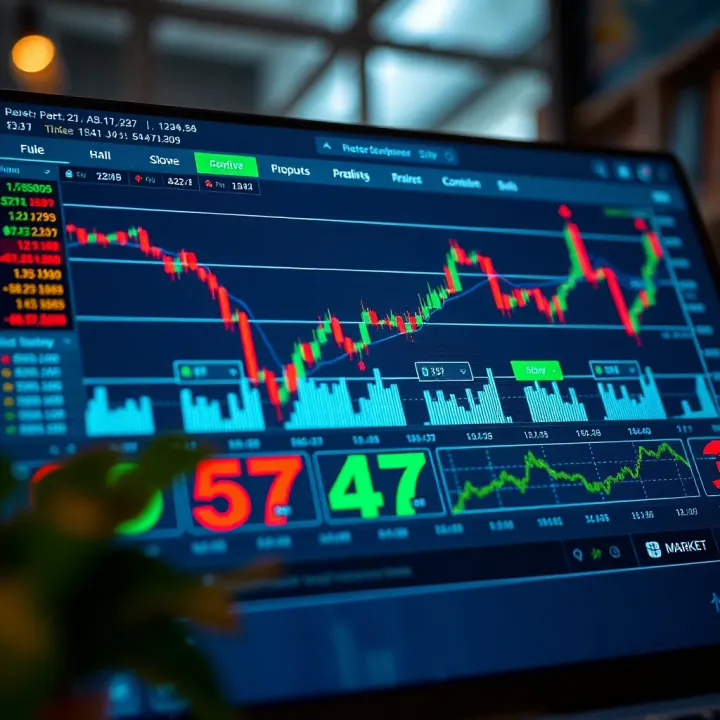
📈 Start Forex trading confidently in Kenya with this straightforward guide. Learn essential terms, manage risks well, and use trusted local platforms effectively.
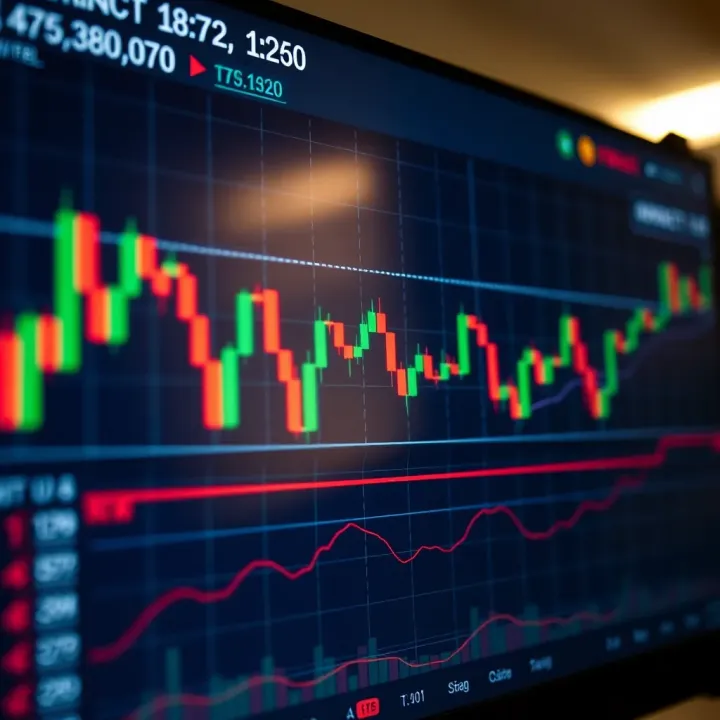
📈 Learn forex trading basics in Kenya: understand currency pairs, leverage, platforms, and risks. Get practical tips to grow skills and manage money confidently.
Based on 11 reviews