
Forex Trading for Beginners in Kenya
📈 Learn forex trading basics, practical steps, risk management, and tips to build solid strategies. This guide helps new Kenyan traders start confidently and avoid common pitfalls.
Edited By
Sophie Mitchell
Forex trading, often called the foreign exchange market, lets you trade currencies worldwide. It's the largest financial market, with daily volumes exceeding $6 trillion. Unlike stock exchanges, forex operates 24 hours a day, five days a week, and offers high liquidity.
Getting started means understanding a few core ideas. The main goal in forex is to profit from changes in currency values by buying one currency while selling another. For example, if you believe the U.S. dollar will strengthen against the euro, you'll buy USD/EUR.
Here’s what you need to know upfront:
Currency pairs: Forex trades happen in pairs, like EUR/USD or GBP/JPY. Each pair shows the value of one currency relative to the other.
Pip: The smallest price move a currency pair can make, usually 0.0001 for most pairs.
Leverage: Allows you to control a larger position with a smaller amount of money. While it can magnify profits, it also increases risk dramatically.
Before you dive in, pick a reliable trading platform. Popular choices include MetaTrader 4/5 and TradingView — both provide tools to analyze charts, set orders, and track your trades in real time. Demo accounts let you practice without risking real cash.
Real success in forex doesn't come overnight. It takes disciplined learning, risk management, and a sound trading plan tailored to your goals.
This guide breaks down the essentials, from mastering key concepts to managing risk effectively. You'll learn how to build your strategy step-by-step, avoid common beginner pitfalls, and gain the confidence to trade smarter every day.
Grasping the fundamentals of forex trading is the first step you need to take to trade efficiently. These basics offer a clear framework, helping you avoid costly mistakes that beginners often make. For instance, understanding how currency pairs work or what drives price changes equips you to make smarter decisions instead of just guessing.
Forex trading, or foreign exchange trading, is the act of buying one currency while simultaneously selling another. It’s the largest financial market globally, with daily volumes exceeding $6 trillion. Unlike stock markets, forex operates 24/5, allowing you to trade around the clock. A practical example: if you believe the US dollar will strengthen against the euro, you might buy USD/EUR, aiming to sell it later at a profit.
Most forex trading revolves around "major pairs," which include the US dollar combined with currencies like the euro (EUR/USD), Japanese yen (USD/JPY), British pound (GBP/USD), and others. These pairs have high liquidity and tighter spreads, making them attractive for beginners.
EUR/USD: The most popular pair, known for its liquidity and narrow spreads.
USD/JPY: Often sensitive to economic data from Japan and the US.
GBP/USD: Tends to be more volatile, offering bigger price swings.
Each pair reacts differently to economic events and political news, so knowing their unique traits helps in adapting your trades accordingly.
Forex trading doesn't happen on a centralized exchange. Instead, it takes place over-the-counter (OTC) through a global network of banks, brokers, and traders. The market consists of three main sessions: Asian, European, and North American, which overlap at times, creating periods of higher activity.
For example, when the London and New York sessions overlap, volatility usually spikes, offering trading opportunities but also increased risk. It's practical to understand these cycles because trading during low-liquidity times can cause unpredictable price moves.
The forex market's nonstop nature and global reach mean timing and currency selection are critical parts of a trading plan.
Understanding these basics grounds you in what’s happening behind the scenes. It turns abstract concepts into actionable insights, helping you build confidence as you start trading.
Understanding the core concepts of forex trading is essential for anyone looking to trade effectively in this fast-paced market. These fundamentals influence your decisions and help you avoid costly mistakes. For example, grasping how to read currency quotes or the impact of leverage can be the difference between a profitable trade and a significant loss.
Currency quotes show the value of one currency against another and are always presented in pairs like EUR/USD or USD/JPY. The first currency in the pair is the base, and the second is the quote currency. If EUR/USD is quoted at 1.1050, it means one euro costs $1.1050.
The spread—the difference between the bid (selling price) and ask (buying price)—represents the broker’s fee and affects your profitability. For instance, if you see a EUR/USD quote with a bid of 1.1048 and an ask of 1.1050, the spread is 2 pips. Even small spreads add up if you're trading frequently, so picking currency pairs with tighter spreads saves money.
Leverage lets you control a larger position with a smaller amount of your own money, called margin. Suppose your broker offers 50:1 leverage; with $1,000 in your account, you could control $50,000 in the market. While leverage can amplify gains, it can also magnify losses, sometimes wiping out your account quickly.
For example, if you buy $50,000 worth of EUR/USD using $1,000 margin, a 1% move against you wipes out your margin entirely. That’s why understanding margin requirements and using leverage responsibly is key. Always calculate your risk before entering a trade.
Successful traders use different order types to enter and exit trades, controlling timing and risk. The main order types are:
Market Orders: Execute immediately at the current market price. Useful for quick entry or exit.
Limit Orders: Set to buy or sell at a specific price better than the current market price, allowing you to enter at a desired level.
Stop Orders: Trigger a market order once the price reaches a certain threshold. Stop-loss orders, for example, automatically close your trade to limit losses.
Trailing Stops: Similar to stop orders but move with the market price to lock in profits while limiting downside.
For instance, if you buy EUR/USD at 1.1050 and set a stop-loss at 1.1000, your position closes if the price drops to 1.1000, capping your loss. Knowing when and how to use each order type makes your trading more precise and controlled.
Mastering these core concepts builds a solid foundation, letting you tackle the forex market with confidence rather than guesswork. As you get more comfortable, they’ll guide your strategies and help you manage risks effectively.
Selecting the right tools and platforms is a critical step for any forex trader aiming for success. These choices directly impact how smoothly you can execute trades, analyze the market, and manage your risk. Picking poorly can lead to delays, poor data, or even security risks, all of which can cost you money. A solid setup allows you to focus on making smart trades instead of fighting the technology.
Your forex broker is the gateway to the market, so picking one you can trust is non-negotiable. Reliability means they execute trades quickly and do not re-quote prices during volatile moments. Look for brokers regulated by bodies like the NFA (National Futures Association) or CFTC (Commodity Futures Trading Commission) in the U.S., which enforce standards to protect traders. For example, brokers such as OANDA or Forex.com have earned reputations for fair practices and robust platforms.
Also, consider the spreads and commissions they charge—tighter spreads usually mean lower costs. Customer service counts too; you want a broker that’s accessible through multiple channels and responds promptly if an issue arises. Finally, check for negative balance protection, which prevents you from losing more money than you deposited.
A good trading platform lets you analyze charts, execute trades efficiently, and customize your workspace. MetaTrader 4 and MetaTrader 5 are industry standards, favored for their friendly interface and extensive toolsets. Think of them like the cockpit for your forex trading plane—everything you need within reach.
Some platforms like TradingView also offer browser-based options with powerful charting tools and social features where traders share ideas. Your choice should depend on what features matter most: speed, customization, automated trading options, or community insights.
Beyond platforms, incorporating tools for economic calendars, real-time news feeds, and alerts can give you a leg up. For example, integrating the Forex Factory calendar helps you keep an eye on major events that can move currency prices.
Starting with a demo account is like learning to drive in a parking lot before hitting the freeway. Almost all brokers provide these free accounts, letting you trade with virtual money using live market data.
The beauty of demo accounts lies in risk-free practice: you can test strategies, understand the platform’s functions, and build confidence without risking a dime. Note, though, that demo trading lacks the emotional pressure of real trading, so transitioning to live accounts will require adjustment.
Remember, the goal is to treat demo trading seriously—track your progress, note mistakes, and refine your approach. Once you’re consistently profitable on demo, you’re better positioned to handle real trades without jumping in blindly.
Choosing the right forex broker, platform, and practicing with demo accounts builds a strong foundation. It reduces costly mistakes and helps you focus on developing strategies that fit your style.
Bottom line: don’t rush through this step. A reliable broker, a trading platform tailored to your needs, and careful practice make a world of difference in your forex trading journey.
Developing a solid trading strategy is the backbone of successful forex trading. Without a clear plan, traders often make impulsive decisions based on emotions, which can quickly lead to losses. A good strategy helps you stay consistent, make informed decisions, and adapt to changing market conditions. It also allows you to set realistic expectations and manage risk effectively.
Charts are the trader's window into the market, showing real-time price movements and patterns. Learning to read candlestick charts, line charts, or bar charts helps you spot trends and potential reversal points. Indicators like moving averages, Relative Strength Index (RSI), and Bollinger Bands add layers of insight. For example, a moving average crossover might signal a good entry or exit point. These tools guide you to buy or sell decisions with some method behind them, rather than guessing.
Common tools like MACD (Moving Average Convergence Divergence) help measure momentum and trend strength. Fibonacci retracement levels give hints about likely support and resistance areas where price might bounce or stall. Traders often combine several indicators to confirm signals; for instance, if both RSI shows oversold conditions and a bullish candlestick pattern appears, that can strengthen the case for a buy trade. Knowing when and how to use these tools lets you build a strategy based on probabilities, not just luck.
Forex markets react sharply to economic reports like unemployment data, interest rate decisions, and GDP growth. Understanding these can give you an edge. For example, if the Federal Reserve raises interest rates unexpectedly, the US dollar often strengthens. Watching a calendar that lists upcoming economic events helps you prepare or avoid trading during volatile times. Ignoring this can leave you blindsided by sudden price swings.
Beyond headline news, factors like trade balances, political stability, and market sentiment play big roles in currency movements. Say the US is negotiating a major trade deal—it might support the dollar. Keeping an eye on these drivers means you’re less dependent on charts alone, giving you a fuller picture of market forces influencing currency pairs.
Using technical and fundamental analysis together makes your trading strategy more robust. Technical tools show when to enter or exit a trade, while fundamental insights explain why a currency moves. For instance, suppose technical indicators suggest a buy on EUR/USD, but upcoming poor economic data from the Eurozone warns of weakness. In that case, it might be smart to hold off or lower your risk.
The bottom line is that blending both approaches enhances your chance to spot profitable opportunities and avoid traps. Just relying on one method can leave you with blind spots.
By taking the time to develop a trading strategy that includes both technical and fundamental perspectives, you build a framework that supports steady growth and protects your investment. It’s not about finding a perfect system but finding one that works consistently for you.
Managing risk and emotions is a critical skill in forex trading that often separates successful traders from those who struggle to stay profitable. Without proper risk controls and emotional discipline, even the best strategies can lead to heavy losses. Let's break down how you can manage these aspects effectively.
Stop-loss and take-profit orders are your safety nets. A stop-loss limits your potential loss by automatically closing a trade when the price hits a certain unfavorable point. For example, if you buy EUR/USD at 1.1200, setting a stop-loss at 1.1150 limits your loss to 50 pips.
On the flip side, a take-profit locks in gains by closing a trade once your target price is reached. Say you expect EUR/USD to rise to 1.1300; placing a take-profit here secures your profit once the price hits that level. Using both orders together balances risk and reward — it helps prevent emotional decisions like holding losing trades for too long or closing winning trades too soon.
A key rule is never risk more than a small percentage of your trading account on a single trade, typically 1-2%. This practice prevents a string of losses from wiping out your capital. For instance, if your account balance is $10,000, risking 1% means you’ll only put $100 at stake per trade.
To calculate this, determine the distance between your entry point and stop-loss in pips, then figure out the pip value per lot size to keep your risk within your limit. This calculation becomes second nature after some practice and helps you make smarter trade sizing decisions instead of guessing.
Trading is as much about mindset as it is about tactics. Emotional pitfalls like fear, greed, and impatience can spoil even the best-laid plans. One day you might overtrade after a winning streak, or you may hesitate to cut losses after a string of bad trades.
Building discipline means sticking to your plan regardless of market noise. Keeping a trading journal to record your trades and emotions can highlight patterns in your behavior. For example, if you notice you consistently abandon stop-losses after a loss, that’s a red flag to address.
Remember: Staying calm and sticking to your risk management rules lets you survive the inevitable rough patches and keeps you in the game for the long haul.
Mastering risk and emotions doesn’t happen overnight, but consistent effort here can save you from costly mistakes and turn forex trading into a sustainable activity.
📈 Learn forex trading basics, practical steps, risk management, and tips to build solid strategies. This guide helps new Kenyan traders start confidently and avoid common pitfalls.
📈 Start Forex trading confidently in Kenya with this straightforward guide. Learn essential terms, manage risks well, and use trusted local platforms effectively.
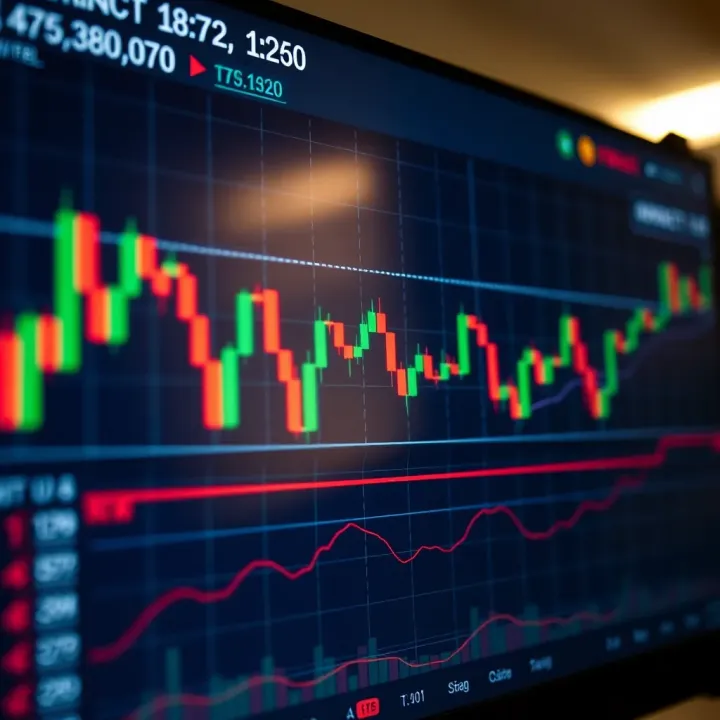
📈 Learn forex trading basics in Kenya: understand currency pairs, leverage, platforms, and risks. Get practical tips to grow skills and manage money confidently.
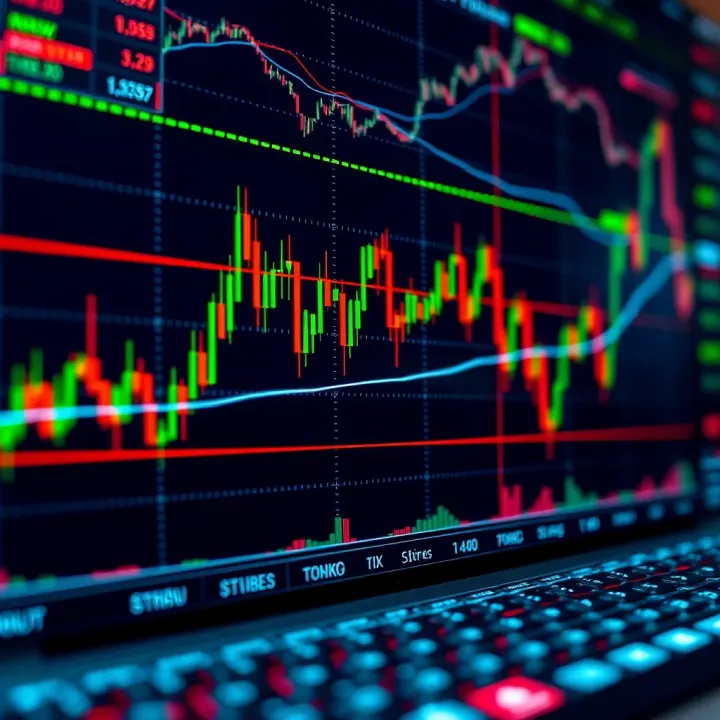
📈 Start your forex trading journey in Kenya with our practical PDF guide. Learn market basics, M-Pesa payments, risk management, and local tips for success.
Based on 9 reviews