

Forex Trading Guide for Kenyan Beginners Using PDFs
Start your Forex trading journey with easy-to-follow PDFs! Learn strategies, market basics, and risk tips tailored for Kenyan beginners 📊💼📈
Edited By
Sophie Carter
Forex trading can seem like a tricky business at first, but with the right guidance, anyone can learn how to navigate it confidently. This guide focuses on delivering clear, straightforward information for beginners keen to start trading currencies, especially within the Kenyan market context.
Understanding forex trading begins with knowing the basics: it is the buying and selling of foreign currencies with the aim of making a profit from fluctuating exchange rates. For example, spotting when the US dollar strengthens against the Kenyan shilling could open opportunities to earn if you trade wisely.

Forex trading involves a lot of moving parts, but the good news is you don’t need to master everything at once. Start small, learn steadily, and always manage your risks.
Currency Pairs: Trades always involve two currencies (like USD/KES). One is bought, the other sold.
Pips: These are the smallest price moves in the forex market, helping traders measure gains or losses.
Leverage: Allows you to control large positions with a smaller capital amount, but it increases risk.
Spread: The difference between buy and sell prices set by the broker, impacting your trading cost.
You’ll need to choose a reliable forex broker with good regulation and a user-friendly platform, preferably one supporting Kenyan traders and M-Pesa as a payment method. Open a demo account to practise before putting in real money.
Setting a clear trading plan is vital. This should outline your goals, the capital you’re willing to risk, and strategies like trend following or range trading. Remember, no single strategy fits all—adaptation is key.
Even experienced traders face losses, so risk management is crucial. Use stop-loss orders to limit potential downsides and avoid investing money you can’t afford to lose. It’s better to trade with a calm mind than to rush decisions.
Leverage local knowledge: Economic events in Kenya, such as inflation or political changes, affect currency values.
Use trusted PDF guides and local forex forums to improve your understanding steadily.
Keep track of global news because forex markets respond quickly to events worldwide.
This guide will walk you through these elements in detail, helping you build a solid foundation in forex trading.
Grasping the basics of forex trading is the foundation for anyone aiming to trade currencies wisely. It helps you understand how currencies move, why prices change, and how you can make informed decisions rather than guessing. For instance, knowing that the Kenyan shilling’s value often reacts to changes in import costs or foreign investment can help you anticipate market shifts.
The concept of currency exchange involves swapping one currency for another, like exchanging US dollars for euros. In practical terms, when you travel abroad or buy goods from another country, you engage indirectly in forex. Traders do this on a much larger scale, aiming to buy currency cheaply and sell it when its value increases.
Understanding this helps clarify why exchange rates matter. For example, if the dollar weakens against the shilling, Kenyan travellers to the US might find things cheaper, while US exporters to Kenya may face reduced profits.
How the forex market operates globally is key to recognising its non-stop nature. Unlike the Nairobi Securities Exchange, the forex market operates twenty-four hours a day from Monday to Friday, moving through major financial centres in London, New York, Tokyo, and others. This continuous operation allows traders to respond instantly to global events like political changes or economic reports.
For a Kenyan trader, this means forex trading can be done conveniently at local hours depending on the major market sessions, such as the London or New York session.
Major currencies and pairs to know focus your attention on the most traded and liquid currency pairs. These include the US dollar (USD), euro (EUR), British pound (GBP), Japanese yen (JPY), and Swiss franc (CHF). The USDKES pair, for example, is crucial for Kenyan traders since it directly relates to the local currency.
Familiarity with pairs like EURUSD or GBPUSD also helps since they influence global trends that can indirectly affect the Kenyan shilling.
Bid and ask prices represent the price at which buyers are willing to buy a currency (bid) and sellers are ready to sell (ask). The difference between these two prices is important because it’s effectively the cost of entering a trade. If, for example, the USDKES pair bids at 109.80 and asks at 109.85, the spread—0.05 KSh—is what the broker earns.
Understanding these prices ensures you know exactly what you pay to open and close trades, helping you manage costs more efficiently.
Spread and leverage play a big role in potential profits and risks. The spread is the difference between bid and ask prices mentioned earlier, and it varies based on market volatility and the broker used. Leverage, on the other hand, lets you control a larger position with a smaller deposit—say, using 1:100 leverage means with KS0,000, you can control KS,000,000.
But while leverage can increase profits, it also magnifies losses, so Kenyan traders must use it thoughtfully, often starting small until comfortable.
Pips and lots explained give you a measurement framework. A pip is the smallest price move a currency pair makes, usually 0.0001 for most pairs. Knowing this helps you calculate how much money you make or lose as the market moves. For example, if USDKES moves from 109.80 to 109.90, that's 10 pips.
A lot represents the size of your trade. In forex, a standard lot is 100,000 units of currency, but most brokers allow mini or micro lots, much smaller sizes suitable for beginners. So, trading a micro lot means smaller risks, which is better before you gain enough confidence.
Getting comfortable with these basics helps you avoid unnecessary losses and prepares you to progress in forex trading with greater confidence.
With these fundamentals clear, you can start exploring the forex market more effectively, gradually building skills to trade smarter and safer.

Selecting the right forex trading platform and tools is one of the first and most important steps for anyone entering the forex market. The platform is your trading workplace; it should be reliable, easy to use, and packed with the necessary features to support your trading style. A good platform doesn’t just allow you to place trades; it also helps you analyse the market, manage risks, and keep track of your performance.
When choosing a trading platform, start with basics like fast execution speeds and a clean, intuitive interface. You want to avoid platforms cluttered with useless features or overly complex menus, especially if you are just starting out. Practical options include multiple order types, real-time price quotes, and clear account management tools. For instance, platforms like MetaTrader 4 and MetaTrader 5 remain popular among Kenyan traders for their user-friendly design and comprehensive functionality.
Another important feature is the availability of educational resources directly on the platform. Some platforms offer tutorials, webinars, and demo accounts that allow beginners to practice without risking real money. These features help build confidence and practical skills gradually.
Trusting your broker and trading platform is essential because forex trading involves real money and sensitive personal data. Always choose platforms regulated by recognised bodies such as the Capital Markets Authority (CMA) in Kenya or reputable international regulators like the Financial Conduct Authority (FCA). A regulated platform follows strict rules designed to protect you from fraud and malpractice.
Check user reviews and community feedback to spot any red flags. A well-regarded platform will have clear, transparent policies on fees, withdrawals, and customer support. For example, popular regulated brokers like Exness or FXTM often rank high across Kenyan trading forums for their solid reputations.
The choice between mobile and desktop platforms depends on how you trade. Desktop apps usually offer more powerful charting and analysis tools, making them suitable for daily, detail-heavy trading. On the other hand, mobile platforms provide flexibility to trade anywhere, perfect for busy people or those who follow news that moves the currency markets quickly.
In Kenya, many traders use both options — desktop for in-depth sessions at home or office, and mobile for quick checks or responding to market changes while commuting or during breaks. Look for a platform offering seamless sync between devices so your settings and trades update in real time.
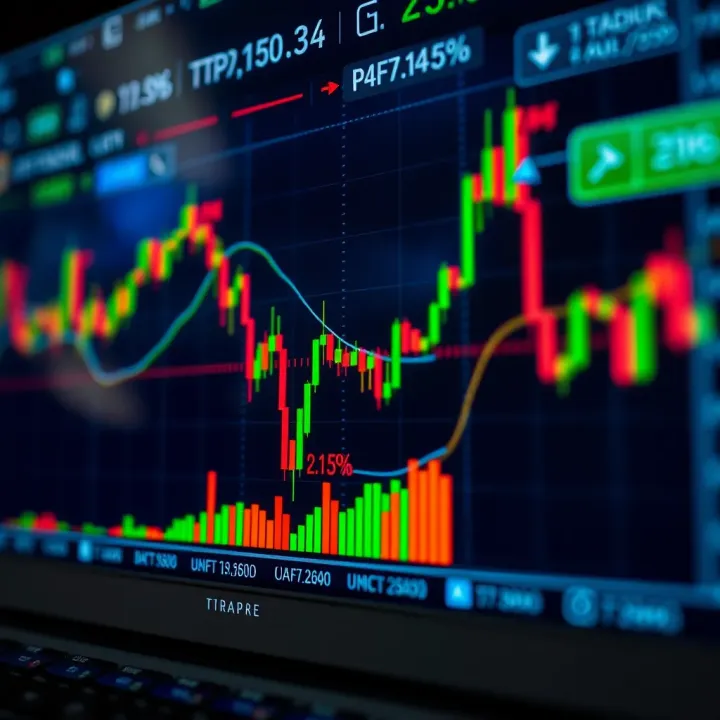
Charts are the backbone of forex trading analysis. They show how currency prices move over time and help identify patterns or reversals. Beginners should start by learning line charts, which plot closing prices over periods, and then progress to candlestick charts. Candlesticks provide more detail by showing opening, closing, high, and low prices within a chosen timeframe.
For example, a candlestick with a long wick on top followed by a bearish candle might signal a price reversal. Grasping these basics can help you make informed decisions rather than relying on guesswork.
Indicators are mathematical calculations applied to charts to highlight trends or potential turning points. Some popular tools used by Kenyan traders include the Relative Strength Index (RSI), Moving Averages (MA), and Bollinger Bands. RSI helps spot when a currency is overbought or oversold, suggesting potential corrections.
Moving averages smooth out price data to reveal the trend direction. For example, a 50-day MA crossing above a 200-day MA often signals a bullish move, a phenomenon known as a "golden cross." Bollinger Bands give an idea of price volatility, expanding during high activity and contracting when the market calms.
Trend analysis involves recognising whether a currency pair is generally moving up, down, or sideways. Identifying trends early can improve trade timing and risk management. Look for higher highs and higher lows in an uptrend, or the opposite in a downtrend.
Besides using indicators, observe support and resistance levels where price tends to bounce or stall. For instance, if USD/KES repeatedly falls near 110 shillings but fails to drop lower, that price is a support level. Such information guides decisions on where to enter or exit trades.
Choosing the right platform and mastering chart tools can build a strong foundation for trading success. These elements equip you with clarity and control over your trades, especially when combined with practical experience and careful study.
Getting started in forex trading can feel overwhelming, especially for new traders facing a sea of information and fast-moving markets. Simple strategies serve as a foundation, helping beginners build confidence and develop disciplined habits early on. This section guides you through planning your initial trades, explains basic strategy types, and shows how to apply them practically.
Setting realistic goals is vital before risking any real funds. Many beginners expect to make quick profits, but forex trading requires patience and steady learning. Start by aiming to understand market movements rather than targeting large returns immediately. For example, setting a goal to improve your trade execution and risk management over the first two months will keep expectations manageable and prevent impulsive decisions.
Using a demo account is one of the smartest moves when starting. It allows you to practise trading with virtual money without the risk of losing KShs. You can experiment with different currency pairs, timing your trades, and testing strategies in real market conditions. This sandbox helps to solidify your understanding before committing actual cash, ensuring you know how to use the platform and manage trades.
When it comes to executing basic trades, the process should be straightforward. You start by choosing a currency pair, then decide whether to buy (expecting the price to rise) or sell (expecting a fall). Use simple order types like ‘market order’ to enter trades at current prices or ‘stop-loss orders’ to limit potential losses automatically. For instance, buying the USD/KES pair at 110.50 and setting a stop-loss at 110.00 helps protect your capital if the market moves against you.
Trend following basics focuses on moving with the market momentum instead of fighting it. If a currency pair shows a consistent upward movement over the past few days, you might buy, expecting the trend to continue. Conversely, a persistent downward trend would hint at selling. This strategy is simple to grasp and helps traders avoid costly counter-trend trades, especially when combined with confirmation from indicators.
Using support and resistance levels involves identifying price points where a currency pair tends to reverse or pause. For example, the USD/KES pair might repeatedly bounce at 110.00 (support) and face difficulty breaking past 111.50 (resistance). Traders can place buy orders near support and sell near resistance, taking advantage of price swings without chasing the market. This method trains you to read price action more clearly.
The simple moving average (SMA) strategy smooths out price data over a set period (say, 20 days) to spot trends. When the current price crosses above the SMA, it signals a potential buy; crossing below signals a sell. This tool reduces noise in volatile markets, making it easier to decide the right moment to enter or exit trades. Many beginners find SMA useful for timing trades without getting lost in minute price changes.
Starting with these practical steps and strategies can save you from common beginner mistakes. The key is to keep trades manageable, learn gradually, and adapt based on your experience rather than chasing fast profits.
By applying these clear-cut approaches, you will build a solid base for more advanced techniques and improve your chances of success in the demanding forex market.
Forex trading offers opportunities but also carries significant risks that can wipe out your capital quickly. Managing these risks is essential to protect your funds and build a sustainable trading practice. Avoiding common pitfalls helps you stay disciplined and make informed decisions rather than acting impulsively. This section highlights key risk management techniques and behavioural tips that every beginner should adopt to navigate the forex market safely.
A stop-loss order acts as a safety net by automatically closing your trade once the price reaches a certain loss level you set beforehand. This tool prevents you from suffering heavy losses when the market moves against your position unexpectedly. For example, if you buy the US dollar against the Kenyan shilling at KSh 110 and want to limit your loss to KSh 5, a stop-loss at KSh 105 will exit the trade if the price falls that low. This helps contain risk, especially when you cannot watch the market all day.
Knowing how much to risk on each trade is critical. Position sizing means choosing the right trade size that aligns with your total capital and risk tolerance. Suppose you have KSh 100,000 in your account and decide to risk only 2% per trade; you shouldn’t risk more than KSh 2,000 per trade. Leverage lets you control a bigger position with a smaller amount, but higher leverage also increases the chance of big losses. Keeping leverage low – say 10:1 instead of 100:1 – helps avoid blowing your account quickly. Being cautious with position size and leverage safeguards your funds over time.
Your trading capital is your lifeline. Protect it by avoiding overtrading, chasing losses, or risking too much on single trades. For instance, trading many pairs at once without a clear plan can scatter your focus and increase mistakes. Instead, focus on a few currency pairs you understand well. Regularly withdrawing profits instead of leaving them all in the account also reduces temptation to overtrade. Think of your capital like your business’s capital – preserve it carefully to keep your trading going.
Markets can be stressful, especially losing streaks. Emotional trading – such as panic selling or revenge buying to cover losses – usually leads to bigger losses. Successful traders recognise these feelings and stick to their trading plan. Techniques like taking a short break after a loss or using preset rules prevent emotions from clouding judgement. For example, if a trade moves against you, the stop-loss executes automatically, removing the need for a tough decision in the heat of the moment.
A trading journal where you record every trade’s details, your thoughts, and outcomes is invaluable. It helps you spot patterns in your successes and mistakes. Maybe you notice you lose money when trading during certain market hours or after skipping analysis. Reflecting on the journal over time improves your strategies and discipline. Even top Kenyan traders maintain journals to refine their approach continually.
Forex markets change, so staying up-to-date is necessary. Continuous learning through webinars, reputable forex educational PDFs, and market reports keeps you sharp. Practising on a demo account and then small live trades lets you test new strategies without risking too much. The best traders adapt and improve rather than sticking rigidly to one method. Remember, forex trading is a skill developed over time, not a quick way to get rich.
Managing risk and controlling emotions are what separate consistent forex traders from those who lose money quickly. Protect your capital and keep learning to improve your chances of success.
By adopting these practical risk management and self-discipline steps, you build a solid foundation for long-term trading in the Kenyan forex market and beyond.
Learning forex trading through PDFs offers a practical way to gain knowledge at your own speed without pressure. PDFs allow beginners to absorb information systematically, focusing on topics step-by-step without being overwhelmed. For example, you can start with understanding basic currency pairs today, then return later to study trading strategies or risk management when you're ready.
Structured learning at your pace
PDF guides often organise material logically, starting from simple concepts and moving towards complex ones. This is valuable because forex can seem complicated at first, and having a clear structure means you don’t skip critical basics. You might spend a few hours on just the section about leverage and spreads until you feel comfortable before going on.
Easy access and offline study
One of the best things about PDFs is that once you download them, you don’t need internet to read or highlight important points. In Kenya, where stable internet can be patchy outside urban areas, this allows learners to study anytime—even during a power outage or while commuting in a matatu. Offline access means you can keep practising and reviewing without disruption.
Trusted sources and reputable guides
When choosing PDFs, it is essential to go for materials from recognised brokers or respected financial educational portals. This assures you the content is accurate and updated according to current market conditions. For instance, many brokers regulated by the Capital Markets Authority (CMA) provide free well-structured PDFs that explain how to trade safely.
Broker websites and educational portals
Many brokers including those active in Kenya, like FXPesa or HotForex, offer beginner-friendly PDFs on their websites. These documents usually come with explanations about how to open accounts, use their platforms, and learn trading strategies. Educational portals focusing on financial markets also upload materials tailored for beginners.
Financial institutions and market experts
PDFs prepared by banks or licensed financial experts add credibility and often include insights on market trends and regulatory advice. For example, Commercial banks in Kenya may share guides on forex basics as part of their investor education activities. Experts can also provide analytical PDFs covering proven trading patterns, which help traders make informed decisions.
Using Kenyan and international resources
Balancing local and global PDFs is a good approach as forex markets operate worldwide. Kenyan resources reflect local regulatory environment and common payment methods like M-Pesa, while international guides introduce universal forex principles and advanced strategies. Combining both helps you understand what applies locally and what global trends influence the forex market.
Studying from well-chosen forex trading PDFs empowers you with essential knowledge, builds confidence, and maximises your chances of trading successfully in the dynamic forex market.
Start your Forex trading journey with easy-to-follow PDFs! Learn strategies, market basics, and risk tips tailored for Kenyan beginners 📊💼📈

Start your forex trading journey with the right app in Kenya 🇰🇪. Learn key features, risks, and tips to trade safely and confidently in the forex market 📈💡.
Learn forex trading in Kenya 🇰🇪 with our practical guide covering market basics, strategies, risk management, choosing brokers, and trading tools 📈

📈 Explore top Forex trading classes in Kenya! Learn essential skills, find the right course, and gain confidence before you trade. Start smart today!
Based on 11 reviews