

Forex Trading Guide for Kenyan Beginners Using PDFs
Start your Forex trading journey with easy-to-follow PDFs! Learn strategies, market basics, and risk tips tailored for Kenyan beginners 📊💼📈
Edited By
Benjamin Clarke
Forex trading has grown in popularity in Kenya thanks to increased internet access and easy mobile money transactions via platforms like M-Pesa. Many see it as a way to earn extra income from home, but the truth is, forex trading requires sound understanding and careful handling to make any meaningful gains.
Simply put, forex trading means buying one currency while selling another simultaneously. Traders speculate on whether a currency pair will rise or fall in value. For example, the USD/KES pair reflects how many Kenyan shillings one US dollar can buy. If you expect the shilling to weaken, you might buy USD/KES hoping the pair’s price will increase, allowing you to sell later at a profit.
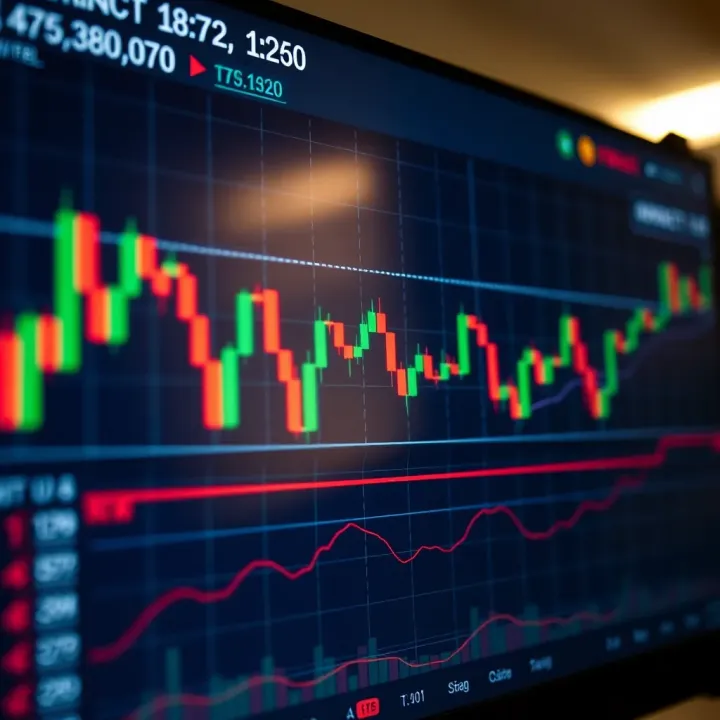
The forex market operates 24 hours a day, five days a week, globally. However, Kenyan traders often do most activity when major markets are open in London and New York because of higher liquidity and more predictable price movements. Trading happens over the internet using platforms like MetaTrader 4 or local brokers’ apps.
Currency Pairs: Every trade involves two currencies, like EUR/USD or USD/JPY. The first is the base currency, the second the quote currency.
Leverage: Brokerages offer leverage—trading with borrowed funds—to increase exposure with less capital. For instance, a 1:100 leverage means with KSh 10,000, you control KSh 1 million in the market. It can greatly amplify profits but also losses.
Spreads and Commissions: Brokers charge either from the difference between buying and selling prices (spread) or by commission per trade. Kenyan traders should compare charges as they affect profitability.
Choose a licensed forex broker registered with the Capital Markets Authority (CMA) to avoid scams.
Open a demo account to practise without risking real money.
Learn to read charts and use basic technical analysis tools like moving averages or support and resistance lines.
Start small to manage risks effectively.
Successful forex trading in Kenya requires discipline, a solid understanding of the market, and careful money management. No shortcut replaces doing proper homework and practising consistently.
Being cautious and learning before committing real funds helps protect your investment and increases your chance of long-term success.
Grasping the basics of forex trading and its mechanics is a key first step for anyone keen on navigating the forex market in Kenya. Without this foundation, it's easy to get lost in the jargon or fall prey to misleading tips common on social media. Understanding how forex trading functions helps you make informed decisions rather than guesses, improving your chances to manage risk and grow your investments steadily.
Forex trading involves buying and selling currencies with the goal of making a profit from changes in exchange rates. Unlike trading in shares or bonds, the forex market operates without a central exchange; it is global and continuous. For example, a trader in Nairobi can buy the US dollar against the Kenyan shilling expecting the dollar to strengthen. When it does, selling back the dollars for shillings earns a profit.
The practical purpose of forex trading is to allow businesses to conduct international trade, investors to speculate, and governments to manage their economies. Everyday people in Kenya might use forex trading platforms to diversify their investments beyond local markets or hedge against the shilling weakening.
Key players in the forex market range from banks and multinational corporations to smaller traders and brokers. Banks facilitate large transactions for clients and often set the price quotes traders see. Multinational firms use forex markets to convert currencies for overseas operations. Retail traders, including those in Kenya, access the market through brokers who provide platforms and leverage.
Understanding these players helps you recognise who influences market movements and how liquidity and price changes happen throughout the day.
Forex differs from other markets primarily by its size, liquidity, and operating hours. It is the largest financial market worldwide, with daily turnover exceeding $6 trillion. Unlike stock markets which close daily, the forex market runs 24 hours on weekdays because it links centres in London, New York, Tokyo, and Sydney. This nonstop operation allows Kenyan traders to engage at convenient times, whether during early morning before work or late evening.
Currencies are quoted in pairs, for example, USD/KES (US dollar to Kenyan shilling). The first currency is the base, and the second is the quote. The exchange rate shows how much of the quoted currency is needed to buy one unit of the base currency. If USD/KES is 120.50, it means you need 120.50 shillings to buy one US dollar. Understanding this helps with quick decisions about buying or selling.
Market hours depend on major financial centres opening and closing. Nairobi overlaps mostly with London and New York sessions, usually between 4 pm and midnight EAT. This is when liquidity—and thus trade opportunities—peak. Trading during these hours can provide better spreads and less slippage, important for executing trades well.
Exchange rates move due to factors like economic data releases, political events, and central bank policies. For example, if the Central Bank of Kenya announces a hike in interest rates, the shilling may strengthen as investors seek better returns. Conversely, political unrest can cause rapid currency depreciation. Following news and economic calendars keeps traders informed and ready to react to those shifts.
Knowing how forex works gives you the upper hand—trading with understanding cuts down guesswork and positions you to ride market waves rather than get washed away.
This foundation is essential before placing your first trade in Kenya's growing forex scene.
Starting forex trading in Kenya involves a few key steps that set the foundation for a successful experience. It's not just about opening an account; you need to choose the right broker, understand regulatory requirements, and know how to fund your trading account efficiently. These elements ensure your investments are secure and you have smooth access to the global forex market.
The Capital Markets Authority (CMA) in Kenya regulates forex brokers to protect investors from fraud and malpractice. Choosing a broker licensed by CMA provides a level of safety, assuring that the broker follows local rules on transparency and client fund protection. For example, a CMA-regulated broker is required to keep client funds separate from company funds, reducing risks of misuse.
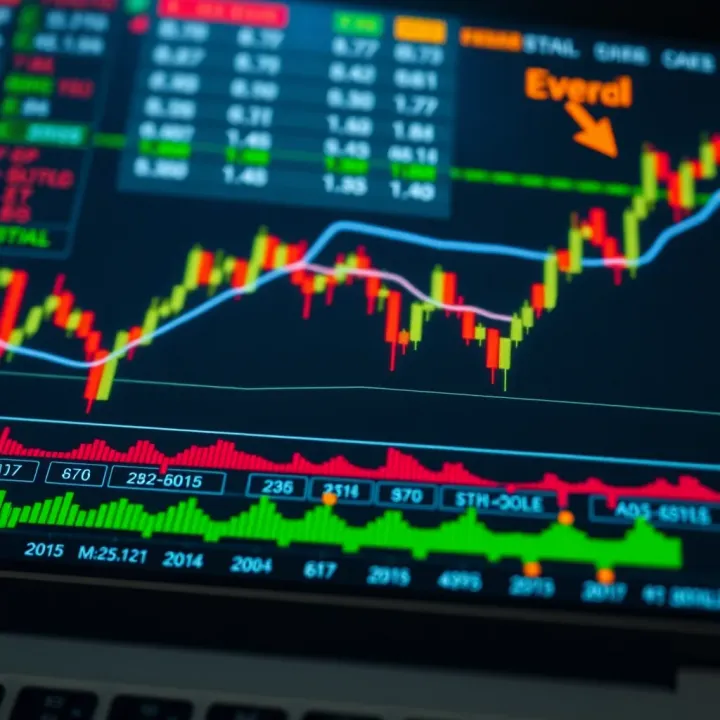
Kenyan traders have access to both local and international brokers offering popular platforms like MetaTrader 4 and MetaTrader 5. These platforms support real-time trading, charting, and technical analysis. Some brokers also provide mobile apps compatible with M-Pesa, making it easier to deposit and withdraw funds. Choosing a platform with good customer support in Kenya and user-friendly interfaces is essential for new traders.
Before committing, always check the broker’s track record. Read reviews from other Kenyan traders and verify how transparent they are about fees such as spreads, commissions, and withdrawal charges. Lower fees can help you keep more profits, but reliability matters more. For instance, an unreliable broker with low fees could delay withdrawals or provide poor support, which harms your trading journey.
Opening a forex trading account typically requires submitting identification like a national ID or passport and proof of residence such as a utility bill. Kenyan brokers often require these to comply with local anti-money laundering laws. Registration may also include filling in details about your source of income and trading experience to assess risk tolerance.
Most Kenyan brokers accept M-Pesa and direct bank transfers, providing flexibility for funding your trading account. M-Pesa is especially convenient as it allows instant deposits and withdrawals from mobile devices without extra banking charges. This service reduces delays and makes it easier for traders outside Nairobi who may lack easy access to banks.
A demo account lets you practise forex trading with virtual money before risking your savings. It replicates real market conditions, helping you understand how trades work and test strategies without pressure. Most brokers in Kenya offer demo accounts, so make use of these to build confidence and sharpen your skills before going live.
Starting forex trading on a solid footing requires attention to broker choice, proper registration, and familiarising yourself with funding methods. Taking the time to set up well can save you from headaches and losses down the road.
In summary, understanding the regulatory landscape, picking a trustworthy broker, and properly setting up your account are vital first steps for any Kenyan keen to enter forex trading. These practical moves will help you trade more safely and make the most of available tools and payment options.
Understanding the basic concepts of forex trading is essential for any beginner, especially in Kenya where the market is rapidly growing. These concepts help you know how trades are made, calculate potential profits or losses, and manage your risks effectively. Without a solid grasp, even a promising investment can quickly turn sour.
Currency pairs are the backbone of forex trading. They always come in two parts: the base currency and the quote currency. For example, in USD/KES, USD is the base currency, and KES is the quote currency. This means you are buying or selling the base currency against the quote currency.
There are three main types of pairs: major, minor, and exotic. Major pairs include currencies like the USD, EUR, and GBP and are generally the most traded, making them more liquid and with tighter spreads. Minor pairs exclude the USD but still represent strong currencies like EUR/GBP. Exotic pairs involve one major currency and one from a developing economy, such as USD/KES or EUR/ZAR. Exotic pairs often have wider spreads and can be more volatile due to lower liquidity.
Reading currency quotes correctly is crucial because it tells you the rate at which one currency can be exchanged for another. Usually, the price is shown to four decimal places, and the smallest change you can observe is called a pip. For example, if USD/KES moves from 110.0000 to 110.0001, that is a one pip movement. Understanding this helps you track market changes and know when to enter or exit trades.
Calculating profits and losses per pip is vital to efficient trading. Suppose you buy one standard lot (100,000 units) of USD/KES at 110.0000 and the price rises to 110.0100, you gain 100 pips. If each pip is worth KSh 10, your profit is KSh 1,000. On the other hand, if the price falls 100 pips, your loss will be the same amount. Knowing this helps you manage your risk and decide your trade size accordingly.
Leverage allows you to control a larger position with a smaller amount of money. For instance, with 1:100 leverage, depositing KSh 1,000 lets you trade KSh 100,000. This magnifies profits but also magnifies losses, making it a double-edged sword. A small market move can wipe out your deposit if you’re not careful.
Margin is the money that your broker holds as collateral for your leveraged position. If your losses approach this margin, you may face a margin call, requiring you to either top up your account or close some positions. In Kenya, brokers often require margin levels of about 1% to 5% depending on the leverage and the currency pair traded.
Managing risk when using leverage involves setting stop-loss orders and not risking more than you can afford to lose. For example, even if the broker offers you 1:500 leverage, it’s safer to use less to avoid quick account wipeouts. Proper position sizing according to your account balance helps reduce the risk associated with leverage.
Scalping and day trading are strategies that focus on quick trades, often minutes or hours, profiting from small price changes. A scalper might make dozens of trades daily, aiming to collect small gains that add up. This requires discipline, fast decision-making, and careful monitoring.
Swing trading, by contrast, involves holding trades for several days to weeks to benefit from medium-term price moves. If for example you spot a trend in USD/KES due to political events or economic data, you might hold your position to ride the move. This suits traders who can’t sit in front of their screens all day but have time for periodic reviews.
Technical analysis uses charts, patterns, and indicators to predict price movements. Fundamental analysis relies on economic data, like inflation rates, interest rates, and political stability, to inform trades. Many Kenyan traders combine both for better accuracy.
Mastering these key concepts and strategies is the foundation for smooth navigation of the forex market, especially in Kenya's unique trading environment where local and global factors interact closely.
Taking care of your investment is a key part of trading forex. Managing risks means recognising potential threats to your money and putting measures in place to reduce losses. If you trade without a plan for managing risks, one wrong move can wipe out your profits — or even your entire account.
The forex market is famously volatile. Exchange rates can swing wildly because of economic reports, political events, or sudden shifts in global markets. For example, when the Central Bank of Kenya changes interest rates, the Kenyan shilling might spike or drop against other currencies within minutes. This unpredictability means prices don’t always move as expected, and traders can lose money fast if they’re not careful.
Choosing a reliable broker is critical. Some brokers might operate without proper licensing or engage in fraudulent activities like manipulating prices or refusing withdrawals. For Kenyan traders, sticking to brokers regulated by the Capital Markets Authority (CMA) helps reduce these risks. Verify their credentials and look for user reviews before trusting them with your money.
Trading requires more than just knowledge; it demands emotional control. Greed and fear often cloud judgment. For instance, a trader might hold on to a losing position hoping for a rebound, which can worsen losses. Or, they might make impulsive trades after a big win. Being aware of these mental traps can help you stick to your trading plan and avoid costly mistakes.
Stop-loss orders limit potential losses by automatically closing a trade when the price hits a set level. Similarly, take-profit orders lock in gains by closing a trade once a target profit is reached. For example, if you buy EUR/USD at 1.0900, setting a stop-loss at 1.0850 limits loss to 50 pips. These tools help prevent emotional decision-making and protect your capital from unexpected market moves.
Knowing how much to trade on each position is vital to avoid overexposure. A common approach is risking only a small percentage—say 1-2%—of your trading capital per trade. For instance, if your account holds KS00,000, you shouldn’t risk more than KS,000 or KS,000 on a single trade. This way, even a series of losses won’t devastate your account.
Spread your money across different currency pairs or trading strategies instead of putting it all in one place. Diversification can reduce risk because not all currencies move the same way at the same time. Also, avoid the temptation to trade too often or increase trade size after losses—a practice known as overtrading. It often leads to mistakes and bigger losses. Stick to your trading plan and be patient.
Managing risks isn’t about avoiding losses entirely, but about controlling size and frequency so your trading remains sustainable and profitable over time.
Building strong skills and using the right resources play a big role in becoming a successful forex trader in Kenya. Trading the forex market isn't just about chance; it requires ongoing learning, access to reliable tools, and the right mindset. With the many platforms and brokers available, knowing where to focus your energy can save you from unnecessary losses and frustration.
Online courses and tutorials provide a flexible way to learn the basics and beyond. Many Kenyan traders start by enrolling in free or affordable courses on platforms like Udemy or Coursera, which explain currency pairs, trading strategies, and technical analysis. These courses allow you to learn at your own pace while balancing daily commitments. For example, a working Nairobi trader might take evening courses to build knowledge gradually before risking real money.
Local forex seminars and workshops offer practical learning with direct interaction. These events, often held in Nairobi or Mombasa, allow beginners to ask questions and receive guidance from experienced traders or brokers. They also provide networking opportunities which can lead to mentorship or community support. Attending a weekend workshop might give you insights on Kenya-specific trading conditions that are hard to get online.
Demo accounts and simulation tools let you practise trading without risking actual cash. Kenyan brokers usually offer demo accounts where you can trade with virtual money on real market data. This hands-on practice helps you test strategies and understand market behaviour before committing funds. It’s like training on a practice pitch before playing in the Premier League.
Popular trading platforms like MetaTrader are widely used by Kenyan traders for their reliability and user-friendly interface. MetaTrader 4 and 5 allow you to execute trades, access charting tools, and run automated trading robots. Most Kenyan brokers, such as EagleFX or Exness, support these platforms making it easy to start.
Charting and analysis software enhance your decision-making by displaying price trends and indicators. Tools like TradingView provide advanced charting capabilities accessible via a web browser or mobile app. For a Kenyan trader, spotting trends early can help when dealing with volatile currencies like the Kenyan shilling against the US dollar.
Economic calendars and news sources keep traders informed about key events impacting currency movements. Websites like Investing.com or Forex Factory provide real-time updates on economic reports, interest rate decisions, or political developments. Being aware of Kenya’s central bank monetary policy announcements, for example, can help you avoid sudden market swings.
Keeping a trading journal is a simple habit that can improve your trading over time. Writing down your trades, the reasons behind them, and the outcomes helps identify what’s working and what needs change. A trader in Kisumu might notice they perform better trading morning hours after reviewing their journal.
Setting realistic goals prevents frustration and encourages steady progress. If you aim to double your account every week, you set yourself up for disappointment. Instead, focus on small, achievable profits and continuous learning. Even a modest gain of 2% per week adds up nicely over months.
Knowing when to pause or stop trading protects your capital and mental health. Taking breaks after losing streaks or when feeling anxious helps prevent rash decisions. For instance, a trader noticing repeated losses during a volatile period should step back rather than chasing losses, avoiding deeper financial trouble.
Successful forex trading in Kenya depends as much on your skills and mindset as on picking the right broker or strategy. Use available resources wisely, stay disciplined, and treat trading like a profession that demands patience and continuous learning.
Start your Forex trading journey with easy-to-follow PDFs! Learn strategies, market basics, and risk tips tailored for Kenyan beginners 📊💼📈
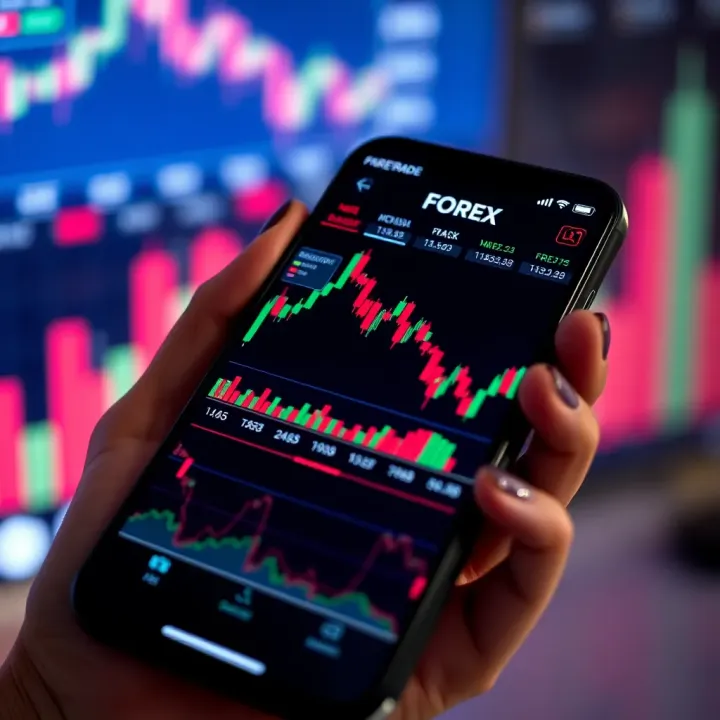
Start your forex trading journey with the right app in Kenya 🇰🇪. Learn key features, risks, and tips to trade safely and confidently in the forex market 📈💡.
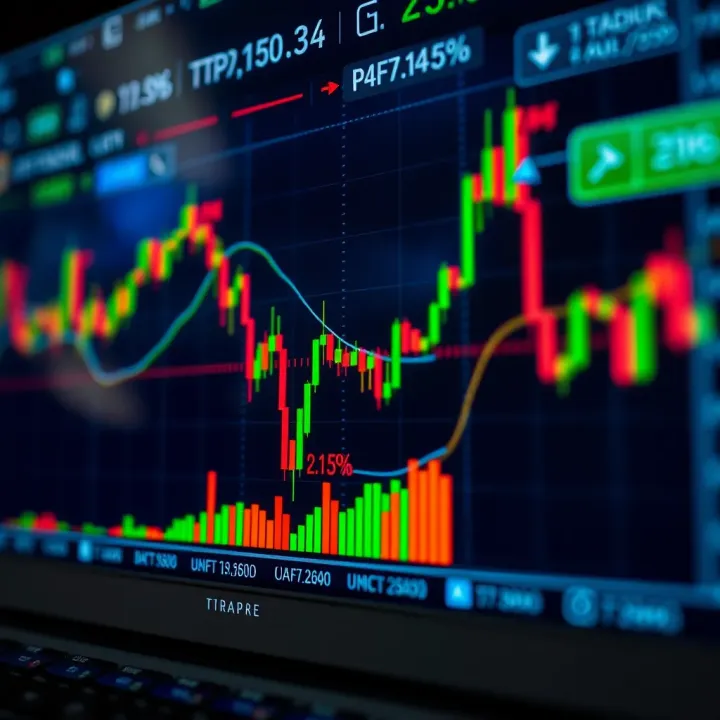
Learn forex trading in Kenya 🇰🇪 with our practical guide covering market basics, strategies, risk management, choosing brokers, and trading tools 📈

📈 Explore top Forex trading classes in Kenya! Learn essential skills, find the right course, and gain confidence before you trade. Start smart today!
Based on 6 reviews