

Forex Trading Guide for Kenyan Beginners Using PDFs
Start your Forex trading journey with easy-to-follow PDFs! Learn strategies, market basics, and risk tips tailored for Kenyan beginners 📊💼📈
Edited By
George Whitaker
Forex trading involves buying and selling currencies to profit from changes in exchange rates. In Kenya, interest in forex trading has grown steadily, thanks partly to increased internet access and mobile platforms like M-Pesa that make global trading easier. However, getting started without understanding the basics can quickly lead to losses.
This guide breaks down essential concepts and practical steps tailored for Kenyan beginners who want a clear path into forex trading. You'll learn key terms, how to avoid common mistakes, and the best ways to use local brokers and platforms effectively.
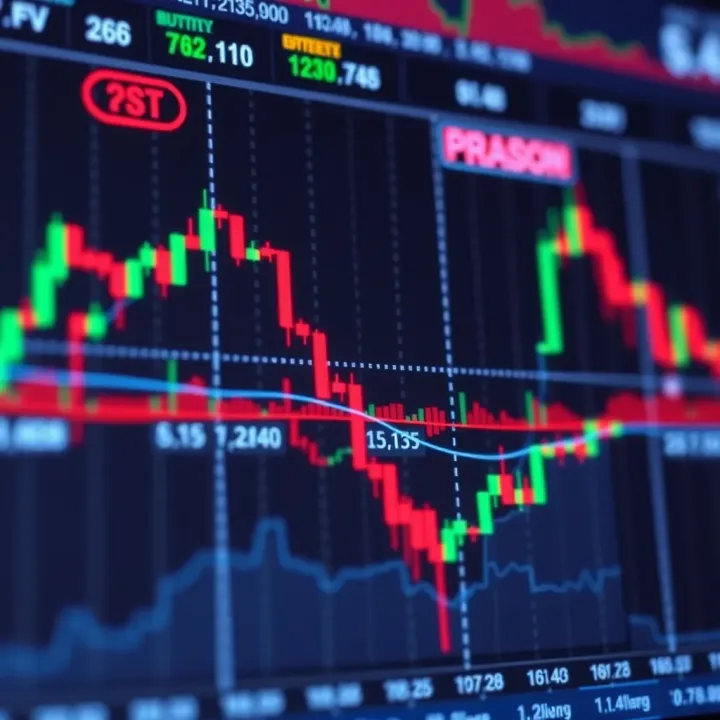
The forex market operates 24 hours a day, five days a week, with currencies traded in pairs like USD/KES (US Dollar to Kenyan Shilling). Prices fluctuate due to factors like economic data, interest rates, and geopolitical events. For example, if Kenya’s inflation rises above expected levels, the Kenyan Shilling might weaken, affecting forex rates.
Kenyan traders often use leverage to amplify profits, but this also increases risks. A leverage of 1:100 means you control KSh 100,000 with just KSh 1,000—but even small market moves can lead to significant losses.
Most Kenyan traders start by opening an account with a licensed forex broker offering local payment options such as M-Pesa or bank transfers. Check that the broker is regulated by authorities like the Capital Markets Authority of Kenya (CMA) to ensure safer trading.
Here is a simple checklist when choosing a broker:
Transparent fee structure and spread costs
Support for KSh funding methods
Easy-to-use trading platforms compatible with mobile and desktop
Educational resources and customer support
Always start small and treat forex trading as a skill-building process rather than a quick way to earn. Losing some money is common while learning.
Use demo accounts first to practice without risking real money
Develop a clear trading plan with profit targets and stop losses
Avoid high leverage initially to reduce exposure
Keep records of your trades to identify what works and what does not
By focusing on these practical steps and local realities, Kenyan beginners can build a strong base for forex trading that grows steadily over time.
Grasping the basics of forex trading is the foundation for anyone who wants to thrive in this field. Before diving into complex strategies or technical charts, it's important to understand what forex trading really involves, who the main players are, and how currency values are affected. This knowledge not only helps you make informed decisions but also avoids costly mistakes when trading Kenyan shillings or major global currencies.
Forex trading, at its core, means buying and selling currencies against one another. The aim is to profit from the changes in exchange rates between two currencies. For example, you might buy the US dollar (USD) against the Kenyan shilling (KES) if you believe the dollar will strengthen. If the exchange rate shifts in your favour, you can sell the USD back for more KES and make a profit.
The purpose of forex trading is not just speculation; it’s also a vital part of international trade and investment. Businesses, investors, and governments exchange currencies daily to pay for imports or manage their reserves. For Kenyan exporters receiving payments in dollars or euros, understanding forex helps them decide the best time to convert these funds locally.
Forex markets focus on major currency pairs involving the most traded currencies globally. The major pairs include USD/EUR, USD/JPY, and USD/GBP, among others. These pairs usually have the highest liquidity and tighter spreads, meaning trading costs are lower. For Kenyan traders, pairs like USD/KES or EUR/USD are common because they connect the local economy with the global market.
Each currency pair has a base currency and a quote currency. For instance, in USD/KES, the USD is the base, and KES is the quote. The exchange rate shows how much KES you need to buy one USD. Knowing how these pairs operate helps traders spot opportunities, especially when news or events shift market sentiment.
How exchange rates move directly impacts your trading results. Rates fluctuate due to economic data, interest rates set by central banks, political events, and market sentiment. When the Central Bank of Kenya raises its benchmark rate, it usually strengthens the shilling, affecting pairs like USD/KES. Traders watch such changes closely to time their buy and sell decisions effectively.
Central banks are among the most influential participants in forex markets. Institutions like the Central Bank of Kenya (CBK) intervene to stabilise or guide the exchange rate by buying or selling foreign currency reserves. Their decisions on monetary policy, such as adjusting interest rates or setting forex regulations, shape currency values. For traders, understanding central bank moves is crucial to anticipate market trends.
Commercial banks and financial institutions act as intermediaries facilitating large currency transactions for clients and themselves. They provide liquidity and set bid-ask prices for currency pairs. When a bank in Nairobi processes a large dollar transfer for a multinational company, it contributes to forex market flows. These players also offer trading services to retail clients through customer brokers, influencing spreads and execution quality.
Retail traders — individuals like you — participate through brokers who provide access to the forex market. These brokers match orders and offer platforms where you can trade currencies, often in small amounts with leverage. Since retail traders are a smaller part of the overall market, their trading patterns are more reactive, often following trends set by bigger players.
Knowing how these key players interact helps you understand price movements and market liquidity, helping you make smarter trades.
In summary, understanding forex basics means recognising what trading involves, which currencies matter, how exchange rates shift, and who causes these shifts. This foundation sets the stage for more advanced strategies and informed trading in the Kenyan market.
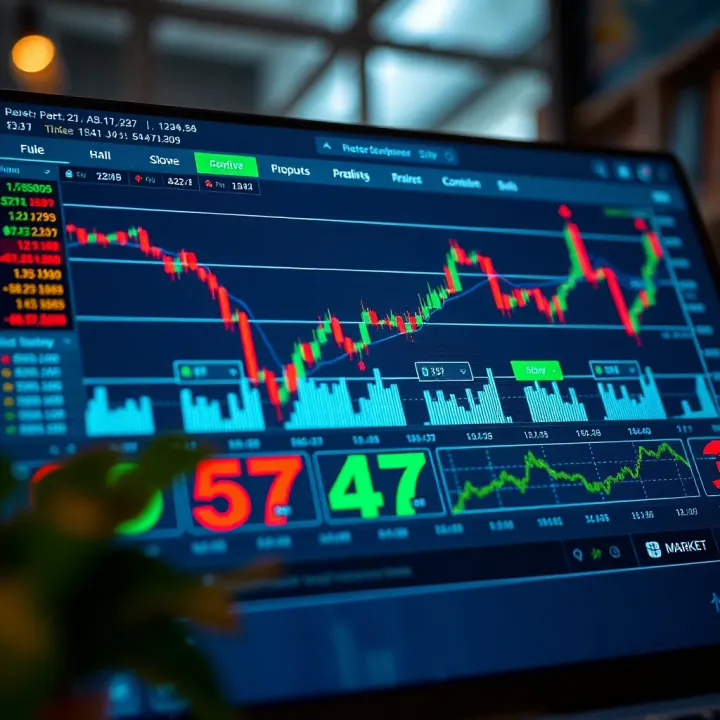
Understanding the core concepts of forex trading is key before making any move in the market. For beginner traders in Kenya, grasping these ideas helps build a strong foundation that supports smarter decisions and protects you from common mistakes. This section covers the basics of leverage, margin, chart reading, and market analysis—all practical tools to help you trade intelligently.
Leverage allows you to control a larger position in the forex market using a relatively small amount of your own money. For example, with a leverage of 1:100, you can trade KS million worth of currency by committing just KS0,000 of your capital. This means you can increase your potential profits without having to put down the full amount. For Kenyan traders with limited funds, leverage offers a chance to enter bigger trades and possibly increase returns.
While leverage can boost gains, it equally magnifies losses. Using high leverage like 1:500 may sound attractive, but markets can quickly move against you, wiping out your margin and causing rapid losses. For instance, a slight unfavourable shift of 0.2% in the exchange rate could cost more than your initial deposit. This is why many experienced traders advise using moderate leverage and always having a clear risk management plan in place.
Margin refers to the minimum amount you need in your trading account to open or maintain a position. Brokers set margin levels depending on the leverage they offer—higher leverage means lower margin requirements. If your account balance falls below the margin needed, you may get a margin call, requiring you to add more funds or close positions. Understanding margin helps you manage your bankroll effectively and avoid unexpected account liquidations.
Charts display price movements and are essential for making informed trades. The most common are:
Line charts that show closing prices over a period, offering a simple trend overview.
Bar charts that provide opening, closing, high, and low prices, helpful for spotting volatility.
Candlestick charts, popular among Kenyan traders, which visually show price direction and strength using coloured bars. For example, green candlesticks indicate rising prices, while red show falling. Knowing which chart type suits your strategy can speed up your decision-making process.
Technical indicators are mathematical calculations based on price and volume that can signal trends, momentum, or potential reversal points. Common indicators include the Moving Average (shows average price trends), Relative Strength Index (RSI, highlights overbought or oversold conditions), and MACD (signals momentum changes). Using these indicators alongside charts can boost accuracy in predicting price changes and timing your entries or exits.
Beyond charts, forex prices also respond to real-world economic conditions. In Kenya, factors such as Central Bank of Kenya (CBK) interest rate decisions, inflation rates, trade balances, and political stability can all influence the Kenyan shilling's value. For instance, a rise in CBK's base rate may strengthen the shilling as investors seek higher returns. Monitoring these fundamentals alongside technical analysis prepares you to anticipate market moves triggered by breaking news or economic reports.
Mastering these essential concepts equips you with the mindset and tools to trade forex with confidence. Both technical skills and understanding of market forces play a role in successful trading journeys based in Kenya's unique economic environment.
Beginning forex trading in Kenya requires careful planning, especially considering local financial systems and regulatory frameworks. For many Kenyans, forex trading represents an opportunity to diversify income beyond traditional sources like farming or salaried jobs. However, success depends on picking the right broker, understanding account requirements, and choosing convenient payment methods.
When selecting a broker, regulation is a key factor. Regulated brokers follow set rules to protect traders from fraud and unfair practices. In practical terms, trading with a regulated broker means your funds are segregated (kept separate from the broker's operational capital), which reduces risk of loss if the broker faces financial trouble. It's wise to check if your broker is licensed by recognised authorities to ensure transparency and accountability.
Local regulation brings an extra layer of security for Kenyan traders. Brokers registered with the Capital Markets Authority (CMA) of Kenya comply with national guidelines tailored for Kenyan investors. This protects Kenyan traders under the law and makes the process of resolving disputes clearer and faster. At the same time, international regulation, offered by entities like the Financial Conduct Authority (FCA) or the Australian Securities and Investments Commission (ASIC), signals that the broker operates under strict global standards.
Popular brokers accessible in Kenya include FXTM, HotForex, and Pepperstone. These platforms provide user-friendly interfaces suitable for beginner and intermediate traders. They also support multiple funding options, including M-Pesa, making it straightforward for Kenyan traders to deposit and withdraw funds locally.
Forex brokers usually offer different account types, each with its own minimum deposit requirements and trading conditions. For beginners, micro or mini accounts with lower minimum deposits (sometimes as low as KSh 1,000) are ideal because they allow practice with limited financial risk. More advanced accounts may require higher deposits but provide better spreads and more features.
The verification process follows the Know Your Customer (KYC) rules, which require traders to submit identification documents such as a national ID or passport, and proof of residence. This step helps brokers prevent fraud and money laundering. For Kenyans, documents like a copy of the national ID, a utility bill, or a bank statement commonly suffice.
Brokerages usually offer various funding methods to suit local preferences. M-Pesa remains the most convenient option for most Kenyans due to its widespread use and real-time transactions. Bank transfers are available but take longer and sometimes have higher fees. Some brokers also accept credit/debit cards or e-wallets like Skrill, but these may not be as popular locally.
Choosing the right broker and account setup can save you a lot of headaches later, especially when it comes to safety of funds and smooth deposits or withdrawals.
With these basics, Kenyan traders can confidently open their first forex account and start trading with practical advantages suited to the local environment.
Trading forex is not just about knowing when to buy or sell; it is equally about managing risks and maintaining discipline. Without these, even the best strategies can lead to losses. In Kenya, where many are starting with limited capital, protecting what you invest is the foundation of long-term success in the forex market.
Sudden market changes can cause sharp currency shifts. For instance, a political announcement in the US or an unexpected interest rate hike by the Central Bank of Kenya can cause rapid price movements. Traders who ignore such factors may suffer large losses within minutes. These unpredictable swings demand constant attention and readiness to act.
Leverage lets you control bigger positions with smaller funds but magnifies both profits and losses. Using high leverage is tempting, especially for Kenyan traders with limited funds, but it also increases the chance of wiping out your account quickly. For example, with 100:1 leverage, a 1% adverse move in the exchange rate can erase your entire deposit if you don't manage your trades well.
Emotions like fear and greed can cloud judgment. Many beginners panic during losses and close trades early or chase losses by risking more than planned. For example, after a series of wins, overconfidence may lead to reckless larger trades. Recognising these psychological traps is key to consistent trading.
Stop-loss orders automatically close a trade to limit losses when the market moves against you, while take-profit locks in gains once a target price is reached. Kenyan traders benefit by setting these points thoughtfully based on market analysis rather than guesswork. For example, setting a stop-loss at 50 pips below entry prevents unexpected hefty losses during volatile sessions.
Deciding how much to risk per trade affects your longevity in the market. A common rule is to risk no more than 1-2% of your total capital on a single trade. So, if you have KSh 50,000, your maximum risk should be about KSh 500 to KSh 1,000. This approach prevents a few bad trades from wiping you out.
Sticking to your trading plan and resisting impulsive decisions are crucial. For example, waiting for a clear signal before entering a trade, rather than chasing after every sudden price move, can save your funds. Discipline also involves regular review of your trades to learn and adapt.
Successful forex trading combines smart risk management with steady discipline. Without these, gains may be short-lived.
Building these habits early helps Kenyan traders to weather the ups and downs and increase their chances of long-term success in the forex market.
Using the right tools and resources is key to mastering forex trading. Without proper support, beginners can easily get overwhelmed or make costly mistakes. Practical learning materials, platforms, and apps help you understand market behaviour, develop strategies, and gain confidence before risking real money.
Several local forex training providers offer courses designed specifically for Kenyan traders. These programmes often blend theory with practical examples tuned to local market contexts, covering trading basics, risk management, and platform usage. For instance, some Nairobi-based firms provide weekend workshops, while online Kenyan platforms offer step-by-step video lessons suitable for busy learners.
Free resources also play a huge role. Many websites provide trading simulators where you can practise buying and selling currencies using virtual funds. This hands-on experience sharpens your skills without the risk, especially useful when understanding complex concepts like order types or leverage. Additionally, free tutorials and webinars by traders around East Africa give insights into current market trends and common pitfalls.
Reading materials and discussion forums remain valuable. Books like Currency Trading for Dummies or Forex for Ambitious Beginners introduce concepts clearly and concisely. Meanwhile, online forums where Kenyan and regional traders exchange tips offer practical viewpoints on brokers, strategies, and economic events affecting the shilling or dollar.
Most Kenyan forex traders start with platforms like MetaTrader 4 (MT4) or MetaTrader 5 (MT5). These tools provide a reliable interface to analyse markets, place trades, and manage orders. MT5 introduces additional features such as more timeframes and advanced charting, helpful as you gain trading experience. Their wide availability and compatibility with local brokers make them top choices.
For traders on the move, mobile apps are essential. Safaricom users can pair MetaTrader apps with M-Pesa for swift account funding. Other apps like IQ Option or Binomo cater to the Kenyan market with easy navigation and local payment options. The ability to check prices and execute trades anywhere—whether in town or upcountry—helps you catch market moves in real time.
Setting up demo accounts is highly recommended before trading live. Demo accounts simulate live market conditions with virtual money, allowing you to test strategies and familiarise yourself with platform tools without financial risk. Most brokers accessible in Kenya provide free demos, giving you a risk-free space to practice and build discipline.
Mastering forex starts with the right support materials and user-friendly platforms. They turn theoretical knowledge into practical skills, helping you transition from learner to confident trader.
Start your Forex trading journey with easy-to-follow PDFs! Learn strategies, market basics, and risk tips tailored for Kenyan beginners 📊💼📈
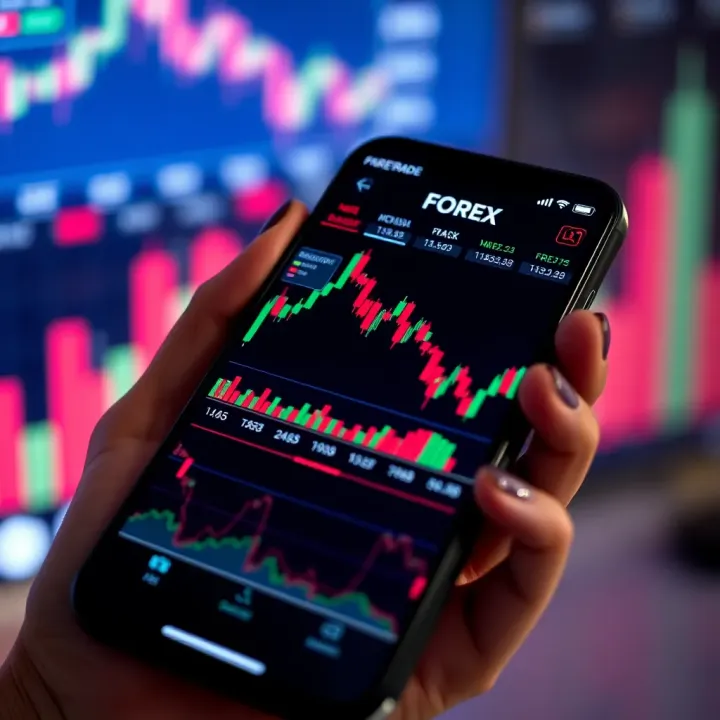
Start your forex trading journey with the right app in Kenya 🇰🇪. Learn key features, risks, and tips to trade safely and confidently in the forex market 📈💡.
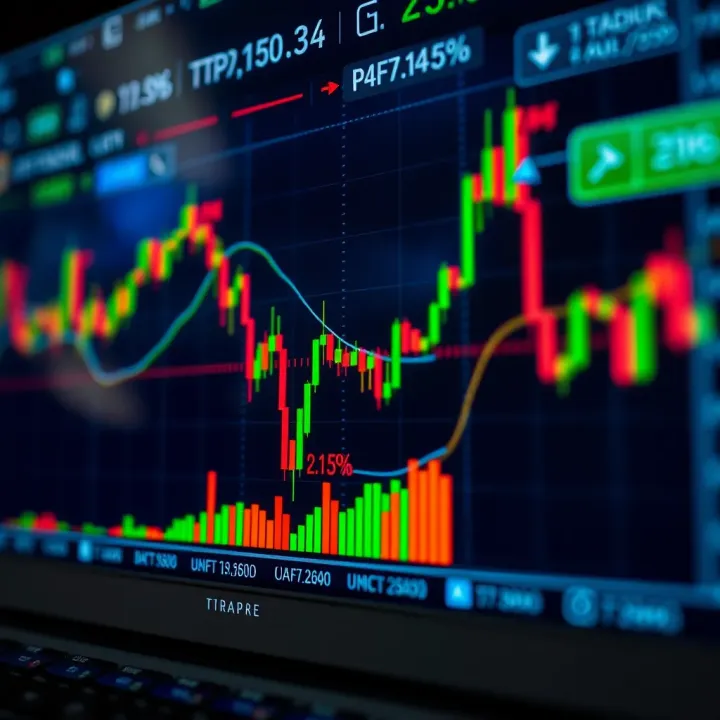
Learn forex trading in Kenya 🇰🇪 with our practical guide covering market basics, strategies, risk management, choosing brokers, and trading tools 📈

📈 Explore top Forex trading classes in Kenya! Learn essential skills, find the right course, and gain confidence before you trade. Start smart today!
Based on 5 reviews