

Forex Trading Guide for Kenyan Beginners Using PDFs
Start your Forex trading journey with easy-to-follow PDFs! Learn strategies, market basics, and risk tips tailored for Kenyan beginners 📊💼📈
Edited By
Victoria Simmons
Forex trading attracts many Kenyans eager to tap global currency markets for potential profits. Unlike stocks, forex trading involves buying and selling currency pairs like USD/KES, where traders speculate on exchange rate changes. Understanding how this market works and the practical steps to participate is key before risking your hard-earned KSh.
The forex market runs 24 hours on weekdays, meaning you can trade anytime from Nairobi or Mombasa, matching it with your daily routine. Local traders often face challenges like choosing the right platform that supports popular mobile payment methods, such as M-Pesa, for smooth deposits and withdrawals. This PDF guide is designed to address those specific needs alongside basic market knowledge.
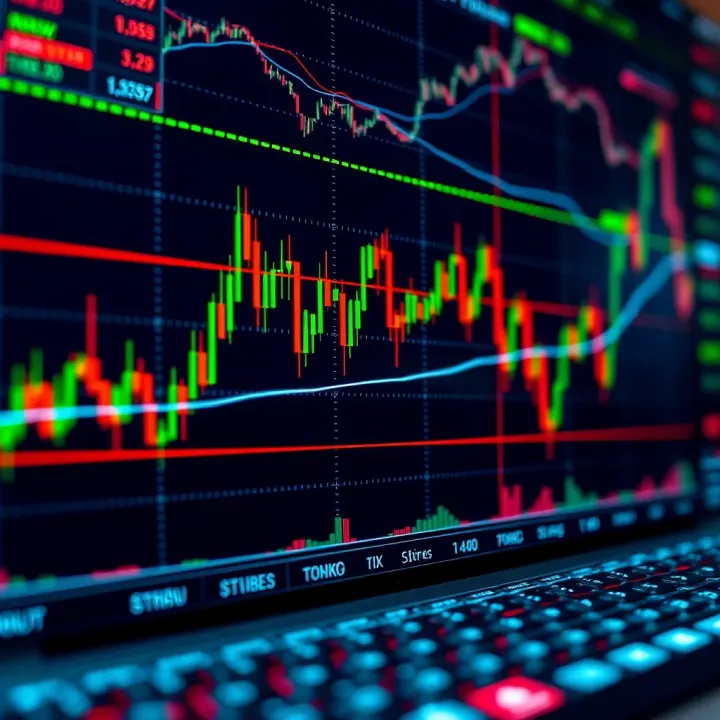
You will find clear explanations of essential forex terms like pips, lots, leverage, and spreads. The guide walks you through setting up a trading account, with advice on selecting brokers regulated by trusted bodies such as the Capital Markets Authority (CMA) Kenya.
Managing risk is a priority, so practical tips on stop-loss orders and appropriate position sizing help protect your capital. Alongside technical knowledge, the guide highlights Kenya-specific considerations, including tax obligations under the Kenya Revenue Authority (KRA) and how foreign exchange fluctuations may affect trading decisions.
Many beginners dive into forex hoping for quick wins but end up confused by jargon or scams. This practical guide aims to give you solid footing and local insights to trade confidently.
Forex trading can complement other income streams, especially for those active in the hustler economy or jua kali sector. With the right knowledge and tools, you can avoid common pitfalls like untrustworthy brokers or ignoring regulatory compliance. Understanding payment options is crucial—the integration of M-Pesa with trading platforms simplifies access, making it easier to fund accounts without visiting banks.
Local market conditions, such as interest rate changes by the Central Bank of Kenya (CBK) or regional economic news in the East African Community (EAC), directly affect currency values. Staying informed about these factors alongside technical trading skills sets you apart from casual speculators.
Trading forex in Kenya is achievable with the right support and know-how. This PDF guide brings that to your fingertips with practical steps to start trading safely and successfully.
Grasping the basics of forex trading is essential before putting your money on the line. For Kenyan traders, this knowledge forms the foundation upon which successful trading is built. Without it, the market can seem like a maze where one easily gets lost. Covering what forex trading really means, who takes part, and how prices move gives you a clear picture that helps in making informed decisions.
Forex trading involves buying one currency while simultaneously selling another. These currency pairs allow traders to speculate on exchange rate movements. For instance, if you believe the euro will strengthen against the US dollar, you buy the EUR/USD pair. Your profit depends on the direction and size of that movement. This market is the largest and most liquid in the world because currencies are always in use for trade, tourism, and investment.
Major players in forex include central banks, commercial banks, hedge funds, corporations, and retail traders like you. Popular currency pairs, such as EUR/USD, GBP/USD, and USD/JPY, dominate trading volumes. Kenyan traders often focus on pairs involving the US dollar since it is widely used in imports and exports across East Africa.
Exchange rates fluctuate due to supply and demand influenced by factors like economic data, geopolitical events, interest rate decisions, and market sentiment. For example, if the US releases stronger-than-expected employment figures, the dollar might appreciate against other currencies. Understanding these drivers lets traders anticipate price twists and spot opportunities.
Forex operates 24 hours a day during weekdays because trading happens wherever markets are open worldwide—from Asia to London then New York. This around-the-clock activity means you can trade at convenient times, such as late evenings after work in Nairobi. The market’s high liquidity ensures you can enter and exit trades quickly, unlike some stock markets where volumes can dry up.
However, forex trading comes with challenges, including high leverage which can amplify losses if not carefully managed. The fast pace can also tempt traders to take impulsive decisions. Yet, its advantages like low transaction costs and access to global markets make it attractive. With the right knowledge and risk controls, forex can become a useful part of your financial toolkit.
Getting comfortable with how forex works — its mechanics, participants, timing, and risks — sets you up to trade smarter and with confidence. This section lays the groundwork, ensuring you start with clear eyes on what to expect.
Before you put your hard-earned KSh on the table, knowing fundamental forex trading terms helps you avoid costly mistakes. Trading jargon like pips, lots, leverage, and margin may sound complex, but understanding them gives you a sharper edge when navigating the market. These terms shape how you measure gains, handle risks, and execute trades.
Pips, lots, leverage, and margin are central to grasping forex trades. A pip is the smallest price move a currency pair makes; for example, if USD/KES moves from 109.50 to 109.51, that's a one-pip change. Traders often trade in lots, which are standardised units, usually 100,000 of the base currency. For beginners with modest capital, micro lots (1,000 units) might be more suitable.
Leverage amplifies your buying power by letting you control larger positions with a smaller deposit, called margin. If a broker offers 100:1 leverage, KS,000 margin could let you trade KS00,000 worth of currency. While leverage can boost profits, it also increases risks — a small adverse move can wipe out your margin quickly.
Bid and Ask Prices are always displayed together in forex quotes. The bid price is what buyers are willing to pay for a currency, while the ask price is what sellers want. When you buy a currency pair, you pay the ask price; when you sell, you receive the bid price. For example, if EUR/USD bids at 1.1000 and asks at 1.1002, you buy at 1.1002 and sell at 1.1000.
Knowing these prices helps you time your trades effectively. The difference between them is the spread, which reflects transaction costs and liquidity.
Spread and Slippage influence how much a trade really costs. Spread is the difference between bid and ask prices. Tight spreads mean lower trading costs; for popular pairs like USD/EUR, spreads can be only a few pips. But pairs involving emerging market currencies like the Kenyan shilling may widen spreads due to lower liquidity.
Slippage happens when your order executes at a price different from expected, especially during volatile market moments or low liquidity. For instance, placing a buy order at a quoted price may result in paying slightly more if prices shift rapidly. Understanding and factoring these costs into your strategy prevents surprises.
Charts show how currency prices change over time. Two common types are candlestick and line charts. Candlestick charts reveal open, high, low, and close prices in each time frame, using coloured bars to help spot trends and reversals. Line charts connect closing prices and offer a simpler view. For Kenyan traders, mastering these basics helps decide when to enter or exit a trade.
Popular technical indicators add layers of insight. Tools like the Moving Average (MA) smooth out price fluctuations to highlight trends, while the Relative Strength Index (RSI) signals overbought or oversold conditions. These indicators aren’t foolproof but help Kenyan traders make informed decisions rather than guesswork.
Knowing these terms and how charts work keeps you ahead of market moves and guards your capital from unnecessary losses.
Use demo accounts to practise these concepts using real-time data, ensuring you’re ready for live trading. Remember, forex is fast-paced — the more fluent you are with these terms, the better you navigate its twists and turns.
Starting forex trading in Kenya means understanding how to get set up the right way from the beginning. This section is critical for Kenyan traders as it covers choosing a trustworthy broker, payment methods that suit the local market like M-Pesa, and the practical details of opening and managing a trading account. These steps ensure that new traders avoid common pitfalls and trade with confidence.
When picking a broker, regulation is the key. In Kenya, brokers regulated by the Capital Markets Authority (CMA) follow strict rules that protect traders from fraud and ensure fair practices. You should check whether a broker is licensed by the CMA or internationally recognised bodies such as the Financial Conduct Authority (FCA) in the UK or the Cyprus Securities and Exchange Commission (CySEC). This oversight matters because licensed brokers must meet capital requirements and provide transparent pricing.
Avoid brokers that operate without clear licensing – many scams target Kenyan traders by promising unrealistic returns, only to disappear with your money.
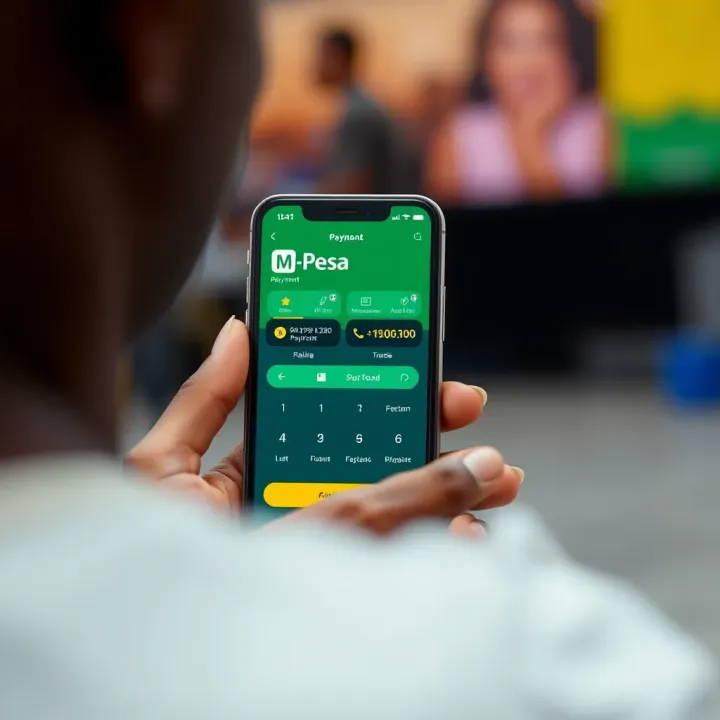
Kenyan traders value payment methods that are easy and secure. M-Pesa, the country’s dominant mobile money service, is widely accepted by reputable brokers for deposits and withdrawals. It allows instant transfers with low fees and is far more convenient than international bank transfers, especially for smaller amounts.
Banks in Kenya also support direct transfers, which some traders use for higher volumes. It’s critical to verify that your chosen broker offers payment options that fit your lifestyle and ensure fast processing times. For example, brokers like Exness and XM accept M-Pesa payments, making it easier for many Kenyan traders to fund their accounts.
The trading platform is your key tool for buying and selling currencies. Look for platforms that are user-friendly, stable, and provide essential features like real-time charts and technical indicators. MetaTrader 4 and MetaTrader 5 remain popular choices because of their wide support and community resources.
Also, check if the platform works well on mobile devices since many Kenyan traders prefer using smartphones. Features like easy order execution and low latency are crucial to avoid missing trade opportunities.
Forex brokers usually offer different account types tailored for various trader needs—standard, micro, or VIP accounts. Standard accounts may require higher minimum deposits but provide tighter spreads. Micro accounts allow beginners to trade smaller lots and test strategies with less risk.
Kenyan traders should select an account type that fits their budget and trading goals. For example, starting with a micro account to practise small trades makes sense before moving to a higher-tier account.
Due to anti-money laundering laws, brokers require identity and address verification before you can start trading. This usually involves submitting a copy of your national ID or passport and a recent utility bill or bank statement.
Completing this step promptly ensures your withdrawals aren’t delayed later. Verified accounts also allow higher trading limits and access to more features.
Before risking real money, it’s wise to open a demo account. This type of account uses virtual funds, letting you practise trading and get familiar with the platform’s tools.
Demo accounts are particularly useful for Kenyans new to forex trading, helping build confidence and understand how market movements affect your trades without any financial risk. Most brokers offer this option free and indefinitely.
Starting forex trading with a well-regulated broker, convenient payment options like M-Pesa, and a solid understanding of account setup can make a big difference. It helps you focus on developing winning strategies rather than worrying about safety or technical hurdles.
By following these steps, Kenyan traders can lay a strong foundation for their forex journey, making the most of local conditions and global opportunities.
Having a well-planned forex trading strategy is vital for any trader, particularly in the Kenyan market where volatility and currency swings can catch you off guard. A solid strategy helps you make disciplined decisions instead of reacting emotionally to every market move. It provides a clear roadmap for when to enter or exit trades, how to manage risks effectively, and which methods to use when analysing the markets.
Setting entry and exit points means deciding in advance the exact prices where you want to buy or sell a currency pair. This cuts out guesswork and prevents last-minute panic decisions, which can be costly. For example, if you spot a likely uptrend in the EUR/USD pair, you might set an entry point just below a support level where the price has bounced before. Your exit point could be a resistance level where profits are likely to peak. This technique ensures you stick to your plan and avoid chasing the market.
Managing risk with stop-loss and take-profit orders protects your capital by automatically closing trades at predetermined prices. A stop-loss order limits losses by closing your position if the market moves against you beyond a certain point – say 50 pips below your entry. Meanwhile, a take-profit order locks in gains by selling once your target profit is reached. This way, you don’t have to watch the market every minute and can avoid emotional decisions that might lead to holding losing trades too long or missing out on profits.
Basics of technical analysis involve studying price charts and patterns to predict future movements. Tools like moving averages, RSI (Relative Strength Index), and candlestick patterns help you spot trends, reversals, or potential entry and exit signals. For Kenyan traders, technical analysis is practical because it relies on historical price data available on all major platforms and can be combined with local market insights, such as the shilling’s reaction to regional events.
Role of economic news and events is to provide context for sudden price changes. Releases like Kenya’s inflation rate, central bank policies, or global developments (e.g., US Federal Reserve rate decisions) can move currency prices sharply. Tracking economic calendars and news feeds helps you anticipate high-impact events, letting you avoid trading in volatile periods or position yourself to benefit from predictable changes. For instance, before a key announcement on Kenya’s GDP, traders might reduce their exposure to the KSh or temporarily close positions to manage risk.
A disciplined strategy combining careful planning and analysis helps Kenyan forex traders protect their funds, reduce emotional trading, and improve their chances of steady profits.
By applying these principles with real examples, you position yourself to trade smartly rather than just guessing, which is crucial in the fast-moving forex market.
Managing risk is the backbone of lasting success in forex trading, especially for Kenyan traders who often start with limited capital. The forex market is notably volatile, meaning prices can swing dramatically within minutes. This makes protecting your capital key. Without solid risk management practices, even a few wrong trades can wipe out your trading account.
Avoiding over-leverage is essential. Leverage lets you control a large position with a small amount of money, but it can rapidly magnify losses. For instance, using 100:1 leverage means a 1% move against you can wipe out your entire investment. Many Kenyan traders are tempted to use high leverage to chase bigger profits quickly. However, this is risky. It’s wiser to start with low leverage—such as 10:1 or 20:1—to limit exposure. Think of leverage as a double-edged sword; it can cut both ways. If you use it carefully, it amplifies gains without destroying your capital.
Keeping emotions in check matters just as much as technical skills. Trading can be stressful, particularly when you face losses. Fear, greed, and impatience often lead traders to make poor decisions, like holding losing positions too long or risking too much on a single trade. Kenyan traders might relate to this if they’ve ever rushed into a trade after hearing a tip from a friend. To manage emotions, it helps to set clear trading rules and stick to them. For example, decide in advance how much loss you can afford per day, and walk away from the market once you hit that limit. Maintaining discipline protects your capital and keeps your mind sharp for the next trade.
Good educational materials can reinforce your trading knowledge and improve decision-making. Several forex trading PDFs are tailored for beginners and can be downloaded for offline study. They often cover topics like chart patterns, risk strategies, and order types with practical examples. For Kenyan traders, these resources help bridge gaps where formal forex training is scarce, offering structured learning at your own pace.
Also, using news feeds and trading calculators is very helpful. Economic news affects currency prices, so staying updated on global and local developments—such as CBK policy announcements or US Fed rate decisions—helps you anticipate market moves. Free news apps or websites can provide timely alerts. On the other hand, trading calculators assist you in computing position sizes, potential profits, and losses based on your chosen risk levels. This practical tool ensures you never risk beyond your comfort zone and improves your trade planning.
Successful forex trading comes down to managing your risks and maintaining discipline. Use the right tools, learn consistently, and never risk more than you can afford to lose.
By adopting these risk management practices and leveraging educational resources, Kenyan traders can approach forex trading more confidently and sustainably.
Start your Forex trading journey with easy-to-follow PDFs! Learn strategies, market basics, and risk tips tailored for Kenyan beginners 📊💼📈
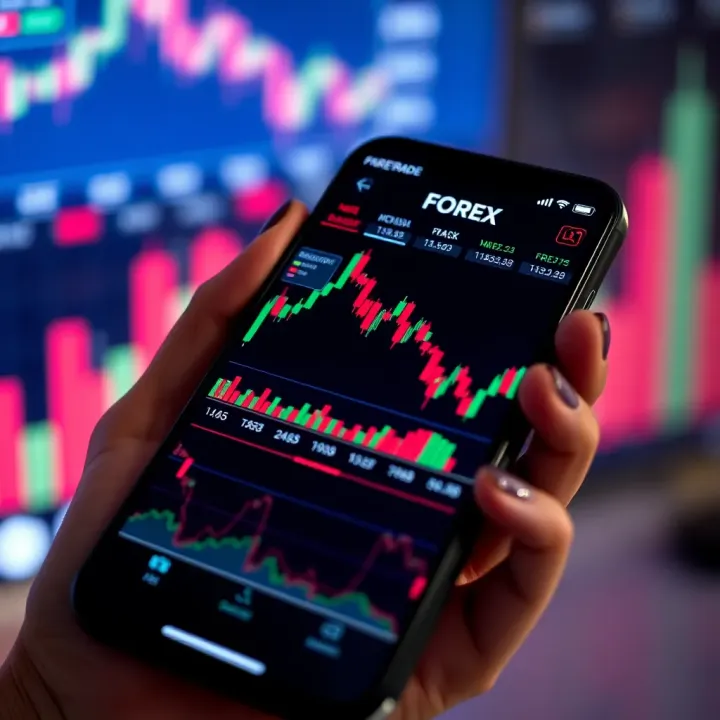
Start your forex trading journey with the right app in Kenya 🇰🇪. Learn key features, risks, and tips to trade safely and confidently in the forex market 📈💡.
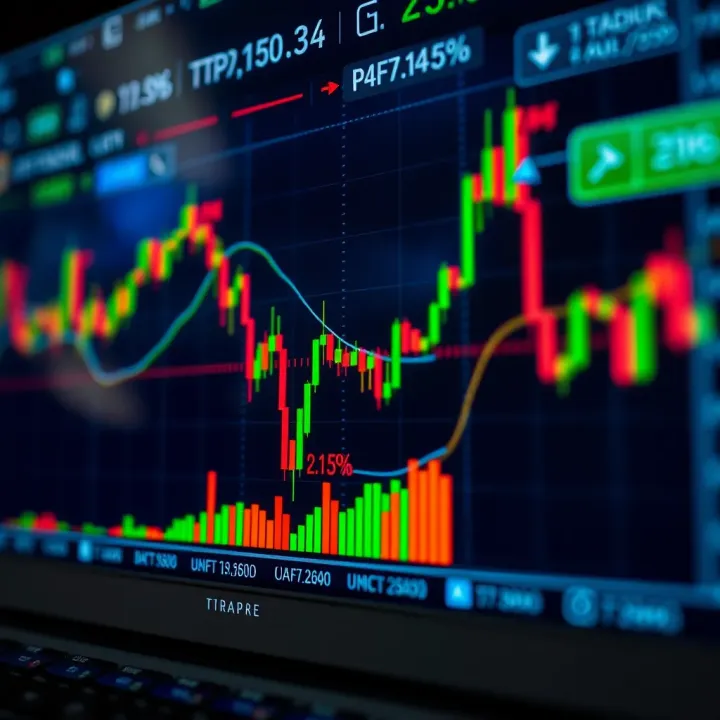
Learn forex trading in Kenya 🇰🇪 with our practical guide covering market basics, strategies, risk management, choosing brokers, and trading tools 📈

📈 Explore top Forex trading classes in Kenya! Learn essential skills, find the right course, and gain confidence before you trade. Start smart today!
Based on 15 reviews