
How Forex Trading Works for Kenyan Traders
📈 Learn how forex trading works in Kenya, covering currencies, trading platforms, analysis, risks & tips to trade confidently in the dynamic forex market.
Edited By
Matthew Collins
Forex trading in Kenya has gained steady popularity thanks to its accessibility and potential for profit. At its core, forex trading involves buying and selling currency pairs like USD/KES (U.S. Dollar against the Kenyan Shilling), trying to benefit from fluctuations in exchange rates.
Kenya's forex market operates 24 hours, five days a week, linked to global financial centers in New York, London, Tokyo, and Sydney. This nonstop nature allows you to trade at almost any time that suits your schedule, whether you’re a full-time trader or just starting out.
What sets forex trading in Kenya apart is the regulatory environment enforced by the Capital Markets Authority (CMA), which licenses forex brokers operating within the country. This regulation ensures your investments are protected against fraud and brokerage misconduct, giving you some peace of mind.
Here’s the bottom line: to trade forex in Kenya, you’ll typically set up an account with a CMA-regulated broker, deposit funds, and access trading platforms like MetaTrader 4 or 5. These platforms provide real-time charts, technical analysis tools, and execution for your trades.
Keep in mind, forex trading isn’t a guaranteed money-making scheme. Currency prices can swing rapidly due to economic reports, political events, or central bank decisions—so managing your risk is key.
For example, if the U.S. Federal Reserve hints at raising interest rates, the USD might strengthen against the KES, offering a trader an opportunity. But sudden political unrest locally could swing the shilling sharply, too.
Kenyan traders also use strategies ranging from day trading to longer-term positions, leveraging analysis methods like technical indicators and fundamental economic data specific to Kenya and global markets.
In sum, forex trading in Kenya combines global financial trends with local market dynamics, backed by regulatory oversight, and supported by various tools that suit different trading styles. Understanding these basics sets you on firmer footing before diving into the fast-moving forex world.
Grasping the basics of forex trading sets the stage for any trader serious about navigating this fast-moving market. In Kenya, understanding these fundamentals is especially crucial because it bridges global currency movements with local economic factors, helping traders make informed decisions rather than guesswork.
Forex trading involves buying one currency while simultaneously selling another. Think of it as exchanging dollars for euros or yen for pounds, but on a much bigger and continuous scale. Traders aim to profit from changes in exchange rates between different currencies. For example, if the USD/KES (US dollar to Kenyan shilling) exchange rate moves in your favor, you could sell dollars bought at a lower rate to pocket the difference.
Not all currency pairs carry the same trading volume or risk. Major pairs like EUR/USD, USD/JPY, and GBP/USD dominate global trading because they involve the world’s largest economies and have tighter spreads, meaning cheaper trades. For Kenyan traders, pairs like USD/KES or EUR/KES are vital because fluctuations directly impact purchasing power and import costs. Trades happen in lots—standard lot usually represents 100,000 units of currency, but many platforms allow mini or micro-lots, letting you start small.
Forex markets are open 24 hours a day, five days a week, linking financial centers from New York to Tokyo via fast electronic networks. This global reach means events in one region ripple swiftly worldwide. Kenyan traders must watch not only local news but also major economic indicators like US Federal Reserve announcements or EU policy changes. Locally, forex trading is accessible through brokers regulated by Kenya’s Capital Markets Authority, ensuring some level of oversight. Trades happen mainly online using platforms like MetaTrader, giving real-time access to price movements and trade execution.
Understanding how forex trading ties global currency flows to the Kenyan shilling helps traders anticipate opportunities and risks. Staying aware of key currency pairs and market hours can save you from costly missteps and sharpen your trading edge.
Whether you’re hedging against currency risk for business or seeking profit, the foundation lies in these basics. They’re the first step to navigating Kenya’s forex scene with confidence.
Regulations and licensing are fundamental for forex brokers operating in Kenya. They set a framework that protects traders, ensures market integrity, and promotes transparency. Without a clear regulatory structure, the forex market in Kenya could become a wild west, exposing traders to fraud or unfair practices.
The Capital Markets Authority (CMA) is Kenya’s financial watchdog overseeing forex trading and brokerage services. It licenses and supervises brokers to ensure they meet strict standards. This includes verifying that brokers maintain sufficient capital, enforce anti-money laundering policies, and provide fair trading conditions. For example, the CMA mandates brokers to hold client funds separately, protecting traders’ money even if the broker runs into financial trouble.
The CMA also educates investors on risks associated with forex trading and regularly updates its regulations to adapt to new market challenges. This proactive role helps maintain confidence among retail and institutional traders alike.
When looking for a broker in Kenya, start by checking the CMA’s official list of licensed forex brokers. Licensed brokers will display their CMA license number on their websites and platforms. Beyond licensing, assess transparency—trustworthy brokers are upfront about fees, spreads, and margin requirements.
Look out for brokers using globally recognized platforms like MetaTrader 4 or 5, which add a layer of credibility. Customer support availability and positive user reviews from independent sources also signal reliability. For instance, a Kenyan trader shared feedback on social forums praising a particular broker for quick withdrawals and clear communication, traits essential for peace of mind.
Trading through an unregulated broker may save you time or hassles initially but can cost you dearly in the long run. Unregulated brokers often lack safeguards for your funds and may manipulate prices or refuse withdrawals. There are numerous cautionary stories of Kenyan traders losing money to forex scams operating outside the CMA’s purview.
These brokers typically do not follow any reporting standards or dispute resolution procedures, leaving traders with little recourse if problems arise. It's also common for such entities to evade taxes or reporting requirements, which can affect your legal standing.
Always prioritize brokers regulated by the CMA or reputable international agencies. The bottom line is that compliance is your safeguard against shady practices and contributes to a healthier, fairer trading environment.
Understanding regulations and recognizing legitimate brokers help Kenyan traders make safer, smarter trading decisions. Always do the homework before picking a broker to avoid regrets down the line.
Starting forex trading in Kenya requires careful steps, especially if you're new to the market. This section focuses on what you need to know and do to get going smoothly. From picking a broker to using trading tools, every choice can impact your success and safety.
Selecting the right broker is the foundation of your trading journey. In Kenya, brokers vary widely in terms of fees, platforms, and regulatory compliance. For example, picking a broker licensed by the Capital Markets Authority (CMA) adds a layer of security. Look for brokers offering local support and payment options that fit your lifestyle, like M-Pesa deposits. Besides regulatory status, compare spreads, commissions, and leverage options. Some brokers cater to beginners with educational resources, while others aim for seasoned traders with advanced tools. Match the broker's strengths with your priorities to avoid surprises later.
Opening a forex account with a Kenyan broker or an international one is typically straightforward but requires you to submit identification documents, proof of residence, and sometimes financial details. The good news: many brokers now accept popular payment methods like M-Pesa, bank transfers, and credit cards. For instance, using M-Pesa speeds up deposits and withdrawals, which keeps your funds accessible. Always check if your broker charges deposit or withdrawal fees and the expected processing times. Starting with a demo account helps you practice before risking real money.
Once your account is up and running, you’ll need to pick a platform. MetaTrader 4 (MT4) and MetaTrader 5 (MT5) remain the favorites, thanks to their user-friendly interfaces and wide availability. Both platforms offer charting, technical indicators, and automated trading features. For mobile users, brokers often support apps compatible with Android and iOS, allowing you to trade on the go. Other platforms like cTrader or proprietary broker apps sometimes offer unique features or faster executions. Knowing how to use these tools effectively can make a big difference, especially in fast-moving forex markets where seconds count.
Starting with the right broker, funding your account safely, and mastering basic tools put you ahead in the forex game—especially in Kenya's growing market.
By following these steps carefully, Kenyan traders can navigate the forex market confidently with a solid setup tailored to local realities and global market demands.
Trading forex in Kenya is a blend of understanding global market movements and local factors. Grasping common strategies and applying practical tips can help traders build consistent habits and manage their risks smartly. Let’s break down some well-known trading styles and explain how they fit within the Kenyan trading environment.
Kenyan traders typically pick styles based on their daily schedules and risk tolerance. Scalping suits those who want rapid entries and exits within minutes, but it demands constant attention to charts and fast decision-making. For instance, a Nairobi-based trader working during the day might scalp during London and New York overlaps when liquidity is high.
On the other hand, day trading involves opening and closing trades within the same day, avoiding overnight risks. Traders using this style often rely on technical indicators and economic news releases relevant to USD or EUR pairs, given Kenya's trade connections.
Then there’s swing trading, where positions are held for several days or even weeks. This style fits those who can’t sit at screens all day but want to capture medium-term trends. Swing traders in Kenya should watch for central bank announcements from the US Federal Reserve or the European Central Bank as these impact currency movements substantially.
Preserving capital comes first, and Kenyan traders must use sound risk controls. A common approach is the 1-2% rule: risking only one to two percent of your total trading capital on any single trade. If your account has $1,000, don’t risk more than $10-$20 per trade.
Stop-loss orders are essential tools here. Setting a stop-loss at a logical level—below support or above resistance—limits potential losses. For example, if trading the USD/KES pair, placing a stop at a recent swing low can prevent a small loss from ballooning.
Diversification also matters. Don’t put all your funds into a single currency pair. Spread your trades across different pairs like EUR/USD, GBP/USD, and USD/KES to balance your exposure.
Kenyan traders gain an edge by blending technical analysis with fundamental insights. Technical analysis relies on chart patterns and indicators like moving averages, RSI, or MACD to predict price movements. It suits short-term trading and confirms entry and exit points.
Fundamental analysis, meanwhile, involves following economic data, geopolitical events, and interest rate changes. For example, Kenyan traders should pay attention to US nonfarm payroll reports or Kenya’s inflation data, as these can sway forex prices.
Combining both methods helps avoid one-sided bets. Use fundamentals to gauge market sentiment, then confirm timing with technical tools.
Ultimately, success in forex trading in Kenya hinges on practicing these strategies, sticking to solid risk management, and continuously learning from market behavior.
Forex trading in Kenya isn't a smooth ride for everyone. You face real challenges and risks that can make or break your trading journey. Understanding these hurdles is key to staying afloat and making smart moves.
Currency prices can swing wildly in forex, and Kenya is no exception. Volatility means rates can jump or drop on news headlines, economic reports, or unexpected events like a sudden policy change by the Central Bank of Kenya. For instance, after a surprising inflation report, the Kenyan shilling might tumble against the U.S. dollar within minutes. This quick pace creates chances for profit but also risks sharp losses if you’re caught off guard or over-leveraged. It’s crucial to keep an eye on market news and use stop-loss orders to cap potential losses.
Sadly, the Kenyan forex market has seen its share of scams. Unsuspecting traders sometimes fall for ‘too good to be true’ offers—like promises of guaranteed returns or insider tips. Ponzi schemes disguised as forex programs have trapped several investors, wiping out their savings. To protect yourself, always verify brokers’ licenses through Kenya’s Capital Markets Authority (CMA). Stay away from brokers asking for huge upfront fees or pressuring you to invest quickly. Trustworthy brokers offer transparent terms and have a solid reputation in the community.
Beware of quick-rich promises—they’re often traps. Legit forex trading requires patience, discipline, and verified partners.
Forex trading tests your nerves. It’s easy to let emotions drive decisions—panic selling during a sudden dip or chasing losses with reckless bets. Many Kenyan traders start strong only to blow their accounts because they lack control. Developing emotional discipline means sticking to your strategy, accepting losses as part of the game, and not overtrading. Avoiding common pitfalls like risking too much on one trade or ignoring stop-loss settings saves capital. Keep a trading journal to reflect on your mistakes and learn from them.
By recognizing these challenges, Kenyan traders can prepare better and avoid pitfalls. Forex trading can be rewarding but treating it like a serious business and managing risks smartly makes all the difference.
📈 Learn how forex trading works in Kenya, covering currencies, trading platforms, analysis, risks & tips to trade confidently in the dynamic forex market.
📈 Learn forex trading basics, practical steps, risk management, and tips to build solid strategies. This guide helps new Kenyan traders start confidently and avoid common pitfalls.

💱 Understand forex trading basics, how global currency markets work, risks, benefits & tips for Kenyan investors ready to explore this forex opportunity.📈
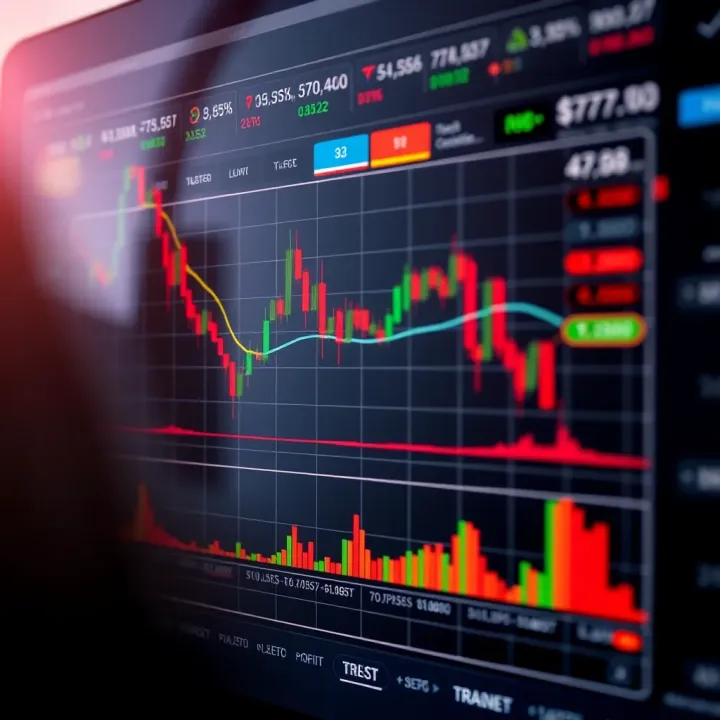
Master forex trading techniques designed for Kenyan traders 🇰🇪. Learn risk management, technical & fundamental analysis plus styles to fit our market. 📈💡
Based on 5 reviews