
Forex Trading Brokers in Kenya: Complete Guide
🌍 Explore top forex brokers in Kenya, learn how to pick the right one, understand regulations, platforms, payment methods, and avoid trading traps.
Edited By
Charlotte Mitchell
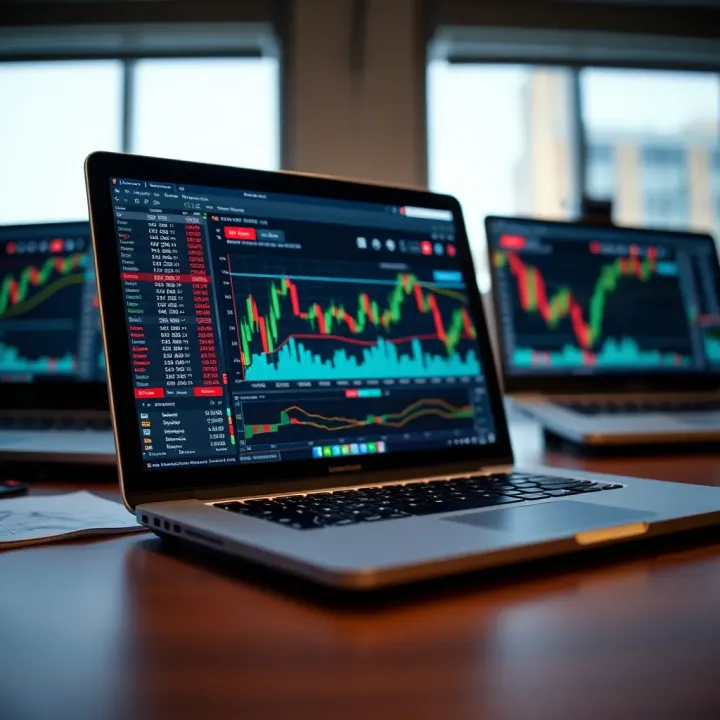
Forex trading is the act of buying and selling currencies to profit from fluctuations in exchange rates. It’s the world’s largest financial market, with daily trading volumes surpassing US$6 trillion. Most Kenyans are familiar with the M-Pesa and dollar exchange when travelling abroad, but forex trading goes deeper, involving various participants and strategies.
Trading in forex means you’re speculating on whether one currency will strengthen or weaken against another. For example, you might bet that the US dollar will gain value versus the euro or that the Kenyan shilling will weaken against the dollar during economic shifts. This buy-sell process happens over platforms accessible online, often 24 hours a day due to the global nature of currency markets.
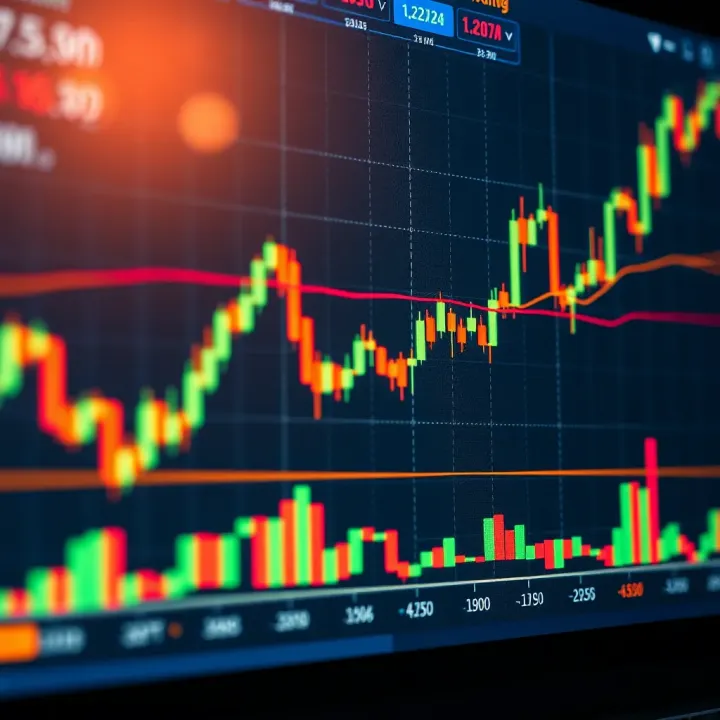
Understanding how forex operates requires grasping currency pairs—like USD/KES or EUR/USD—and knowing that prices reflect how much one currency is worth in terms of another. These pairs let traders make decisions based on economic news, interest rates, political events, or market sentiment.
Major players in the forex market include central banks, commercial banks, hedge funds, corporations managing foreign transactions, and retail traders just like you. Each reacts differently to global events and uses diverse analysis methods, from technical indicators on charts to fundamental data like inflation trends.
For Kenyan traders, forex offers opportunities to diversify income streams beyond local stocks or real estate. Yet the market’s volatility and leverage options mean risks are real. Knowing how to read price movements, manage risk, and select reliable trading platforms helps avoid losses.
In this guide, we will explore all these aspects step-by-step. You’ll learn the key concepts, how trading platforms work, popular analysis styles, and how to protect your capital. With clear examples based on Kenyan realities, this article aims to boost your confidence in navigating forex trading safely and effectively.
What forex trading involves and how currency pairs work
Who the main players are and why they matter
How to use trading platforms popular in Kenya
Methods of market analysis to make informed trades
Managing risk to protect your money
Practical tips tailored for Kenyan traders
Get ready to uncover how forex trading can fit into your financial journey and help you participate in global markets with a better understanding.
Grasping the basics of forex trading sets the foundation for anyone serious about participating in the foreign exchange market. For Kenyan traders, knowing these fundamentals helps avoid common pitfalls and opens up opportunities to trade more confidently. Without a clear understanding of how forex works, you risk making trades based on guesswork rather than informed decisions.
Definition of foreign exchange: Foreign exchange, or forex, is the process where currencies from different countries are bought and sold. It’s the reason you can exchange your Kenyan Shillings (KSh) for US Dollars ($) or Euros (€), whether for travel or business. This market plays a critical role in global trade, investment, and everyday commerce by setting exchange rates that reflect economic conditions.
How currency pairs work: In forex trading, currencies are quoted in pairs, like USD/KES or EUR/USD. This shows how much of the second currency you need to buy one unit of the first currency. For example, if USD/KES is 110, that means one US Dollar costs 110 Kenyan Shillings. Traders speculate if the first currency’s value will rise or fall against the second, aiming to buy low and sell high for profit.
Major and minor currency pairs: Major currency pairs involve the US Dollar plus another major currency like the Euro (EUR/USD), British Pound (GBP/USD), or Japanese Yen (USD/JPY). They’re popular because they offer high liquidity and tight spreads, which reduce trading costs. Minor pairs exclude the USD but pair other major currencies, such as EUR/GBP or AUD/NZD. Understanding which pairs to focus on helps Kenyan traders pick the most suitable markets for their strategies.
Decentralised nature of forex trading: Unlike stock exchanges, forex has no single central marketplace. Instead, it operates electronically over-the-counter (OTC), with banks, brokers, and traders connected globally. This setup means trading can happen 24 hours a day across various financial centres, which allows Kenyan traders to enter the market at convenient times, including after local business hours.
Trading hours and global market sessions: The forex market is split into major sessions based on time zones: Asian (Tokyo), European (London), and North American (New York). For example, Kenya’s trading day overlaps largely with the London session, which tends to have the highest activity and price movements for pairs like EUR/USD and GBP/USD. Knowing when sessions overlap can help you spot times with better liquidity and fewer price gaps.
Role of exchange rates: Exchange rates reflect how much one currency is worth compared to another. They fluctuate constantly due to supply and demand forces, economic data, political events, and interest rate changes. For instance, when Kenya’s economy shows strong growth or a rise in interest rates, the Kenyan Shilling tends to strengthen against other currencies. Traders keep a close eye on these rates as they determine the profit or loss on each trade.
Mastering the basics isn't just a stepping stone; it’s the key to effective decision-making and risk management in forex trading.
Understanding who moves the forex market helps you grasp why prices shift and how your trades fit in. The forex market is not just about individual traders but a mix of powerful institutions and everyday participants interacting continuously.
Central banks and governments carry considerable weight in forex trading because they influence currency values through monetary policies. For instance, the Central Bank of Kenya manages the Kenyan Shilling's stability by adjusting interest rates or intervening in the foreign exchange market when needed. Such actions can impact forex rates swiftly and cause ripple effects across global markets. Governments may also impose controls or sanctions that influence currency flow.
Commercial banks and financial institutions are the cornerstones of the forex market, providing liquidity and acting as intermediaries in currency transactions. These banks handle large-volume trades for clients including businesses that require foreign currency for imports and exports. For example, Nairobi-based banks like KCB or Equity Bank facilitate forex trades for local companies expanding into East African markets. Their role ensures that forex trades are smoothly executed and that prices reflect real-time supply and demand.
Retail traders and brokerage firms make the market accessible to individual investors. Many Kenyans today join the forex market via brokers such as HotForex or XM, using online platforms to trade on currency movements. Brokers provide the necessary infrastructure, credit through leverage, and regulatory oversight, although trader vigilance is key to avoid scams. The retail segment is growing but still dwarfs the volumes handled by banks and central banks.
Typical trading setups in Kenya range from retail traders using their laptops or mobile phones at home to small groups in internet cafés exchanging tips and market insights. Many traders begin with demo accounts to build confidence before risking real money. The availability of mobile money options like M-Pesa has simplified deposit and withdrawal processes, making trading more convenient.
Using local brokers versus international brokers has practical implications. Local brokers offer customer service attuned to Kenyan clients and sometimes facilitate easier deposit methods like Lipa Na M-Pesa. However, international brokers often provide more advanced platforms, tighter spreads, and access to a wider range of currency pairs. It’s vital to choose brokers regulated by bodies like the Capital Markets Authority (CMA) for security.
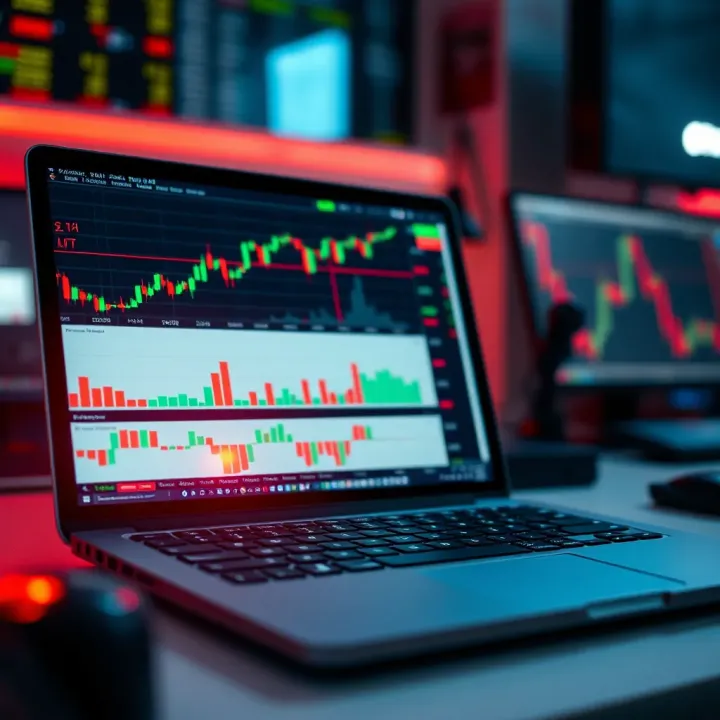
The impact of the Kenyan Shilling is notable since its value often responds to both local economic conditions and global pressures. Events such as election cycles, inflation reports, or shifts in tea and coffee exports influence the KSh exchange rate. Kenyan traders who understand these links can better time their trades involving the shilling, as its volatility tends to offer opportunities alongside risks.
Knowing who sets the pace in forex, from central banks to local retail traders, empowers you to make smarter decisions tailored to Kenya’s unique market dynamics.
Choosing the right platform, account type, and tools is essential to trade forex effectively in Kenya. These elements shape your trading experience, influence your strategies, and impact your ability to make informed decisions.
MetaTrader 4 (MT4) and MetaTrader 5 (MT5) remain the most popular forex trading platforms globally, including among Kenyan traders. MT4 is preferred for its simplicity and reliability, while MT5 offers advanced features, including more timeframes and an economic calendar within the platform. Another contender gaining traction is cTrader, known for its user-friendly interface and level II pricing, which reveals market depth more clearly. Kenyan traders often pick platforms that balance ease of use with powerful tools.
When selecting a platform, Kenyan traders should consider ease of access, especially for mobile use, as many trade on the go. Features like one-click trading, alerts, charts, and automated trading support are valuable. Integration with local payment methods such as M-Pesa is a bonus since it speeds up deposits and withdrawals, keeping trading smooth.
Mobile and desktop options matter because some traders prefer analysing market charts and placing trades on a larger screen, while others need to react quickly via mobile. Platforms like MT4/MT5 and cTrader offer both. Mobile apps support push notifications for price alerts, which help Kenyan traders who juggle forex with daily hustles. Ensuring the platform is robust across devices avoids missed opportunities or frustration.
Demo accounts let you practise trading without risking real money. For Kenyan beginners, this is crucial to understand how forex works without pressure. Live accounts, on the other hand, involve real funds and expose you to real market conditions. Switching from demo to live requires patience, as emotional discipline becomes tested.
Forex brokers in Kenya offer various account sizes: standard, mini, and micro accounts. Standard accounts typically require larger deposits, while mini and micro accounts let you start with smaller amounts—sometimes as low as KSh 1,000. This flexibility suits Kenyan traders with limited capital and allows them to gradually scale their trades.
Leverage means borrowing funds from your broker to increase your trade size beyond your deposited amount. For example, 1:100 leverage lets you control KSh 100,000 with only KSh 1,000. However, while leverage magnifies profits, it also increases risks. Kenyan regulators often recommend careful leverage management to avoid blowing up accounts quickly.
Technical analysis indicators, like the Relative Strength Index (RSI) and Moving Averages, help traders spot trends and potential entry or exit points. These indicators simplify complex price action and are built into most platforms, making them invaluable for Kenyan traders who rely heavily on chart patterns.
Economic calendars are tools that show upcoming economic events and releases, such as interest rate decisions or inflation data, that move the forex markets. For Kenyan traders, keeping track of both local events affecting the shilling and international data is vital since forex prices react swiftly.
Risk management tools include features like stop-loss and take-profit orders. These automatically close trades at preset prices to limit losses or lock in profits. Using these tools prevents emotional decision-making influenced by sudden market swings, helping Kenyan traders protect their capital.
Having the right combination of platform, account settings, and reliable tools improves your ability to trade smarter, stay disciplined, and handle the fast-moving forex market confidently.
By focusing on these aspects, Kenyan traders can improve their chances of success while minimising pitfalls in the challenging world of forex trading.
To trade forex successfully, Kenyan traders need a good grasp of how to read the market. Approaches to analysing forex provide the tools and insights to help you make informed decisions instead of relying on guesswork. By understanding technical, fundamental, and sentiment analysis, you gain clarity about currency movements and can better time your trades.
Charts and price patterns form the backbone of technical analysis. They show how prices have moved over time, helping traders spot likely future trends. For example, spotting a "head and shoulders" pattern might suggest that a currency pair like USD/KES is about to reverse its upward trend. Kenyan traders often rely on daily and hourly charts to capture short-term moves during active market hours.
Common indicators like Relative Strength Index (RSI) and Moving Averages help simplify market data. RSI measures whether a currency is overbought or oversold, signalling a possible pullback or rally. Meanwhile, Moving Averages smooth price data to show trend direction. For instance, when the 50-day moving average crosses above the 200-day, it can indicate a bullish signal, useful for traders watching major pairs like EUR/USD or GBP/USD. These tools assist with entry and exit points, improving trade timing.
Interest rates and inflation effects play a big role in determining currency values. Central banks in Kenya and abroad adjust interest rates to control inflation and encourage economic growth. When the Central Bank of Kenya raises rates, the shilling often strengthens since it offers better returns to investors. Conversely, high inflation usually weakens a currency by reducing its purchasing power.
Political and economic news impact can cause sharp swings in forex markets. Kenya’s election cycles, policy changes, or regional instability might unsettle the shilling temporarily. Traders watching currency pairs involving KES or others affected by East African Affairs must stay aware of announcements and developments to avoid surprises.
How Kenyan economic data influences forex is particularly important for local traders. Reports such as GDP growth, trade balances, or inflation rates affect how the shilling trades against major currencies. For example, positive agricultural export figures could boost Kenya’s balance of payments and strengthen the shilling.
Market sentiment basics show how traders collectively feel about a currency’s direction. This is driven by news flow, rumours, and overall economic outlook. Kenyan traders often watch sentiment swings closely during times like the budget statement release or foreign investor activity.
Importance of trader psychology cannot be overstated. Emotional decisions—fear or greed—can lead to losses. Staying disciplined and sticking to a trading plan helps Kenyan traders avoid panic selling or impulsive buys, essential for long-term success.
Successful forex trading in Kenya combines these approaches: technical signals guide timing, fundamentals explain why currencies move, and sentiment highlights the mood driving the market. A balanced view helps you trade with more confidence and less risk.
Forex trading is not a guaranteed path to profit; understanding the risks at play is critical to staying afloat and successful. This section breaks down common risks traders encounter and offers practical strategies to manage them effectively. For Kenyan traders, dealing with forex without grasping these could mean losing hard-earned shillings quickly.
Market volatility refers to how drastically currency prices can change over a short period. In forex, this is quite common because currencies respond to economic data, political events, and market sentiment almost instantly. For example, when Kenya's Central Bank unexpectedly adjusts interest rates, the Kenyan Shilling may jump or dive against the US dollar. This swings create opportunities but also potential sharp losses if you're on the wrong side.
Leverage-related risks come from borrowing money to increase your trading position beyond what you actually have. While leverage can boost gains, it equally magnifies losses. Using 100:1 leverage means a KSh 1,000 deposit controls KSh 100,000 worth of currency. But if the market moves just 1%, you risk losing your entire deposit swiftly. That’s why many traders lose once they overlook how leverage multiplies both profits and losses.
Broker and regulatory risks are about the trustworthiness and legitimacy of the broker you choose. In Kenya, working with unregulated brokers might expose you to fraud, delayed withdrawals, or unfair trading terms. Choosing brokers regulated by recognised authorities such as the Capital Markets Authority (CMA) or reputable international bodies helps protect your funds and ensures fair dealing.
Setting stop-loss and take-profit orders helps you control losses and secure profits automatically. A stop-loss order exits a trade if the price moves against you by a set amount, limiting your loss. Take-profit locks in your gains once a certain price target is reached. For example, if you buy EUR/USD at 1.1000, you might set a stop-loss at 1.0950 to limit loss to 50 pips and take-profit at 1.1100 to secure a 100 pip gain.
Diversifying trades means spreading your investment across various currency pairs instead of putting all into one. This reduces the risk that one market shock wipes out your entire trading capital. A Kenyan trader might avoid concentrating only on the USD/KES pair but also trade EUR/USD or GBP/USD to balance exposure.
Managing leverage responsibly involves using lower leverage ratios aligned with your trading experience and risk tolerance. Instead of maxing out 100:1 leverage, a cautious trader might choose 10:1 or even 5:1 to prevent margin calls and large losses. This practice is vital because it gives you room to survive market swings and learn trading without catastrophic blowouts.
Mastering risk management is what separates a successful forex trader from a gambler. By controlling risk thoughtfully, Kenyan traders can shield themselves from sudden market shocks and build steady growth over time.
Navigating forex trading without a solid grip on risks is like crossing Nairobi’s matatu stage blindfolded; it’s bound to end badly. But with tools like stop-loss, diversification, and sensible leverage, you put the odds in your favour and trade with confidence.
Trading forex in Kenya comes with unique challenges and opportunities. Practical tips help you navigate local regulatory requirements, payment methods, and market nuances. These pointers are especially useful for newcomers as well as those looking to refine their trading approach while managing risks effectively.
To begin trading forex legally in Kenya, you’ll typically need a valid ID such as your national ID card or passport. Brokers often require proof of residence and may ask for tax identification through your KRA PIN to comply with regulatory standards. The registration process isn’t complicated but keeping these documents ready speeds up account opening and withdrawal procedures.
M-Pesa has revolutionised payments across Kenya, and several brokers accept it for deposits and withdrawals. This makes funding your trading account straightforward, avoiding delays common with international bank transfers. Other popular local options include bank transfers via Equity Bank or KCB, which many traders prefer for larger sums. Checking if your broker supports these payment methods can save you time and extra charges.
Selecting a broker regulated by bodies like the Capital Markets Authority (CMA) in Kenya helps reduce risks linked to fraud or mismanagement. Local regulation ensures some level of oversight and security of your funds. While many international brokers serve Kenyan clients, confirming their regulatory compliance and reputation is key. Unregulated brokers might promise low spreads but often expose you to higher risks.
Demo accounts offer a risk-free environment to practise trading using virtual money. For Kenyan traders, it’s a chance to understand platform features, test strategies, and get a feel for market conditions without financial exposure. Taking time on demo trading can save you from costly beginner errors.
Forex markets react sharply to global and local economic news. Sources like Bloomberg, Reuters, and local financial newspapers offer timely and credible information. Staying updated on Central Bank of Kenya policies, inflation data or geopolitical events helps you make informed trades and anticipate market moves.
Local forums, WhatsApp groups, and training workshops provide spaces for Kenyan traders to share experiences and insights. This community support helps especially when interpreting how global news impacts the Kenyan shilling or learning about local broker reputations. Besides knowledge sharing, it reinforces disciplined trading habits through peer accountability.
Starting with the right knowledge and tools, backed by trustworthy local resources, gives Kenyan traders an edge in the complex forex market. Practical tips ensure you trade smarter, not just harder.
🌍 Explore top forex brokers in Kenya, learn how to pick the right one, understand regulations, platforms, payment methods, and avoid trading traps.

Explore trusted forex trading companies in Kenya 🇰🇪, understand regulations, broker tips, and smart strategies for safer trading in this growing market 💹.

📚 Explore top Forex trading books perfect for Kenyan traders! Learn strategies, risk management, and market analysis to boost your trading skills and confidence.
Discover the best forex trading apps in Kenya 📱. Learn how to pick safe, user-friendly platforms with key features and tips for smart trading success.
Based on 11 reviews