

Understanding Risk Management in Organisations
🔍 Learn how Kenyan organisations identify, assess, and control risks impacting their goals. Explore practical steps and tools to manage threats & support solid decision-making.
Edited By
Alexander Mason
Risk management in finance isn’t just a buzzword—it’s the foundation for making smarter, safer decisions with money. Every trader, investor, or finance professional runs into risks, whether it’s market swings, credit defaults, or operational hiccups. Knowing how to identify and handle these risks can save portfolios from collapsing and businesses from big losses.
At its core, financial risk management is about understanding the different types of risks your operation faces, measuring their potential impact, and setting up controls or strategies to reduce their damage. For example, a hedge fund managing $500 million might use derivatives to protect against sudden currency shifts, while a local bank might focus on credit risk by carefully analyzing borrower credit scores.
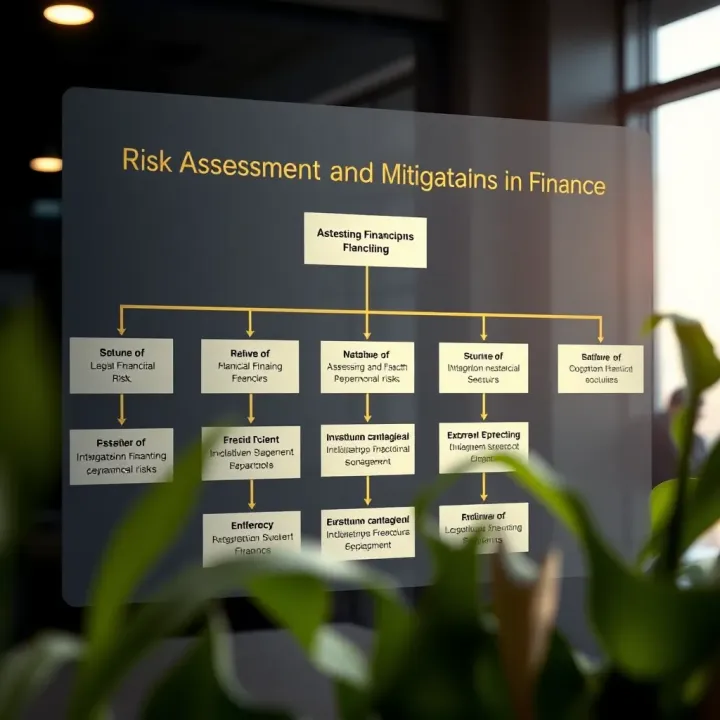
Solid risk management doesn’t eliminate risk but controls it well enough to keep unexpected losses manageable.
Types of financial risks include market risk, credit risk, liquidity risk, and operational risk. Market risk covers price changes in stocks, bonds, or commodities. Credit risk deals with the chance that borrowers won’t repay loans. Liquidity risk is about running low on cash or assets that can be quickly sold. Operational risk involves failures in processes, systems, or even fraud.
Financial institutions like banks and insurance companies have dedicated risk teams that use statistical tools such as Value at Risk (VaR) and stress testing to forecast potential losses. Regulators like the SEC and Federal Reserve require these firms to maintain robust risk management practices to protect the broader economy.
Understanding and managing risks involves:
Assessing the probability and impact of different risks
Diversifying investments to avoid putting all eggs in one basket
Using hedging tools like options or futures
Monitoring risk limits and compliance regulations
Taking proactive steps in risk management helps finance professionals stay ahead of surprises, make more confident decisions, and ultimately protect their capital and reputations. In the sections ahead, we’ll break down key concepts, explore risk assessment techniques, and look at how firms apply these strategies day-to-day.
Risk management forms the backbone of sound financial practices, helping organizations navigate uncertainty without getting blindsided. At its core, the fundamentals involve identifying potential risks, understanding their nature, and establishing controls to minimize financial loss. For instance, a brokerage firm routinely faces market volatility, credit defaults, and operational glitches—all of which could severely impact its capital if left unchecked.
Properly grasping these fundamentals provides practical benefits: it helps protect assets, guides better decision-making, and strengthens the overall resilience of the firm amid shocks. In real terms, without this foundation, a sudden stock market drop or a counterparty default could spiral into significant capital erosion or damaged reputation.
Financial risk includes various categories, each with its own dynamics. Market risk stems from fluctuating prices, interest rates, or exchange rates that directly affect asset values. Credit risk involves the chance that borrowers or counterparties fail to meet their obligations. Liquidity risk is about the difficulty of buying or selling assets without losing value, while operational risk covers internal failures like system breakdowns or human errors.
Recognizing these types is vital because each requires distinct strategies. For example, a hedge fund might focus heavily on managing market risk using derivatives, while a commercial bank puts more attention on credit risk through loan underwriting.
Ignoring or mishandling these risks can cause severe consequences. Unmanaged market risk can wipe out portfolios overnight. Overlooking credit risk could lead to massive loan defaults, as seen in the 2008 financial crisis. Operational failures may trigger regulatory penalties or trust erosion among clients.
Companies that underestimate their risk exposure often face unexpected losses that could have been avoided with proper controls.
Protecting assets and capital is the primary aim. Financial institutions invest heavily in systems that monitor exposures real-time to avoid unexpected drain on capital. For example, banks use credit limits and collateral requirements to shield themselves from borrower defaults.
Beyond protecting capital, risk management improves decision-making. Having clear data on risk exposures allows portfolio managers to balance potential returns against threats more effectively. This means investment choices aren’t just hopes but informed decisions grounded in risk appetite boundaries.
Lastly, risk management contributes by enhancing organizational resilience. Firms that plan for uncertainties with contingency plans and capital buffers recover faster from shocks. Take, for instance, how institutions with solid liquidity management weather sudden market freezes better than those without.
In summary, mastering these fundamentals isn't about avoiding risks completely but managing them smartly to keep your financial operations stable and adaptive.
Financial risks come in several forms, each affecting portfolios and institutions differently. Understanding these common risks helps traders, investors, and finance professionals identify potential threats and develop strategies to manage them effectively. Here’s a breakdown.
Price volatility refers to the frequent and often significant changes in asset prices. For example, stock prices can swing wildly during earnings announcements or economic shifts, creating uncertainty. This volatility can erode investment value quickly but also provides trading opportunities if managed carefully.
Interest rate fluctuations impact the cost of borrowing and the returns on bonds and loans. When the Federal Reserve raises rates, mortgage payments might increase, and bond prices tend to fall. This is critical for portfolio managers who hold fixed-income assets because rate changes can force adjustments to avoid losses.
Default risk is the chance that a borrower fails to meet loan obligations, leading to financial losses. Consider a small business defaulting on its bank loan due to cash flow problems; lenders must anticipate such outcomes to price loans correctly and mitigate losses.
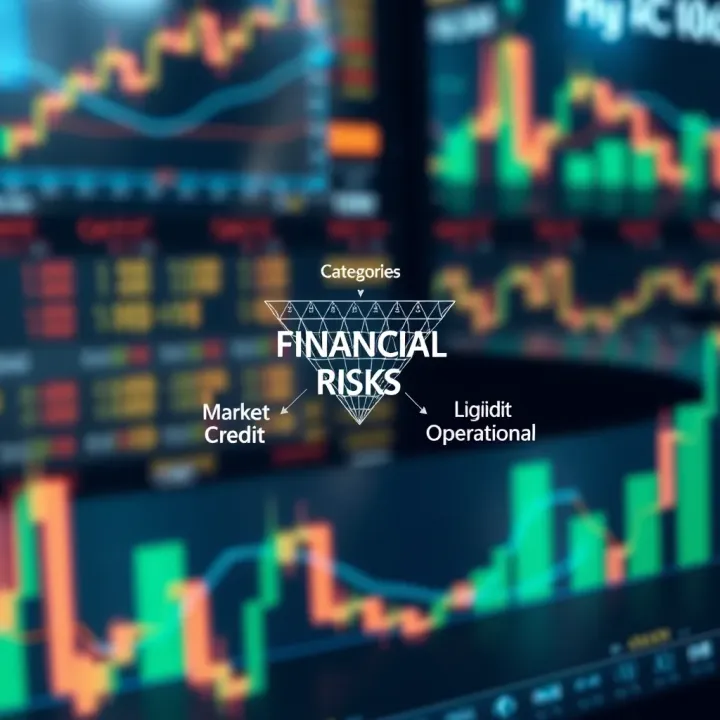
Credit exposure measures the total amount a lender is at risk if borrowers default. Banks track exposure across loans and credit lines to prevent overconcentration in risky areas. For instance, a bank heavily invested in volatile industries must monitor exposure to avoid significant hits during downturns.
Funding liquidity risk arises when a firm can’t quickly raise cash to cover short-term needs. Think of a hedge fund facing sudden investor withdrawals but tied up in illiquid assets; it might struggle to meet redemptions without selling assets at a loss.
Market liquidity pertains to the ease of buying or selling an asset without affecting its price. During unstable markets, selling large blocks of thinly traded stocks can push prices down, amplifying losses for investors needing quick exits.
System failures include technology breakdowns or cyberattacks that halt trading or access to accounts. A brokerage’s trading platform crashing during market volatility can lead to missed opportunities or mispriced trades, directly impacting client returns.
Human errors are mistakes like incorrect trade entries or compliance oversights. For example, a trader placing an order for the wrong security can cause unexpected losses, highlighting the need for strong internal controls and ongoing training.
Being aware of these risk types and their specific drivers allows finance professionals to develop targeted approaches — whether by diversifying portfolios, employing hedging instruments, or strengthening operational checks — to protect their investments and business.
By grasping these financial risk characteristics, you’re better equipped to navigate the complex market landscape with practical, risk-aware decision-making.
Financial risk assessment is vital for making smart decisions in trading, investing, and finance management. It helps identify potential losses early and guides strategies to reduce exposure. The main approaches divide into quantitative and qualitative methods, each offering distinct advantages that together provide a fuller picture of risk.
Value at Risk (VaR) quantifies the maximum expected loss in a portfolio over a set period at a given confidence level. For example, if a portfolio has a one-day VaR of $1 million at 95% confidence, there's a 5% chance losses will exceed $1 million in a day. VaR simplifies complex risks into a single metric, enabling quick comparisons and capital allocation decisions. However, it assumes normal market conditions and may underestimate risks during extreme events.
Stress testing and scenario analysis go beyond the limitations of VaR by modeling portfolio performance under extreme or hypothetical situations. Stress tests might simulate a sudden market crash, interest rate shock, or credit crunch, while scenario analysis explores outcomes based on specific events like geopolitical tensions. These techniques reveal vulnerabilities not visible through historical data alone, helping firms prepare contingency plans. For instance, banks run stress tests annually to comply with regulatory requirements like those from the Federal Reserve.
Risk mapping visually charts risks across dimensions like likelihood and impact. For example, a heat map might highlight credit risk as high-impact and high-likelihood, while operational risk lands lower on both scales. This approach helps finance teams prioritize risks and allocate resources wisely. It’s especially useful for emerging risks lacking quantifiable data, such as cybersecurity threats.
Expert judgment leverages the experience and intuition of risk professionals to assess complex or novel risks. When data is scarce or too uncertain, seasoned analysts can identify subtle warning signs or shifts in market sentiment. Their input complements quantitative tools by challenging assumptions and providing context. For example, during the 2008 financial crisis, many experts warned against heavy reliance on credit ratings, an insight that quantitative models initially missed.
Utilizing both numbers-based and judgment-driven methods allows finance professionals to capture risk from multiple angles, making risk management more resilient and adaptive.
Together, these approaches equip traders, investors, and analysts with robust tools and insights to identify, measure, and prioritize the financial risks they face. Effective use improves decision-making and safeguards capital even when markets don't behave as expected.
Risk mitigation comes down to protecting financial assets by anticipating potential issues and taking steps to reduce their impact. For anyone managing money, it's not enough to just identify risks—you need practical strategies to keep losses in check and maintain financial stability. These strategies also support better decision-making and help organizations bounce back when unexpected events hit.
Portfolio diversification spreads investments across different asset types, industries, or geographies to avoid putting all your eggs in one basket. For example, mixing stocks in tech companies with bonds and real estate investments can lessen the blow if one sector tanks. This approach smooths returns over time, reducing volatility and the chance of catastrophic losses.
Though it doesn't eliminate risk, diversification is a straightforward way to manage exposure. Imagine an investor solely focused on energy sector stocks; a sudden drop in oil prices could wipe out gains. Adding funds from healthcare and consumer goods can balance the portfolio, cushioning against such shocks.
Use of derivatives such as options, futures, and swaps provides another layer of protection by allowing investors to hedge risks. For instance, a wheat farmer might use futures contracts to lock in prices ahead of harvest, shielding against a price drop. Likewise, traders can buy put options to insure stock holdings against falls.
Derivatives add flexibility but require careful understanding to avoid additional risks, like leverage amplifying losses. Used wisely, they act like financial umbrellas during storms. The key is matching the chosen derivatives to specific risks and investment goals.
Credit analysis involves evaluating a borrower’s ability to repay a loan. Lenders look at financial statements, credit history, and repayment capacity to assess default risk. For banks or credit unions, thorough credit analysis helps avoid bad loans that could hurt profits.
Consider a small business applying for a loan. The lender examines cash flow trends and creditworthiness before approval. Strong analysis prevents losses by identifying borrowers likely to struggle with repayments.
Loan monitoring keeps track of borrowers after issuing loans. Regular check-ins on financial health and timely payments catch early warning signs of trouble. This allows lenders to intervene, renegotiate terms, or take measures before defaults escalate.
For example, a bank might flag a retail borrower missing payments and proactively reach out to discuss restructuring. Early intervention often saves both sides from losses. Ongoing monitoring complements credit analysis by managing risks during the loan lifecycle.
Cash flow forecasting predicts incoming and outgoing cash over days, weeks, or months to maintain sufficient liquidity. Accurate forecasts help firms avoid shortfalls that might force asset sales or borrowing at costly terms.
A retail chain, for instance, monitors daily sales, supplier payments, and payroll to ensure cash covers obligations. Good forecasting highlights periods of tight liquidity so managers can plan accordingly.
Contingency funding plans prepare organizations for unexpected liquidity crunches. These plans identify alternative funding options like revolving credit lines or asset sales that can be quickly tapped.
During the 2008 financial crisis, firms with solid contingency plans were better positioned to handle sudden cash demands. Details include triggers for drawing funds and communication protocols, ensuring a rapid, organized response.
Risk mitigation strategies are about staying ahead of problems rather than scrambling when they hit. Practical steps like diversification, credit controls, and liquidity management build resilience and protect financial health.
These approaches work together to reduce the chance of severe financial damage and to keep operations running smoothly during volatility or economic shifts. Understanding and applying them is essential for traders, investors, and finance pros looking to safeguard assets and improve outcomes.
Financial institutions and regulators play a crucial role in shaping risk management practices that keep markets functioning smoothly. Institutions like banks, investment firms, and insurance companies not only manage their own risk exposures but also set standards and frameworks that others follow. Regulators ensure these entities operate within agreed-upon limits to protect the financial system and the broader economy from shocks.
Risk committees are central to how financial institutions steer their risk management efforts. These committees typically include senior leaders who focus solely on identifying, assessing, and monitoring risks that could impact the firm's capital or operations. For example, a bank’s risk committee might regularly review credit risk from loan portfolios or market risk from trading desks. Their practical relevance lies in enforcing accountability and ensuring risk decisions align with the institution’s strategy and risk appetite.
Moving to compliance functions, these teams act as the institution’s watchdog, making sure all activities follow laws, regulations, and internal policies. Beyond checking boxes, compliance functions help catch issues before they escalate into fines or reputational damage. For example, compliance officers might track whether a brokerage firm follows SEC rules on client disclosures. These roles are essential for safeguarding the institution and upholding trust in financial markets.
The Basel Accords represent a series of international banking regulations developed by the Basel Committee on Banking Supervision. They set minimum capital requirements to buffer banks against losses from credit, market, and operational risks. By requiring banks to hold a certain percentage of risk-weighted assets as reserves, Basel helps prevent a collapse if risky exposures sour. For instance, Basel III introduced liquidity coverage ratios, which force banks to hold enough liquid assets to survive a 30-day stress.
Meanwhile, the Dodd-Frank Act, passed in response to the 2008 financial crisis, focuses heavily on improving transparency and reducing systemic risk in the U.S. financial markets. It implements stricter oversight on big banks and investment firms, including stress testing and living wills (plans for orderly failure). One tangible benefit is that Dodd-Frank pushes firms to manage their risk profiles more transparently, making it easier for regulators and the market to spot vulnerabilities early.
The coordinated role of institutions and regulators creates a risk management ecosystem that balances business growth with financial stability, shielding both firms and investors from avoidable losses.
Altogether, robust internal governance melded with firm regulatory frameworks forms the backbone of effective financial risk management. This combined approach equips financial pros to make informed, responsible decisions under various market conditions.
Financial risk management doesn't stand still. As markets shift and evolve, so do the challenges and tools professionals face. Staying ahead means keeping a close eye on emerging trends and adjusting strategies accordingly. Understanding these dynamics helps traders, investors, and analysts avoid surprises and manage risks more effectively.
Advanced modeling plays a huge role in how finance pros evaluate risks today. Instead of relying on basic assumptions, advanced models use complex algorithms to analyze massive datasets, capturing subtle relationships between variables. For example, a hedge fund might use machine learning models to better predict market swings based on historical data and current trends, improving portfolio performance while containing risk. This approach also allows for simulating extreme scenarios that traditional models might miss, reducing blind spots in risk assessments.
Real-time risk monitoring has become a game changer for decision making. Financial markets can turn in seconds, so having up-to-the-minute insights lets professionals react swiftly. Banks and trading firms now use dashboards that aggregate data from various sources, flagging unusual market movements or spikes in credit exposure immediately. This live monitoring helps prevent losses from sudden events like a flash crash or unexpected regulatory news. It also supports better compliance by providing instant visibility into risk limits and positions.
Cybersecurity threats have moved to the forefront of risk concerns given how interconnected financial systems are today. Data breaches or ransomware attacks can disrupt operations, cause huge financial losses, or damage reputations. For instance, a well-known brokerage firm faced ransomware that locked access to critical trading platforms, halting activities for hours and costing millions. Firms now invest heavily in cybersecurity infrastructure and employee training to defend against these attacks and ensure business continuity.
Climate-related financial risk is another pressing issue reshaping risk management. Sudden weather events, regulatory changes to curb emissions, or shifts in investor sentiment toward greener companies can impact asset values and creditworthiness. A bank holding large loans in the coal industry might face increased default risk if new regulations impose heavier costs. To adapt, firms are incorporating climate scenarios into risk models and adjusting portfolios to favor more sustainable investments.
The bottom line is that risk management must evolve with changing realities. Technology mends old gaps, but new risks like cyber threats and climate impact require continuous vigilance and adaptation.
By staying informed on these trends and integrating new tools, finance professionals can strengthen their risk controls and better protect their organizations in an unpredictable world.
🔍 Learn how Kenyan organisations identify, assess, and control risks impacting their goals. Explore practical steps and tools to manage threats & support solid decision-making.

🔍 Learn how risk management protects your Kenyan business assets, ensures compliance, and boosts continuity for smart, confident decisions that secure your future.

📊 Learn how Kenyan businesses identify, assess & manage risks with practical steps, tools, PDFs & best practices to keep risks under control and secure growth.
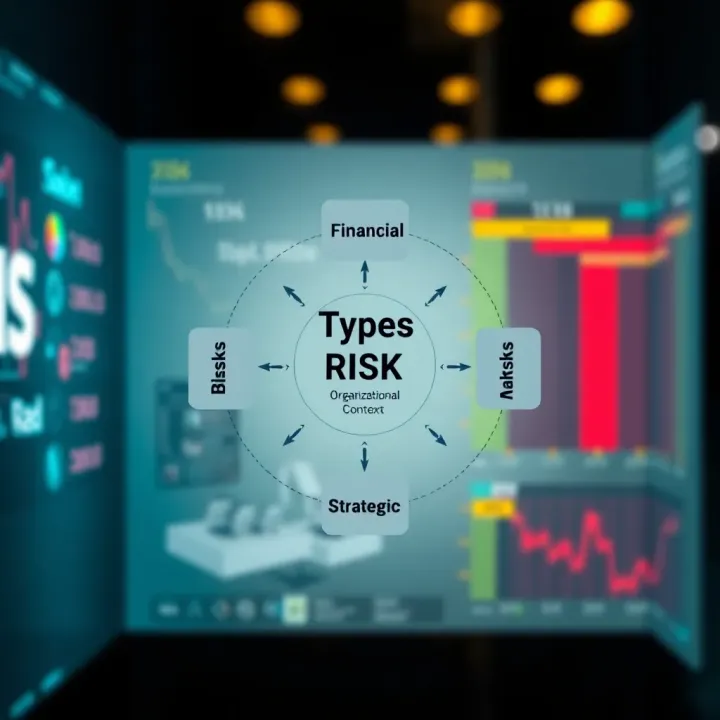
📊 Explore what risk means, its types, and how organisations in Kenya identify and assess it for better decision-making and asset protection in business and public sectors.
Based on 14 reviews