
Understanding Risk Management and Its Importance
🔍 Understand risk management: key elements, practical methods, and challenges. Learn how to identify, assess, and control risks across industries effectively.
Edited By
Samuel Foster
Risk management is the process of identifying, assessing, and controlling threats to an organisation’s capital and earnings. For anyone involved in trading, investing, or finance in Kenya, managing risk is not just good practice—it’s essential for survival. The risks you face can range from market volatility, credit defaults, to operational failings.
Companies and investors cannot entirely avoid risk, but they can reduce its impact through careful planning. In practice, risk management helps safeguard assets and income streams, ensuring long-term stability even when uncertainties hit. For instance, a trader on the Nairobi Securities Exchange (NSE) uses stop-loss orders to limit potential losses when the market dips unexpectedly.
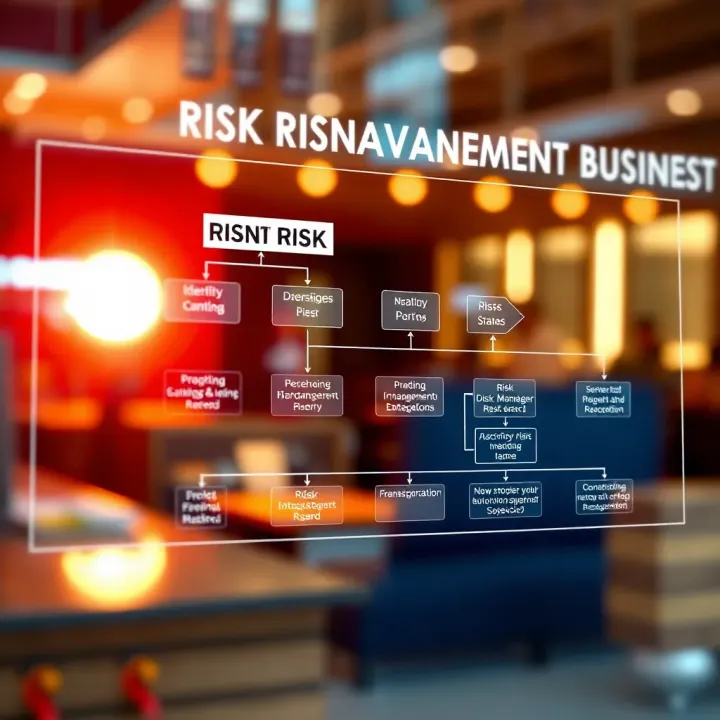
Effective risk management means preparing for the unexpected rather than assuming everything will go smoothly.
Without managing risk, businesses expose themselves to losses that can cripple operations. For example, a producer of tea in Kericho may face risks from erratic weather affecting yields. By diversifying crops or securing insurance, the farmer reduces vulnerability.
Similarly, banks in Kenya routinely assess credit risk—the chance borrowers might default. This assessment helps them decide who to lend to and on what terms, preventing non-performing loans from piling up.
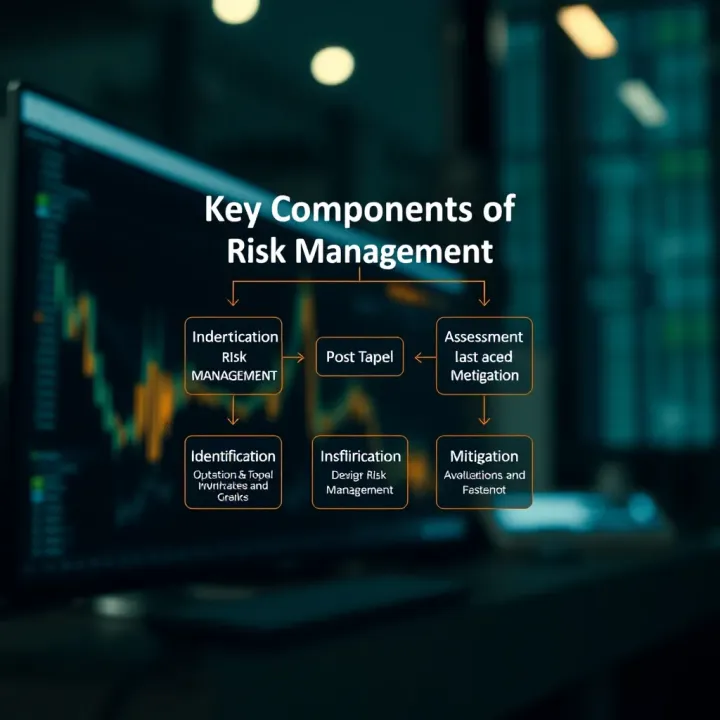
Risk management includes several steps:
Identification: Spotting potential problems, like new government regulations affecting imports.
Assessment: Estimating how likely a risk is and what damage it can cause.
Mitigation: Choosing actions to reduce risks, such as hedging currency exposure or diversifying investments.
Monitoring: Continuously reviewing risk factors and adapting strategies.
By following this cycle, firms build resilience against shocks. For example, a logistics company in Mombasa might monitor fuel price fluctuations and adjust pricing to maintain profitability.
Some common risks you’ll encounter:
Market Risk: Fluctuations in stock prices, interest rates, or foreign exchange.
Credit Risk: Borrowers or counterparties failing to meet obligations.
Operational Risk: Failures in internal processes, IT systems, or fraud.
Liquidity Risk: Difficulty converting assets to cash without losses.
Understanding these helps you allocate resources better and prepare strategies suitable for the Kenyan business environment.
In summary, risk management is about being proactive. For finance professionals and traders in Kenya, this means staying alert to signals, using tools like M-Pesa payment records for credit assessment, and always having a fallback plan. The goal is not to eliminate risk but to handle it wisely so that your business or investment survives and grows.
Risk management involves identifying and handling potential challenges that could affect business or personal goals. For traders, investors, and finance professionals in Kenya, understanding what risk management means is vital for navigating unpredictable markets and economic shifts. It’s about more than just avoiding loss; it’s a systematic approach to balancing opportunities with threats.
Risk can be anything that threatens your financial wellbeing or the smooth running of your business. In practical terms, this could be fluctuations in the Nairobi Securities Exchange (NSE), currency instability affecting dollar-denominated imports, or even delays in receiving payments through M-Pesa. Recognising these potential disruptions early helps in preparing for them. For example, an investor may consider exchange rate movements when buying foreign stocks to avoid unexpected losses.
Risk management aims to reduce the impact of unknowns by planning and acting ahead of time. It is about identifying risks, estimating their likelihood, and putting measures in place to control or minimise the negative outcomes. A common practice Kenyan businesses use is diversifying suppliers to avoid being crippled by delays from a single source. This approach applies across individual and corporate finance: having an NHIF plan alongside personal savings is also a way to manage healthcare risks.
Managing risk is key to sustaining operations and growing in competitive markets. When businesses control risks effectively, they avoid unexpected shocks that could halt production or drain resources. For instance, a small manufacturer in Naivasha might mitigate power outages by investing in a backup generator rather than halting production when the grid fails. This kind of foresight ensures they meet delivery commitments and keep customers happy.
Beyond financial loss, risk management safeguards a company’s reputation and goodwill. For example, a fintech company handling mobile money transfers must protect customer data against fraud to maintain trust. Failure here can lead to a loss of clients and legal penalties. Kenyan companies growing their brand across East Africa understand that protecting their reputation is as important as protecting physical assets.
Effective risk management means you are prepared, not surprised. It keeps your business or investments steady even when conditions around you change quickly.
In summary, risk management is the practical toolkit that helps Kenyan financial professionals and businesses deal with uncertainty, protecting what matters most and seizing opportunities with confidence.
The risk management process forms the backbone of handling uncertainties effectively, especially for traders, investors, and finance professionals. By following clear, structured steps, organisations can minimise unexpected losses and seize opportunities. In practice, this means not just reacting to risk when it occurs, but anticipating it, prioritising it, managing it with tailored strategies, and keeping an eye on changes over time.
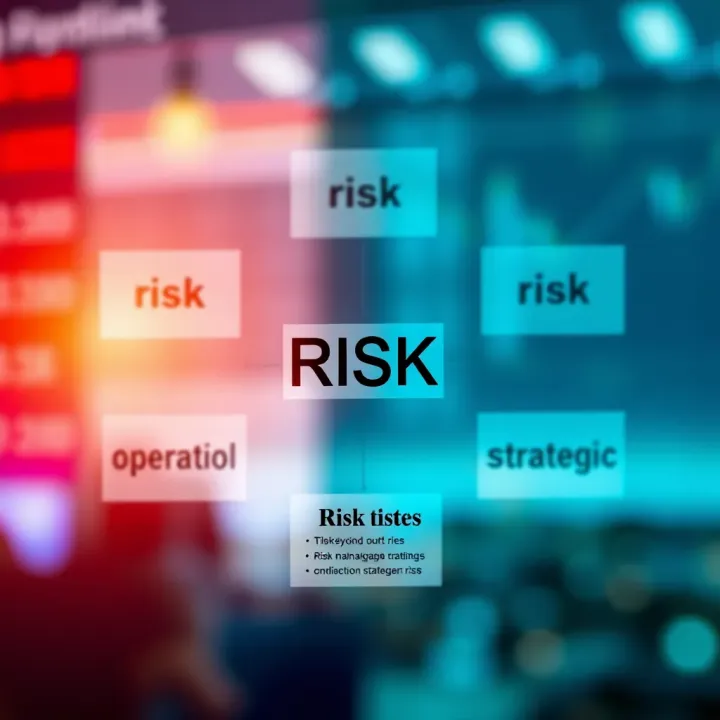
Identifying risks is about spotting potential problems early. In business and daily life, risks can arise from many sources such as market price fluctuations, credit defaults, regulatory changes, or even technology failures. For instance, a forex trader might notice political instability in a trading region, which can affect currency values sharply. Similarly, a broker could see signs of low liquidity impacting stock positions.
Tools for spotting these risks include SWOT analysis (strengths, weaknesses, opportunities, threats), checklists tailored to sector-specific threats, and consultations with experts or seasoned professionals. In practice, Kenyan investors often pay attention to news alerts, changes in Central Bank of Kenya (CBK) policies, or shifts in global commodity prices affecting local markets.
Once risks are identified, assessing their likelihood and potential impact is crucial. This moves beyond just saying "this could happen" to quantifying it — for example, calculating the probability a stock will drop 10% within a month or estimating potential financial loss from a disrupted supply chain.
This helps prioritise risks. Limited resources mean you cannot tackle every risk equally. Focusing on high impact and high likelihood risks first lets organisations manage their effort effectively. A small Nairobi-based investment firm might decide that regulatory risks due to upcoming compliance changes require urgent attention over less immediate operational risks.
Dealing with risk requires choosing from common strategies: avoid, reduce, share, or accept. Avoidance means steering clear of the risk entirely—perhaps not investing in a volatile sector. Reduction involves putting controls in place like stop-loss orders or diversified portfolios to lessen exposure. Sharing shifts risk through insurance or partnerships, while acceptance acknowledges some risks are just part of business.
Choosing the right approach depends on context and capacity. For example, a middle-sized wealth firm might reduce market risk through hedging, yet accept minor operational risks due to the cost of controls. Each decision reflects a balance between cost, benefit, and strategic goals.
Risk management doesn’t stop after strategies are applied. Continuous monitoring keeps track of the risk landscape to spot new or shifting threats. This might mean tracking currency volatility daily or reviewing client creditworthiness regularly.
Plans need adjusting whenever new information arises. Suppose a regulatory body introduces unexpected rules impacting capital flows. The trading team must quickly revise their risk stance and possibly reallocate funds. Regular reviews ensure that risk controls stay relevant and effective as conditions change.
Effective risk management is a dynamic cycle — spotting risks is just the start. Prioritising, managing, and updating responses ensures decisions remain sound and aligned with real-world shifts.
By grounding these steps in local contexts and concrete examples, traders and analysts can build resilient strategies for Kenya’s often unpredictable markets.
Understanding the different types of risks is key to managing them effectively. Organisations and individuals face varied risks depending on their activities, environment, and decisions. Focusing on common risk categories helps prioritise mitigation efforts, ensuring resources target the most pressing uncertainties.
Financial risks concern anything that could impact an organisation’s or individual’s economic stability. In Kenya, businesses often face currency fluctuations affecting importers and exporters, especially with the shilling’s occasional volatility against the US dollar or euro. For example, a trader importing electronics may find costs rising sharply overnight due to exchange rate swings.
On a personal level, many Kenyans rely on savings and loans managed through mobile platforms like M-Pesa or bank accounts. Risks such as interest rate changes or defaults on loans, especially from the informal sector, can affect family finances. The seasonal nature of some businesses, like farming during the long rains, also means cash flow can be unpredictable.
These risks arise from day-to-day processes and can disrupt business continuity. In Kenya’s jua kali sector — informal artisans and trade workers — operational risks often come from unreliable power supply or equipment breakdowns. For instance, a boda boda operator may lose income if motorbike maintenance is neglected or spare parts are scarce.
Operational risks also cover human errors and procedural gaps. A well-staffed supermarket in Nairobi might face risks from poor stock management or theft, which directly affects profits. Understanding these risks allows businesses to put in place checks, such as staff training and inventory monitoring, to reduce losses.
Risk linked to policy, regulations, and decisions can have wide-reaching consequences. For Kenyan businesses, changes in government taxation, like VAT adjustments or new licensing requirements, present compliance challenges. A small enterprise in Mombasa may suddenly face hefty fines if unaware of updated county business regulations.
Strategic risks also tie into long-term planning. Decisions like entering a new market without research or ignoring industry trends can backfire. Consider a company expanding its product line without assessing customer preferences or regulatory constraints — poor strategy can eat into profits or damage reputation.
Recognising common risk categories helps you target your risk management efforts where they matter most and build resilience against the unexpected.
Managing risk in Kenya requires understanding the local economic, social, and regulatory environment. Kenyan businesses and individuals face unique uncertainties that shape how risk management is approached. Whether dealing with currency fluctuations or navigating regulatory changes, recognising these specifics helps decision-makers prepare better and avoid losses.
Kenya's economy often experiences swings in inflation rates, exchange rates, and commodity prices. For example, a sudden drop in the value of the Kenyan shilling against the US dollar can increase the cost of imported raw materials for manufacturers. Similarly, agricultural producers may struggle with unpredictable weather patterns impacting crop yields. Such fluctuations make it hard for traders and investors to forecast costs and revenues, so they need tools to measure and respond to these risks promptly.
This volatility is particularly relevant to those in export-import businesses and the stock market. Instabilities in global markets, combined with local political and economic changes, can disrupt cash flows abruptly. Businesses that do not actively monitor these factors risk sudden losses or missed opportunities.
Kenya has a complex regulatory environment, with multiple agencies overseeing various sectors like finance, trade, and telecommunications. Compliance demands often shift, and staying updated requires continuous attention. For instance, changes in central bank policies or tax regulations may affect how traders report income or manage financial instruments.
Moreover, regulatory enforcement tends to vary across counties and sectors, creating uncertainty. SMEs often find it challenging to keep pace with these rules due to limited resources. Without proper risk management, businesses risk penalties, legal disputes, or operation suspensions.
Small and medium enterprises (SMEs) and jua kali artisans usually operate with tight budgets and minimal buffers. They need simple risk management methods tailored to their scale—like maintaining cash reserves or using mobile platforms such as M-Pesa for transparent financial tracking. For example, a boda boda operator might budget daily fuel expenses anticipating fuel price hikes as a risk factor.
Since many SMEs lack formal risk departments, training owners in basic risk identification and responsive steps can be highly beneficial. Practical tools like risk checklists or mobile apps can support them to monitor key risks without heavy costs.
A firm in Nakuru dealing with fresh produce learned to track weather forecasts and diversify suppliers after suffering losses due to unexpected droughts. On the flip side, some SMEs fall into traps like ignoring emerging risks until too late or relying only on verbal agreements, which complicates dispute resolution.
Failing to consider risks in credit extensions is another common mistake. For instance, lending goods without clear repayment terms may backfire when clients delay payment, hurting cash flow.
Effective risk management in Kenya combines awareness of local economic and regulatory challenges with practical, affordable approaches that fit business size and sector. This blend helps firms survive uncertainties and seize growth chances.
By understanding these Kenya-specific issues, traders, investors, and finance professionals can frame risk management strategies that work on the ground and avoid surprises that could undermine their goals.
Managing risk effectively demands more than good intentions; it calls for solid tools and practical techniques. These help traders, investors, and finance professionals stay organised and make sound decisions amid uncertainty. In Kenyan markets, where volatility and regulatory shifts are common, using these tools wisely can mean the difference between profit and loss.
Keeping organised records of risks is the foundation of risk management. A risk register is essentially a detailed log where businesses and investors list every identified risk, along with descriptions, likelihood, impact, and ownership of each. For example, a stockbroker tracking currency fluctuation risks or a trader noting political instability risks in East Africa can clarify which issues need priority attention. Without this record, risks can easily slip through the cracks.
Visualising risks for better decisions helps bring clarity to complex situations. Mapping risks often involves charts or heat maps, which display risks by their probability and severity. Imagine a heat map for a Kenyan exporter showing higher risk scores for currency movements and regulatory changes versus lower risks for supply delays. This visual guide highlights where to focus efforts and resources, aiding decision-makers to balance their risk appetite and protective measures effectively.
Using insurance to transfer risk means shifting potential financial burdens to insurers. Kenyan businesses frequently rely on insurance to cover risks like fire, theft, or property damage. For investors, credit insurance or political risk insurance can shield against defaults or sudden policy shifts. This reduces the chance that unexpected events wipe out savings or investments, offering peace of mind.
Other financial tools available in Kenya expand the ways to manage risk. Derivatives like futures and options help hedge commodity price risks, which is vital for agricultural exporters. Likewise, diversifying investments across sectors or using government bonds can lower exposure to any one risk type. Mobile platforms like Safaricom’s M-Pesa have also introduced micro-insurance products aimed at informal traders, allowing risk coverage on a smaller, affordable scale.
Practical use of these tools and techniques strengthens risk control, improving confidence and stability in fluctuating Kenyan markets.
Organising risks, visualising them, then applying financial measures creates a structured approach. This way, traders and investors can tackle risk head-on rather than react after a crisis hits.
Effective risk management guides organisations and individuals to handle uncertainty in a way that avoids costly mistakes and missed opportunities. When done well, it strengthens overall stability and encourages proactive planning, instead of reactive scrambling. For traders, investors, and finance professionals, understanding and applying risk management leads to clearer strategies, protects assets, and builds greater trust with stakeholders.
Knowing where risks lie helps you make smarter choices backed by facts rather than guesswork. For example, a trader who understands the potential market fluctuations can adjust investment portfolios to balance risk and reward instead of making impulsive buys or sells. In a business setting, mapping out risks—like supply chain disruptions or currency volatility—enables management to allocate resources more effectively and prioritise actions where the impact is greatest.
In practice, this means risk information becomes a key input for decisions rather than an afterthought. It prevents costly surprises by encouraging a mindset that asks, "What could go wrong?" and "How likely is it?" before committing to a course of action.
One of the biggest benefits of managing risk is reducing unexpected losses and protecting what you’ve invested time and money into. This applies to both financial resources and intangible assets like brand reputation. For instance, a Kenyan SME that carefully manages credit risk with customers avoids bad debt which could harm cash flow. Similarly, ensuring compliance with regulations prevents legal penalties and public scandals.
Minimising surprises through risk management means companies can plan for possible setbacks and respond quickly when they occur. This approach keeps operations smoother, protects profit margins, and preserves goodwill among clients and partners.
An organisation that ignores risk exposures often suffers sharp setbacks that could have been avoided with simple prevention steps.
Trust matters a lot when dealing with customers, investors, partners, and even staff. Demonstrating sound risk management practices sends a strong signal that the organisation understands its environment and takes responsibility seriously. This builds confidence, which is crucial in attracting investment and forming partnerships, especially in Kenya's competitive business environment.
For example, when investors see clear evidence of risk controls and contingency plans, they’re more likely to commit funds, knowing their investment is protected. Customers feel secure buying services or goods from a business that manages risks such as data privacy or product quality. Internally, employees gain peace of mind knowing their workplace is prepared for uncertainties.
In short, effective risk management not only shields assets but also boosts credibility and fosters long-term relationships vital for success.
🔍 Understand risk management: key elements, practical methods, and challenges. Learn how to identify, assess, and control risks across industries effectively.
Understand risk management in Kenya 🌍 Learn key strategies, challenges, and tools to make informed decisions in business and everyday life effectively.
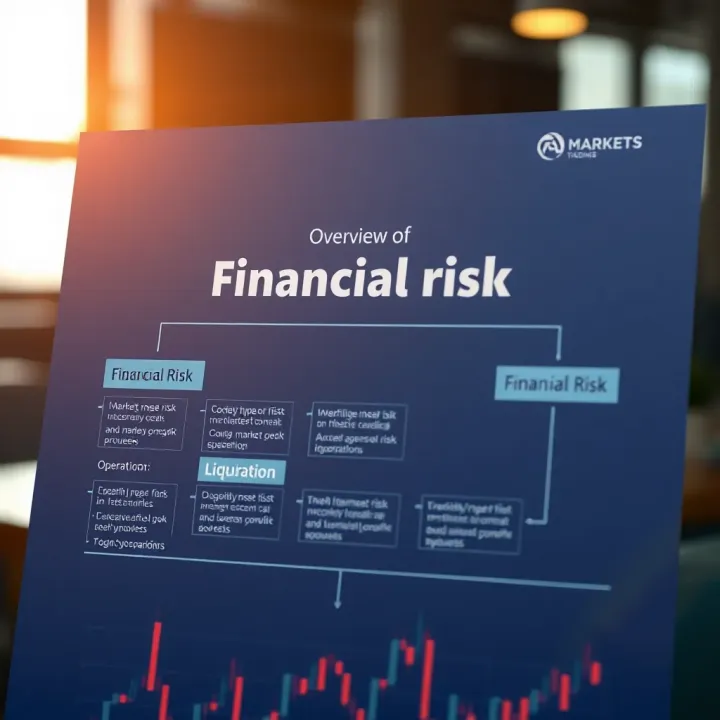
Learn practical financial risk management tools and strategies 📊 to identify, assess, and reduce risks, helping Kenyan businesses and investors safeguard assets. 💼

Learn how Kenyan businesses can manage compliance risks effectively to avoid penalties, safeguard reputation, and ensure smooth operations. ⚖️📊
Based on 6 reviews