
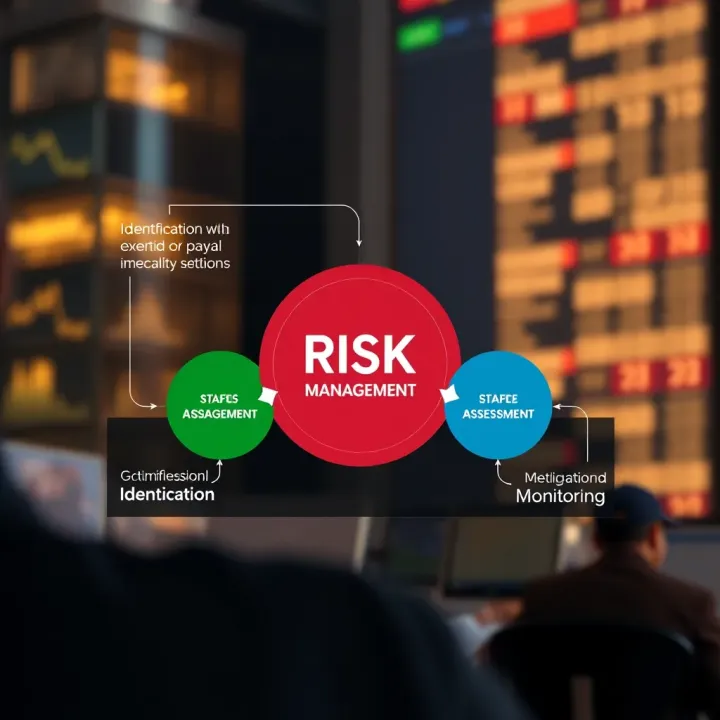
Risk Management Principles for Better Decisions in Kenya
🔍 Learn how Kenyan businesses can identify, assess, and manage risks to boost confidence in decision-making and protect their investments across sectors like agriculture, finance and SMEs.
Edited By
Isabella Fletcher
Risk management isn't just a buzzword in finance—it’s a must-have practice for anyone dealing with uncertainty, especially traders, investors, and finance professionals. At its core, risk management is about spotting potential problems before they hit and figuring out how to reduce their impact.
Why care about risk? Because in markets and business, risks translate to money lost or made. You trade a stock without paying attention to its volatility, and suddenly, bam—you’re facing unexpected losses. Or you invest without understanding market changes and get caught flat-footed. This is where risk management steps in, helping you make smarter decisions.
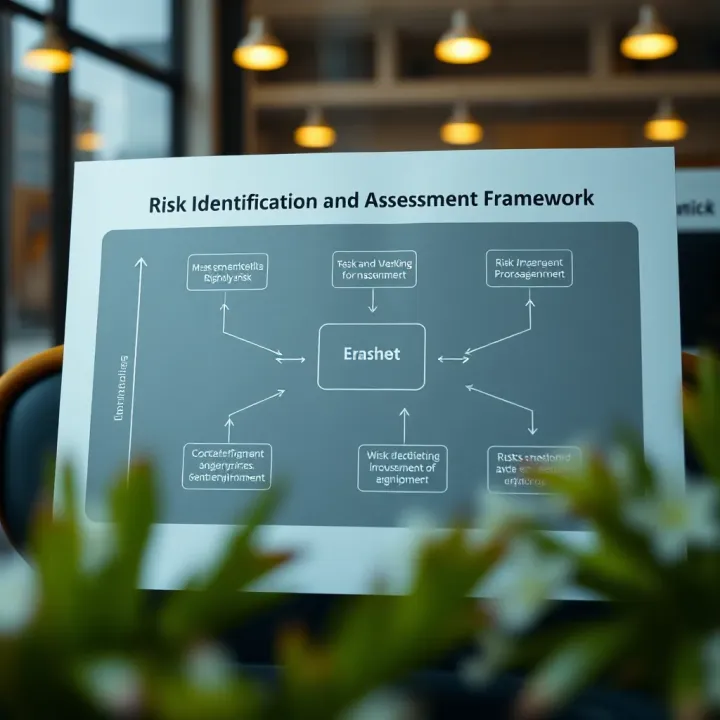
It starts with identifying risks: knowing what could go wrong. For example, a broker might track geopolitical tensions or interest rate hikes that could shake markets. Once the risks are clear, the next step is assessing them—how likely are they to happen, and what might their impact be? This isn’t guesswork; it's based on data, trend analysis, and historical context.
Next up is mitigation. That’s where your strategies come in: diversifying your portfolio, setting stop-loss orders, or hedging with options. Each approach can limit downside while keeping opportunities open.
Finally, risks don’t stay put. Markets move fast, and so should your risk management. Continuous monitoring ensures you catch new threats early and adjust your tactics accordingly.
Effective risk management is about balancing risk and reward—it's not about avoiding risk entirely but managing it well enough to protect your investments and business operations.
Here’s a quick look at the main steps:
Identify: Recognize potential risks early.
Assess: Analyze the likelihood and potential damage.
Mitigate: Implement strategies to reduce risk.
Monitor: Keep an eye on ongoing changes.
For traders and investors, mastering these basics means fewer nasty surprises and a steadier path toward your financial goals. The bottom line is this: you don’t have to predict the future perfectly; you just need to be prepared well enough to handle the bumps along the way.
In trading and finance, risk management is more than just a buzzword—it's a practical necessity. Managing risk means actively recognizing, evaluating, and addressing uncertainties that could impact your investments or business operations. For anyone handling money or assets, understanding risk management helps prevent costly surprises and keeps strategies on track.
Risk refers to the chance that an unfavorable event will lead to losses or missed opportunities. This could range from market volatility to operational failures or even regulatory changes. Risk management is the process of identifying these potential threats, measuring their possible impact and likelihood, then deciding on ways to handle them. Traders, for example, use stop-loss orders and diversification to limit exposure to sudden price swings. In contrast, institutional investors often combine quantitative models with expert judgment to balance risk and return effectively.
The importance of risk management extends well beyond trading desks. In business, managers rely on risk frameworks to safeguard cash flow, protect reputation, and comply with regulations. Take a bank assessing credit risk: by evaluating borrowers’ likelihood of default, they set interest rates or decide lending limits. On a broader scale, companies use risk management to respond to supply chain disruptions or cybersecurity threats. Simply put, without sound risk protocols, organizations leave themselves vulnerable to avoidable setbacks.
Effective risk management turns uncertainty into a manageable part of decision-making rather than a blind spot.
In daily life, people manage risk too—buying insurance or setting aside emergency funds. For finance professionals and traders alike, embracing risk management is essential; it’s about protecting capital while positioning for opportunities. Understanding this principle is the foundation for all further risk control and mitigation strategies covered throughout this article.
Effective risk management rests on a few solid principles that help businesses and investors navigate uncertainties without losing sight of their goals. These principles aren’t just theory—they’re tools that make the difference between handling surprises smoothly and getting blindsided.
The first step in managing risk is spotting it—in other words, risk identification. You can't manage what you don’t know exists. This means scanning all areas where potential threats might lurk, whether it’s market volatility, operational glitches, credit defaults, or regulatory changes. For instance, a hedge fund might identify liquidity risk by monitoring how quickly assets can be sold without affecting their price. Correctly identifying risks early on sets the foundation for all other steps.
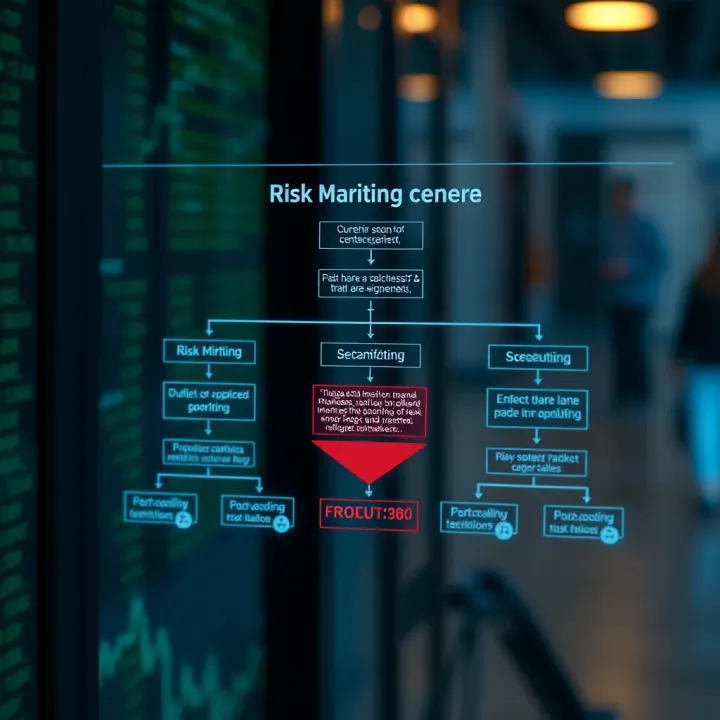
Once risks are identified, the next move is to assess them based on how likely they are to occur and how impactful they'd be if they did. This is crucial because not every risk deserves the same attention. For example, a small brokerage may find the risk of cyberattacks low but the impact high, prompting more investments in cybersecurity even if incidents are rare. Combining likelihood and impact helps firms target their resources wisely, avoiding wasted efforts on unlikely or minor risks.
After assessing risks, prioritizing them allows organizations to focus on what matters most. Techniques like risk matrices can rank risks by severity, helping decide which to tackle first. A trader might prioritize market risk over operational risk during high volatility periods because market fluctuations immediately affect positions. By ranking risks logically, teams ensure they’re not chasing every problem equally but tackling those that could cause the most damage first.
Bottom line: Real-world risk management depends on spotting the right risks, understanding their weight, and tackling the urgent ones first. Mastering these principles lets traders, investors, and finance pros keep control amid uncertainty.
This practical, step-by-step approach makes risk management manageable and strategic—not just a box to check in reports. Understanding these core principles is the key to staying ahead and protecting your bottom line.
Managing and mitigating risks isn't just ticking boxes; it’s about making informed decisions to protect investments and ensure steady growth. For traders and finance pros, approaching risk methodically helps avoid nasty surprises and keeps portfolios resilient under pressure. Each strategy targets risks differently, and mastering these approaches gives you the flexibility to adapt based on your risk appetite and market conditions.
Risk reduction focuses on lowering the chance or impact of a threat before it hits. One practical method traders use is stop-loss orders, which automatically sell a position if prices slip below a certain level, limiting losses. On a broader scale, diversification—spreading investments across sectors or asset types—controls risk by avoiding overexposure to any single weak spot. Take a portfolio heavy in tech stocks: a sudden downturn in that sector can drag down returns unless balanced with less correlated holdings like bonds or commodities.
Another tactic is hedging, where investors use derivative instruments such as options or futures to offset potential losses. For example, an investor holding shares in an energy company might buy put options as a safety net against market dips. These controls aren’t foolproof but significantly soften the blow when market waves get rough.
Sometimes, rather than trying to hold all the risk, it’s smarter to shift some of it elsewhere. Insurance is a classic example of this. Businesses affected by credit risk might purchase credit insurance to cover defaults, effectively transferring financial exposure to a third party. Similarly, in finance, syndicated loans distribute loan risk among multiple lenders, so no single institution carries the full burden.
Joint ventures and partnerships also spread risk. By pooling resources and expertise, participants share both the rewards and the potential downsides. This is common in real estate investing, where developers partner with financial backers—each contributing capital but also sharing the risk if market conditions sour.
No strategy can wipe out risk entirely. The leftover, or residual, risk is what remains after controls and transfers. Successful risk management acknowledges this and includes continuous monitoring to catch any shift or growth in these residual risks before they spiral out of control. For instance, a fund manager might decide to accept certain market volatility as normal but keeps a close eye on geopolitical developments that could spike risk levels quickly.
Regular risk reviews—using dashboards or risk management software—help track these ongoing exposures. It’s about being vigilant without micromanaging every tiny threat. The bottom line is balancing your risk tolerance against potential rewards, keeping uncomfortable surprises at bay while letting your investment strategy breathe.
Effective risk management blends reducing, transferring, and accepting risks intelligently, allowing investors to build strategies that are both realistic and resilient to uncertainty.
Effective risk management hinges on the process used to manage risks in real-world settings. This process puts the principles of risk management into action, guiding traders, investors, and finance pros through systematic steps to identify, assess, respond to, and monitor risks. It’s not just theory—it’s practical, decision-impacting work that can protect portfolios and business outcomes alike.
The first step is getting clear on the context in which risk decisions will happen. This means understanding the internal factors, like your firm’s risk appetite and available resources, as well as external factors such as market volatility, regulations, and economic conditions. Setting objectives early ensures everyone aligns around what risks are acceptable and which outcomes are most critical. For example, an investment firm might prioritize protecting client capital over chasing high returns, affecting what risks it’s willing to take.
Establishing context also involves defining the scope of risk management efforts—whether it covers specific trading desks or the entire firm. Without this clarity, risk assessments tend to be unfocused and less actionable.
Risk isn’t static. Regular monitoring is essential to spot new threats and track the effectiveness of controls. In trading, this means keeping an eye on position limits, market shifts, and economic indicators, adjusting strategies as needed. Continuous review also involves updating risk models with fresh data, ensuring assumptions remain realistic.
For example, during sudden market swings, a risk manager might notice elevated value-at-risk metrics and immediately recommend reducing exposure to certain assets. This ongoing review process helps prevent surprises and enables swift adjustments.
Regularly reviewing and adjusting risk strategies keeps your holdings aligned with evolving market realities, reducing the chances of unexpected losses.
Key considerations in monitoring include:
Establishing clear risk thresholds and triggers for escalation
Employing automated tools for real-time risk tracking
Integrating reports across departments for a comprehensive risk view
Bringing risk management from abstract concepts into daily practice means adopting a disciplined, continuous process. This turns managing risk from a box-checking exercise into an ongoing, strategic advantage that protects capital and fuels informed decisions.
Risk management isn't just about spotting risks and making plans—it’s about overcoming real-world obstacles that can trip up even the best-laid strategies. Understanding common challenges helps you avoid pitfalls, while adopting best practices ensures your risk management efforts don't stall. In finance, for example, ignoring emerging market volatility could lead to costly surprises unless risk management is tightly woven into decision-making processes.
Barriers often stem from organizational resistance, data gaps, or lack of clear communication. For instance, in trading firms, siloed departments might hoard risk-related information, undermining a comprehensive view of potential exposures. To counter this, fostering transparency across teams and implementing centralized risk dashboards can prove invaluable.
Another hurdle is the temptation to downplay unlikely risks, especially under pressure to deliver short-term profits. A practical example: during the 2008 financial crisis, many underestimated the fallout of subprime mortgages, partly due to cognitive biases. Implementing regular scenario analysis and stress testing can break this tendency by exposing weaknesses before they escalate.
Training and expertise gaps also hold organizations back. Without skilled risk managers who understand quantitative models and market dynamics, even sophisticated tools may fail. Investing in continuous education and cross-training ensures teams adapt as market conditions evolve.
For risk management to stick, it needs to be part of the company's DNA, not just a department's job. Embedding risk awareness starts at the top—with leadership championing open discussions about uncertainty and encouraging a mindset that values caution alongside ambition.
A practical approach comes from investment firms that tie compensation not only to returns but also to risk-adjusted performance metrics. This aligns incentives and promotes responsible behavior company-wide.
Regularly scheduled "risk retrospectives"—meetings where teams review past decisions and outcomes—help ingrain a learning culture. They encourage spotting blind spots and refining risk controls before problems snowball.
The bottom line is: tackling challenges head-on and weaving risk management into your organization's culture can turn it from a checkbox task into a real competitive edge.
Promote transparency with centralized risk reporting
Use scenario analysis to challenge assumptions
Invest in ongoing risk education
Align incentives with risk-adjusted outcomes
Make risk discussions a regular part of business reviews
By addressing these factors, traders, investors, and finance pros can navigate uncertainty with more confidence and avoid being blindsided by risks lurking beneath the surface.
🔍 Learn how Kenyan businesses can identify, assess, and manage risks to boost confidence in decision-making and protect their investments across sectors like agriculture, finance and SMEs.

🔍 Learn how risk management protects you and your business in Kenya. Discover key insurance products, claims tips, and ways to secure financial peace of mind.
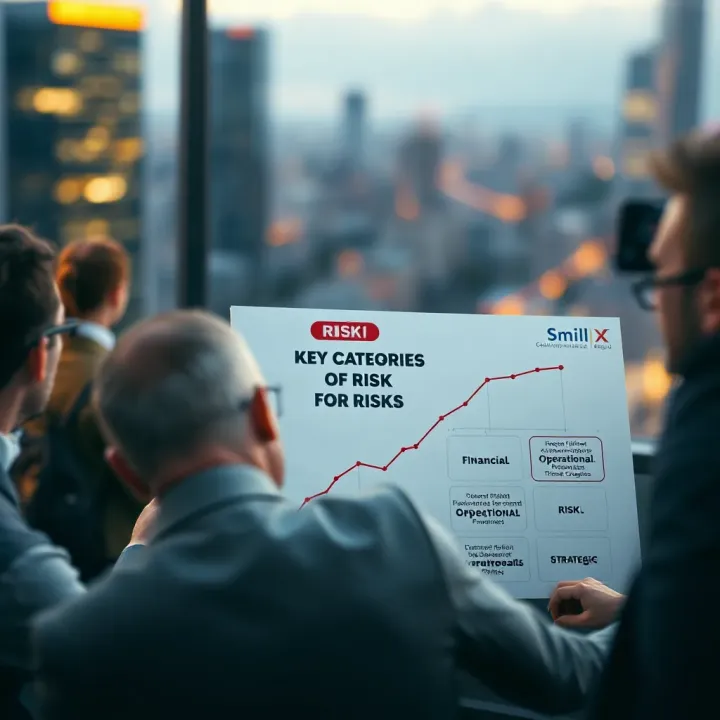
📊 Understanding risk management helps Kenyan businesses tackle threats that affect growth and operations. Learn practical tips to safeguard your organisation today.

📊 Discover practical steps for identifying, analysing, and tracking risks in Kenyan projects. Manage uncertainties with tools and examples tailored to local business needs.
Based on 12 reviews