

Disaster Risk Management Strategies in Kenya
Discover practical strategies for disaster risk management in Kenya, focusing on community involvement, resource coordination, and building resilience 🌍💧🔥
Edited By
Sophie Hamilton
Risk management is not just a buzzword for Kenyan businesses—it is a practical necessity. For traders, investors, and finance professionals, understanding risk management principles means better decisions and fewer costly surprises. Business environments, whether in Nairobi’s bustling markets or the rural farms of Rift Valley, face different kinds of risks—from market volatility and currency fluctuations to unpredictable weather affecting crop yields.
What is risk management? Simply put, it involves identifying potential threats that could derail your financial goals, assessing their impact, and putting systems in place to minimise those effects. Effective risk management in Kenya often combines established international frameworks with local context, such as using M-Pesa data to track transactional risks or factoring in county-level regulations.

"Risk management is about preparing for the worst, so you can still make the best choice when the time comes."
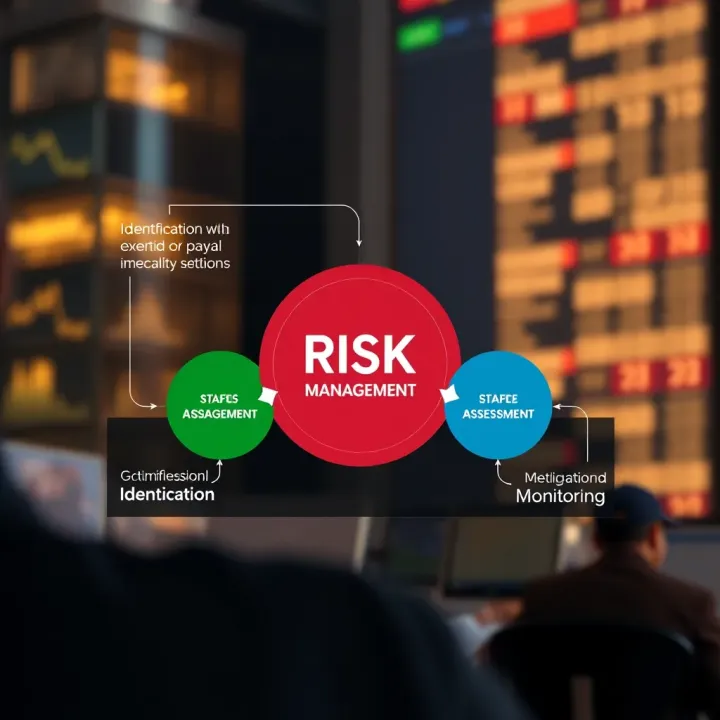
Risk Identification: Spotting threats before they hit is essential. This could mean recognising market shifts for forex traders or disease outbreaks for agribusinesses.
Risk Assessment: Evaluating how likely a risk is and how serious its impact could be allows better prioritisation. For instance, assessing the effect of fluctuating coffee prices on earnings.
Risk Mitigation: Taking steps to reduce risk, such as diversifying investment portfolios or using crop insurance schemes to protect farmers.
Monitoring and Review: Risks evolve, so continuous tracking ensures controls remain effective, such as adjusting stock positions in response to NSE trends.
For Kenyan SMEs, adopting even simple risk management practices can improve resilience. Take a dairy cooperative that monitors weather patterns and uses mobile alerts to adjust supply schedules. This small step limits losses during the long rains season.
By grasping and applying these risk management principles, Kenyan professionals can reduce uncertainties and make decisions that protect their investments while seizing new opportunities. This article will unpack these ideas with real-world examples, helping you navigate the often unpredictable economic landscape of Kenya with confidence.
Risk management is about recognising, assessing, and handling factors that could cause loss or harm to a business or organisation. In Kenya, where economic conditions, infrastructure, and regulatory environments can change quickly, understanding and managing these risks is vital. It provides businesses a chance to protect themselves from unexpected shocks, whether from market fluctuations, political changes, or natural events.
Uncertainty in Kenya’s business environment is common, whether it’s due to fluctuating commodity prices, unpredictable weather affecting agriculture, or changes in government policies. For example, a farmer may be uncertain about rainfall patterns during the long rains, which directly impacts crop yields. This uncertainty makes decision-making tricky, emphasising the need for thorough risk assessment to prepare for different scenarios.
Kenyan businesses encounter various risks such as financial risks (currency volatility and inflation), operational risks (supply chain delays due to poor infrastructure), regulatory risks (changes in tax laws), and reputational risks (negative publicity or poor product quality). For instance, matatu operators face regulatory risks when new traffic laws are introduced without enough notice, disrupting their routes and profits.
Sound risk management protects a company’s physical resources and its standing with customers and stakeholders. In Nairobi’s competitive retail sector, a business dealing with counterfeit products risks losing both inventory and customer trust. Handling this risk through supplier vetting and quality checks helps safeguard not only assets but also the brand’s reputation.
Effective risk management reduces the likelihood of financial losses by preparing businesses for potential disruptions. For example, a local event organiser who anticipates challenges like permit delays or weather changes can have contingency plans in place, avoiding total project failure. This approach helps businesses stay resilient and continue operations even when issues arise.
Proper risk management ensures processes run smoothly and within legal frameworks. Financial institutions in Kenya, for example, must comply with regulations by the Central Bank of Kenya; failure to manage compliance risks can result in fines or licence revocations. By managing these risks, businesses avoid costly legal issues and keep operations efficient.
Trust is a strong currency in Kenya’s business world. Organisations known for managing risks well—such as ensuring data security or timely delivery of goods—gain confidence from customers and investors. A microfinance institution that consistently safeguards clients' information earns greater loyalty and easier access to funding.
Managing risk is not just about avoiding loss—it enables organisations to seize opportunities confidently and maintain stability amid change.
This understanding sets the foundation for adopting practical risk management principles suited to Kenyan realities, helping businesses make informed and effective decisions.
Understanding the fundamental principles of risk management is key for traders, investors, and finance professionals aiming to make informed decisions in Kenya’s dynamic markets. These principles provide a structured way to identify, assess, respond to, and monitor risks, ensuring that organisations can manage uncertainties effectively without losing sight of opportunities.
Tools and techniques for spotting risks involve a mix of qualitative and quantitative approaches. For instance, using SWOT (Strengths, Weaknesses, Opportunities, Threats) analysis helps firms pinpoint both internal and external factors affecting their business. In the Kenyan context, this could mean analysing regulatory changes from bodies like the Capital Markets Authority or shifts in consumer behaviour linked to economic trends.
With the rise of digital tools, Kenyan companies are also adopting risk registers and dashboards that track potential threats in real-time, like currency fluctuations or supply chain delays. These tools make risk identification more systematic and less prone to oversight.
Engaging teams in recognising threats and opportunities is essential because risk is not always visible to top management alone. Staff in sales, operations, or finance often notice early signs of emerging risks. Encouraging a culture where anyone can report risks or suggest ideas helps organisations capture a wider range of insights.
For example, a retail chain might hear from their warehouse staff about delivery bottlenecks caused by poor road conditions. Such feedback allows timely adjustments before the issue escalates. Involving teams also builds ownership in risk management, making interventions more practical and rooted in daily operations.
Qualitative and quantitative risk assessment methods are commonly used in Kenyan businesses to measure the seriousness of risks. Qualitative methods involve categorising risks as high, medium, or low based on expert judgment. Meanwhile, quantitative techniques may assign numeric probabilities and financial impact estimates, such as potential losses in KSh.
Finance professionals dealing with investments often use scenario analysis or stress testing to understand how portfolios might behave under adverse conditions like political unrest or currency depreciation.
Prioritising risks based on potential effects helps focus limited resources on the most damaging threats. It’s impractical for an SME to tackle every risk at once, so ranking risks by severity and likelihood ensures that attention goes to issues that could disrupt cash flow or damage reputation.
For example, a small exporter might prioritise foreign exchange fluctuations and shipping delays over less immediate risks, enabling them to secure forward contracts or negotiate better shipping terms.
Avoidance, mitigation, transfer, and acceptance explained form the core ways to handle risks. Avoidance means steering clear of activities that carry high risk, like entering unstable markets. Mitigation involves taking steps to reduce risk impact, such as installing backup power systems for operations.
Transfer typically means shifting risk to another party, often through insurance or contracts. Acceptance is acknowledging some risks cannot be avoided and preparing to handle potential consequences.
Choosing responses suitable to Kenyan business environments means recognising the local realities. For instance, some risks like political volatility or infrastructure challenges are hard to avoid entirely. Hence, Kenyan firms often rely more on mitigation and transfer.
An agribusiness may use crop insurance to transfer weather-related risks while investing in irrigation technology to mitigate drought effects. Such balanced strategies improve resilience while keeping costs manageable.
Tracking changes in risk profiles is necessary because risks evolve with market and environmental conditions. Kenyan businesses that monitor indicators—like interest rates from the Central Bank of Kenya or weather forecasts—can adjust their risk management promptly.
Regular risk audits help uncover new threats and verify that existing controls remain effective. In practice, this might mean monthly reviews of risk registers and quarterly strategy meetings.
Adapting strategies as conditions evolve is what separates thriving businesses from those left behind. When new risks emerge or old ones shift, Kenyan firms must revisit their response plans. For example, cyber risks are increasing rapidly; companies need to update their security measures continuously.
Flexibility ensures organisations don’t become complacent. Consistent feedback loops and learning from past incidents contribute to smarter, more anticipatory risk management.
Effective risk management hinges on actively applying these principles, helping Kenyan businesses safeguard their assets and seize opportunities with confidence.
Risk management is not one-size-fits-all; it varies widely across Kenya’s diverse economic sectors. Tailoring risk strategies to each field helps businesses and organisations minimse losses and seize opportunities. Here, we look at how key sectors like agriculture, finance, and SMEs apply risk principles to tackle challenges unique to their operations.
Kenyan farmers face frequent uncertainties due to fluctuating weather patterns and volatile market prices. For example, prolonged drought or heavy rains during key planting seasons can destroy crops, causing huge financial damage. Similarly, sudden drops in food prices at local markets reduce farmers’ income unexpectedly. Effective risk management means closely monitoring weather forecasts and market trends to time planting and sales wisely, as well as diversifying crops to avoid total loss. For instance, combining maize with drought-resistant sorghum can spread weather risks.
Insurance products like weather-indexed policies have become vital for Kenyan farmers. These policies pay out if rainfall drops below a certain level, cushioning farmers against crop failure without the lengthy claim processes of traditional plans. Moreover, technology such as mobile apps for satellite rainfall data and market prices helps farmers make informed decisions. Companies like Safaricom have integrated such services with M-Pesa, allowing easy premium payments and claims. These tools reduce the unpredictability of farming incomes and encourage investment in quality inputs.
In Kenya's financial sector, controlling credit risk—the chance that borrowers default—and fraud is critical. Banks and microfinance institutions use credit scoring models and background checks to assess loan applicants, which helps reduce bad debts. On the fraud side, Moi Trust Bank's introduction of biometric authentication notably cut cases of identity theft. These measures protect financial institutions and build customers' trust.
Financial entities in Kenya must adhere closely to regulations set by bodies like the Central Bank of Kenya (CBK) and the Capital Markets Authority (CMA). Compliance reduces legal penalties and reputational damage. For instance, the recent mobile banking regulations require providers to ensure transparent fees and customer data security. Financial firms that keep close tabs on rules adjust policies promptly, avoiding costly disruptions.
Kenyan SMEs often operate on tight cash flows, making them vulnerable to unexpected expenses or late payments. Managing these risks involves maintaining clear financial records and building emergency funds. For example, a Nairobi-based bakery might forecast daily sales to adjust purchase orders, avoiding overstocking or shortages. Operational risks like equipment failure require regular maintenance schedules, ensuring minimum downtime.
Unlike large corporations, SMEs benefit from straightforward risk management tools. Simple checklists or spreadsheets can track known risks and staff responsibilities without overwhelming limited resources. For instance, a retail duka in Kisumu may use a basic risk log to report theft incidents and equipment faults. Keeping things simple increases the chance of consistent application and early problem detection.
Different sectors face distinct risks. Applying risk management in ways that recognise these differences is crucial for businesses to stay resilient and make smarter decisions in Kenya’s dynamic economy.
Building a risk-aware culture keeps everyone alert to potential threats and opportunities within an organisation. In Kenya’s fast-changing business environment, from the hustler economy to formal sectors, embedding this culture supports better decisions and avoids costly surprises. It’s not just about policies; it’s about shaping attitudes where risk management becomes part of daily conversations and actions.
Training helps both leaders and staff grasp what risks could affect their operations, whether it’s fluctuating exchange rates or supply chain disruptions caused by the rains. Practical workshops, case studies from Kenyan SMEs, or even simple risk checklists build understanding and skills. When everyone knows the stakes and signs to watch, the organisation can act before small issues turn into big losses.
Staff should also get ongoing awareness sessions rather than a one-off talk. For example, regular sessions at monthly meetings or refresher trainings add value, especially as new risks emerge like cyber threats or market changes. This approach keeps risk management fresh in employees’ minds and encourages risk ownership across all levels.
A risk-aware culture demands openness where staff feel safe to raise concerns without fear of blame. In many Kenyan workplaces, this can be a shift. Encouraging open risk dialogue enables early detection of issues, particularly in jua kali or SME settings where informal observations often reveal hidden risks.
Leaders can promote this by setting clear expectations and rewarding honesty regarding challenges or mistakes. For instance, a trader noticing irregularities in stock movement at the market or a broker spotting unusual client behaviour can report these early, helping management address risks before they escalate.
Assigning who does what in risk management avoids confusion and finger-pointing. In Kenyan firms, this means defining roles not just at the executive level but across departments—from finance teams monitoring credit risk to shopfloor supervisors spotting equipment faults.
Clear mandates help ensure risk tasks get attention and accountability. For example, a finance manager might own cash flow risk surveillance, while the IT team handles cybersecurity. This clarity is vital, especially for organisations growing rapidly or juggling multiple projects and locations.
Affordable tech solutions are now within reach of many Kenyan businesses and offer real benefits for managing risks. Simple spreadsheet-based dashboards can track key indicators like receivables ageing or supplier delays. More advanced firms might use software for real-time monitoring of financial transactions or inventory.
Technology also enables easier reporting and communication of risk data. For instance, a broker might submit weekly M-Pesa transaction reviews through an online platform, flagging irregularities swiftly. This helps leaders stay informed and respond quickly without waiting for traditional reports.
A risk-aware culture isn’t built overnight. It requires active leadership and engagement, clear structures, and practical tools that fit local realities. The pay-off is better decisions, stronger resilience, and trust among clients and partners in Kenya’s dynamic markets.
Managing risk effectively in Kenya comes with its own set of challenges. Awareness of these common pitfalls is crucial for traders, investors, and finance professionals who want to make sound decisions. From limited resources to overlooking emerging threats, these issues can undermine even the best risk management plans if left unchecked.
Limited budgets for risk initiatives often restrict Kenyan businesses, especially small and medium enterprises (SMEs), from implementing thorough risk management strategies. Many organisations focus primarily on daily operations, leaving little room to invest in dedicated risk tools or training. For instance, a Nairobi-based SME may struggle to afford insurance cover or professional risk assessments, leaving it vulnerable to unexpected shocks like supply chain delays or theft.
This budget constraint means firms rely on informal methods that may not capture all risks adequately. Without allocating funds for proper risk evaluation, these companies end up exposed to losses that could have been mitigated. Practical budgeting should prioritise risk assessment at least as a safeguard against larger, unpredictable costs.
Need for more risk management expertise is another serious challenge. In Kenya, specialised risk managers are rare outside large corporations or financial institutions. Many businesses lack staff trained in identifying, analysing, and responding to risks effectively. This gap limits their ability to foresee complex threats such as market volatility or regulatory changes.
For example, an investor in the Nairobi Securities Exchange might not fully understand how to hedge against currency fluctuations or political risks without expert guidance. Enhancing risk awareness through workshops, collaboration with local consultants, or leveraging resources from bodies like CMA (Capital Markets Authority) can help bridge this knowledge gap practically.
Ignoring climate change and cyber threats remains a common oversight with potentially severe consequences. Kenya's agriculture sector is highly vulnerable to climate variations, yet many farms have weak adaptation plans. For traders or businesses linked to agricultural supply chains, failing to consider erratic rainfall or drought in risk calculations can disrupt operations and profits.
Similarly, cyberattacks have grown worldwide, and Kenyan firms increasingly face risks like data breaches or fraud through digital platforms. Yet, some companies still neglect investing in cybersecurity measures or regular system audits. Ignoring these evolving risks can lead to losses far greater than traditional operational risks.
Emerging threats require constant vigilance; businesses that overlook these risk factors expose themselves to surprising shocks.
Failing to update risk frameworks regularly is another pitfall. Risk environments do not stay static, but many Kenyan organisations remain stuck with outdated policies. This can mean sticking to old assumptions when Kenya's political climate, technology use, or market conditions have shifted rapidly.
For example, a financial firm might continue using risk controls developed before the widespread adoption of mobile banking, leaving gaps in fraud detection. Regular review of risk management processes ensures strategies remain relevant and effective, adapting to changes on the ground.
Updating frameworks involves periodic assessments, stakeholder feedback, and integrating insights on new risks. This proactive approach strengthens resilience and improves decision-making under uncertain conditions.
Addressing these challenges head-on allows Kenyan businesses to better protect investments and maintain confidence in their decisions. Focused efforts to close knowledge gaps, allocate resources wisely, and stay alert to emerging risks make risk management a practical, manageable endeavour rather than a daunting task.
Effective risk management often begins with simple, clear actions rather than complex strategies. For Kenyan traders and investors, focusing on practical approaches helps in making real progress despite resource constraints or knowledge gaps. The following tips highlight accessible ways to strengthen risk handling and improve decision-making outcomes.
Focus on highest-impact areas first: Begin by pinpointing risks that pose the biggest threats or opportunities to your business or investments. For example, a small agro-exporter may prioritise climate-related risks like drought or floods since these directly affect crop yields and income. By tackling these key risks initially, you prevent being overwhelmed and ensure that limited resources go where they matter most.
Use simple tools and checklists: You don’t need fancy software to start managing risks. Basic checklists, like monthly reviews of cash flow risks or compliance reminders, serve as effective early steps. Traders in Nairobi’s securities market, for instance, often use straightforward scorecards to track liquidity risks or regulatory changes, enabling timely reactions without heavy reliance on consultants.
Engaging consultants and local bodies: Getting input from risk management consultants or organisations like the Kenya Association of Manufacturers can provide valuable insights tailored to local conditions. These experts help identify blind spots and suggest practical controls, often boosting confidence and efficiency. Given that many firms face knowledge gaps, such collaborations bridge experience while keeping costs manageable.
Learning from shared experiences: Peer groups and industry forums allow businesses to exchange real-life risk scenarios and coping strategies. For example, SME networks in Mombasa share lessons on managing supply chain disruptions caused by fluctuating transport costs or seasonal demand. Such shared knowledge helps avoid repeated mistakes and sparks cooperative solutions addressing common challenges.
Affordable digital solutions for risk monitoring: Technology doesn’t have to break the bank. Mobile apps and cloud-based platforms can track financial indicators or market changes in real time. Safaricom’s Lipa Na M-Pesa integrations, for example, enable small traders to monitor transactions easily and flag unusual activity fast. These accessible tools make ongoing risk control practical for businesses with modest budgets.
Data-driven decision-making: Collecting and analysing relevant local data improves accuracy in spotting risks and opportunities. For instance, investment analysts at NSE frequently rely on company reports and macroeconomic indicators to adjust portfolios proactively. Kenyan firms embracing data insights tend to respond faster to market swings and regulatory shifts, strengthening their resilience.
Taking small steps, engaging knowledgeable partners, and using affordable technology collectively make risk management more doable and effective in Kenya’s dynamic business environment.
Discover practical strategies for disaster risk management in Kenya, focusing on community involvement, resource coordination, and building resilience 🌍💧🔥

📊 Discover key strategies in compliance and risk management tailored for Kenya. Navigate regulations, assess risks, and build trusted systems for your business.

Learn how Enterprise Risk Management frameworks help Kenyan businesses identify, assess, and manage risks to safeguard assets and achieve goals 📊🛡️.

Explore financial risk types, management strategies, and legal insights with practical PDF resources designed for Kenyan professionals and students 📊📚
Based on 6 reviews