

Guide to Compliance and Risk Management in Kenya
📊 Discover key strategies in compliance and risk management tailored for Kenya. Navigate regulations, assess risks, and build trusted systems for your business.
Edited By
Alexander Price
Project risk management is the process of spotting, analysing, and handling uncertainties that could affect project success. In Kenya’s dynamic business and development environment, risk management is especially vital. Projects here often face challenges such as economic fluctuations, regulatory changes, and logistical hurdles that demand practical and responsive strategies.
Successful risk management begins with understanding the various types of risks involved. These typically range from financial risks—such as currency fluctuations or budget overruns—to operational risks like supply chain delays or equipment failure. Additionally, Kenyan projects often encounter political and regulatory risks due to shifting policies or compliance requirements at both national and county levels.

Managing these risks effectively means implementing clear steps: first, identifying potential risks from start to finish; second, assessing their likelihood and impact; third, planning appropriate responses; and finally, monitoring risks continuously throughout project execution. Using tools like risk registers and risk matrices can help project managers maintain focus and adjust plans quickly when new threats emerge.
For example, a construction project in Nairobi may face risks from prolonged rainy seasons leading to work stoppages and cost increases. Anticipating this, the project team could build in buffer periods and budget contingencies specifically for weather delays.
Paying attention to local context is key—what works well for a project in Nairobi’s urban setting might need adapting for a rural infrastructure project in Western Kenya with different access and resource challenges.
Integrating risk management into the overall project plan strengthens decision-making and helps safeguard resources. It also improves communication with funders, stakeholders, and regulators by demonstrating foresight and preparedness.
In the Kenyan market, where uncertainty is common, the best project leaders actively monitor risk and remain flexible. Doing so not only protects their investments but also builds trust within communities and partners, which is vital for long-term success.
Next, this guide explores practical risk assessment methods and response strategies suitable for Kenyan projects, with real-world examples and tools that can enhance your project performance from start to finish.
Project risk management is about spotting, analysing, and dealing with things that could go wrong in a project. This is especially relevant in Kenya where factors like infrastructure challenges, regulatory changes, and market fluctuations often affect project outcomes. Understanding these risks early helps project managers avoid costly delays or budget overruns.
Common categories of project risks usually fall into a few buckets: technical risks, financial risks, legal risks, environmental risks, and social risks. For example, in a construction project in Nairobi, technical risks could involve faulty designs or poor-quality materials. Financial risks include sudden currency fluctuations or delays in funding. Legal risks might surface if land ownership disputes arise. Recognising these categories helps teams prepare better.
How risks influence time, cost, and quality is straightforward yet critical. If a key supplier in Mombasa delays delivering materials, the entire project timeline extends, possibly increasing labour costs. Compromising on quality to meet tight deadlines often leads to higher maintenance costs later. Therefore, every risk links back to how quickly, cheaply, and well a project gets done, which is why foresight matters.
Examples of risk in Kenyan projects highlight practical realities. For instance, a road upgrade in Kisumu might face environmental risks due to heavy rains disrupting work, while a tech startup in Nairobi encounters market risks from sudden changes in customer preferences or stiff competition. These concrete examples show that each project type has unique risk profiles.
Reducing project failures is the first quick win from effective risk management. By anticipating delays, funding gaps, or regulatory hurdles, project teams can put measures in place—like alternative suppliers or additional buffer budgets—minimising chances of complete collapse. This proactive approach saves time and resources.
Improving decision-making comes as a natural outcome. When risks are clearly laid out, stakeholders make wiser choices about timelines, budgets, or vendor selection. For example, a project leader might decide to increase investment in quality control after recognising supplier reliability risks, thereby avoiding costly reworks.
Enhancing resource management is another key benefit. Managing risks ensures people, money, and equipment are allocated where they’re needed most without waste. Say a project plans for seasonal weather disruptions by scheduling indoor tasks during heavy rains, it optimises labour use and avoids downtime.
Understanding risks isn’t about avoiding them entirely but about managing uncertainties so projects stay on track, within budget, and deliver value.
By grasping these fundamentals, Kenyan project teams strengthen their chances of success in a dynamic and often unpredictable environment.
Identifying risks early in the project cycle is a foundational step that sets the tone for effective management throughout a project's lifespan. Catching potential pitfalls before they escalate enables better planning, allocates resources more efficiently, and reduces costly surprises—critical in Kenyan projects where budget and time constraints are often tight. Projects in infrastructure development or agribusiness, for example, benefit immensely when risks like delayed approvals or adverse weather conditions are flagged early.
Brainstorming sessions gather diverse team members and stakeholders to discuss all possible risks, bringing in different perspectives that might highlight overlooked issues. In Kenyan projects, including local community representatives or technical experts during brainstorming can reveal unique risks, such as seasonal flooding or electricity outages common in some counties. Checklists complement this by providing a structured way to ensure nothing is missed. For instance, a checklist for construction in Nairobi suburbs might include street access challenges, informal settlements issues, and regulatory permits.
Looking back at completed projects uncovers patterns that can inform risk identification. Kenyan organisations often have documented reports or informal knowledge about recurring challenges, such as supplier delays during festive seasons or rising material costs during the long rains. Accessing this data helps anticipate risks that have proven likely before, enabling proactive mitigation. For example, NGOs working on water projects in Turkana have learned to account for dry spells far beyond usual weather forecasts.
Talking to stakeholders—including clients, community leaders, suppliers, and consultants—adds value to the risk identification process by introducing ground realities and expert opinions. In many Kenyan contexts, where local politics or land ownership disputes can affect project timelines, stakeholder interviews reveal concerns not apparent in formal reports. Experts, especially those familiar with the sector and region, can also predict technical or regulatory risks based on current trends.
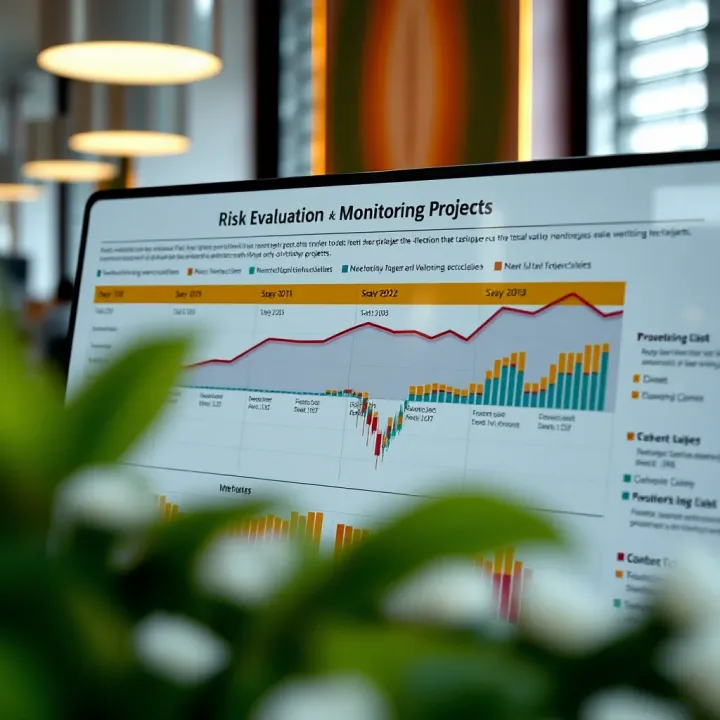
A risk register is an organised document or digital tool that lists identified risks along with details such as their causes, potential impacts, and planned responses. It acts as the project's risk memory and communication tool, ensuring all team members are on the same page. For Kenyan projects, keeping the risk register updated is essential because local conditions can change rapidly—what was low-risk last month might become critical during the short rains.
Distinguishing between internal and external risks clarifies who controls events and shapes mitigation. Internal risks stem from within the project team or organisation, like inadequate skills or delayed procurement. External risks come from outside forces, such as changes in government policy or currency fluctuations affecting project costs. For example, a Kenyan-based solar energy project might face internal risks in equipment quality, while external risks include national grid changes or import duties.
Once risks are identified, evaluating how likely they are to occur and their potential impact helps decide where to focus efforts. A risk with a high chance and severe effect, like fuel strikes disrupting transport in Nairobi, demands urgent response. Conversely, low-probability risks with minor effects might be monitored. This prioritisation ensures effective use of limited resources and prevents distraction from significant threats.
Early risk identification combined with systematic documentation and classification builds a solid foundation for managing uncertainties, particularly when navigating the complex and dynamic environment of Kenyan projects.
Assessing and analysing risks correctly is a vital step before deciding how to handle them in any project. Without a clear understanding of which risks are most likely to happen, and the damage they can cause, project teams may waste resources on low-impact issues while ignoring serious threats. In Kenyan projects, where challenges such as fluctuating market prices, delays in regulatory approvals, or unreliable infrastructure are common, proper risk analysis can mean the difference between finishing on time and a costly setback.
This tool helps to categorise risks based on how likely they are to occur and the extent of their impact on the project. Imagine building a housing estate in Nairobi; if a risk such as poor rainfall is rated as high probability but low impact, it may be less urgent than a risk like delay in TSC approval, which might have lower probability but very high impact. Using this matrix lets project managers focus attention and resources where it counts.
Sorting risks into categories—such as technical, financial, legal, or environmental—makes it easier to assign responsibility and track trends. For example, in a road construction project, technical risks might include poor soil stability while financial risks cover currency fluctuations affecting material costs. Grouping these risks simplifies communication with teams and stakeholders, providing clarity on which area needs close monitoring.
Involving stakeholders, including contractors, suppliers, community leaders, and clients, adds valuable perspectives about potential risks that may otherwise be overlooked. In Kenyan contexts, local community leaders may alert teams to social risks like land disputes or opposition that could delay project progress. Engaging these groups early ensures more comprehensive risk identification and helps build trust.
This method estimates how much a risk could affect project costs or timelines. For example, if fuel price hikes occur unexpectedly during a transport project, how much extra KSh will the project require, and how long will delays extend? Quantifying these impacts helps projects set aside adequate contingency funds or adjust schedules proactively.
EMV combines the probability of a risk with its financial impact to calculate an average expected loss or gain. To illustrate, if there’s a 30% chance that floods will damage crops in a farming project causing KSh 2 million losses, EMV would be KSh 600,000 (30% of 2 million). This approach helps Kenyan project managers weigh risks in financial terms, guiding smarter investment decisions.
This technique uses computer-generated models to simulate thousands of possible outcomes based on varying risk probabilities and impacts. For complex projects like large infrastructure developments (railways, energy plants), Monte Carlo simulations provide more realistic forecasts by accounting for uncertainty. It helps Kenyan projects estimate likely completion dates or overall costs more accurately and plan accordingly.
Without thorough assessment and analysis, risk response becomes guesswork—an expensive gamble that Kenyan projects cannot afford.
By combining qualitative methods with quantitative tools, project leaders get a well-rounded picture of risks, enabling effective responses tailored to real conditions. This blend of approaches supports better decisions that keep projects on track and within budget.
Project environments in Kenya bring unique challenges such as regulatory changes, infrastructure gaps, and socio-economic factors that demand tailored risk responses. Planning risk responses that truly fit these local conditions helps projects stay on track despite uncertainties. For example, a construction project near Nairobi might face sudden material shortages due to transport strikes. Anticipating this with a practical risk plan is essential to avoid costly delays.
Avoiding risks means changing project approaches or scopes to sidestep potential problems entirely. In Kenyan projects, this could involve selecting suppliers with local warehousing to avoid cross-border delays or avoiding regions prone to security issues. While outright risk avoidance is not always feasible, it remains relevant for highly disruptive risks that could derail critical milestones.
Mitigating risks refers to cutting down the likelihood or impact of risks. For Kenyan projects, this might involve strengthening communication channels between county governments and contractors to minimise permit delays. Another example is scheduling activities during dry seasons to reduce weather-related interruptions. These proactive steps reduce surprises and help smooth execution.
Transferring risks passes the impact to a third party, often through insurance, contracts, or partnerships. In Kenya, this could mean using local insurance products to cover political risk or subcontracting specialized tasks where the expertise gaps are wide. Although transferring doesn't eliminate the risk, it protects the project’s financial or operational wellbeing.
Accepting risks happens when certain risks are deemed manageable without specific controls due to cost or probability considerations. For instance, a project may accept minor market price fluctuations in imported materials if hedging costs outweigh the risk. This approach requires setting clear thresholds and monitoring to respond swiftly if situations change.
Contingency plans and budgets ensure resources are reserved for managing known risks if they arise. Kenyan projects should include contingency allowances in financial plans based on risk assessments. For example, KSh 2 million might be set aside to handle expected rigging permit delays in a Nairobi infrastructure project. These buffers help avoid scrambling for funds during execution.
Communication and responsibility assignment are vital to operationalise risk responses. Clear roles and reporting lines within teams reduce confusion during risk events. In Kenyan organisations, involving stakeholders such as suppliers, county officials, and financiers early enhances accountability for risk management tasks, thus improving response speed.
Aligning risks with project objectives means integrating risk management into the overall project goals rather than treating it separately. This alignment helps prioritise responses that support timely delivery and quality standards important in Kenya’s competitive project sector. For instance, risk plans that protect critical path activities contribute directly to meeting deadlines and customer expectations.
Effective risk response planning in Kenyan projects combines local knowledge with practical measures, ensuring projects not just survive but thrive despite uncertainties.
Monitoring and controlling risks while the project is underway is not just a box to tick. In Kenyan projects, where delays due to factors like weather or supply shortages are common, keeping a close eye on risks ensures you can act before small issues turn into major setbacks. Active monitoring helps maintain project timelines, controls costs, and protects quality. For example, a construction project in Nairobi that tracked delivery delays of materials could adjust schedules early, avoiding costly idle labour.
Setting up risk monitoring systems involves identifying specific signs that a risk might be occurring or about to occur. For Kenyan projects, this could be market price fluctuations for materials like cement or political developments during election periods. A clear system to observe these triggers prevents surprises. For instance, a project installing solar systems might monitor tariffs, as sudden policy changes could impact project viability.
Using project management tools simplifies tracking and reporting risks. Tools like MS Project or cloud platforms such as Trello and Asana allow teams to update risk status in real time, assign responsibilities, and share alerts instantly. This is particularly helpful in geographically spread projects across Kenyan counties, where timely communication is key. Integration with mobile apps lets field teams report emerging issues directly, ensuring swift responses.
Regular risk reviews and updates help adapt the risk management plan to current realities. Scheduling weekly or bi-weekly sessions to discuss risk status keeps everyone in the loop. For example, during the rainy season, a road project team can review flooding risks more often to adjust drainage plans or workforce deployment. These reviews encourage accountability and prevent unnoticed risks from derailing progress.
Responding to emerging risks means staying flexible when unexpected challenges arise. In Kenyan projects, sudden fuel price hikes or changes in labour laws can affect budgets and timelines. Quick reassessment of risk impact and adjusting responses—such as seeking alternate suppliers or renegotiating contracts—can keep things moving. Without this, projects risk overruns or stalled work.
Managing changes and disputes is inevitable in complex projects. When risks trigger contract amendments or disagreements among stakeholders, clear processes for change management and mediation are vital. For example, a disagreement over delayed payments in a county government project needs prompt resolution to avoid work stoppages. Keeping a detailed record of decisions and communications supports smooth resolutions.
Learning from risk outcomes after each phase or project completion helps sharpen future risk strategies. Capturing what went well and what failed—in terms of risk prediction and response—builds institutional memory. Kenyan organisations that maintain such lessons reduce repeated mistakes, improve project delivery, and enhance trust with stakeholders. This learning culture also boosts confidence among investors and partners.
Staying alert through monitoring and being ready to shift gears when necessary helps Kenyan projects stay on track amid uncertainties.
By focusing on these practical steps, project leaders and teams can manage uncertainties better, saving time, money, and effort throughout project execution.
Risk awareness is not just a tick-box exercise; it shapes how organisations in Kenya handle uncertainties and prepare for setbacks. Creating a culture where everyone from the project manager to the field staff understands risk strengthens decision-making, reduces costly surprises, and improves project delivery. This culture encourages transparency and shared responsibility, which is key in Kenya's often volatile business and development landscape.
Training and awareness programmes are vital for building a common understanding of risk management across departments. When employees and stakeholders receive targeted training on identifying and responding to risks, they become active partners rather than passive observers. For example, a construction firm in Nairobi might run monthly workshops for site engineers and supervisors on how to spot weather or supply chain risks early, reducing delays and budget overruns.
Equally important is promoting open communication within project teams. Risks often go unnoticed if people fear blame or dismissal. Encouraging a speak-up culture allows early identification of problems like supplier delays or permit issues. A county government project in Kisumu found that weekly risk dialogues between contractors, suppliers, and officials helped surface challenges well before they escalated, allowing quicker solutions.
Sharing experiences also builds institutional memory. Sharing risk lessons across projects avoids repeated mistakes and sharpens future risk responses. For instance, after a road development project in Eldoret experienced budget blowouts due to unexpected land acquisition challenges, documenting this lesson helped subsequent projects plan more realistic contingencies and stakeholder engagement strategies.
Modern Kenyan organisations are increasingly turning to risk management software tools that streamline risk tracking and reporting. These tools offer a central platform for registering risks, assigning owners, and monitoring mitigation steps. For SMEs, affordable cloud-based solutions like Microsoft Planner or local platforms tailored to Kenyan business practices offer practical ways to keep tabs on project risks without heavy investment.
Moreover, integration with reporting systems enhances risk visibility across the organisation. Connecting risk registers with financial and progress reports lets management see how risks impact the bottom line or timelines at a glance. For instance, a Nairobi-based fintech firm integrated its risk management software with project dashboards, enabling investors and leaders to receive timely alerts and make informed decisions rapidly.
The rise of remote work and field operations across Kenya's varied regions makes mobile and cloud solutions for remote teams essential. Teams in counties like Turkana or Mombasa can update risk status from mobile devices in real-time, despite infrastructure hurdles. Cloud storage ensures all stakeholders access the latest risk information from anywhere, fostering prompt responses and better coordination.
Building a solid risk-aware culture takes deliberate effort but pays off through smoother projects and less damage from surprises. Kenyan organisations that make risk management a daily habit tend to handle crises better and maintain investor confidence.
By focusing on training, open communication, experience sharing, and the smart use of technology, your organisation can create a resilient environment where risks are managed continuously rather than reacted to belatedly. This is especially valuable for Kenyan projects navigating regulatory shifts, climate uncertainties, and evolving market dynamics.
📊 Discover key strategies in compliance and risk management tailored for Kenya. Navigate regulations, assess risks, and build trusted systems for your business.

Discover practical strategies for disaster risk management in Kenya, focusing on community involvement, resource coordination, and building resilience 🌍💧🔥

Learn how Enterprise Risk Management frameworks help Kenyan businesses identify, assess, and manage risks to safeguard assets and achieve goals 📊🛡️.
Explore financial risk types, management strategies, and legal insights with practical PDF resources designed for Kenyan professionals and students 📊📚
Based on 10 reviews