
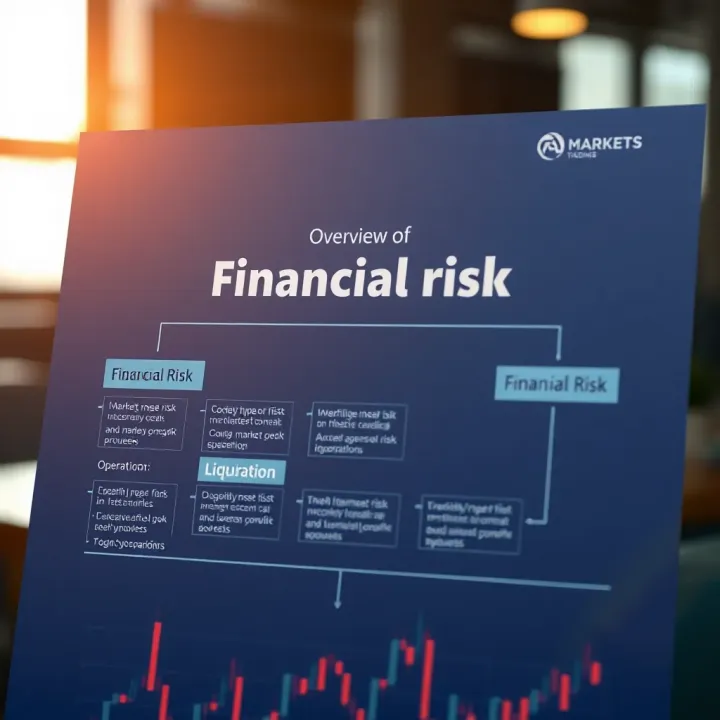
Effective Financial Risk Management Practices
Learn practical financial risk management tools and strategies 📊 to identify, assess, and reduce risks, helping Kenyan businesses and investors safeguard assets. 💼
Edited By
Amelia Warren
Risk management is a vital process for every organisation aiming to protect its assets, maintain steady growth, and navigate the uncertainties of the market. In Kenya's fast-changing business environment, understanding and managing risk can mean the difference between success and failure.
At its core, risk management involves identifying potential threats—be it financial losses, operational disruptions, regulatory changes, or market fluctuations—and developing strategies to reduce their impact. For example, a trader dealing with high-value commodities might face price volatility risks, while a financial analyst could be exposed to credit or market risks.

Without a solid risk management framework, organisations often encounter unexpected setbacks that can drain resources and damage reputation. Consider a Nairobi-based firm that failed to account for regulatory shifts by the Capital Markets Authority (CMA); this oversight could lead to heavy fines and restricted operations.
Effective risk management not only safeguards resources but also supports informed decision-making by highlighting where vulnerabilities lie.
Organisations that actively manage risks reap multiple benefits:
Improved decision quality: Clear understanding of risks allows leaders to make informed choices.
Enhanced operational resilience: Preparedness reduces downtime caused by unforeseen events.
Financial stability: Anticipating risks helps avoid costly surprises and budget overruns.
Stronger stakeholder confidence: Investors and partners trust organisations that demonstrate control over uncertainties.
Furthermore, risk management aligns with compliance demands and helps businesses adjust to Kenya’s regulatory landscape which can shift rapidly, especially in sectors like banking and insurance.
In essence, sound risk management equips organisations to spot threats early, respond effectively, and maintain a competitive edge. It is a continuous process, not a one-time event, requiring dedication from all levels of management to embed a culture of vigilance and proactive planning.
Managing risk is not just about avoiding trouble; it is a vital part of keeping your organisation running smoothly and safeguarding its future. In the Kenyan business environment, where market conditions and regulations can change unexpectedly, actively managing risks helps organisations stay stable and competitive.
A company’s assets—physical, financial, and human—are its backbone. Without proper risk control, businesses expose themselves to theft, damage, or misuse that could lead to severe losses. For instance, a Nairobi-based trading firm that neglects cybersecurity risks might face financial losses from data breaches that not only reduce profits but also damage client trust. Reputation is just as important; once lost, it can take years and a lot of resources to rebuild. Take the case of a local bank caught mishandling customer data; the fallout included sharp customer departures and a plunge in stock prices. Managing risks protects these valuable assets and the brand image, limiting avoidable damages.
Unexpected disruptions—like power outages, supply chain interruptions, or political unrest—can halt operations and cause huge losses. Effective risk management means preparing for such events through backup plans, alternative suppliers, or insurance cover. For example, some Kenyan manufacturers maintain relationships with multiple raw material suppliers to avoid production stops caused by delays from a single source. This preparation helps organisations pick up quickly after setbacks, reducing downtime and preserving income streams.
In Kenya, organisations must comply with laws from various bodies including the Capital Markets Authority (CMA), Kenya Revenue Authority (KRA), and county regulators. Failure to meet these legal requirements often results in fines or licence revocations that can cripple business operations. A manufacturing company, for example, must ensure environmental guidelines are followed; otherwise, it faces penalties and negative publicity. Taking practical steps to identify and mitigate compliance risks means the organisation avoids legal troubles and maintains its operating licence.
Managing risks isn’t a one-off task but a continuous effort that shields your organisation from losses, keeps it running under pressure, and ensures it meets its legal obligations.
Overall, understanding why managing risk matters equips traders, investors, and business professionals with tools to protect investments, maintain smooth operations, and avoid costly regulatory pitfalls. This insight is essential in Kenya’s evolving business landscape where each day brings new challenges and opportunities.
Effective risk management sharpens the decision-making process in any organisation. When risks are clearly identified and assessed, leaders can weigh options with a full understanding of potential downsides and opportunities. For instance, a Nairobi-based export company faced fluctuating forex rates impacting its profits. Through risk analysis, it adjusted its contracts to fix prices in advance, thus avoiding losses. This practical insight prevents knee-jerk reactions and encourages thoughtful, data-driven choices.
Cost savings and efficient use of resources come naturally when risk management is done well. By spotting threats early, organisations avoid expensive firefighting later. For example, a Kenyan manufacturing firm that regularly maintained equipment after a risk review reduced breakdown downtime by nearly 30%. Similarly, insuring against known risks such as fire or theft at realistic levels helps balance premiums against potential claims, saving money over time. The key is prioritising resources where risk exposure is greatest.
Solid risk management also boosts confidence among stakeholders — from investors to customers and regulatory bodies. Businesses that transparently manage risks present themselves as reliable and well-governed. One example is a financial institution in Kenya that regularly reports its risk assessments to the Capital Markets Authority, reassuring investors of its stability. This increased trust often translates into better terms for loans and partnerships. Customers too are more likely to stay loyal when they believe a company can manage challenges responsibly.
In all, risk management is not just about avoiding losses but also about creating value through smarter decisions, cost control, and stronger relationships.
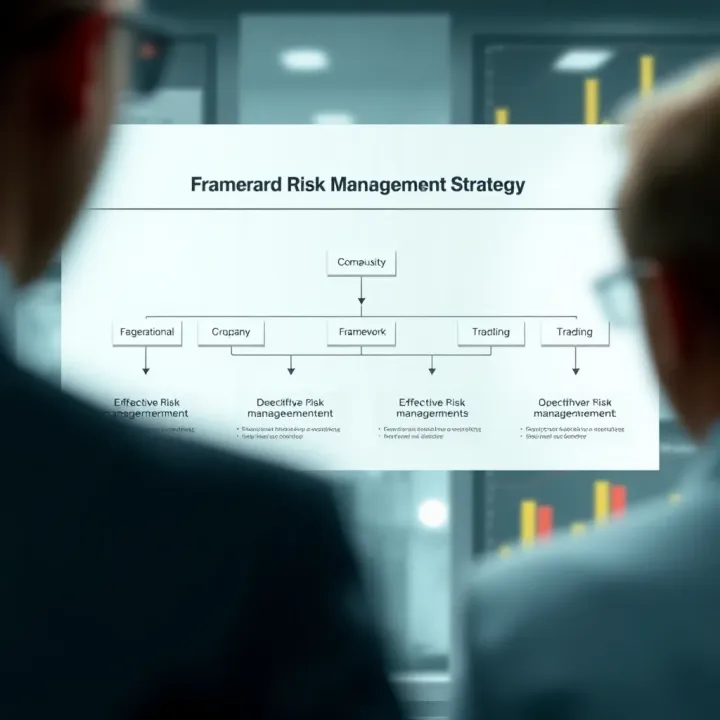
By embedding risk management into daily operations, Kenyan organisations position themselves for sustainable growth and resilience in a competitive environment. The practical benefits, seen through improved decisions, cost savings, and enhanced trust, underscore why managing risk effectively is a smart business move.
Kenyan businesses face a unique set of risks shaped by the country's economic, regulatory, and operational environment. Understanding these risks helps traders, investors, and finance professionals prepare more precise strategies to protect business interests and sustain growth. This section outlines the common risk categories Kenyan businesses encounter, highlighting the practical challenges they pose.
Financial risks involve uncertainties that impact cash flow, profitability, and overall financial health. Kenyan businesses often confront volatility in foreign exchange rates, especially those engaged in import-export or with loans in foreign currencies like the US dollar. For example, a sharp weakening of the Kenyan shilling against the dollar can inflate loan repayments, putting pressure on cash reserves.
Additionally, credit risks are significant, particularly for small and medium enterprises (SMEs) that extend trade credit to customers but lack sufficient mechanisms to recover debts. Firms also grapple with fluctuating interest rates set by the Central Bank of Kenya (CBK), which affect loan affordability.
Addressing these risks requires a clear financial management plan that includes hedging against forex exposure where possible, diligent credit appraisal, and maintaining healthy liquidity to meet unexpected demands.
Operational risks arise from internal processes, people, or systems malfunctioning. Kenyan businesses in sectors like manufacturing, retail, or transport frequently face supply chain disruptions—caused by factors such as road closures, strikes among matatu operators, or delays in importing raw materials.
Moreover, reliance on manual record-keeping and limited digital infrastructure increases chances of errors, fraud, and inefficiencies. For instance, a retail shop in Nairobi might suffer losses if transaction records are not well monitored or M-Pesa payments are mishandled.
To reduce operational risks, organisations should invest in streamlined processes and capacity building for staff. Embracing technology—from digital payment platforms like Lipa Na M-Pesa to inventory management software—helps improve accuracy and speed.
Regulatory risks affect businesses that fail to meet Kenya Revenue Authority (KRA) guidelines, county bylaws, or sector-specific laws—such as those governing food safety, labour, or environmental protection. Non-compliance can lead to hefty fines or even business closure.
A practical example is the rising enforcement of data protection under Kenya’s Data Protection Act. Businesses collecting customer data without clear consent risk penalty and reputational damage. Similarly, non-adherence to National Hospital Insurance Fund (NHIF) and National Social Security Fund (NSSF) remittance rules exposes employers to legal woes.
Staying compliant entails regular training on emerging laws, engaging legal experts periodically, and using eCitizen and iTax platforms to ensure timely and accurate submissions.
Understanding these risk categories enables Kenyan businesses to craft focused responses that reduce financial losses, operational setbacks, and legal troubles.
By knowing common pitfalls and taking proactive steps, organisations can remain competitive and build resilience in a dynamic business landscape.
An effective risk management process forms the backbone of any organisation's effort to handle uncertainties and prevent disruptions. This process guides businesses in spotting potential threats early, deciding which ones require urgent attention, taking steps to reduce their impact, and keeping an eye on how well these measures work over time. In Kenya’s fast-evolving economic environment, a structured risk management process helps organisations avoid surprises that could hurt their operations or reputation.
Spotting risks early is like fixing a leaking roof before the rain pours in. Organisations should regularly scan their environment for threats that might affect their performance. For example, a trader in Nairobi might notice changes in currency fluctuations or delays in matatu services impacting supply chains. Tools like risk registers, employee feedback, and market research can help capture such risks promptly. Early identification saves costs and gives businesses time to plan properly.
Not all risks carry the same weight, so assessing their likelihood and potential impact is crucial. Companies can use techniques like risk scoring or heat maps to visualise which risks need immediate attention. For instance, a financial institution may prioritise cyber threats over minor operational delays because the former can cause bigger losses. Prioritising helps focus resources on the most threatening risks rather than spreading efforts too thin.
Once key risks are clear, businesses must act to reduce their chances or effects. This could mean buying insurance, improving staff training, or adopting technology solutions. In the Kenyan farming sector, diversification of crops to manage weather-related risks is a common strategy. Effective mitigation is practical and cost-conscious, ensuring the business doesn’t spend too much on low-priority risks.
Risk management isn’t a one-off task; it requires constant monitoring. Organisations should regularly review their controls to confirm they work as expected. This can involve audits, regular risk reports, and feedback sessions. As risks evolve, especially in a dynamic market like Kenya’s, continuous review allows adjustments. For example, a company may need to upgrade data protection measures following new cyber threats.
Building a clear and ongoing risk management process equips your organisation to face both predictable and unexpected challenges confidently, safeguarding your long-term success.
By following these steps, Kenyan businesses can stay ahead of threats, protect assets, and support steady growth amidst uncertainty.
Managing risks in any organisation involves more than listing potential threats; it requires addressing practical hurdles that organisations often face. These challenges can slow down or even halt effective risk management, impacting an organisation’s ability to protect its assets and sustain growth. Tackling these issues head-on is essential, especially for businesses in Kenya where dynamic market conditions and regulatory changes demand agility.
Resistance to change is a common barrier in implementing risk management practices. Employees and even some managers may see risk management as extra work or a distraction from their daily duties. For instance, in many Kenyan firms, risk management is mistakenly viewed as a finance-only responsibility rather than a collective effort. Overcoming this requires clear communication and involving staff at all levels. When employees understand how managing risks protects their jobs and the company’s future, they become more cooperative. Training sessions and sharing real-world examples—like how a jua kali workshop avoided costly shutdowns by managing safety risks—can help break down resistance.
Not every organisation has the budget or skilled personnel dedicated to risk management. Smaller businesses in Nairobi’s informal sector often juggle daily cash flow challenges, leaving little room for risk officers or technology that tracks risks. However, limited resources don’t have to mean weak risk management. Practical steps include prioritising major risks and partnering with external experts. For example, an agro-processing company in Western Kenya might collaborate with local extension officers to identify production risks without hiring full-time staff. Likewise, free resources and training offered by institutions like the Kenya Association of Manufacturers can boost in-house skills without stretching budgets.
The business environment in Kenya shifts rapidly—from fluctuating currency rates affecting import costs to changing laws on data protection. Organisations need systems that adapt to these changes instead of relying on outdated risk assessments. This means regular reviews and staying connected to relevant regulatory updates. A good practice is assigning a risk champion who monitors market trends and feeds information back to the team. For example, a Nairobi-based exporter might track new trade tariffs in the East African Community to adjust its risk strategies promptly. Staying alert prevents surprises that could cause severe losses.
Overcoming risk management challenges is not just about ticking boxes; it safeguards your organisation’s survival and opens doors to growth by building trust with partners and investors.
By addressing cultural resistance, making the most of limited resources, and staying agile to evolving risks, Kenyan organisations can strengthen their risk management framework significantly. This effort translates into better decisions, protected investments, and a brighter future in a competitive market.
Risk management plays a key role in shaping how businesses grow and stay sustainable over time. Organisations that actively manage risks avoid unexpected setbacks, safeguard their resources, and can plan with confidence even when faced with uncertain market conditions.
Strategic planning without risk assessment is like navigating Nairobi traffic without a matatu route map. Good risk management helps identify potential obstacles and opportunities early, allowing businesses to align their goals with realistic scenarios. For example, a manufacturing company in Mombasa might assess supply chain risks before expanding production, ensuring it has backup suppliers to avoid costly delays. This foresight not only sharpens decision-making but also pushes resources to where they’re most needed, avoiding waste and better positioning the company for growth.
Kenyan businesses often face sudden economic changes such as fluctuating forex rates, inflation spikes, or unexpected policy shifts by regulators like the Central Bank of Kenya (CBK). Through thorough risk management, firms can build buffers that help them withstand such shocks. Consider an agribusiness that uses futures contracts or diversification to manage price volatility in commodities like maize or tea. These steps increase the business’s ability to absorb shocks without interrupting operations, ensuring they survive tough times and remain competitive.
Banks and investors want to see how a business manages its risks before they commit funds. Risk management signals maturity and foresight, which builds trust with lenders, equity investors, and partners. For instance, SMEs in Nairobi seeking loans from commercial banks like KCB or Equity Bank often need to present a risk management plan outlining how they handle cash flow risks or market competition. Strong risk controls can also open doors to partnerships, as companies prefer associating with organisations that are reliable and prepared for uncertainties.
Businesses that integrate risk management into their growth strategies position themselves better for long-term success in Kenya’s dynamic economy.
In practice, this means setting up regular risk reviews during strategic meetings, investing in staff training on risk awareness, and maintaining flexible plans that can adjust to new challenges. Risk management is not just a defensive tool—it’s a vital mechanism that supports business expansion and sustainability in an ever-changing environment.
Learn practical financial risk management tools and strategies 📊 to identify, assess, and reduce risks, helping Kenyan businesses and investors safeguard assets. 💼

Discover practical strategies for disaster risk management in Kenya, focusing on community involvement, resource coordination, and building resilience 🌍💧🔥
🔍 Understand risk management: key elements, practical methods, and challenges. Learn how to identify, assess, and control risks across industries effectively.
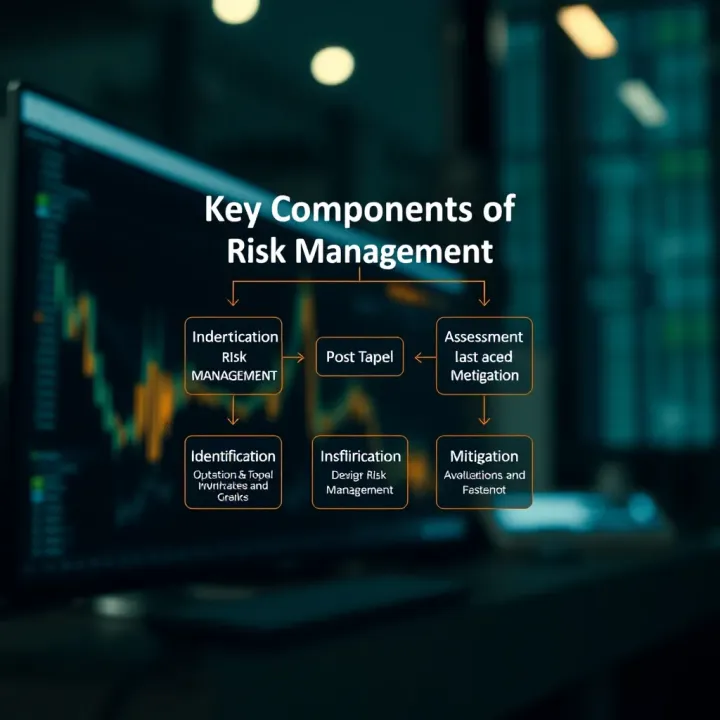
Understand risk management in Kenya 🌍 Learn key strategies, challenges, and tools to make informed decisions in business and everyday life effectively.
Based on 11 reviews