

Effective Risk Management in Forex Trading
📉 Master forex risk management with strategies like position sizing, stop-loss orders, and tech tools. Stay sharp, avoid pitfalls, and protect your capital effectively.
Edited By
Jonathan Harper
Every business deals with risks — from market swings to unexpected tech glitches. A solid risk management policy helps you stay one step ahead instead of scrambling to react. It’s not just about avoiding losses; it’s about making smart decisions that keep your operations steady and your reputation intact.
Risk management isn’t a one-size-fits-all game. It involves identifying the specific threats your business may face, assessing how likely and damaging they can be, and figuring out the best ways to reduce or handle them. For traders, investors, and finance pros, this means having clear rules on monitoring market volatility, credit risks, or compliance gaps.
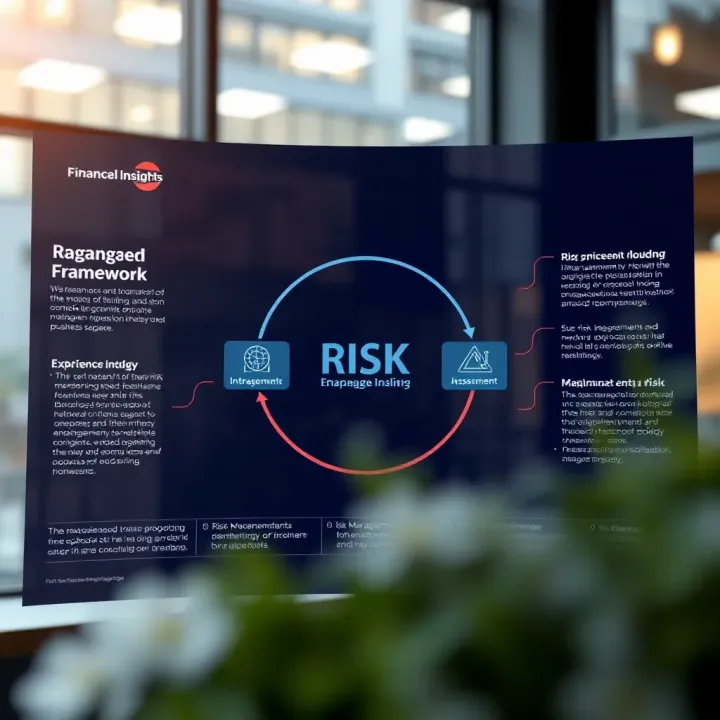
An effective policy acts like a business’s safety net. It outlines who’s responsible for managing risks, the tools and methods used to evaluate threats, and procedures to respond when issues arise. Without this framework, companies risk missed opportunities, costly fines, or worse — going under from unforeseen setbacks.
The bottom line is that crafting a risk management policy isn’t just about avoiding harm; it’s a foundation for building resilience in uncertain markets.
Here’s what a strong policy typically covers:
Risk identification: Pinpoint potential hazards in daily operations and external factors like economic shifts or regulatory changes.
Risk assessment: Measure the likelihood and impact of these risks using data and expert judgment.
Risk control: Decide on actions such as avoidance, mitigation, transfer (insurance), or acceptance.
Monitoring and review: Keep an eye on risk factors and update the policy as the business environment evolves.
For example, an investment firm might include specific limits on exposure to volatile assets and regular stress testing to see how portfolios perform under different conditions. Meanwhile, a trading desk might set up real-time alerts for unusual price moves or compliance breaches.
In short, your risk management policy is more than a checklist or document; it’s a dynamic part of your business strategy. When done right, it supports confident decision-making and helps your business bounce back from challenges faster and stronger.
A risk management policy acts as the backbone for a company's approach to handling potential threats. It not only outlines the why behind managing risks but also sets the expectations on how to identify, assess, and respond. For traders and finance professionals, having this framework clearly spelled out saves you from scrambling when obstacles arise — it means fewer surprises and smarter decisions backed by a plan.
Clarifying organizational goals related to risk starts with pinpointing what matters most to your business. If you're a broker handling large client portfolios, your goal might be to protect client assets from market volatility or fraud. By clearly stating these goals, you anchor your risk management efforts in what's strategically important, avoiding wasted resources chasing minor issues.
Setting clear boundaries and focus areas means deciding where to concentrate your risk efforts. You can’t cover every possible risk everywhere, so focusing on key departments or processes—like trading compliance or IT security—makes the policy practical. This prevents the policy from becoming a vague document that no one uses.
Top management's involvement is critical. Senior leaders set the tone on risk culture and approve resources for risk initiatives. For example, a CFO who actively supports risk auditing reinforces its importance across finance teams. Without management buy-in, policies often languish on paper.
Risk owners across departments act as frontline managers tasked with monitoring risks within their areas. This decentralized approach lets you catch operational risks in real time—from a software glitch in your trading platform to compliance breaches in reporting.
Risk management team functions include central coordination, policy maintenance, and training. A dedicated risk team designs assessment tools and gathers reports, making the process efficient. They’re the hub connecting diverse departments, smoothing communication, and helping adjust tactics when market conditions change.
Operational and financial risks could be anything from technology failures that halt trades to unexpected market downturns affecting investment portfolios. Identifying these risks upfront allows for crafting targeted safeguards, like backup systems or hedging strategies.
Compliance and regulatory risks matter greatly in finance, where government agencies like the SEC have strict rules. Ignoring these can lead to fines or loss of license, so the policy must cover adherence and updates on regulatory changes.
Strategic and reputational risks impact long-term viability. For instance, a public scandal involving insider trading can damage a firm’s reputation overnight. Addressing such risks involves not only safeguards but also crisis communication plans.
A solid risk management policy acts like a map and a compass, guiding you through turbulent financial waters while keeping your business steady and prepared.
By focusing on these purpose-driven components, your risk management policy becomes a living document. It moves beyond theory to practical, actionable steps that keep your business resilient every day.

Developing and implementing a risk management policy takes careful planning and clear steps. Getting this right helps businesses prepare for unexpected problems, protect assets, and keep operations smooth. Each step focuses on specific tasks—spotting risks, deciding how much risk your company can handle, planning actions, and making sure everyone’s on the same page. Let’s unpack these critical phases with examples a finance professional or trader can relate to.
Identifying risks means finding anything that could throw a wrench in your business. For traders, this might include market volatility, regulatory changes, or operational failures. Tools like risk registers, checklists, or software such as Palisade's @RISK help catalog potential issues systematically. Using these tools regularly means you catch problems before they snowball.
Not all risks deserve the same attention. After spotting possible risks, assess how likely they are and what damage they might cause. For example, a compliance breach might be less likely but could have severe financial penalties. You might create a risk matrix ranking each risk from low to high in probability and impact, helping prioritize where to focus resources.
Risk appetite defines how much risk your business is willing to take to reach its goals. For example, an investment firm may set a threshold for acceptable losses per quarter. Defining these limits upfront ensures decisions stay aligned with overall strategy and prevents reckless moves outside comfort zones.
Risk and reward often go hand in hand. Firms willing to take calculated risks—like entering emerging markets—may unlock better gains. Still, it's essential to weigh these opportunities against your business’s ability to absorb potential losses. This balancing act ensures you don't miss growth chances while avoiding unnecessary exposure.
Once risks are clear, decide how to deal with them. Avoidance means steering clear altogether, like dropping a risky investment. Mitigation reduces risk impact, such as implementing better transaction controls. Transfer shifts risk to a third party, like buying insurance. Acceptance involves acknowledging some risks but preparing to handle consequences if they happen. For example, a brokerage might accept minor currency fluctuations but insure against cyberattacks.
Having a response strategy is good, but an action plan spells out specific steps to follow. If a data breach occurs, an action plan might include immediate IT lockdown, notifying clients, and coordinating with regulators. Clear plans reduce confusion and speed up recovery.
Even the best risk management policy fails if employees don’t understand it. Training sessions, written guides, and workshops help staff grasp how their roles tie into managing risks. For instance, traders need to know new compliance requirements and how to report suspicious activities promptly.
Creating a culture where everyone stays alert to risks makes a huge difference. Encourage open communication about potential problems without fear of blame. Recognize employees who spot issues early. This mindset helps catch trouble before it escalates and keeps everyone invested in the organization's resilience.
Clear steps—from spotting risks to educating staff—make a risk management policy not just a document but a living process that safeguards your business against surprises and setbacks.
By following these steps, finance pros and business leaders can build a policy that supports smarter decisions and steadier growth.
A risk management policy isn’t a set-it-and-forget-it document. Regular monitoring, reviewing, and updating are essential to keep it effective as your business landscape shifts. This ongoing process ensures you catch emerging risks early, respond appropriately, and maintain resilience against disruptions.
Risk audits serve as a reality check on your risk management efforts. They involve systematically evaluating current risks and how well mitigation strategies are working. For example, a trading firm might review its exposure to currency fluctuations quarterly, using updated market data to adjust limits or hedging tactics. Tracking risk status this way lets you spot new threats or weaknesses in controls before they snowball.
Through regular audits, risk owners can deliver hard data about risk levels and trends. This helps in deciding whether to ramp up controls or if any risks have fallen below acceptable thresholds and can be eased. Think of it as keeping your risk radar finely tuned.
Transparent reporting keeps everyone on the same page—from senior leaders to investors and compliance officers. Clear, concise risk reports summarize key findings from audits, highlighting critical issues that need attention. For instance, a quarterly report might flag rising operational risks due to supply chain disruptions.
Effective reporting not only informs decision-makers but builds trust. Stakeholders appreciate when they see a proactive approach to risk, backed by measurable data. This also helps align resources so management can focus on the areas with the biggest impact.
Business environments shift fast—new technologies, regulations, or market conditions can introduce risks that didn’t exist before. A risk management policy that stays static quickly becomes outdated and ineffective. For example, the rise of cryptocurrency trading introduced fresh regulatory and cybersecurity risks that many financial firms had to address swiftly.
Regularly updating your policy to include these new risks ensures it remains relevant. This might mean expanding coverage to include emerging threat categories or changing control measures. Without this, you’re flying blind.
No risk management plan is perfect from the start. Learning from past incidents, near misses, and audit outcomes is key to continuous improvement. Say a brokerage firm faced a data breach due to weak access controls; this experience should feed back into tighter policies and employee training.
Incorporating lessons learned turns mistakes into growth opportunities, strengthening your defenses over time. It also encourages a culture where feedback and adjustments are welcomed, not feared. This cycle of learning and updating is what keeps resilience alive.
Monitoring and adapting your risk management policy isn’t just a task—it’s a strategic advantage that keeps your business a step ahead of trouble and ready for whatever comes next.
Crafting a risk management policy isn't just a checklist activity—it directly impacts how your business handles uncertainty and keeps running smoothly. Recognizing the benefits helps make the case for investment in risk management, while understanding common challenges prevents costly mistakes down the line.
Reducing surprises and losses is one of the most tangible benefits a solid risk management policy offers. By identifying potential risks before they escalate, businesses can avoid costly disruptions. For example, a mid-sized manufacturing firm identifying a single supplier risk for a critical component can diversify suppliers ahead of time rather than scrambling in a crisis. This prevents production halts and unexpected financial hits. The bottom line is that foresight cuts down unplanned expenses and downtime, keeping operations steady.
Supporting strategic planning goes beyond daily operations. A well-executed risk policy lets decision-makers integrate risk factors into their growth plans. Picture a startup evaluating market entry risks across different states. With clear risk parameters, they can tailor expansion strategies that align with their appetite and operational capacity, rather than taking blind leaps. This realistic planning safeguards resources and improves the chances of meeting long-term goals.
Lack of management commitment is a fatal flaw in many risk policies. Without top-level buy-in, risk management becomes mere paperwork, ignored by departments that need it most. For instance, a retail chain without executive support may lack budget and authority to enforce risk controls, leaving stores vulnerable to theft or compliance violations. Ensuring leaders actively champion risk programs ties policy to real business priorities and drives accountability.
Poor communication can turn an otherwise solid policy into a blind spot. Risks don’t stay confined within silos; letting teams stay in the dark causes gaps and slow responses. For example, if the IT team isn't informed about new regulatory requirements, security risks rise without warning. Regular training sessions, transparent reporting, and easy-to-access resources help employees understand their role and spot issues early.
Inadequate risk assessment tools often cripple policy effectiveness. Businesses relying on outdated or manual methods can miss emerging risks or misjudge their severity. Say a financial services firm uses spreadsheets alone to track credit risks; it may overlook subtle warning signs that automated analytics would catch. Investing in reliable, user-friendly tools allows for accurate, up-to-date risk insights, enabling faster, smarter decisions.
The bottom line is this: executing a risk management policy well requires leadership, clear communication, and appropriate tools. Neglecting these elements leaves your safeguards fragile and your business exposed.
Balancing benefits with challenges helps firms not only build but also sustain resilience against shifting threats. The right approach doesn’t just lower risk—it equips your business to respond faster and smarter when problems arise.
📉 Master forex risk management with strategies like position sizing, stop-loss orders, and tech tools. Stay sharp, avoid pitfalls, and protect your capital effectively.

📊 Learn how to identify, assess, and manage business and project risks with this practical guide. Protect your interests and improve your risk strategy over time!

🔍 Explore how risk management tools help Kenyan businesses spot risks, cut losses, and stay steady in uncertain markets. Get practical tips for choosing the right ones.

Learn how Kenyan businesses can manage financial, operational & reputational risks with practical strategies like insurance, tech, risk transfer & reduction 📊🔒
Based on 12 reviews