

Effective Credit Risk Management in Kenyan Banks
Discover how Kenyan banks tackle credit risk with smart assessments, regulatory support, and practical strategies to keep finances safe and stable 📊💼
Edited By
James Cartwright
Risk management is no longer a luxury only for big firms in Nairobi or Mombasa. Even small and medium-sized enterprises (SMEs) across Kenya increasingly rely on risk management tools to keep their businesses resilient. These tools help firms identify threats—whether from market volatility, supply chain disruptions, or regulatory changes—and develop strategies to mitigate them.
In simple terms, risk management tools are methods, software, or frameworks that businesses use to spot potential risks early, measure their impact, and take steps to reduce harm. For example, a farmer in Uasin Gishu might use weather forecast apps along with crop insurance to safeguard against unpredictable rains, while a trader in a Nairobi market uses mobile money transaction records for tracking sales and spotting fraud.

Effective risk management tools help businesses not just to avoid losses but to seize opportunities by making informed decisions even when the environment is uncertain.
Kenyan businesses employ various tools depending on their sector and size. These include:
Risk Assessment Matrices: Simple charts that rank risks by likelihood and severity, giving teams a clear picture of what to prioritise.
Financial Software: Tools like QuickBooks or customized Excel models that track cash flow, debts, and credit risks.
Insurance Products: From asset covers to business interruption policies, they transfer some risks to insurers.
Scenario Analysis: Business leaders run "what-if" cases to prepare for different market or operational conditions.
Compliance Checklists: Especially important for sectors like banking, ensuring regulations set by bodies like the Central Bank of Kenya are continually met.
Consider a logistics company in Nairobi dealing with fluctuating fuel prices and uncertain county road conditions. Using fuel price tracking apps combined with GPS route optimisation software helps cut costs and avoid delays. Meanwhile, a tourism operator in the coast might rely on online reviews and client feedback tools to predict reputational risk and adjust services accordingly.
Kenya’s business environment evolves fast—with shifting policies, competitive markets, and global challenges such as pandemics or climate change. Risk management tools provide a backbone for enterprises to navigate all these factors. They do not eliminate risk but give a business a better chance to survive shocks.
Whether you are an investor looking at emerging startups or a broker managing client portfolios, understanding the available risk management tools lets you make smarter bets and safeguard your gains. The next sections will explore deeper how to choose the right tools for your business needs and common challenges faced during implementation.
Risk management tools are essential for businesses looking to identify potential threats, evaluate their impact, and develop strategies to reduce losses. In the Kenyan business environment, these tools help organisations stay ahead of challenges ranging from market volatility and regulatory changes to operational hiccups and environmental risks. Tools that spot risks early allow firms—whether a small jua kali workshop in Nakuru or a financial institution in Nairobi—to shield themselves from avoidable setbacks and sustain growth.
At their core, risk management tools assist businesses in spotting where they might face trouble and deciding how to handle it. They range from simple checklists to advanced models analysing numbers and trends. The main goal is to foresee risks, measure their seriousness, and set plans that minimise damage or seize opportunities. For example, a Kenyan tea farming cooperative might use risk tools to anticipate bad weather and organise crop insurance, protecting their livelihoods.
Qualitative tools rely on subjective assessments like expert opinions, surveys, and interviews to understand risks. These tools help when numbers alone don’t tell the full story or when the risks are complex and hard to quantify. For instance, a bank might hold brainstorming sessions with its loan officers to identify emerging risks from changing borrower behaviours or economic slowdowns. These discussions uncover hidden threats that data might miss, such as reputational risks or local market sentiments.
In Kenyan firms, qualitative approaches are often the first step to risk identification, especially in sectors like jua kali where informal setups may lack detailed records. The narratives from workers or customers become critical in spotting risks early.
Quantitative tools use numerical data and statistical models to estimate the likelihood and impact of risks. Techniques such as value at risk (VaR), Monte Carlo simulations, and regression analysis are common in this category. These tools help finance professionals to measure potential losses in investments or to calculate insurance premiums accurately.
For example, an investment firm in Nairobi managing portfolios on the Nairobi Securities Exchange (NSE) might use quantitative methods to assess how different economic scenarios affect stock prices. This data-driven approach offers clearer, measurable insights, improving decision-making on where to allocate funds or when to hedge.

Modern businesses increasingly rely on software that automates risk assessment, monitoring, and reporting. These digital tools integrate data from various sources and offer dashboards highlighting risk metrics in real time. Leading risk management software can handle compliance checks, fraud detection, and operational risk analysis, making them indispensable in sectors like banking and manufacturing.
An SME using cloud-based risk management platforms can track payment delays from suppliers or spot fraud attempts early. These tools also reduce manual errors and provide audit trails, which are vital for regulatory bodies like the Capital Markets Authority (CMA) in Kenya.
Effective risk management tools blend human insight with data-driven methods to help Kenyan businesses face uncertainties confidently. Choosing the right mix depends on the firm's size, sector, and specific risk landscape.
Kenyan businesses across different industries rely on risk management tools to identify potential threats, mitigate losses, and maintain stability. These tools offer practical benefits by helping firms anticipate market changes, comply with regulations, and protect assets. Each sector applies specific risk management methods that suit its unique challenges, making the use of such tools essential for sustainability and growth.
Kenya's financial sector depends heavily on risk management to safeguard both banks and customers. Tools like credit scoring models and fraud detection systems enable banks to assess loan applicants’ risks and spot irregular transactions early. For example, Safaricom’s M-Shwari platform uses predictive analytics to detect borrowers with high default risk, helping reduce non-performing loans. Banks also use stress testing tools to evaluate their capacity to withstand adverse economic shocks, which is especially important given fluctuations in the Kenyan shilling and changing Central Bank of Kenya (CBK) policies.
Digital platforms such as iTax and eCitizen incorporate risk flags to prevent fraud, improving trust and compliance across the financial system.
Manufacturers and jua kali artisans face risks ranging from supply chain disruptions to equipment breakdowns. Risk management tools help by forecasting raw material price changes and mapping supplier reliability. A Nairobi-based SME producing textiles uses inventory management software combined with local market data to avoid overstocking fabric, thus reducing wastage and tied-up capital.
Meanwhile, jua kali artisans, though often informal, increasingly benefit from mobile-based insurance apps that allow them to manage business risks like theft or fire. These tools assist them in planning for replacement costs and potential downtime, enhancing their resilience despite limited resources.
Agriculture in Kenya carries inherent risks from weather variability, pests, and market price swings. Risk management tools such as satellite weather monitoring and mobile crop insurance platforms help mitigate these dangers. For example, Kilimo Salama offers small-scale farmers affordable insurance through mobile payments, automatically triggering payouts after drought or floods detected via remote sensors.
Farmers also use farm management apps to track expenses, forecast yields, and assess pest risk, which supports better decision-making. Access to such tools is vital in maintaining steady food production and protecting livelihoods against shocks common in the sector.
Overall, Kenyan industries tailor risk management tools according to their specific needs, blending technology with local realities to improve business resilience and long-term success.
Risk management tools help Kenyan businesses stay afloat amid uncertainties by cutting down financial losses and spotting operational risks early. They provide a clearer picture of potential threats, enabling firms to act swiftly before small issues become costly problems.
One big advantage of risk tools is how they reduce financial damage. For instance, a small-scale exporter who uses risk assessment software can anticipate currency fluctuations affecting their sales. By planning ahead, they avoid sudden losses from shilling depreciation. Similarly, manufacturers in Nairobi rely on these tools to identify supply chain weaknesses, preventing costly delays. This proactive approach is cheaper and less disruptive than fixing problems after they hit.
Risk management tools sharpen business decisions by offering solid data. Finance professionals and traders, for example, use these tools to evaluate market risks objectively instead of relying on guesswork. A practical case is a commercial bank using software that flags suspicious transactions to meet Kenya's Anti-Money Laundering laws. This ensures compliance with regulatory standards, avoiding penalties from bodies like the Central Bank of Kenya (CBK). In regulated environments, such tools maintain operational integrity and help businesses steer clear of costly legal troubles.
Beyond cutting losses and compliance, risk tools help keep businesses running smoothly when trouble strikes. Imagine a company in Mombasa hit by floods; a well-applied risk management plan ensures critical data backups and alternative supply lines. This lowers downtime and keeps customers loyal. Kenyan firms that manage risks well build stronger reputations, attracting trust from clients and partners alike. It's like having insurance beyond finances—protecting brand value and market position.
Effective use of risk management tools translates to less guesswork, fewer surprises, and better preparedness. These benefits are crucial for navigating Kenya’s dynamic business environment where many external risks—such as political changes, weather patterns, or market shifts—can disrupt normal operations.
In summary, Kenyan businesses that embrace risk management tools find themselves better equipped to reduce losses, make smarter decisions, and maintain steady operations. These advantages ultimately boost profitability and sustainability in a competitive market.
Risk management tools offer valuable support to Kenyan businesses, yet they face several hurdles that limit their effectiveness. Understanding these challenges helps businesses anticipate costs and set realistic expectations when adopting such solutions.
The price tag for advanced risk management systems can be steep for many Kenyan enterprises, especially small and medium-sized enterprises (SMEs). Software licences, hardware, and necessary updates often require significant upfront and ongoing investments. For instance, a jua kali artisan running a small workshop may find it difficult to afford specialised risk assessment software that multinational corporations routinely use. Similarly, rural businesses often struggle with poor internet connectivity, hindering real-time monitoring tools that depend on stable networks. This digital divide means many companies must settle for manual or partially automated systems, which can be less effective.
Effective use of risk management tools hinges on skilled staff who understand the technology and interpret results correctly. Kenya faces a shortage of such trained personnel, especially outside major urban centres like Nairobi and Mombasa. Businesses often invest in tools but lack the capacity to train employees adequately. For example, banks deploying new credit risk models may see inconsistent use and errors where frontline workers have not been upskilled properly. Without dedicated training programmes and ongoing support, the full potential of risk solutions remains untapped, and poor implementation can even lead to costly mistakes.
Adopting risk management tools also requires a culture that values transparency and proactive problem-solving. In some Kenyan organisations, traditional hierarchical structures and resistance to change slow down the integration of risk approaches. Employees might hide risks out of fear for reprimand, or decision-makers could rely heavily on intuition rather than data-driven insight. This reluctance undermines the intended benefits of the tools. For example, in a family-owned business where leadership is tightly held, suggestions from junior staff based on risk reports may be ignored, reducing the tool’s impact.
Organisations need to address these human and cultural factors alongside technical investments to fully benefit from risk management tools.
In summary, Kenyan businesses must balance the cost and technology challenges with the need for skilled users and supportive organisational cultures. Realistically, this means starting with affordable, user-friendly tools and investing in training and mindset shifts gradually. Only this approach can make risk management tools truly effective in Kenyan business settings.
Selecting the appropriate risk management tool is a key step for any business looking to control uncertainties and safeguard resources. In Kenya’s varied business environment — from bustling Nairobi offices to rural enterprises — the right tool can help spot risks early and guide effective responses. Picking a tool that fits your organisation’s specific risks and operations prevents costly mistakes and fosters smoother decision-making.
To choose wisely, first understand what risks your business faces. This isn’t just about financial threats; consider operational hiccups, regulatory compliance, market changes, and even supply chain disruptions. For example, a coffee exporter may prioritise foreign exchange risk, while a jua kali craftsman might focus on safety and equipment breakdown. Listing and categorising these risks helps highlight where attention is most needed.
Beyond risk types, consider your business size, budget, and staff skills. Smaller firms might prefer simpler, inexpensive solutions, whereas larger enterprises may require advanced software that integrates data across departments. Being clear about these needs narrows down options and ensures the tool delivers practical value.
Once risks and needs are clear, compare the available risk management tools. Options range from basic checklists and risk maps to quantitative models and specialised software. Compare them based on usability, cost, support services, and scalability.
For instance, financial institutions in Kenya might lean towards tools offering real-time analytics and KRA tax compliance features. Conversely, an agricultural business could benefit more from crop-insurance calculators and weather risk trackers. Using vendor demos or trial versions can reveal whether a tool suits your workflow before committing.
Adopting a new risk management tool should not disrupt your current business operations. Successful integration means the tool works smoothly with your existing software like accounting systems, M-Pesa payment records, or procurement platforms.
For example, if your business relies on Nairobi Securities Exchange (NSE) data for investment decisions, choosing a tool that can synchronise market information saves time and reduces errors. Also, ensure your team receives adequate training to use the tool confidently. Without proper integration, even a powerful tool may fail to show real benefits.
Choosing a risk management tool isn't a one-off decision; it’s a strategic step that shapes your business’s ability to thrive amid uncertainties.
Matching your organisation’s unique risks, comparing practical features, and ensuring seamless system integration put you in a stronger position to handle challenges and grow sustainably.
Discover how Kenyan banks tackle credit risk with smart assessments, regulatory support, and practical strategies to keep finances safe and stable 📊💼
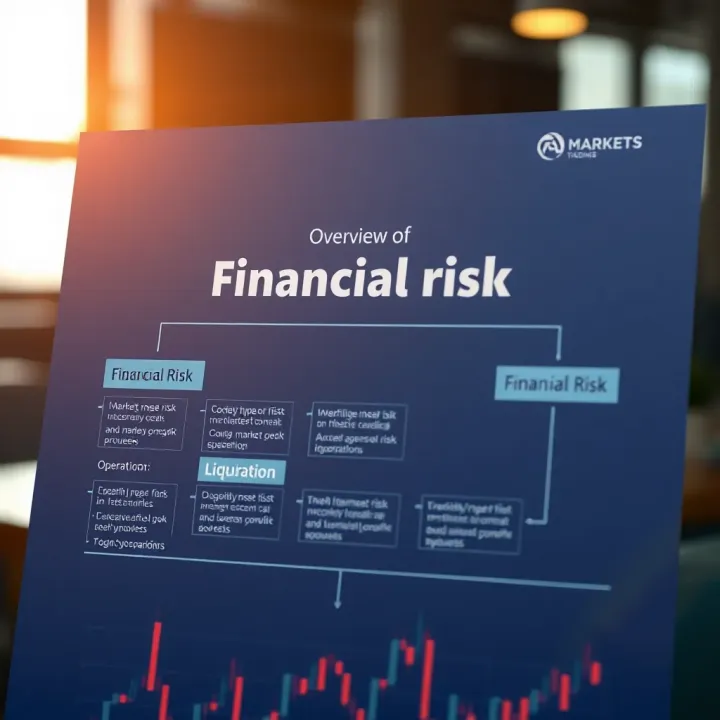
Learn practical financial risk management tools and strategies 📊 to identify, assess, and reduce risks, helping Kenyan businesses and investors safeguard assets. 💼

Discover practical strategies for disaster risk management in Kenya, focusing on community involvement, resource coordination, and building resilience 🌍💧🔥
🔍 Understand risk management: key elements, practical methods, and challenges. Learn how to identify, assess, and control risks across industries effectively.
Based on 6 reviews