

Steps to Manage Business Risk in Kenya
Manage risks in Kenyan businesses effectively 📊: Identify threats, assess impacts, control factors, monitor changes, and communicate well to protect resources and ensure smooth operations.
Edited By
Charlotte Mitchell
Managing risk is a daily reality for anyone involved in business, especially traders, investors, and finance professionals. Risks can materialize as volatile market shifts, credit defaults, or operational hiccups. Knowing how to recognize and respond to these threats is what separates a steady enterprise from one that stumbles.
Business risk management starts with clear identification of threats. For example, a brokerage firm assessing counterparty risk needs to track counterparties’ creditworthiness constantly. Without this, the firm might unknowingly expose itself to defaults that could unravel entire portfolios. Similarly, a trader must watch for market liquidity issues that could block timely exits.

Assessing the impact of risks means moving beyond mere detection. Quantifying potential losses through stress tests or scenario analysis provides a realistic outlook. Take an investment fund considering exposure to emerging markets: by modeling currency fluctuations and political instability, fund managers can decide whether returns justify the risks.
Then comes choosing the right controls. Risk mitigation options range from diversification and hedging to insurance and contractual protections. For instance, airlines use fuel hedging contracts to limit cost spikes. Financial firms often employ derivatives to shield against interest rate or currency swings. The goal is to reduce potential damage while keeping opportunities open.
Effective risk management demands disciplined monitoring. Markets and business environments shift fast. What was a low-risk asset yesterday can turn hazardous overnight. By tracking key indicators and revisiting risk tolerance regularly, organizations maintain alignment with their goals.
Communication plays a crucial role as well. Transparent sharing of risk assessments strengthens decision-making throughout an organization. It helps align stakeholders—from analysts to board members—on what risks matter most and how to tackle them.
In summary, managing risk isn’t about avoiding it completely but handling it smartly. Recognize potential threats early, understand their possible impacts, select practical controls, and keep a finger on the pulse with ongoing oversight. This approach builds resilience and confidence, critical for success in volatile financial markets and beyond.
Risk management is about spotting potential problems before they hit your business and figuring out how to handle them smartly. This foundation helps traders, investors, and financial pros avoid costly surprises and stay steady even when markets shake things up. To get a grip on risk management, you need to understand what "risk" really means, why managing it matters, and the terms experts use daily.
Risk is the chance that something unexpected will negatively affect your business goals. It’s not just bad luck—it’s about uncertainty and how it could shake your investments or operations. In finance, risk usually comes in several flavors:
Market risk: When the value of assets fluctuates due to economic events or market sentiments, like sudden interest rate changes that hit bond prices.
Credit risk: The chance a borrower won’t repay a loan, which can cause direct losses.
Operational risk: Internal failures like system crashes or fraud that stall processes.
Liquidity risk: Not being able to sell an asset quickly without losing value.
For example, an investor holding tech stocks faces market risk if a new regulation disrupts that sector.
Handling risk well keeps your business running smoothly and protects your bottom line. Without it, a single shock—say, a major client defaulting or a sudden market downturn—could throw your financial plans off balance. Risk management helps prioritize issues that need immediate action while letting you accept smaller risks without panic.
Picture a trader monitoring positions during volatile times; risk management tools inform when to cut losses or hold steady. Another example: a brokerage firm setting stop-loss limits to protect clients from sudden drops in stock prices.
Understanding the jargon used can clear up confusion when making critical decisions:
Risk Appetite: The level of risk you’re willing to accept to reach your goals.
Risk Tolerance: How much deviation from planned performance you can handle before taking action.
Risk Mitigation: Steps to reduce exposure, like diversification across industries.
Contingency Plan: Pre-set actions to take if a risk event happens, like moving assets into safer investments during a crisis.

Grasping these basics is not about avoiding risk altogether but managing it so that your business stays resilient and prepared.
Knowing these fundamentals lets you build on stronger strategies later, like how to assess risks accurately or communicate them across your team effectively.
Identifying and assessing risks is the backbone of managing uncertainty in business. Without a clear understanding of the specific threats a company faces, efforts to control or mitigate risks become blind guesses rather than calculated moves. Traders and investors, for example, who don’t identify market shifts or underlying economic vulnerabilities, often end up caught off guard during downturns. This process helps businesses allocate resources wisely and develop strategies that target the most pressing dangers.
Spotting risks early requires a mix of tools and vigilance. One practical method is conducting regular SWOT analyses—examining Strengths, Weaknesses, Opportunities, and Threats—to uncover internal and external risks. For instance, a tech startup might identify overdependence on a single vendor as a supply chain risk. Monitoring industry news, competitor moves, and regulatory changes also reveals emerging threats. Techniques like scenario planning force teams to imagine different futures and spot vulnerabilities before they turn into crises.
Not all risks are created equal. Evaluating both how likely a risk is to occur and the impact it would have helps focus attention where it counts. A cybersecurity breach might be low in probability for a small firm but high in impact, demanding immediate mitigation. Conversely, minor delays in shipping might be common but have limited consequences. Businesses often use risk matrices, plotting likelihood against impact to visualize priorities. Quantifying risks where possible, such as estimating potential financial losses or downtime, sharpens the picture.
Once risks are identified and assessed, prioritizing them ensures the company tackles the biggest threats first. High-impact, high-likelihood risks jump to the top of the list, but medium-level risks shouldn’t be ignored if they could trigger a chain reaction. Prioritization guides decision-making around investments in prevention, insurance, or contingency plans. For example, an investment firm might prioritize political risks in emerging markets over currency fluctuations, based on current geopolitical tensions. This focused approach avoids wasting resources on less critical issues while staying prepared for serious ones.
Clear identification and assessment of risks not only protect your business but also enable smart growth and resilience. It’s like having a GPS in unfamiliar territory—without it, you’re just guessing your way around.
By consistently applying these steps, finance professionals, brokers, and investors can transform risk from a vague threat into a measurable challenge they can manage effectively.
Managing risk in a practical way means taking clear, actionable steps to reduce damage or loss potential before it happens. In business, this approach isn’t just about avoiding problems—it’s about making calculated, sensible choices that protect your bottom line while keeping growth opportunities intact. For traders, investors, and finance professionals, knowing how to control and mitigate risk can spell the difference between a strong portfolio and devastating losses.
Risk avoidance means steering clear of risky ventures altogether. For example, a company might decide not to enter a market prone to political instability if the likelihood of disruption outweighs potential gains. But avoidance isn't always enough or feasible. That’s where risk reduction steps in — lowering the chance or impact of risks instead of ignoring them. Firms often implement stricter internal controls, like tighter credit checks or enhanced cybersecurity protocols, to curb risks before they snowball. For instance, a broker using multi-factor authentication can significantly reduce the risk of account breaches.
You don’t always have to shoulder all the risk yourself. Transferring risk often involves insurance policies that cover property damage, liability, or professional errors. A finance firm, for example, might insure against errors and omissions, protecting themselves from costly lawsuits. Another common tactic is outsourcing certain functions or partnering with specialists who assume part of the risk—say, using a third-party logistics provider to handle shipping delays. This way, some exposure moves off your books, letting you focus on your core expertise.
Sometimes, taking risks is unavoidable—even necessary. Skilled risk managers recognize when it’s wiser to accept certain risks based on expected benefit versus potential loss. But acceptance doesn’t mean throwing caution to the wind. It means preparing contingency plans to blunt the damage if things go south. Think of a trader who knowingly holds a volatile asset but sets stop-loss orders to limit losses. Or a company that keeps cash reserves to weather sudden economic shocks. These plans act like safety nets, giving confidence to take some risks without risking everything.
The bottom line is, effective risk control balances avoidance, transfer, and acceptance strategies based on your business’s unique situation. Pairing these methods with solid planning keeps surprises in check and helps you stay ahead.
Each of these practical approaches fits together like pieces of a puzzle—complementing each other to build a resilient risk management strategy tailored to your needs.
Creating a risk-aware culture is central to effective risk management, especially for traders, investors, and finance pros who deal with shifting markets daily. When a company fosters an environment where employees at every level recognize risks and feel comfortable raising concerns, it strengthens overall resilience. The bottom line: risk becomes everyone's responsibility, not just a checkbox for compliance teams.
Risk identification thrives when teams are engaged across departments. For example, a trader who spots a sudden market move might flag an emerging geopolitical risk that could impact investment portfolios. Encouraging such input requires open channels where frontline staff aren't worried about bureaucratic hurdles or backlash for speaking up. To do this, businesses can hold regular brainstorming sessions and use digital tools like shared risk logs, allowing team members to report concerns quickly. Engaging diverse perspectives often uncovers hidden risks missed by leadership.
Transparent reporting structures keep risk discussions focused and actionable. Without clear paths, risk information can get lost or ignored, leading to costly surprises. Establishing defined roles for collecting, analyzing, and escalating risks helps. For instance, setting up a weekly risk review meeting where relevant data is summarized can speed up decision-making. Clear communication also means using straightforward language—no jargon—to make sure everyone understands the risk level and what choices are on the table. Decisions backed by timely, accurate risk reports allow firms to adjust strategies fast, which is crucial in fast-moving financial environments.
Regular training turns risk awareness from theory into practice. Trading floors and investment firms benefit when staff understand market risks and compliance obligations thoroughly. Training is not a one-time event; scenarios, workshops, and simulations help employees recognize signs of trouble before they turn critical. For example, a mock trading crisis can prepare a team to handle real volatility without panic. Continuous skill-building also empowers staff to contribute ideas on risk controls and mitigation techniques, reinforcing the culture. Complement training with access to materials like market analysis reports and risk assessment tools for ongoing learning.
Investing in culture and communication around risk pays off by reducing surprises, encouraging smarter decisions, and making risk management a shared strength rather than a solo task.
By involving teams early, setting clear communication standards, and equipping employees with solid risk skills, businesses stay better prepared to handle the uncertainties that come with markets and investments. This approach transforms risk management into a dynamic, inclusive process instead of a static checklist.
Risk management doesn’t end once you've put controls in place. Continuous monitoring and improvement keep your strategies sharp and responsive to change. For traders, investors, and finance pros juggling markets that twist on a dime, this approach prevents small risks from snowballing into big problems.
Keeping an eye on risk indicators early on can save you from surprise losses. These indicators might be market volatility spikes, credit rating changes, or emerging geopolitical tensions that could unsettle investments. For example, if a supplier suddenly delays shipments, it could signal supply chain risks that impact stock prices. Recognizing these warnings early lets you adjust positions or hedge accordingly.
No strategy should stay static. Markets evolve; so should your risk plans. Regular reviews—quarterly or after significant events—ensure your approaches fit current realities. Suppose your risk appetite changes due to a portfolio shift from equities to bonds. Updating your risk limits and controls then avoids overexposure. Even simple tweaks like revising stop-loss orders can protect against unexpected downturns.
Failures or close calls offer valuable lessons. After a loss or operational hiccup, analyzing what went wrong helps close loopholes. For instance, if a trade executed without proper checks, reviewing the process might uncover gaps in communication or system alerts. Incorporating these lessons into your controls builds resilience, reducing chances of repeating mistakes.
Regularly monitoring risks and learning from missteps isn’t optional; it’s how savvy professionals keep their edge.
By tracking signals, updating tactics, and learning fast, financial decision-makers turn risk management into a proactive, dynamic process rather than a set-it-and-forget-it task. That mindset protects not just assets but reputations and future opportunities too.
Manage risks in Kenyan businesses effectively 📊: Identify threats, assess impacts, control factors, monitor changes, and communicate well to protect resources and ensure smooth operations.

🔍 Explore how risk management tools help Kenyan businesses spot risks, cut losses, and stay steady in uncertain markets. Get practical tips for choosing the right ones.
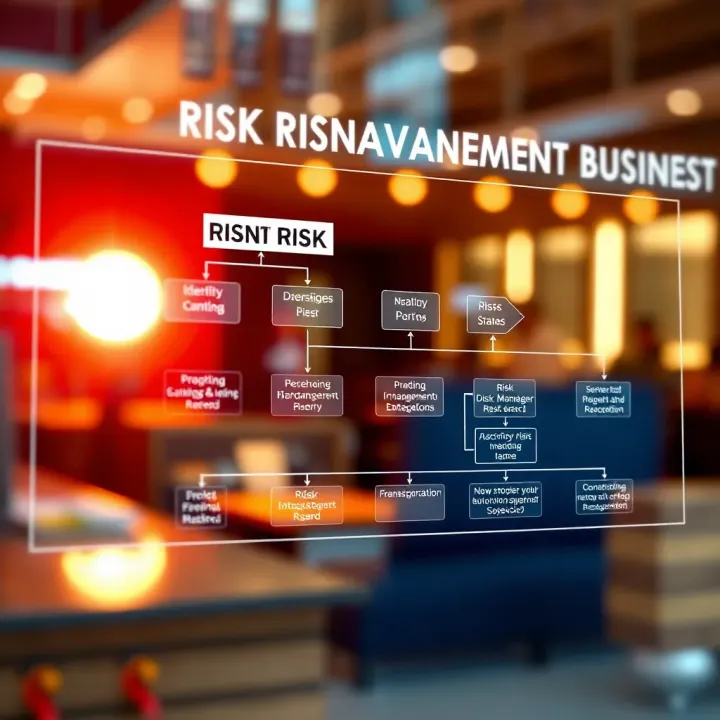
Learn what risk management means for Kenyan businesses and everyday life. Discover types of risks, practical strategies, and how to manage uncertainty effectively 📊🔍

Explore practical risk management courses in Kenya 📚 Gain skills in assessment and mitigation tailored for business and finance sectors 🚀 Advance your career locally today!
Based on 13 reviews