
Understanding Risk Management: A Practical Guide
Understand risk management in Kenya 🌍 Learn key strategies, challenges, and tools to make informed decisions in business and everyday life effectively.
Edited By
Charlotte Sinclair
In business, risks are like the unexpected potholes on a busy matatu route—they can slow you down or bring activities to a halt if not handled properly. Risk management planning helps you spot these potential disruptions early and figure out ways to deal with them before they impact your operations or investment projects.
Risk management isn’t just for big companies; even small traders and brokers face uncertainties daily—currency fluctuations, regulatory changes, or supply chain interruptions can all cause losses if unplanned. The goal is to have a clear, practical plan that outlines how you’ll identify, assess, and respond to these threats.
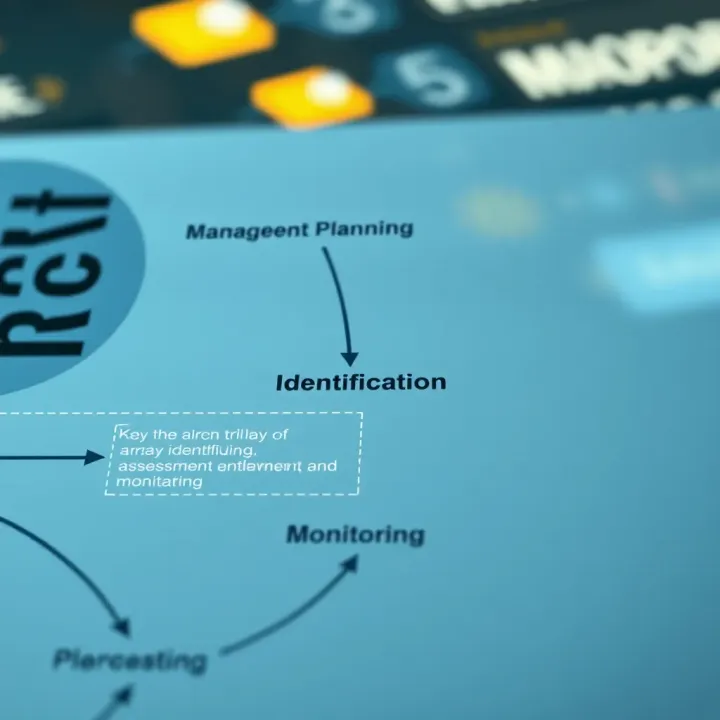
A good risk management plan is not a one-time document. It’s a living guide that adapts with your business environment, helping you stay on top whether you trade on the NSE or run a local duka.
This guide breaks down the essentials for crafting a solid risk management plan:
Identify Risks: Know what could go wrong. For example, a Kenyan exporter may face risks related to foreign exchange rates or delayed shipments.
Assess Risks: Evaluate how likely risks are and what impact they could have, so you prioritize the critical ones.
Develop Responses: Decide on strategies like avoidance, mitigation, transfer (insurance), or acceptance.
Assign Responsibilities: Who in your team handles which risks?
Monitor and Review: Regularly check if your controls work or need adjusting, especially with Kenya’s changing economic policies and market conditions.
Many businesses struggle because they treat risk management as bureaucracy rather than as a tool for survival and growth. The trick is to make it practical—using simple templates, local examples (like M-Pesa payment failures or political risks during election periods), and common tools such as SWOT analysis or risk registers.
As you read on, the focus will be on steps and tools that suit Kenyan traders, investors, and analysts. The aim? To help you not just prepare, but manage risks confidently so your business stays resilient and competitive in unpredictable markets.
Let's get started by exploring how to spot risks unique to your environment and sector.
Risk management planning forms the foundation for any organisation aiming to navigate uncertainties in business effectively. Knowing its basic concepts helps your team spot potential problems early and prepare suitable responses. This section breaks down the core ideas behind risk management with practical examples relevant to Kenyan traders, investors, and finance professionals.
Risk generally refers to the chance that something unexpected could cause harm or loss. In a business setting, this could be anything from market fluctuations eroding profits to operational hiccups disrupting services. Risk management is the process of identifying these uncertainties, assessing how they may impact your goals, and deciding how best to handle them. For example, an investment firm in Nairobi may define currency fluctuations as a risk that could cut into returns, so it implements hedging strategies to manage exposure.
Without a clear risk plan, businesses often react to problems when they happen, which can be costly and chaotic. Planning in advance allows you to channel resources efficiently, protect key assets, and maintain stability—even during unexpected events. For instance, a commodity trader working with tea exports in Kericho may face delays due to transport strikes. Having a risk plan that anticipates such disruptions can help arrange alternative logistics before the issue escalates.
Operational risks relate to everyday functions and systems that keep a business running. This includes machinery breaking down, supply chain interruptions, or human errors. For example, a jua kali workshop depending on imported spare parts may face operational risk if shipments are delayed by customs clearance. Understanding these risks helps in putting controls like backup suppliers or routine maintenance schedules.
Financial risks concern how changes in markets, credit, or cash flow affect the organisation’s money. A stockbroker might experience financial risk when clients default on payments or market prices shift suddenly. Managing these involves monitoring credit lines, cash reserves, or using financial instruments such as futures to protect investments.
Compliance and legal risks come from failing to follow laws and regulations. Kenyan businesses must navigate tax policy changes from KRA, labour laws enforced by the Ministry of Labour, and industry-specific rules. For example, non-compliance with NHIF contributions for employees can lead to penalties. Regular audits and training help keep these risks in check.
Reputational risks impact how customers and partners perceive your business. Negative publicity or poor customer service can shrink your market. Take the example of a bank whose mobile app faces repeated crashes—clients quickly lose trust, risking withdrawals. Active reputation management and responsive customer support are key to reducing this risk.
Environmental and natural risks include floods, droughts, and other disasters affecting operations. In Kenya, many businesses especially in agriculture must plan for such events. Climate risks, like the delayed long rains, can reduce crop yields and affect supply chains. Insurance coverage and diversification strategies help mitigate the impact of these unpredictable natural factors.
Keeping these types of risks in mind allows Kenyan businesses to develop practical plans that are tailored to local challenges and market realities. Understanding the basics is the first step to managing risks before they become costly problems.
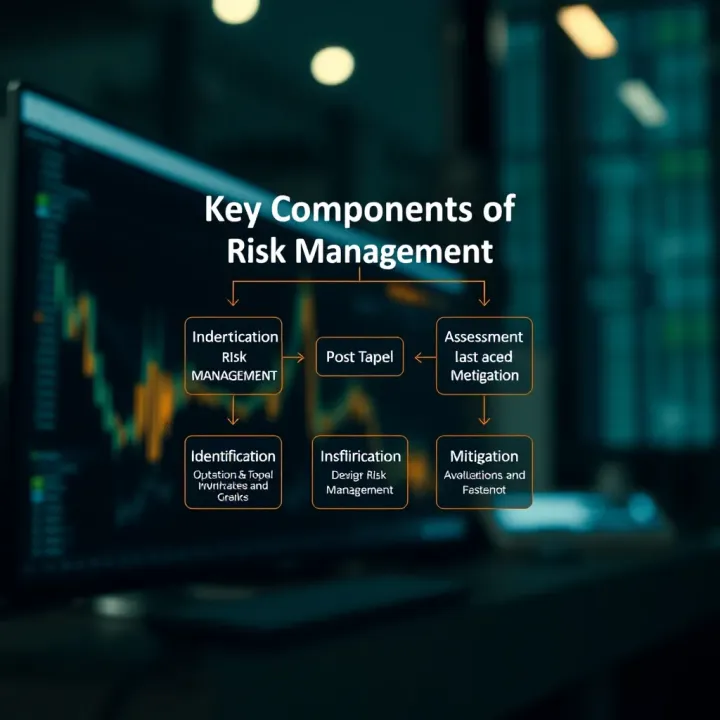
A solid risk management plan hinges on several key components that work together to help organisations spot, assess, and respond to risks effectively. Without them, businesses can easily be blindsided by unforeseen challenges, whether it’s a supply chain hiccup or sudden market shake-up. For example, a trader in Nairobi’s Central Business District must identify possible currency fluctuations early, or risk serious losses.
The first and perhaps most vital step is recognising which risks could affect your business. This means looking beyond obvious dangers—like theft or fire—and also considering less visible ones like regulatory changes or shifts in consumer behaviour. For instance, an investor dealing with export commodities must consider political instability in partner countries as a risk. This step lays the foundation for all other planning because if risks remain unidentified, they remain unmanaged.
Qualitative analysis involves assessing the nature and seriousness of risks based on descriptive factors rather than numbers. It helps businesses sort risks by severity and likelihood using tools such as expert judgement or risk matrices. This approach suits organisations lacking detailed data but needing a structured estimate of risks. For example, a jua kali artisan might rank the risk of equipment failure as high impact but low probability, influencing maintenance schedules.
Quantitative analysis focuses on numbers—measuring risks using data to estimate potential financial loss or gain. It might include calculating expected losses or using statistical models. This is especially useful for finance professionals who can assign numbers to currency volatility or credit risks, enabling clearer cost-benefit decisions on risk controls. For example, a broker might use statistical analysis to predict probability of default in a loan portfolio.

Every organisation must decide how much risk it is willing to accept, called risk tolerance. This varies based on strategy, resources, and stakeholder expectations. A small investor might tolerate little loss, targeting stable returns, whereas a venture capitalist may accept higher risks for potential gains. Prioritising risks means focusing efforts and funds on the most threatening or likely issues rather than spreading resources too thin.
Avoidance: Some risks can be completely avoided by not engaging in certain activities. For example, if a trader finds a market too volatile, they might choose not to invest there, eliminating exposure. This strategy keeps things simple but can limit opportunities.
Reduction: This involves taking steps to lessen either the chance of a risk occurring or its impact. A Kenyan farmer using drought-resistant crops is reducing environmental risk. Similarly, a financial analyst might diversify investments to lower portfolio risk.
Transfer: Passing risk to a third party is common in insurance. Firms pay premiums to cover events like fire or theft, shifting the financial burden. The key is choosing the right policies and providers to manage costs without leaving gaps.
Acceptance: Some risks are accepted when the cost of mitigating them outweighs the potential loss. Smaller retailers may tolerate occasional theft believing investing in high-end security isn’t justified. Acceptance requires continuous monitoring to avoid surprises.
A risk management plan without these components is like sailing without a compass—you're exposed to hazards without a clear way to navigate them. Each element plays its part to keep businesses resilient and prepared.
Developing a risk management plan in clear stages helps organisations anticipate potential pitfalls while ensuring they allocate resources effectively. Breaking down the process into manageable steps also promotes ownership among team members and enhances communication throughout the organisation. This approach suits traders, investors, and finance professionals who deal with changing markets and regulatory environments, providing a solid foundation for timely responses to risks.
Including the right people early on is key. Stakeholders can range from senior managers and department heads to frontline staff directly handling operations. For instance, a trader in Nairobi Stock Exchange (NSE) firms would benefit from input by compliance officers and market analysts, who understand both regulatory risks and market trends. Engagement ensures the plan reflects practical realities and gains buy-in for effective implementation.
Solid data forms the backbone of effective risk planning. This includes financial reports, market intelligence, compliance audits, and historical incident records. For example, an investor looking to diversify a portfolio needs updated economic forecasts and sector-specific risk profiles. Reliable information helps identify real dangers, separate noise from signals, and keeps risk assessments current.
Risk registers serve as dynamic inventories where organisations list identified risks, their cause, possible impact, and assigned owners. Such registers help firms track various risks over time. A broker might use a risk register to note credit risks linked to clients and update it as circumstances change, making oversight easier.
Risk matrices plot risks according to their likelihood and potential impact, typically in a grid format. This visual tool helps teams prioritise responses. For example, a finance team in an agricultural trading business could use a risk matrix to spot that drought risks have high impact but medium likelihood, guiding them to prioritise mitigating actions like insurance or alternative suppliers.
SWOT analysis (Strengths, Weaknesses, Opportunities, Threats) looks beyond mere risks to an organisation's internal and external environment. A securities analyst might conduct SWOT to identify weaknesses like over-reliance on volatile sectors, while spotting opportunities such as government incentives for green investments. This balanced view strengthens planning by linking risk awareness to strategic decisions.
A well-documented plan spells out objectives, risk owners, timelines, and communication pathways. Clear documentation eliminates confusion during crises and helps new team members get up to speed. For example, a financial institution might keep an electronic copy accessible via its intranet, including procedures for reporting emerging risks and escalation protocols. Simplicity, clarity, and accessibility are crucial here — a plan gathering dust in a filing cabinet helps no one.
A stepwise approach to risk management planning transforms potential threats into manageable challenges, boosting confidence and resilience in fast-moving Kenyan markets.
By following these steps, businesses and investors can build a practical risk management plan tailored to their specific context, offering both protection and agility in uncertain times.
Implementing and monitoring the risk management plan is where the theory meets practice. Without this phase, even the most carefully crafted plan remains just a paper exercise. Proper implementation makes sure strategies are put into action to manage risks effectively, while continuous monitoring catches new threats early and measures how well the plan is working.
Clear communication is key to implementation. Teams need to know the risks identified, the controls in place, and their role in managing them. For example, a financial institution in Nairobi might hold regular briefings with its compliance and operations teams to ensure everyone understands the latest risks and mitigation steps. Without clear communication, misunderstandings can lead to gaps where risks slip through.
No plan works without clear ownership and enough support. Assigning specific people to manage risks ensures accountability. Equally important is allocating adequate resources—whether it’s time, funding, or technical tools. Consider a trading firm that designates a risk officer responsible for monitoring market fluctuations and providing timely alerts. Without this, the team might miss warning signs that require swift action.
Tracking risk indicators means watching measurable signs that signal potential problems. These can be financial ratios, market trends, or operational data. For instance, an investment firm might monitor liquidity ratios and political developments as early warning signals for risk exposure. Regular tracking helps spot troubles before they become crises, enabling quick responses.
Risk environments change, so the plan must adapt. Regular reviews ensure the plan stays relevant and effective.
Learning from incidents and near misses: Organisations must analyse incidents that caused harm and near misses that almost did. These lessons identify weaknesses in the plan or operations. For example, a broker who narrowly avoided a big loss from a sudden market swing can use that experience to fine-tune stop-loss strategies. Capturing these insights prevents repeating mistakes.
Adjusting for changes in the business environment: Shifts in economic conditions, new regulations, or technological advances all affect risk profiles. A trader affected by changing banking regulations around KRA reporting must adjust their risk controls accordingly. Regularly updating the plan reinforces resilience and ensures ongoing compliance.
A risk management plan is only as good as its active execution and constant review. Implementing with clear communication and responsibility, together with vigilant monitoring, helps safeguard organisations against unexpected challenges.
By taking these steps seriously, financial professionals and investors in Kenya can navigate risks confidently and protect their enterprises from avoidable shocks.
Effective risk management is no walk in the park. Many organisations, even well-established ones, hit roadblocks while trying to plan for and manage risks. Understanding these challenges helps you anticipate potential pitfalls and craft better strategies to keep your business stable.
Lack of awareness or buy-in is a major hurdle. If key stakeholders don’t understand the importance of risk management or dismiss it as extra paperwork, the process will stall. For instance, a trader focusing solely on daily profit margins might ignore risks like supply chain disruptions or currency fluctuations until they cause losses. Without leadership and team support, the risk plan remains just a document that gathers dust.
Another challenge is insufficient resources. Risk management requires time, money, and skilled personnel—things many SMEs can struggle to provide. A jua kali artisan, for example, may not afford specialised risk assessment tools or staff training. This leaves gaps in identifying and mitigating risks, increasing vulnerability.
Poor communication compounds these problems. Risk information must flow smoothly between departments, from the finance team to operations and management. In many cases, vital details about a potential threat don’t reach the right people on time. For example, a retail shop may fail to alert management about new compliance requirements until penalties hit, simply because communication lines are weak or unclear.
Building a risk-aware culture helps turn risk management from an afterthought into an everyday mindset. This means encouraging conversations about risks at every level of the business and rewarding employees who identify and address issues early. Safaricom, for example, integrates risk awareness into its corporate values, ensuring every employee knows their role in spotting and reporting threats.
Training and capacity building is key to equipping staff with the skills needed to handle risks effectively. Regular workshops or on-the-job learning can demystify risk concepts and show practical steps for mitigation. In Kenya’s agriculture sector, many smallholders benefit from training on financial risks and market changes, making their businesses more resilient.
Leveraging technology and data can streamline risk management significantly. Digital tools like risk registers or analytics software help track potential threats and measure their impact in real time. Kenyan banks and large enterprises use data platforms integrated with mobile alerts to keep tabs on liquidity risks or fraud, allowing swift action.
Addressing risk management challenges head-on not only protects your business but also adds value by improving decision-making and boosting confidence among investors and partners.
By recognising these common barriers and applying tailored strategies, your organisation can build a stronger, more responsive risk management plan that stands the test of time and change.
Learning from Kenyan businesses is critical for understanding how risk management works in real life. Kenyan enterprises face unique challenges—from unreliable infrastructure to fluctuating market dynamics—and their practical responses offer valuable lessons. This section highlights how distinct sectors approach risk management, providing insights that traders, investors, and analysts can apply.
Small and medium-sized enterprises (SMEs) and the informal jua kali sector form the backbone of Kenya’s economy but often lack formal risk management systems. These businesses usually encounter operational risks such as inconsistent supply of raw materials, unpredictable demand, and cash flow issues. For example, a jua kali artisan in Nairobi’s Gikambura area may face theft or damage to tools, causing immediate disruption. To cope, many rely on community networks for support and informal credit arrangements, a form of risk sharing within their circles.
SMEs tend to prioritise cash management as part of risk mitigation. Some use mobile platforms like M-Pesa and KCB M-Pesa for quick access to funds, reducing dependency on cash transactions that can attract theft. Despite limited resources, those that adopt simple risk registers or keep track of debtors usually fare better during tough times. These practical habits, though informal, help reduce exposure to common financial and operational risks.
Safaricom, Kenya’s leading telecom company, manages operational risks through robust technology infrastructure and business continuity planning. For instance, they invest heavily in data backup systems and cyber security to prevent system failures or breaches that would disrupt their services. Given their national footprint, they also have contingency plans for network outages caused by power failures or fibre cuts.
Safaricom’s approach includes continuous monitoring of network health indicators, swift incident response teams, and regular drills simulating outages. Their risk communication strategy ensures staff and customers are informed promptly during disruptions, maintaining trust. For investors and analysts, Safaricom offers a model in managing complex operational risks while maintaining service delivery effectively.
Agriculture remains a significant economic driver in Kenya but is exposed to weather variability, price fluctuations, and credit risks. Farmers and traders manage these financial risks through crop diversification, group savings schemes, and forward contracts. For instance, coffee cooperatives in Kiambu often enter into contracts with exporters at predetermined prices, shielding members from market shocks.
Additionally, many farmers use weather insurance policies offered by companies like Britam and APA Insurance to protect against drought or floods. This transfer of risk helps stabilise income, making it easier to access credit. Traders dealing with perishables in places like Gikomba market use rapid payment methods such as Lipa Na M-Pesa to maintain liquidity. Embracing these tools improves resilience against financial volatility in the sector.
Kenyan businesses illustrate that practical, context-specific risk management strengthens resilience. Whether through simple community support in jua kali or high-tech safeguards in telecom, applying tailored strategies makes all the difference.
By analysing these Kenyan examples, finance professionals and investors can appreciate how local challenges shape risk management tactics. This understanding aids better decision-making and risk assessment across sectors.
Understand risk management in Kenya 🌍 Learn key strategies, challenges, and tools to make informed decisions in business and everyday life effectively.
Explore financial risk types, management strategies, and legal insights with practical PDF resources designed for Kenyan professionals and students 📊📚
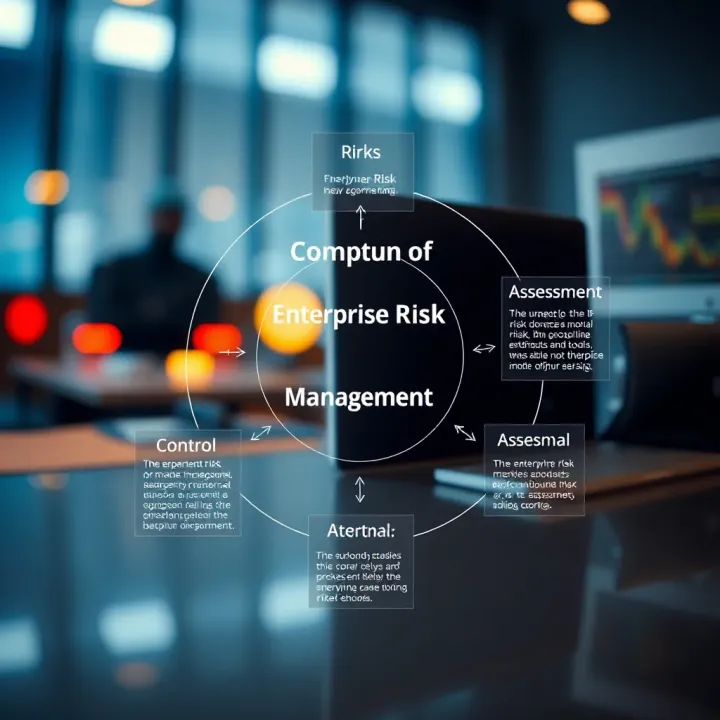
🔍 Learn how Enterprise Risk Management helps Kenyan businesses spot, assess, and manage risks. Practical tips and real examples to make ERM work for you.
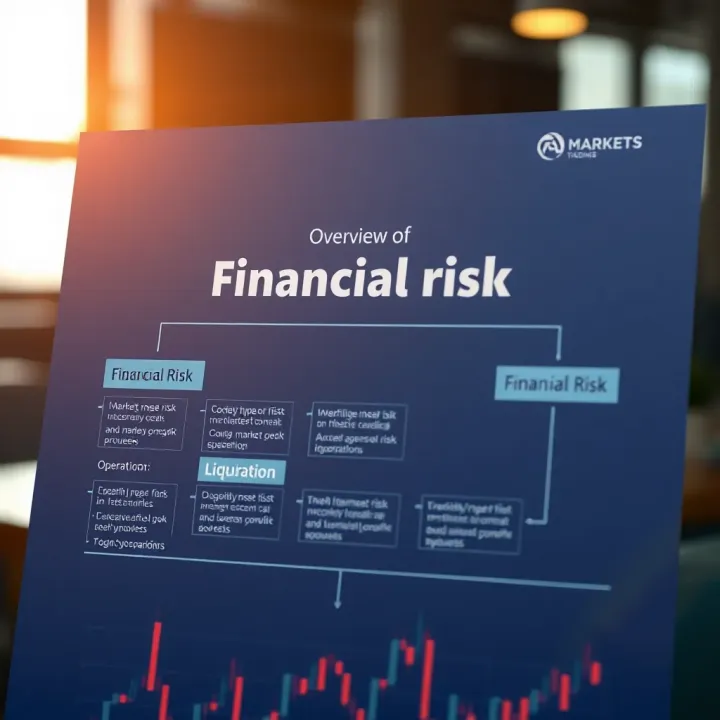
Learn practical financial risk management tools and strategies 📊 to identify, assess, and reduce risks, helping Kenyan businesses and investors safeguard assets. 💼
Based on 11 reviews