

Effective Credit Risk Management in Kenyan Banks
Discover how Kenyan banks tackle credit risk with smart assessments, regulatory support, and practical strategies to keep finances safe and stable 📊💼
Edited By
Amelia Stevens
Risk management takes centre stage for Kenyan businesses aiming to thrive amid a challenging economic environment. The Kenyan market presents many uncertainties—from fluctuating currency exchange rates to unpredictable weather affecting agricultural output, not to mention changing consumer preferences and increasing competition. Managing these risks well can mean the difference between business survival and collapse.
Kenyan businesses face financial, operational, and reputational risks frequently. Financial risks may include loan defaults, inflation eating into profits, or delayed payments from clients using platforms like M-Pesa. Operational risks could come from unreliable power supply, transport strikes affecting logistics, or even cyber threats targeting small and medium enterprises (SMEs). Meanwhile, reputational risks arise if a business fails to deliver quality services or products, especially in a tight-knit community where word spreads fast.

Understanding the basic principles of managing these risks equips business owners and managers with tools for practical action. The process usually starts with proper identification of risks unique to each sector—for example, a miraa (khat) dealer must consider regulatory changes, while a jua kali artisan looks out for fluctuating raw material prices. After identifying risks, assessing their potential impact and likelihood helps prioritise where to focus efforts.
Effective risk management for Kenyan businesses hinges on a balanced approach: avoiding risks where possible, reducing their impact, transferring some risk via insurance, and accepting certain unavoidable risks.
To break it down:
Risk avoidance means steering clear of activities that expose the business to harm. For instance, some traders avoid certain stock lines prone to theft or damage during transport.
Risk reduction includes steps to minimise potential losses, such as installing security cameras, conducting regular equipment maintenance, or training staff on safety procedures.
Risk transfer often involves insurance products tailored to Kenyan risks—like fire insurance for duka owners or crop insurance for farmers.
Risk acceptance happens when risks are either too costly to insure against or have limited impact, so businesses monitor and prepare to absorb losses if they arise.
Combining these strategies forms a comprehensive shield that improves resilience. Later sections will explore how Kenyan firms can use technology, financial instruments, and local expertise to sharpen their approach further.
Managing risk is essential for Kenyan businesses to stay afloat and competitive in today’s environment. The local economy presents unique challenges—from fluctuating forex rates and unpredictable weather affecting agriculture, to shifting government regulations and fierce competition in saturated urban markets. Recognising and understanding these risks gives business leaders a clearer view of what they face and which areas need immediate attention.
Understanding risk helps managers avoid costly surprises and equips them to plan better. For example, a small exporter in Mombasa will face risks related to currency fluctuations and customs delays, while a retailer in Nairobi must keep an eye on customer preferences and competition from online stores like Jumia. The practical benefit is straightforward: the better you understand your risks, the better you can manage resources and protect your investments.
Financial risks involve uncertainties linked to money flow and capital. These could come from currency volatility, since the Kenyan shilling can sometimes weaken rapidly against the dollar or euro, increasing the cost of imported goods. Interest rate changes also affect loans, with banks adjusting rates every so often under the guidance of the Central Bank of Kenya (CBK). For Nairobi-based SMEs, delayed payments from clients can cause cash flow problems, potentially forcing reliance on expensive credit like Fuliza.
Operational risks relate to internal systems and processes. In Kenya, this could include unreliable power supply, which makes many businesses rely on generators, adding to operational expenses. Logistics challenges, like poor road conditions during the long rains, disrupt supplies and deliveries. For instance, a boda boda taxi firm in Kisumu might face constant vehicle breakdowns, affecting daily revenue. Managing operational efficiency is key to keep such risks under control.
Market and competition risks come from shifting demand and new players entering the space. The rapid rise of e-commerce platforms, mobile money payments, and informal markets means businesses must continually adapt. A local supermarket competing with Carrefour or Naivas must innovate and maintain pricing strategies to retain shopper loyalty. Market risks also stem from consumer income fluctuations during periods of economic downturn or inflation spikes.
Regulatory and compliance risks arise when companies fail to meet government requirements. Kenya’s changing tax laws, licensing regulations, and environmental rules can trip up businesses unfamiliar with the latest demands. For example, new VAT rules on mobile money transfers affect cash flow management. Non-compliance risks fines or business closures, so staying updated through KRA (Kenya Revenue Authority) and county offices is vital.
Reputational risks occur when negative perceptions damage customer trust and brand value. In Kenya, a poorly handled customer complaint or negative social media post can spread quickly, especially among younger Kenyans active on platforms like Twitter and Facebook. For instance, a coffee exporter caught using unfair trade practices may lose export contracts and face a boycott by local cafés. Protecting reputation often requires solid customer service and transparent communication.
Protecting assets and investments is the main reason businesses pay attention to risk. A family-owned shamba in Western Kenya invests heavily in tea or maize crops, and unpredictable weather or pest outbreaks could destroy harvests. By managing risk—for example, through crop insurance or diversified planting—farmers protect their livelihoods and investments. Similarly, an SME investing in expensive equipment must insure it against theft or damage.
Enhancing decision-making happens when leaders understand risks clearly. They can prioritise projects, allocate budgets wisely, and avoid costly mistakes. For example, a lender analysing a SME loan application can assess operational and market risks before approving funding. This approach reduces defaults and encourages prudent growth. In daily business, managers who factor in risk create more grounded strategies and avoid reckless gambles.
Maintaining business continuity means keeping operations running despite challenges. In Kenya, disruptions such as power outages, transport strikes, or sudden regulatory shifts can halt business activities. Effective risk management includes having backup plans like alternative suppliers or diversified revenue streams. For example, a Nairobi tech startup might use cloud-based infrastructure to avoid data loss during internet disruptions. Planning ensures the business stays resilient even when trouble strikes.
Understanding the types of risk you face and managing them systematically helps Kenyan businesses build resilience and seize opportunities more confidently.
Identifying and assessing risks is the bedrock of good risk management. Without knowing what threats your business faces or how serious they are, it's nearly impossible to plan properly. This process helps businesses in Kenya, from the bustling streets of Nairobi to smaller towns like Eldoret, to prepare for challenges ahead—whether a sudden change in regulation or shifting market demand.
Internal audits and consultations involve a thorough review of a company's internal operations, finances, and procedures. This method uncovers hidden risks like fraud, poor financial controls, or outdated policies that could expose a business to losses. For instance, a trader in Nakuru might find through internal auditing that their stock management lacks proper checks, leading to frequent shortages or overstocking. Consulting staff and management during these audits brings real insights because they often know the practical risks before they hit formal channels.
Market analysis and competitor review means keeping a finger on the pulse of the industry and how competitors behave. Businesses can spot emerging threats such as new entrants offering lower prices or innovations that could disrupt the market. Take a Nairobi-based logistics firm: by analysing competitors’ fleet upgrades and pricing strategies, it can identify risks in being outpaced technologically or losing clients to cheaper services. Market trends like consumer shifts towards e-commerce also highlight where businesses should adapt or face obsolescence.
Stakeholder feedback and community insights add a valuable layer often overlooked. Customers, suppliers, and even local communities can provide early warnings about risks not seen internally. For example, a manufacturer in Mombasa relying heavily on local suppliers might learn from community feedback about potential supply disruptions due to weather patterns or political unrest. Engaging openly creates trust and surfaces risks related to reputation or social licence to operate.
Qualitative versus quantitative approaches offer different lenses on risk. Qualitative assessment uses expert judgment, interviews, and workshops to describe risks in words—like ‘high’, ‘medium’, or ‘low’ threat levels. This suits smaller businesses or when precise data is hard to get. Quantitative assessment, however, involves numbers—estimating financial losses or likelihood based on hard data and statistical models. A tech startup in Nairobi might use quantitative models to forecast cash flow risks, while a jua kali artisan may prefer simpler qualitative scoring due to limited data.
Risk likelihood and impact evaluation is about estimating how probable a risk is and how severely it can affect the business. Knowing both helps avoid overreacting to unlikely threats or ignoring risks that could cripple operations. For example, a farm near the Tana River will assess flooding risk as highly likely during long rains and evaluate its impact on crop yields. This dual view guides where to put resources—maybe investing more in flood defences than in rare equipment theft prevention.

Prioritising risks for action means focusing attention and resources where the damage would be greatest and where control is possible. Given limited budgets common for Kenyan SMEs, it's vital to act on risks that truly matter fast. For instance, a small retailer might rank theft and supplier failure at the top due to frequent local crime and supply chain issues, leaving lower priority risks for later. This approach keeps businesses lean and places effort where it can pay off most.
Proper identification and assessment form the foundation for managing risks proactively, helping Kenyan businesses weather ups and downs with greater confidence and control.
Practical risk management strategies lie at the heart of protecting Kenyan businesses from unexpected setbacks. These approaches help businesses not only to survive but thrive amid uncertainties by providing clear methods to handle financial, operational, and reputational risks common in Kenya’s dynamic economy. They combine sensible precautionary steps with flexible measures that balance risk and opportunity.
Conducting feasibility studies helps businesses gauge whether a new project or investment is worth pursuing. This includes analysing market demand, resource availability, and potential financial returns before breathing life into an idea. For example, a small manufacturer in Nakuru may conduct a feasibility study to assess if expanding production will meet local demand without overstretching resources.
Feasibility studies reduce the chance of costly missteps by flagging issues early, enabling businesses to make informed decisions that can save both time and capital.
Setting clear operational policies guides everyday actions and decisions across a company. Well-defined policies ensure staff understand procedures, compliance standards, and risk limits. This approach reduces errors and inconsistent behaviour which might expose the business to risks like breaches of regulations or poor service delivery.
For instance, a Nairobi retail chain with explicit return policies and supplier vetting procedures limits disputes and financial losses when dealing with customers and partners.
Regular staff training and awareness build a culture where employees recognise and respond to risks effectively. In Kenya’s fast-changing business landscape, ongoing training keeps teams informed about new regulations, safety rules, and fraud tactics.
A bank in Mombasa might regularly train its frontline staff on KYC (Know Your Customer) compliance and cyber security, reducing risks of fraud and regulatory penalties.
Diversifying income streams spreads risk by not relying on a single product, service, or market. If one revenue source suffers, others can cushion the blow. A Kisumu agroprocessor expanding from maize milling to value-added products like maize flour or animal feed can better handle raw material price shocks or seasonal demand changes.
Such diversification keeps cash flowing and steadies growth, especially important in Kenya’s sometimes unpredictable markets.
Maintaining quality control safeguards brand reputation and customer trust. Regular checks during production or service delivery prevent costly defects and recalls. This is critical for Kenyan exporters who must meet strict international standards to retain access to markets like the EU or US.
For example, a tea factory in Kericho that ensures consistent leaf grading and packaging quality avoids rejection at ports and builds lasting client relationships.
Establishing strong safety protocols protects staff and assets, reduces accidents, and aligns with legal requirements. This is vital in Kenyan factories, construction sites, and transport sectors where overlooked safety can cause serious disruptions and liabilities.
Clear guidelines on equipment use, emergency procedures, and proper training form the backbone of such protocols, helping to lower injury rates and insurance claims.
Using insurance products effectively shifts the financial burden of certain risks to insurers. Kenyan businesses should understand available insurance types such as property, liability, business interruption, and microinsurance tailored for SMEs.
For instance, a logistics company can protect fleets from theft or damage, while a hotel may cover guest injury claims, thus limiting unexpected losses.
Outsourcing risky operations enables firms to hand over tasks that involve specialised risks to experts. A retail business might outsource IT services to a cybersecurity firm that can handle threats more efficiently than an in-house team.
This approach reduces exposure and leverages external expertise without major capital investment.
Contractual agreements and guarantees provide legal protection by clearly defining responsibilities and remedies in case of failure or dispute. Kenyan businesses routinely use contracts to secure payment, delivery standards, or to guarantee product quality.
A construction firm, for example, may require suppliers to provide performance bonds ensuring timely material delivery.
Choosing manageable risks means recognising which risks can be safely borne without threatening the business. Sometimes, certain operational risks are costs of doing business, such as currency fluctuations in import-export firms.
Accepting these risks allows focus on bigger threats that need control or transfer.
Continuous risk monitoring involves regularly tracking risk factors and revisiting risk management plans. This helps catch emerging problems early.
A Nairobi tech startup might monitor market trends, customer feedback, and regulatory changes closely to adjust strategies as needed.
Adapting to changing circumstances ensures businesses remain resilient in Kenya’s evolving economic and regulatory environment. Flexibility in policies, supply chains, or investment plans helps businesses respond smoothly to events like new tax laws or shifting consumer behaviour.
Such adaptability lets firms avoid costly delays or freezes when facing inevitable changes.
Practical risk management in Kenya demands a combination of careful planning, active oversight, and smart use of available tools. Employing these strategies helps businesses stay steady amid uncertainty and seize opportunities with confidence.
Kenyan businesses benefit greatly from tools and resources that support effective risk management. These enable firms to track problems early, make informed decisions, and protect their operations with practical solutions. From digital platforms to local insurance options and expert services, the right resources can help businesses navigate Kenya’s unique market conditions and regulatory environment.
The adoption of software tools helps businesses in Kenya monitor risks in real time. Tools like inventory management systems, financial reporting software, and cybersecurity solutions allow companies to spot threats before they escalate. For example, a Nairobi-based SME might use cloud-based software to track cash flow anomalies, signalling potential fraud or operational hiccups. These platforms often include alerts and dashboards that simplify risk tracking.
Data analytics empowers businesses to make decisions based on evidence rather than gut feelings. By analysing sales trends, customer feedback, or economic indicators, Kenyan businesses can assess which risks need urgent attention. For instance, analysing purchasing data via mobile payment platforms like M-Pesa can reveal seasonal demand shifts, helping traders plan stock better and avoid financial losses. This approach reduces guesswork and helps managers allocate resources efficiently.
Kenyan markets offer several insurance products tailored for business risk coverage. These include property insurance against fire or theft, liability insurance for legal claims, and crop insurance for agricultural risks. Companies listed on the Nairobi Securities Exchange (NSE) often use credit insurance to manage defaults. Selecting the right insurance depends on the business nature and risk profile. For example, a transport firm may prioritise comprehensive motor insurance due to high accident rates.
Microinsurance plays a vital role for small-scale businesses that lack access to traditional insurance. It offers affordable coverage for specific risks like theft, fire, or health issues, often bundled with mobile money services. A kiosk owner in Kisumu, for example, may insure stock worth KSh 50,000 via a microinsurance product linked with M-Pesa. This safety net allows small operators to recover quickly from setbacks, sustaining their income and protecting livelihoods.
Many Kenyan companies rely on consultants to identify and manage risks they might not detect internally. These experts bring specialised knowledge in areas like financial risk, compliance, or cybersecurity. For instance, a growing tech startup in Nairobi may hire a risk advisory firm to create a data protection strategy aligned with Kenya’s Data Protection Act. These partnerships offer tailored solutions and help organisations stay compliant and resilient.
Continuous training strengthens staff competence in recognising and handling risks. Organisations often invest in workshops on financial literacy, compliance, or safety. For example, a manufacturing firm in Eldoret might run regular sessions to update workers on occupational health standards. Engaging employees in this way builds a culture of risk awareness and sharpens the company’s overall readiness to face diverse threats.
Businesses that effectively use technology, insurance, and expert advice can manage risks proactively, maintaining stability in Kenya’s dynamic economy.
Creating a risk-aware culture is essential for Kenyan businesses aiming to stay resilient in a constantly shifting environment. This culture encourages everyone, from top leaders to entry-level staff, to recognise risks early, speak openly, and take responsibility for handling them. Such an approach not only reduces surprises but also strengthens trust and decision-making across the organisation. For example, a Nairobi-based SME that openly discusses potential supply chain issues can plan alternatives sooner, preventing costly disruptions.
Open discussions about potential risks help break down barriers within organisations. When teams talk frankly about possible setbacks—be it currency fluctuations, political changes, or local supply challenges—they get a clearer picture of what might affect the business. This transparency means challenges are more likely to be spotted early and addressed before they escalate. For instance, a company with branches across counties might set regular meetings for managers to share local risk insights, creating a more informed leadership.
Encouraging reporting without fear complements open communication by ensuring employees feel safe to raise concerns or mistakes. Kenyan businesses that punish those who flag risks often miss critical warnings until problems grow. On the other hand, firms that foster a no-blame environment can tap into frontline insight to manage risks better. A good example is Safaricom’s whistleblower policy that allows anonymous reports, giving the company a heads-up on potential issues.
Risk management roles in leadership are vital for embedding risk awareness in strategy and daily operations. When managers and directors actively lead on risk issues, it sends a message down the line about seriousness. Leadership involvement helps set priorities, allocate resources, and monitor risk responses effectively. For example, a CEO assigning a dedicated risk officer ensures someone is always watching out for emerging threats and opportunities.
Employee involvement in risk processes ensures that those who face risks directly also have a say in managing them. Frontline workers often spot hazards or inefficiencies before managers do. Including employees in risk workshops or feedback sessions makes the system more dynamic and practical. Consider a Kenyan factory where line workers report machine faults early, reducing downtime and lowering accident risks.
Learning from past mistakes is a powerful way Kenyan organisations improve their risk handling over time. Examining incidents or near misses provides clues on weak points and prevention measures. Unfortunately, some businesses overlook these lessons due to stigma or poor record-keeping. Establishing regular post-event reviews turns mistakes into valuable experience that helps avoid repeat errors.
Updating policies regularly reflects the dynamic nature of business risks, especially in Kenya where regulations, markets, and technologies evolve fast. Static policies can soon become irrelevant or inadequate. Businesses that set schedules for reviewing risk policies, say annually or after major events, stay prepared. For example, an insurance broker updating contract clauses after changes in local laws protects the firm and its clients better.
Building a risk-aware culture is a continuous effort that pays off through stronger resilience, faster response times, and a more engaged workforce. Kenyan businesses that embed these cultural elements can navigate uncertainties with confidence and steady growth.
Discover how Kenyan banks tackle credit risk with smart assessments, regulatory support, and practical strategies to keep finances safe and stable 📊💼
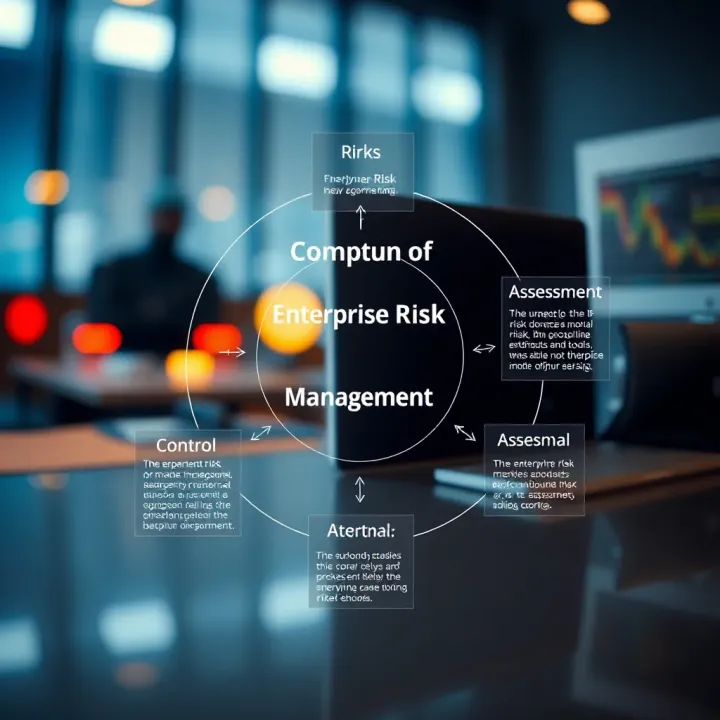
🔍 Learn how Enterprise Risk Management helps Kenyan businesses spot, assess, and manage risks. Practical tips and real examples to make ERM work for you.
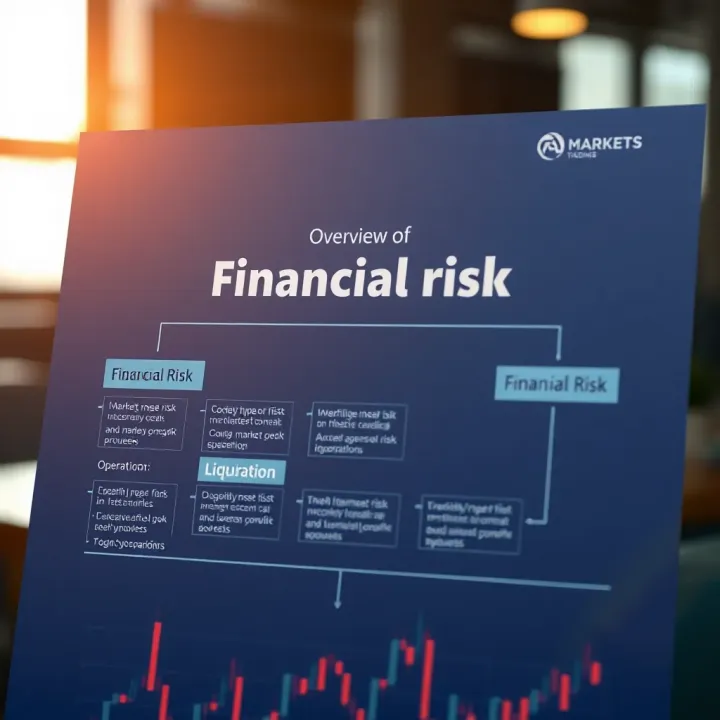
Learn practical financial risk management tools and strategies 📊 to identify, assess, and reduce risks, helping Kenyan businesses and investors safeguard assets. 💼
🔍 Understand risk management: key elements, practical methods, and challenges. Learn how to identify, assess, and control risks across industries effectively.
Based on 11 reviews