
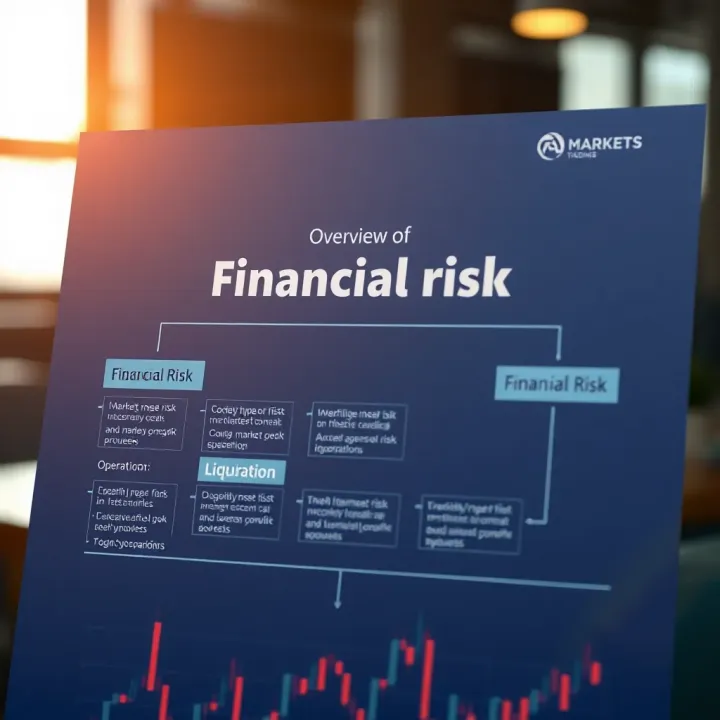
Effective Financial Risk Management Practices
Learn practical financial risk management tools and strategies 📊 to identify, assess, and reduce risks, helping Kenyan businesses and investors safeguard assets. 💼
Edited By
George Whitaker
Every business faces risks—whether it is fluctuating market prices, unreliable suppliers, or unexpected policy changes. Building a risk management framework helps traders, investors, and finance professionals organise how they identify, assess, and handle these risks properly. Without it, decisions often rely on guesswork, exposing businesses to losses or missed opportunities.
A risk management framework offers a practical approach to systematically spot potential threats and opportunities across the business environment. For Kenyan investors especially, this is vital because the economic landscape features market volatility, regulatory shifts, and currency fluctuations that can quickly impact returns.

Protect Investments: A framework helps monitor risks to safeguard capital, such as currency risks affecting importers or stock market traders.
Enhance Decision-Making: By providing clearer risk assessments, it supports smarter choices on asset holdings, credit exposures, or contract commitments.
Comply with Regulations: Kenyan companies increasingly must meet governance requirements, including risk reporting, especially for listed firms on the Nairobi Securities Exchange (NSE).
Risk Identification: List all possible risks (financial, operational, legal, environmental) relevant to your sector or activity. For example, a maize supplier should consider drought and transport disruptions.
Risk Assessment: Evaluate the likelihood and potential impact of each risk. Investors might rate stock price swings or interest rate changes.
Control Measures: Define how to reduce or transfer risk. This could be using hedging instruments like futures contracts or buying insurance.
Monitoring and Review: Regularly check risk levels and effectiveness of controls, adapting quickly to changing contexts, such as a new tax regime or market trend.
A disciplined risk management framework is not just about avoiding losses but positioning your business to seize opportunities confidently, even amid uncertainties common in Kenya’s fast-moving markets.
This guide equips you with the concepts and practical steps to create a risk management framework tailored for Kenya’s business climate, helping protect your investments and sharpen your financial decisions.
Having a solid grasp of what a risk management framework involves is essential for any organisation that wants to navigate the uncertainties of today’s business world effectively. This understanding helps leaders and teams focus on identifying potential risks systematically, assessing their possible impact, and deciding the best ways to reduce or handle those risks. For instance, a Nairobi-based agribusiness facing unpredictable weather patterns and fluctuating market prices needs a framework to prepare for crop failures or sudden input cost hikes.
A risk management framework is basically a structured approach an organisation uses to spot, evaluate, and manage risks that could affect its operations, finances, or reputation. It provides clear guidelines, processes, and responsibilities to keep risks within acceptable limits. Practically, this means businesses don't just react when bad things happen but plan how to avoid or lessen those problems ahead of time.
The main goals of adopting such a framework include safeguarding assets and resources, ensuring compliance with laws and regulations, and supporting sound decision-making. For example, a Kenyan trading company might use the framework to monitor currency fluctuations and adjust its pricing to maintain profitability. The framework also helps improve transparency and accountability, making it easier for investors and regulators to understand how risks are handled.
Kenyan businesses operate in an environment with unique challenges. These range from inconsistent infrastructure and regulatory changes to informal market practices and seasonal economic swings. For example, fluctuating fuel prices can affect logistics costs dramatically, impacting profit margins. A proper risk management framework helps firms foresee such shifts and prepare strategies, whether by budget adjustments or supplier diversification.
Besides managing uncertainties, Kenyan companies must navigate a complex regulatory landscape that keeps evolving. By having a firm grip on risk management, businesses can stay compliant with bodies like the Kenya Revenue Authority (KRA) or the Capital Markets Authority (CMA) without scrambling at the last minute. This proactive stance avoids penalties and reputational damage. Also, it promotes confidence among customers and partners, knowing that the business is resilient and trustworthy even when challenges arise.
A well-understood risk management framework is not just a safeguard; it's a tool for smarter business growth and sustainability in Kenya’s dynamic marketplace.
A solid risk management framework rests on several key components, each playing a specific role to help businesses identify, assess, and handle risks effectively. For traders, investors, and finance professionals navigating Kenya's dynamic markets, understanding these building blocks is essential to protect assets and make smarter decisions.
Spotting potential risks early lays the groundwork for solid risk management. Common methods include conducting risk workshops where teams brainstorm possible threats, analysing historical data for patterns, and reviewing changes in regulations or market conditions. For example, a broker dealing with foreign exchange must keep an eye on geopolitical events that could affect currency volatility.
Involving relevant stakeholders is vital in this stage. Those working on the ground, like analysts, portfolio managers, or compliance officers, often have firsthand experience with emerging risks. Pulling their insights together allows a business to capture different perspectives and uncover hidden vulnerabilities that top management might overlook.
Once risks are identified, assessing their impact and likelihood helps prioritise focus areas. Risks with a high chance of happening and significant financial consequences should receive immediate attention. For instance, a sudden drop in commodity prices might greatly affect a trader's portfolio, while minor regulatory changes might pose less threat.
Tools such as risk matrices or scoring systems assist in ranking and categorising risks systematically. Using software or spreadsheets tailored to your business allows consistent assessment, which improves transparency and decision-making. An investment firm might use a heat map to visually present risks, making it easier to communicate priorities with stakeholders.
There are several ways to handle risks: mitigating (reducing impact), avoiding (steering clear), or transferring (outsourcing or insuring). For example, a financial institution could reduce credit risk by tightening lending criteria or avoid market risk by limiting exposure to volatile assets. Transferring risk through insurance or derivatives can also be practical.
Clear assignment of responsibility ensures risk control measures are enforced. Designating specific persons or teams to oversee each risk increases accountability. In a trading company, this might mean the risk manager handles daily monitoring while portfolio managers implement risk limits.
Risk levels don't stay fixed; they fluctuate. Regular tracking using key indicators ensures timely responses to shifts. For example, tracking liquidity ratios or market volatility indices helps a finance professional adjust strategies before losses mount.

Communication channels must support prompt reporting of risk status. This can involve scheduled reports, real-time dashboards, or alert systems integrated into existing platforms such as Bloomberg Terminal or local trading systems. Effective communication keeps everyone informed, enabling quick action and informed decision-making.
A risk management framework is only as effective as its components working together—identification, assessment, control, and monitoring must all be well executed to shield businesses from unexpected blows.
These core components form the spine of a risk management framework tailored for Kenya’s business environment. By focusing on practical approaches and clear responsibilities, firms can stay ahead of risks and safeguard their investments.
Developing and implementing a risk management framework goes beyond theory; it sets the foundation for how your organisation identifies, evaluates, and handles risks daily. This stage translates ideas into practice, ensuring the framework works well within your company’s unique environment. For traders or finance professionals, having these steps clear means faster decision-making and better protection against sudden market shocks or regulatory hurdles.
Understanding your organisation’s internal and external environment is crucial. Internally, consider factors like company size, financial health, expertise levels, and existing controls. Externally, account for market trends, economic conditions, political stability, and regulatory changes. For instance, a Nairobi-based exporter may face currency fluctuations, customs delays, and policy shifts that directly affect risk exposure.
Defining acceptable risk levels—often called risk appetite—means deciding how much risk your organisation is willing to tolerate while pursuing objectives. A conservative portfolio manager might set low risk appetite, avoiding volatile investments, whereas a startup investor could accept higher risks for bigger rewards. Clear boundaries here avoid costly surprises and add discipline to risk-taking.
Setting clear policies ensures everyone knows how to spot and respond to risks in a uniform way. These guidelines cover daily routines, such as how to verify transactions, report incidents, or escalate concerns. For example, a broker might have a checklist that validates client documentation before approving trades, standardising risk controls.
Including regulatory compliance is non-negotiable. Kenyan laws governing securities, banking, and taxation must shape your policies. Integrating these rules not only avoids penalties but also builds credibility with clients and regulators. A finance firm, for instance, must align with Capital Markets Authority (CMA) directives on disclosure and reporting.
Risk awareness needs to reach across all teams—not just management. This means regular workshops and practical sessions explaining risk drivers specific to employees’ roles. For example, customer service agents must understand fraud indicators, while accountants focus on financial irregularities.
Encouraging staff to proactively participate in risk identification improves early detection. When employees view risk management as part of their job, they are more likely to flag issues promptly. Incentive schemes or recognition can motivate this culture shift, turning risk from a burden into shared responsibility.
Risk management should blend seamlessly with daily activities rather than feeling like a separate task. Aligning risk controls with business workflows helps reduce friction. For instance, if a trader’s platform automatically flags high-risk transactions, they can act immediately without extra paperwork.
Using technology boosts efficiency, from data analytics that predict market risks to dashboards monitoring compliance status. Leveraging tools like M-Pesa integration for secure payments or cloud-based alerts can speed up responses and improve accuracy. Technology also helps smaller businesses compete by automating parts of the risk process that would otherwise require more staff.
Clear steps to develop and embed a risk management framework safeguard operations, build trust with stakeholders, and enable Kenyan businesses to navigate uncertainties confidently.
Implementing a risk management framework comes with hurdles that can slow down or even derail efforts. Understanding common challenges Kenyan businesses face—and knowing how to tackle them—is vital. These challenges often relate to people’s attitudes, resource constraints, and keeping the system current in a fast-changing environment.
Identifying sources of hesitation often starts with recognising that employees may fear added workload or blame if risks occur. For example, staff at a Nairobi-based investment firm might resist new risk protocols because they see them as extra bureaucracy unrelated to their daily tasks. Sometimes, resistance comes from past failures where risk efforts weren’t fully supported, so there is mistrust.
Clear communication that links the framework directly to job security and business survival can reduce fear. Involving staff early in the design and explaining how their input shapes the framework helps turn sceptics into champions.
Strategies for gaining buy-in include leadership demonstrating commitment by actively participating in risk management meetings and rewarding proactive risk reporting. For instance, a small fintech might reward teams that correctly flag emerging market risks early, reinforcing positive behaviour. Training sessions tailored to each department’s realities also go a long way. Engaging respected team leaders as change advocates further smooths adoption.
Prioritising critical risks ensures that scarce funds and attention aren’t wasted on minor issues. Kenyan SMEs, often strapped for cash, need to focus on risks that could cause severe financial loss or legal trouble. For example, for a retail business in Mombasa, risks like theft or supply chain disruption may take precedence over rare cyber threats.
Using simple risk ranking tools helps decide which risks demand immediate action and which can be monitored with low cost.
Building capacity through partnerships involves reaching out to consultants, industry associations, or even local universities to access expertise not available in-house. A Nairobi agribusiness might collaborate with extension officers or agricultural risk experts from Egerton University to better manage weather-related risks.
Forming alliances not only fills knowledge gaps but also creates networks for sharing lessons and warnings.
Regular reviews and updates prevent the framework from turning obsolete. Business operations evolve, new regulations come into force, and new risks emerge. For instance, a trading company operating across East Africa needs to revise its framework each year to reflect changes in import/export laws and currency volatility.
Scheduled reviews—quarterly or biannual—ensure risk registers stay fresh and controls remain effective.
Adapting to changing business and regulatory environments means businesses should monitor policy shifts by bodies like the Kenya Revenue Authority (KRA) or Capital Markets Authority (CMA). An investment firm must adjust its framework to comply with updated CMA rules on disclosure or reporting.
This agility avoids penalties and positions companies as trustworthy players in their sectors.
Consistent effort to face these challenges keeps your risk management framework practical, robust, and aligned with Kenyan business realities.
By anticipating resistance, using resources wisely, and continuously refreshing processes, your organisation can handle risks more confidently and make better decisions under uncertainty.
Technology and data have become essential for effective risk management. In markets like Kenya’s, where business environments are rapidly changing, relying on manual methods can leave gaps in spotting and handling risks. Technology not only speeds up detection but also improves accuracy, especially when dealing with large volumes of financial or operational data.
Software used for data collection and trend analysis helps businesses gather information from various sources—such as market transactions, client records, and regulatory updates. For example, a trading firm in Nairobi might use software to collect daily trading volumes, client complaints, and news feeds about economic changes. This data helps spot emerging risks, like unusual transaction patterns or sudden shifts in market regulation.
The value lies in consolidating diverse data into a single platform, making analysis easier. Firms might uncover risks they would have missed if relying on fragmented spreadsheets or paper records. Tools like Microsoft Power BI or specialised risk management software bring this data to life, identifying patterns and outliers that warn of potential issues.
Using analytics for predictive insights goes beyond just looking at current data; it aims to forecast future risks. For instance, a firm might use statistical models to predict the likelihood of currency volatility affecting their investments. Such insights allow businesses to shape their risk controls ahead of time, rather than reacting after losses occur.
Predictive analytics can tap into historical market data and external factors like political events or weather patterns, giving traders and investors a better chance to prepare. Having this foresight is particularly useful in Kenya’s sometimes unpredictable economic climate, where events can quickly impact market stability.
Dashboards and alerts for real-time tracking keep decision-makers updated on risk status as events unfold. In a trading context, a dashboard might display current exposure levels, recent anomalies, and warnings in clear visuals. Alerts can notify key personnel immediately if risk thresholds are breached, ensuring timely intervention.
Real-time tracking is valuable for businesses operating in fast-moving sectors where delays can increase losses. For example, a forex trader in Mombasa could benefit from instant alerts on sharp exchange rate changes to adjust positions quickly.
Integration with existing systems means these tools connect smoothly with a company’s current software, such as accounting, compliance, or operations systems. Rather than working in isolation, risk platforms can pull data from multiple departments, ensuring a comprehensive view.
This interconnectedness reduces duplicated efforts and improves responsiveness. A Kenyan insurance firm, for example, could integrate client data from their CRM system with risk analytics to better assess policyholder risk and adjust premiums accordingly. Such integration streamlines workflows and enhances decision accuracy.
Technology and real-time data analysis empower firms to stay ahead of risks instead of scrambling to react, a vital shift for Kenyan businesses facing dynamic challenges.
Measuring how well your risk management framework works is vital to keep your business safe and agile. Without clear ways to track progress, it’s like driving without a speedometer—you won’t know if you are speeding into trouble or slowing down too much. In Kenyan businesses, where markets can shift quickly and regulations change often, regular assessment ensures your risk controls still match the realities on the ground. Plus, it builds confidence among investors and partners that risks are well managed.
Key Performance Indicators (KPIs) for risk management provide concrete metrics that tell you whether your strategies are cutting risks and improving responses. For instance, tracking how often certain risks occur before and after mitigation shows if your controls are effective. If a Kenyan export firm reduces claims from delayed shipments by 30% after adjusting supplier contracts, that’s a clear sign of progress. Response times also matter; measuring how quickly teams react to incidents—like data breaches or supply chain disruptions—helps spot bottlenecks.
Using these metrics allows for fact-based decisions rather than guesswork. Setting targets for risk reduction or response times creates accountability. It’s helpful to have a dashboard showing these KPIs updated regularly so management can act swiftly when numbers drift off course.
Feedback loops serve as a continuous improvement cycle in your framework. They gather insights from risk events, staff input, and external changes, turning experiences into lessons. Say a Nairobi-based fintech notices a new cyber threat pattern during audits; feeding this back to update policies and staff training closes the gap before serious losses occur.
Good feedback loops keep risk management dynamic rather than static. They encourage a culture where lessons from failures or near misses lead to adjustments, keeping the framework relevant. For example, collecting frontline workers’ observations on safety hazards while on site helps companies refine controls frequently.
Audits and reviews are formal ways to check if your risk management framework matches expectations. Internal audits, conducted by staff trained in risk or compliance, provide ongoing checks. They help catch issues early, such as incomplete risk registers or lapses in policy adherence. External assessments bring fresh eyes, often from consultants or regulators, adding credibility and objectivity.
In Kenya, where firms often face compliance demands from multiple bodies like Kenya Revenue Authority (KRA) and the Capital Markets Authority (CMA), regular external audits ensure alignment with legal requirements. They also uncover blind spots internal teams might miss.
But audits alone don’t protect your business unless you act on their results. Addressing audit findings promptly demonstrates commitment to improvement and risk reduction. It could involve tightening controls, retraining staff, or updating technology.
Ignoring audit recommendations risks regulatory penalties or exposure to preventable losses. Kenyan companies that swiftly implement corrective actions often see improved trust from stakeholders and smoother operations. Prioritising issues based on risk severity aids efficient use of limited resources.
Continuous measurement and adjustment transform risk management from a paperwork exercise into a practical shield against shocks and losses. Regular KPIs, feedback loops, and audits keep your framework strong and ready for challenges.
Learn practical financial risk management tools and strategies 📊 to identify, assess, and reduce risks, helping Kenyan businesses and investors safeguard assets. 💼
🔍 Understand risk management: key elements, practical methods, and challenges. Learn how to identify, assess, and control risks across industries effectively.
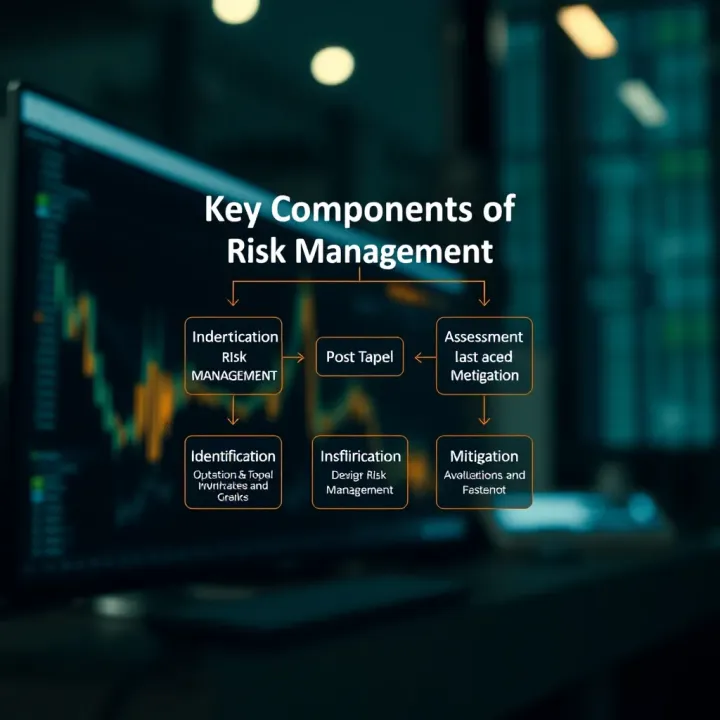
Understand risk management in Kenya 🌍 Learn key strategies, challenges, and tools to make informed decisions in business and everyday life effectively.

📊 Discover key strategies in compliance and risk management tailored for Kenya. Navigate regulations, assess risks, and build trusted systems for your business.
Based on 5 reviews