

Understanding Forex Trading in Kenya
💱 Understand forex trading basics, how global currency markets work, risks, benefits & tips for Kenyan investors ready to explore this forex opportunity.📈
Edited By
Alexander Price
Forex trading signals are essentially alerts that suggest when to buy or sell currency pairs in the market. These signals serve as a shortcut, helping traders spot potential opportunities without spending hours on complex market analysis. They come from various sources such as expert analysts, automated software, or even social trading platforms.
The main goal of forex signals is to improve your timing in the market, which can be especially useful in volatile conditions. For example, a signal might indicate that the Euro is likely to rise against the US dollar within the next few hours, prompting you to buy EUR/USD before the price movement begins.
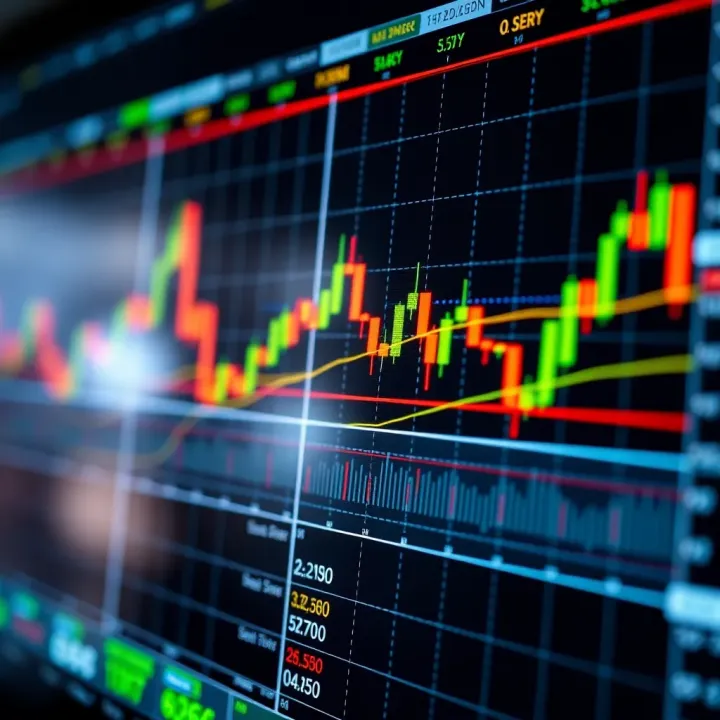
Signals aren’t foolproof, but they can help cut through the noise in the Forex market when used wisely.
Most signals include key details like entry price, stop-loss levels, and take-profit targets. This information helps you manage risk by setting limits on possible losses and locking in gains. For instance, if the signal suggests entering a trade at 1.2000 with a stop-loss at 1.1950, you know your maximum risk is 50 pips.
There are generally two types of Forex signals:
Manual signals: Generated by experienced traders or analysts based on fundamental and technical analysis.
Automated signals: Created using algorithms and trading bots that scan the market for patterns.
Before you start relying on signals, consider their source and track record because quality varies widely. Some platforms offer free signals as a teaser but delay or water down the data to entice purchases.
Also, signals work best when integrated with your own strategy rather than blindly following them. Use them to confirm your analysis or to time your entries and exits more precisely.
Trading successfully depends on balancing signal insights with smart risk management and an understanding of market context. When used correctly, Forex trading signals can be a valuable tool to sharpen your decision-making.
Forex trading signals are alerts or suggestions that tell you when to buy or sell currency pairs based on market analysis. They play a big role in helping traders make timely decisions without having to analyze every detail themselves. You can think of them as shortcuts that highlight potential trading opportunities, saving you time and mental energy.
Basic concept of trading signals: At their core, forex trading signals serve as notifications that point to favorable moments in the market. They typically include a currency pair, an action (buy or sell), a suggested entry price, and often target prices and stop-loss levels. For example, a signal might say, "Buy EUR/USD at 1.1200 with a target of 1.1300," giving you clear steps to follow.
Types of signals based on analysis methods: Signals come in a few flavors depending on their basis. Technical signals rely on chart patterns, indicators like Moving Averages or RSI, and statistical models. Fundamental signals, on the other hand, focus on economic data releases, central bank decisions, or geopolitical events. Some signals blend both approaches to get a fuller picture, which can sometimes improve reliability.
Signals as entry and exit alerts: The biggest practical advantage of signals is they help define clear entry and exit points in trades. Rather than guessing when to jump in or out, a signal provides a prompt based on data, reducing guesswork. This is especially helpful in fast-moving markets where decisions can't wait.
Use in short-term vs. long-term trading: Signals aren’t one-size-fits-all. Short-term traders, like scalpers or day traders, often rely on quick, frequent signals based on technical indicators to capture small moves. Longer-term traders might prioritize signals that come from fundamental analysis or major technical breakouts. Understanding what type of signals fit your trading style is key to using them effectively.
Remember, a signal is a tool—not a guarantee. It works best when combined with your own judgment and risk management.
In short, forex trading signals simplify your process by pinpointing trade ideas, but their value depends on how well they fit your method and how carefully you act on them.
When it comes to forex trading signals, understanding where they come from and how they're generated is key. The source influences the signal’s reliability and how you might fit it into your trading strategy. Signals can be manual, taking the insight of experienced analysts, or automated, relying on software and algorithms. Many traders find that the best signals combine multiple methods, blending human expertise with data-driven analysis.
Human judgment plays a big role in manual forex signals. Experienced analysts combine years of knowledge with intuition to spot opportunities in the currency markets. Their expertise helps navigate complex market situations where pure data might miss subtle cues. For example, an analyst might catch a shift in geopolitical news that’s about to rattle currency prices before automated systems react.
Common techniques used by these professionals include fundamental and technical analysis. Analysts look at macroeconomic indicators like interest rates or employment numbers alongside charts and price patterns. This blend lets them recommend when to jump into or out of a trade with a clearer picture of market forces.
Automated signals rely on algorithmic analysis and pattern recognition, often scanning vast amounts of market data faster than any human could. These algorithms detect repeating patterns or trends that historically predict price moves. For instance, a system might flag a currency pair when it hits a known support level and show momentum indicators signaling a potential rebound.
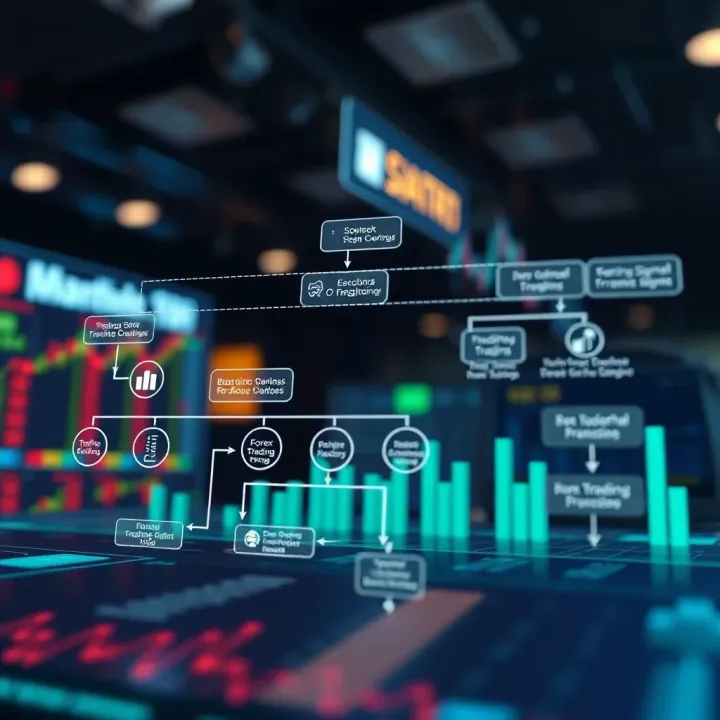
Technical indicators feature heavily in these automated tools. Moving averages, RSI, MACD, and Bollinger Bands are some common examples. More recently, AI-powered tools have started learning from market behavior to generate even sharper signals, adapting to new conditions rather than just following preset rules.
Good forex signals often marry fundamental data with technical insights. Economic news items, like Federal Reserve announcements or unemployment reports, can shift the market quickly. Monitoring market sentiment, such as trader positioning or central bank speeches, can add important context. A signal backed by both a positive jobs report and a bullish chart pattern holds more weight.
Price action and chart patterns provide the technical angle. Traders watch for setups like head and shoulders, double tops, or trendline breaks that often precede price moves. These patterns need to be understood alongside fundamentals to avoid false signals, ensuring more confident trade entries and exits.
Successful trading signals aren’t just about numbers or gut feeling alone. They’re a mix of both, giving you a clearer edge in fast-moving currency markets.
In summary, knowing where signals come from and the methods behind them helps you evaluate their strength and suitability. Whether manual, automated, or combined, each has strengths that can support your trading decisions when used wisely.
When it comes to using forex trading signals, not all signals are created equal. Traders need to evaluate these alerts carefully to ensure they align with their strategy and risk tolerance. A signal with a solid track record and timely delivery can improve trading outcomes, while poor-quality signals may lead to costly mistakes.
Before relying on any forex signal, it's vital to check its past performance. This means looking for transparent statistics detailing wins, losses, and the overall success rate over a meaningful time frame. For instance, if a signal provider boasts 80% accuracy over the past six months but only provides data from a few trades, skepticism is warranted. Consistency across various market conditions shows real skill and not just luck.
Realistic expectations are crucial when assessing these records. No provider can guarantee a 100% success rate, and signals boasting such figures usually raise red flags. A more practical success rate ranges between 55% to 70%, depending on the trading style and timeframe. Understanding this helps traders avoid chasing unrealistic promises or falling prey to scams.
One aspect traders often overlook is how quickly signals reach them. Real-time alerts are essential for taking advantage of short-lived price movements, especially in scalping or day trading. Delayed signals, arriving minutes late, can make the difference between profit and loss.
Platforms delivering signals via multiple channels—such as mobile push notifications, emails, and directly through trading platforms—offer flexibility. A trader might prefer immediate alerts on their phone to act swiftly, while others might rely on emails for a more detailed review. The convenience of notifications impacts how promptly traders can respond to market changes.
Signal services range from free offerings to costly subscriptions. Free signals might attract new traders testing the waters, but they often come with hidden downsides like delayed delivery or lower accuracy. Paid subscriptions usually provide better vetting, faster alerts, and additional insights, but that’s not always guaranteed.
Traders must weigh the cost against potential gains carefully. For example, paying $100 per month for signals that boost profitable trades by only a small margin could still be worthwhile if it saves time and reduces losses. However, if the fees eat too much into earnings, sticking to self-analysis or cheaper alternatives might be smarter.
Remember, a well-evaluated signal service supports your trading, but it’s no substitute for a solid strategy and risk management.
Ultimately, scrutinizing accuracy, timing, and cost helps you choose forex signals that truly add value rather than just noise.
Using forex trading signals has become popular among traders who want a leg up in the market, but it’s not without its ups and downs. Signals offer practical help, especially when time is tight or expertise is still developing. Still, being aware of their limitations can protect you from pitfalls that lead to losses or bad habits.
Forex trading requires sifting through tons of data—charts, news updates, economic reports—and that’s a full-time job in itself. Trading signals save time by pinpointing potential entry and exit points based on analysis already done by experts or algorithms. For example, a busy day trader might receive a signal suggesting a good moment to buy EUR/USD, freeing up time to focus on managing risk or other trades instead of digging through forex charts all day.
In fast-moving markets, timing is everything. Signals arrive quickly, helping traders act without delay. This can make the difference between catching a profitable move or missing the boat entirely.
If you’re new to forex, understanding market indicators and patterns can feel like learning a foreign language. Signals from seasoned analysts or reputable services give you a window into expert thinking. They highlight opportunities that might otherwise be invisible to an amateur eye.
Take a novice who is unsure when to enter a trade on USD/JPY. A reliable signal can serve as a guidepost, showing when momentum is building or when it’s safer to hold back. Over time, following these signals while observing the market can build the trader’s own skills and confidence.
Relying too much on signals can weaken your own ability to analyze the market. If every decision is outsourced to a signal service, you might miss learning how the market behaves during unusual events or volatile periods. Imagine depending solely on a signal during a surprise economic report; without your own judgment, you could hesitate when quick reactions are needed.
Maintaining a balance is key. Use signals as tools, but keep sharpening your personal analysis skills so you can spot when signals might be off.
No signal provider is perfect. Some use outdated data or flawed algorithms, leading to misleading guidance. For instance, a signal might recommend buying a currency pair just before an unexpected geopolitical event triggers a sudden drop.
Beware of services promising sky-high success rates with little evidence. Some may even be scams, sending false signals to encourage trades that mainly benefit the signal seller’s commissions.
Bottom line: Trustworthy signals require verification through testing and independent analysis. Blindly following every alert increases risk instead of reducing it.
Balancing the practical perks of forex signals against their risks helps traders use them wisely and effectively. They are best seen as one part of a larger strategy, not a cure-all for trading success.
Integrating forex trading signals into your broader trading plan is key to turning raw alerts into consistent profits. Signals provide helpful tips, but relying just on them can be risky. To really benefit, you need to combine these signals with your own analysis, sound risk management, and careful selection of signal providers.
Confirming signals with your own analysis helps avoid blind spots. Say a signal recommends buying EUR/USD. Don’t jump in immediately. Check the recent price action, support and resistance levels, and see if economic news backs up that move. This approach weeds out noise and strengthens confidence in your entry.
Signals work best when they align with your market view. For example, if you spot divergence in RSI or see a strong bullish candle pattern matching the buy signal, that’s a green light. On the other hand, conflicting evidence calls for caution or simply skipping the trade.
Setting stop-loss and take-profit levels anchors trades with risk controls. Signals might suggest entry points but often don’t account for your tolerance or market volatility. Determining stop-loss levels limits your downside—perhaps 30–50 pips away for a short-term trade on a major pair—to protect capital.
Similarly, take-profit levels define where to lock in gains. Use previous highs or Fibonacci retracements as guides. Without these set, emotions might swing your decisions, leading to bigger losses or premature exits.
Allocating appropriate trade sizes lets you control exposure. A common rule is risking only 1–2% of your trading capital on a single trade. So, even a positive signal won’t drain your account if the trade turns sour. For example, if your account balance is $10,000 and your stop-loss sets potential loss at 50 pips, adjust your lot size so a loss doesn't exceed $200.
This discipline means signals become tools—not gambling tickets. Overtrading or risking too much on any one trade can wipe you out fast.
Avoiding emotional trading decisions remains crucial. Signals may tempt you to chase setups or jump in out of FOMO (fear of missing out). It’s normal to feel impatient, but discipline beats impulse.
Develop a routine: review signals calmly, assess market conditions, then decide. If a trade isn’t clear or goes against your analysis, feel free to skip it. Sticking to your plan reduces knee-jerk reactions and helps build steady profits over time.
Researching reputations and user reviews can save you from costly mistakes. Look for providers with transparent track records and positive feedback on trustworthy financial forums or platforms like Forex Factory. Beware services boasting unrealistic win rates or vague performance data.
Marketplaces where users openly discuss signal accuracy provide valuable insights. Consider how long a provider has operated and whether results are independently verified.
Testing services with demo accounts lets you try signals risk-free. Many providers offer trial periods or compatible demo trading platforms. Use these to see how signals perform under live market conditions before committing real money.
This test run helps you assess not just signal accuracy but also delivery timing and ease of integration with your trading style. It’s a low-stress way to separate promising services from the hype.
The bottom line is, forex signals are a helpful tool only when combined smartly with your own skills, risk management, and due diligence. That’s how you keep control and improve your chances of success.
💱 Understand forex trading basics, how global currency markets work, risks, benefits & tips for Kenyan investors ready to explore this forex opportunity.📈
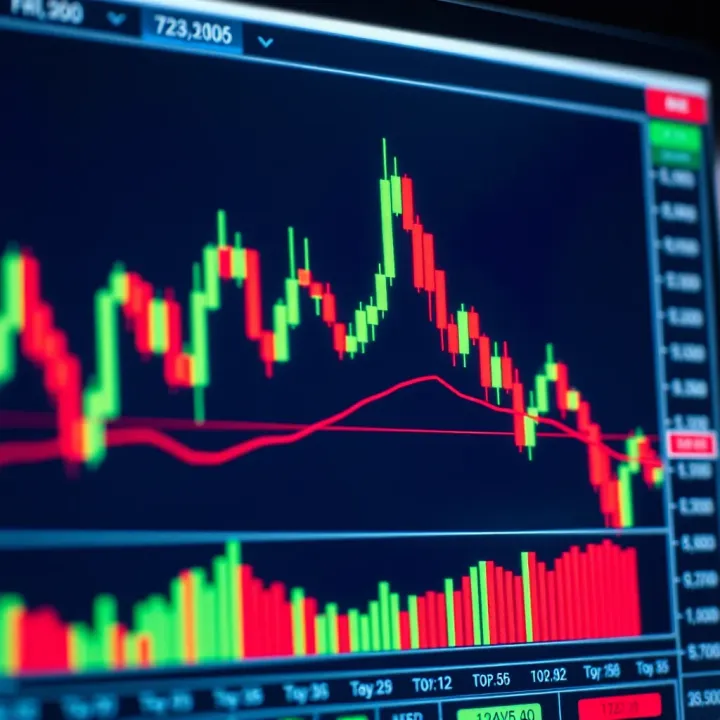
📊 Master forex trading charts to spot price shifts, trends, and opportunities. Learn how chart analysis guides smarter trades and better risk control in forex.
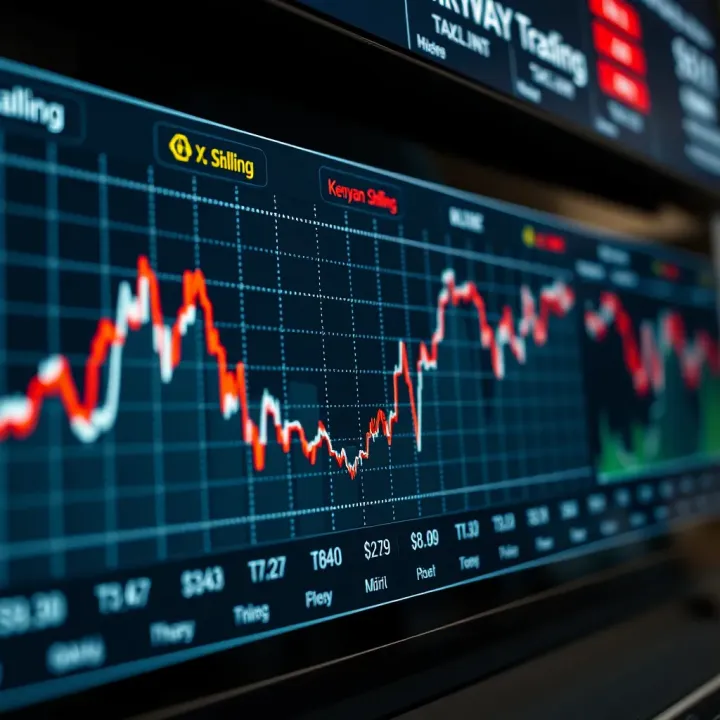
📈 Discover how forex trading works for Kenyan investors, learn local regulations, trading platforms, risks, and strategies to grow your portfolio with confidence 🇰🇪
Learn forex trading with practical examples 🇰🇪. Understand key strategies, risk management, and market impacts to trade confidently in Kenya's online forex space 📈💻.
Based on 15 reviews