
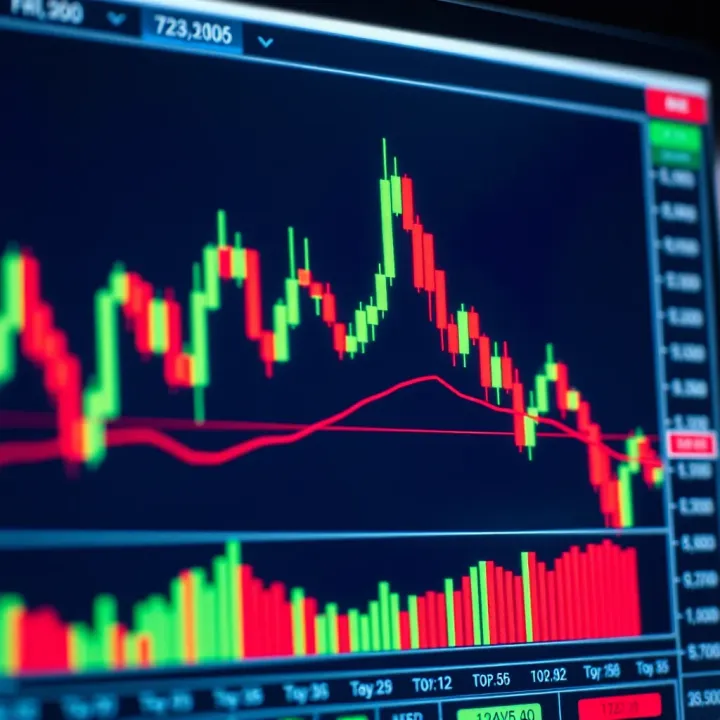
Understanding Forex Trading Charts
📊 Master forex trading charts to spot price shifts, trends, and opportunities. Learn how chart analysis guides smarter trades and better risk control in forex.
Edited By
Isabella Mitchell
Forex trading, also called foreign exchange trading, involves buying and selling currencies against one another in the global market. For Kenyan investors, understanding how forex operates can open doors to new opportunities beyond traditional stocks or local investments.
The core of forex trading lies in currency pairs, such as USD/KES (US Dollar against Kenyan Shilling). When you anticipate the US dollar will strengthen against the shilling, you buy USD/KES. If your prediction proves right, you sell it later at a higher rate and make a profit.
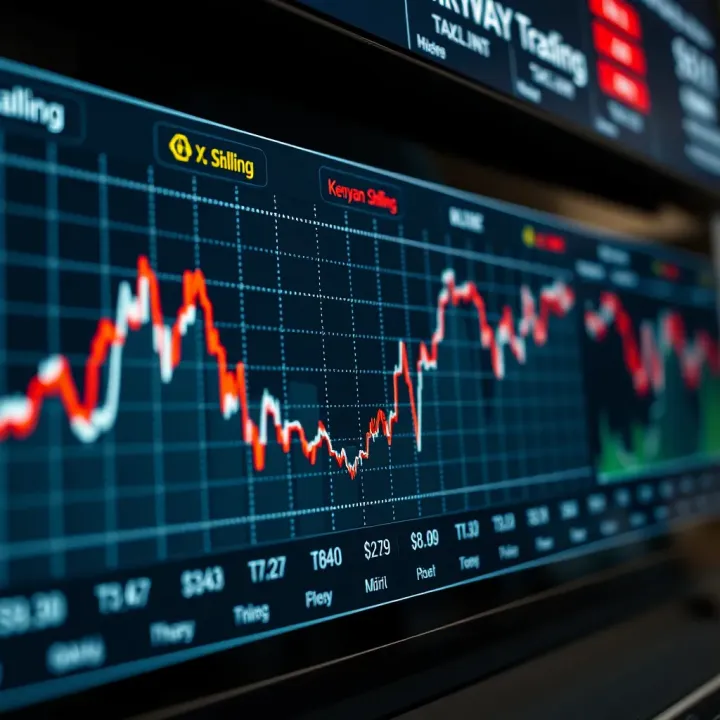
Traders in forex don't buy physical cash but deal with electronic contracts through brokers or trading platforms. These platforms allow real-time currency price tracking and quick execution of trades.
Key factors influence currency prices daily:
Economic indicators: Inflation rates, GDP growth, unemployment figures from countries affect currency strength.
Political events: Elections, policy changes, or unrest can shift investor confidence.
Central bank decisions: Interest rate changes by institutions like the Central Bank of Kenya impact currency demand.
Global market trends: Events like oil price fluctuations or crises in major economies ripple across currencies.
Understanding these drivers helps you anticipate price movements and manage risks better.
Forex trading offers flexibility with 24-hour markets during weekdays, allowing Kenyan investors to trade at convenient times. However, it also involves risks such as sudden volatility and leverage misuse, which can magnify losses.
For those keen on participating, knowing local regulations from the Capital Markets Authority (CMA) and using licensed brokers in Kenya ensures legal compliance and safer trading. Popular platforms accessible in Kenya include MetaTrader 4, MetaTrader 5, and locally supported ones like EGM Securities.
Thus, forex trading can diversify your portfolio, but it demands solid understanding and discipline. This guide will walk you through practical aspects you need to consider before trading forex in Kenya.
Forex trading, simply put, involves buying one currency while selling another at the same time. This global market is the largest and most liquid financial market, with over $6 trillion exchanged daily. For Kenyan investors, understanding how forex trading works opens up opportunities beyond the local stock exchange or fixed deposits, offering quick access to international currencies.
At its core, forex trading is about exchanging currencies to make a profit from fluctuations in their values. Suppose you expect the US dollar (USD) to strengthen against the Kenyan shilling (KES). You would buy the USD/KES currency pair, hoping to sell it later at a higher price. Unlike traditional investing where you buy assets to hold long-term, forex often involves short-term transactions, sometimes lasting minutes or hours. This market runs 24 hours on weekdays, meaning you can trade almost anytime, which is ideal for Kenyans needing flexibility around work or other commitments.
In forex, currencies are quoted in pairs like EUR/USD or USD/KES. The first currency listed is the base currency, and the second is the quote currency. The price shown tells you how much of the quote currency you need to buy one unit of the base currency. For example, if USD/KES is quoted at 110, it means 110 Kenyan shillings are needed to buy one US dollar. Traders speculate on whether the base currency will appreciate or depreciate against the quote currency. This system means every trade involves both buying and selling, creating endless opportunities for profit and loss.
Understanding currency pairs is vital: you cannot trade a currency alone, just pairs, so grasping how these quotes work is non-negotiable.
The forex market features a mix of players with different goals. Central banks, such as the Central Bank of Kenya (CBK), intervene occasionally to stabilise or adjust their currency's value. Commercial banks and financial institutions facilitate most daily trades, providing liquidity. Individual traders, including Kenyan retail investors, use platforms like MetaTrader or local brokers to access the market. Corporations engage in forex to hedge foreign payments, while hedge funds and speculators seek profits from rapid price changes. Each participant adds layers of demand and supply, which keep the market dynamic and sometimes unpredictable.
By knowing who is involved and how currency pairs move, Kenyan investors can make better decisions, reduce risks, and identify real chances to grow their capital in forex trading.
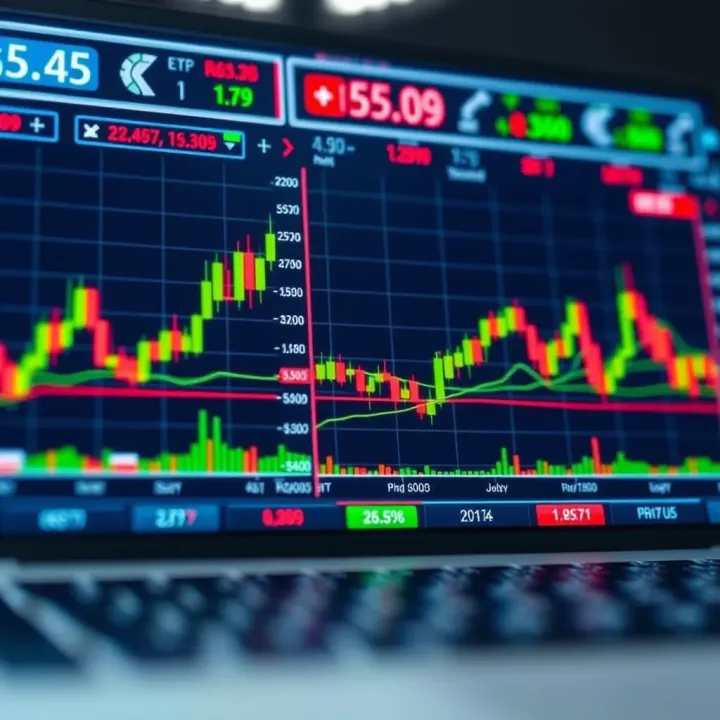
Foreign exchange rates do not move randomly; several key factors shape their direction daily. For Kenyan investors, understanding these factors helps make sense of currency movements and spot trading opportunities. Among the most influential are economic indicators, central bank policies, and political events—each affecting market confidence and currency strength in very concrete ways.
Economic data from countries act like a financial health checkup, signalling how strong or weak a nation’s economy is. For example, Kenya’s inflation rate, GDP growth, unemployment figures, or trade balance reports can directly affect the Kenyan shilling. If inflation rises sharply, the shilling might weaken because higher prices reduce purchasing power. Conversely, strong GDP growth often boosts investor confidence, supporting the currency. Traders watch indicators such as the US jobs report or China’s manufacturing output closely, since Kenya’s shilling also responds to these major economies via trade channels and capital flows.
Central banks, like the Central Bank of Kenya (CBK), steer monetary policy to control inflation and stabilise the economy. Their decisions on interest rates are crucial. When CBK raises rates, the shilling often gains because higher returns attract foreign investors seeking better yields. On the flip side, lowering rates may weaken the currency but stimulate borrowing and growth. Beyond rates, policies on money supply and currency market interventions also impact forex rates. Globally, moves by the US Federal Reserve or European Central Bank influence not just their own currencies but ripple through emerging market currencies like the Kenyan shilling.
Political stability is a big deal for currency markets. Elections, policy shifts, or unexpected political unrest tend to trigger uncertainties, which usually makes traders shy away from that currency. For instance, if Kenyan general elections appear smooth and transparent, confidence in the shilling may rise. However, political turmoil or delayed election results can cause the shilling to tumble as investors seek safer assets. Beyond local politics, international tensions or trade disputes also sway sentiment. Market psychology often reacts instantly to news, so developments—even rumours—on governance or diplomacy can prompt sharp currency moves.
Understanding these factors allows you to interpret forex markets better and craft strategies that reflect real-world conditions rather than guesswork. For Kenyan traders, keeping an eye on local economic data, CBK announcements, and political news is essential for sound forex trading decisions.
Economic indicators give clues about a country’s economic direction.
Central bank policies directly affect interest rates and money supply.
Political stability shapes investor confidence and market mood.
These three factors interact continuously, making forex trading both challenging and full of opportunities if you stay informed and ready to adapt.
Navigating forex trading means weighing both the potential gains and the pitfalls. For Kenyan investors, understanding these opportunities and risks sharpens decision-making and protects hard-earned capital. While forex markets offer chances for profit through currency price movements, they also present risks that can swiftly erode investment if not managed well.
Forex trading's most attractive feature is the potential to make profits from changing exchange rates. Traders can speculate on whether a currency will strengthen or weaken against another, buying low and selling high. For example, a trader buying the USD/KES pair expects the US dollar to rise against the Kenyan shilling, aiming to sell later at a better rate.
Common strategies include:
Day trading: Positions are opened and closed within a day to capture short-term price fluctuations.
Swing trading: Traders hold currencies for several days or weeks to benefit from medium-term trends.
Carry trade: Exploiting interest rate differences between countries by borrowing in a low-interest currency and investing in a higher-yielding one.
Experienced Kenyan traders often combine technical analysis tools like moving averages and RSI with fundamental insights—such as KRA tax policies or CBK interest rate announcements—to improve trade timing.
Forex trading carries significant risks. Exchange rates can be volatile due to global economic news, political events, or unexpected crises. For instance, a sudden policy change by the Central Bank of Kenya (CBK) or political unrest can swiftly move the KES value, causing losses.
Moreover, leverage, commonly used in forex, amplifies both profits and losses. A 1:100 leverage means your gains or losses are magnified 100 times your initial capital. Without caution, this can wipe out an account quickly.
To manage these risks, traders should:
Use stop-loss orders to limit potential losses on any trade.
Avoid over-leveraging; many experts suggest keeping leverage below 1:10.
Diversify currency pairs to spread risk and avoid concentrating on just one economy.
Keep abreast of economic calendars to anticipate key events like inflation reports or CBK auctions.
A disciplined approach to risk management is as vital as identifying opportunities. Many profitable traders credit their success to sticking with strict loss controls.
For Kenyan investors venturing into forex, balancing the lure of profits with prudent risk strategies will help build sustainable trading habits. Understanding these dynamics forms a solid foundation before committing capital.
Starting forex trading in Kenya requires understanding the local environment where rules, technology, and practical steps shape your trading experience. Knowing how to navigate these elements can save you time and money while improving your chances of success.
Forex trading in Kenya is regulated by the Capital Markets Authority (CMA). This body ensures brokers operate fairly and protects investors from fraud or unlicensed operators. Only CMA-licensed firms should be trusted because they meet strict conditions, including minimum capital requirements and client fund protection.
For example, a trader using a non-CMA-approved platform risks losing money to scams or poor practices without legal recourse. Besides licensing, forex trading profits are subject to Kenya Revenue Authority (KRA) tax rules. As an investor, you must report earnings from forex trading through iTax and pay capital gains tax if applicable.
Kenyan traders often use platforms like MetaTrader 4 (MT4), MetaTrader 5 (MT5), and cTrader due to their reliability, ease of use, and support for mobile devices. These platforms allow real-time trading, chart analysis, and automated trading strategies.
Local brokers typically integrate M-Pesa for deposits and withdrawals, making payments convenient and fast compared to traditional bank transfers. Platforms like HotForex Kenya, IFC Markets, and FXPesa offer CMA-compliant services and local support, which is a big help when you hit technical or account issues.
Opening a forex account in Kenya is straightforward but needs care. First, choose a CMA-licensed broker. Then, you’ll typically complete an online registration form providing identification such as a Kenyan ID or passport.
Next, verify your account by submitting proof of address (a recent utility bill for example) and sometimes a selfie for identity confirmation. These steps comply with anti-money laundering rules. After verification, fund your account using options like M-Pesa or bank transfer.
It's wise to start with a demo account before investing real money. This practice lets you learn platform features and test strategies without risk. Also, set limits on how much you invest initially and use stop-loss orders to protect your capital.
Remember, in forex trading, education and caution are your best allies. Avoid high-risk shortcuts and focus on gradual learning to build confidence and skill.
By following these steps, you can start trading forex in Kenya with confidence, knowing you’re working within the law, using trusted technology, and prepared to manage your investments prudently.
📊 Master forex trading charts to spot price shifts, trends, and opportunities. Learn how chart analysis guides smarter trades and better risk control in forex.

📱 Explore the best forex trading apps for Kenyan traders! Learn how to choose, use, and manage risks with secure, user-friendly mobile platforms.
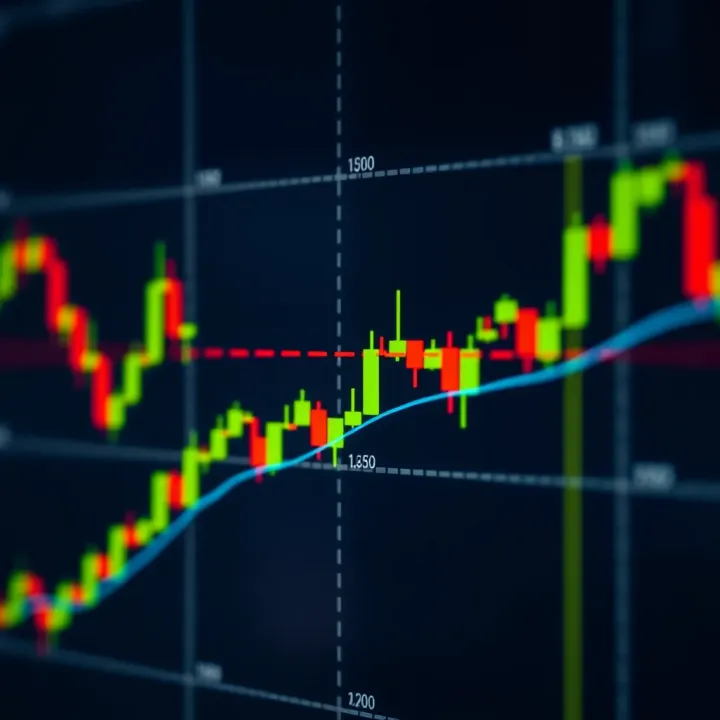
📈 Explore key Forex chart patterns to predict market moves and sharpen your trading skills. Gain practical insights tailored for Kenyan traders.
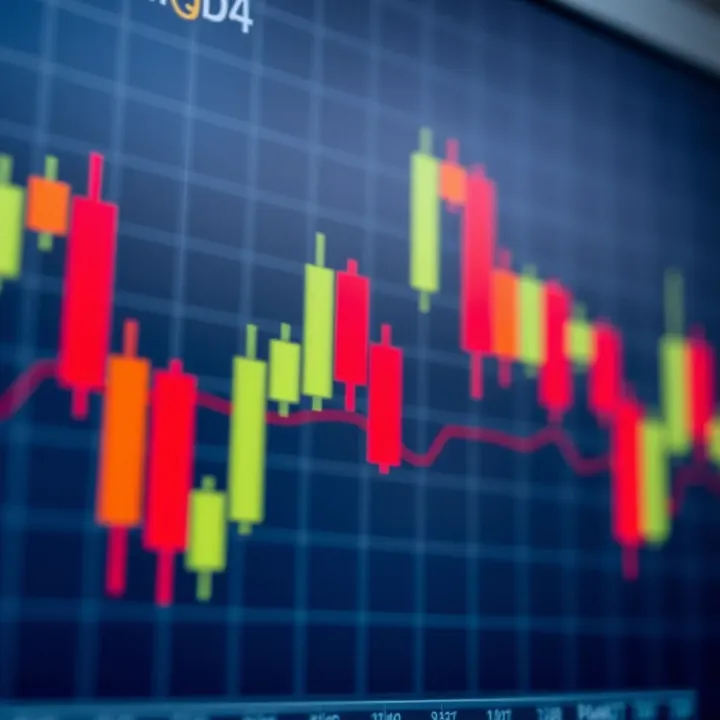
📊 Master candlestick patterns in forex trading with this guide tailored for Kenyan traders. Learn key setups and tips to boost your market moves effectively.
Based on 6 reviews