

Understanding Forex Trading in Kenya
💱 Understand forex trading basics, how global currency markets work, risks, benefits & tips for Kenyan investors ready to explore this forex opportunity.📈
Edited By
Henry Foster
Forex trading, or foreign exchange trading, basically means buying and selling currencies to make a profit. Think of it as exchanging dollars for euros when you travel, except traders do this on a massive scale hoping to benefit from price changes.
The forex market is huge—it's the world’s largest financial market, with over $6 trillion traded daily. Unlike stocks, forex doesn’t have a central exchange and operates 24 hours a day, five days a week. This non-stop trading is spread across major hubs like New York, London, Tokyo, and Sydney.
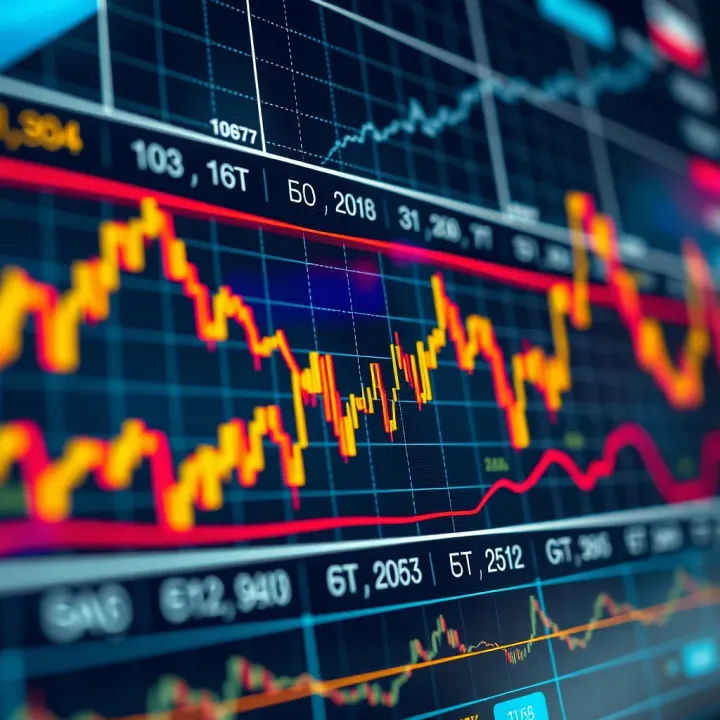
To get started, understanding some core terms goes a long way:
Currency pairs: These show the value of one currency against another, like EUR/USD or USD/JPY.
Pip: The smallest price move a currency can make. For most pairs, one pip equals 0.0001.
Leverage: Borrowed money from a broker to amplify potential gains — but it also magnifies losses.
Spread: The difference between the buy and sell price, which is basically the broker’s fee.
Traders use several strategies depending on their goals and risk tolerance:
Scalping: Quick trades for tiny profits, often lasting minutes.
Swing trading: Holding for a few days to capture short-term trends.
Position trading: Long-term trades based on fundamental analysis lasting weeks or months.
Risk management is crucial in forex to protect your capital. This includes setting stop-loss orders (automatic exit points), limiting leverage, and never risking more than a small percent of your account on a single trade.
Unlike stock markets restricted to business hours, forex’s around-the-clock nature offers flexibility but demands constant vigilance.
Finally, technology shapes modern forex experiences. Online platforms like those featured on DuniaAndroid.com provide real-time data, analysis tools, and automated trading options that help traders act faster and smarter.
Mastering forex isn’t about chasing quick riches—it's about understanding how the market moves, applying disciplined strategies, and managing risk with the right tools in hand.
Understanding how the forex market operates is critical for anyone aiming to trade currencies effectively. This market isn't just about swapping dollars for euros; it reflects the heartbeat of global finance, affecting import-export dynamics, interest rates, and investments.
Forex trading refers to buying one currency while selling another simultaneously. Traders aim to profit from fluctuations in exchange rates. For example, if you expect the euro to strengthen against the US dollar, you would buy euros and sell dollars, hoping to sell back later at a better rate.
Practical relevance lies in its accessibility and liquidity; the forex market runs 24/5 with daily transactions exceeding $6 trillion globally, making it the largest financial market. This high volume offers numerous opportunities but also requires understanding of market behavior to capitalize effectively.
The forex market groups currency pairs into majors, minors, and exotics. Major pairs always include the US dollar, such as EUR/USD or USD/JPY. These pairs tend to be the most liquid with tighter spreads, meaning the cost to trade is lower.
Knowing which pairs to trade helps tailor your strategy. For instance, trading EUR/USD during European or US hours often means better price movement and liquidity, while exotic pairs can behave more erratically but offer higher potential returns.
Banks act as major players, both trading for their own accounts and facilitating transactions for clients. Brokers connect individual traders to the market, providing access to trading platforms and liquidity.
Individual traders now form a significant market segment thanks to online platforms, allowing access once reserved for big institutions. However, their trades often reflect shorter-term goals compared to banks’ long-term strategies.
Central banks influence forex markets by managing their nation’s currency and monetary policy. When the Federal Reserve changes interest rates, it impacts the USD's value worldwide.
Their interventions — such as buying or selling large amounts of currency — can cause significant, sometimes sudden shifts in exchange rates. Understanding these interventions helps traders anticipate market moves tied to economic policy shifts.
Forex operates across major global financial centers: the London, New York, Tokyo, and Sydney sessions. These overlap at times, creating peak trading periods with greater liquidity.
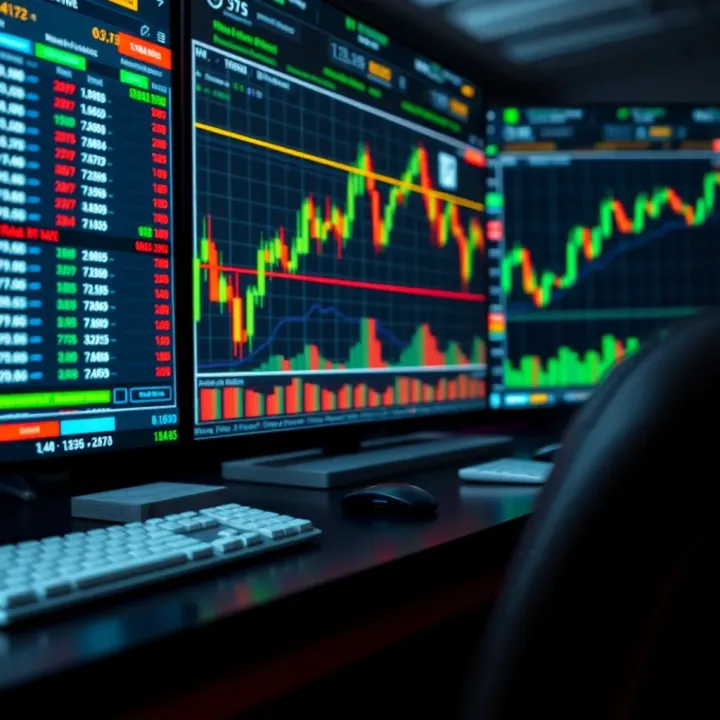
For example, between 8 AM and noon ET, both London and New York markets are open. This overlap typically leads to increased volatility and tighter spreads, which many traders prefer.
Liquidity describes how easily an asset can be bought or sold without affecting its price. High liquidity means trades execute quickly at expected prices, while low liquidity can cause slippage, where execution prices differ unfavorably.
Major currency pairs during their active sessions generally have high liquidity, creating smoother price action. But during off-hours or with exotic pairs, lower liquidity can lead to wider spreads and irregular price swings, which traders must factor into risk management.
Understanding these core aspects of how the forex market works lays a solid foundation for effective trading, helping you make informed decisions tailored to market behavior and timing.
To trade forex effectively, you need to get comfortable with some key terms that traders toss around daily. These concepts aren’t just jargon but form the foundation of how you analyze the market, manage your trades, and control your risk.
A pip is the smallest price move that a currency pair can make, usually the fourth decimal place in most pairs. For example, if EUR/USD moves from 1.1200 to 1.1201, that's a one-pip move. Pips are how traders measure gains and losses, making them crucial for quantifying the impact of market swings.
In practical terms, knowing your pip value informs your risk management. For instance, if you decide a 50-pip move is your stop-loss on a trade, understanding what each pip is worth lets you calculate your potential loss.
Lots define the size of your trade. A standard lot is 100,000 units of the base currency. However, most brokers offer mini (10,000 units) and micro (1,000 units) lots, which are great for smaller accounts. The lot size directly influences your profit or loss because larger lots mean bigger money on each pip’s movement.
Picture this: trading 1 standard lot on EUR/USD with a 10-pip gain means approximately $100 gained (since 1 pip equals $10 in a standard lot). If you shrink that lot to a mini, your $100 gain becomes $10, lowering both your risk and reward.
Leverage is borrowed money from your broker that amplifies your trading position. For example, a leverage of 50:1 means you only need $2,000 to control a $100,000 position. While leverage can magnify profits, it equally multiplies losses, sometimes wiping out your account faster than you'd expect.
Always remember: high leverage is a double-edged sword. Many traders forget that a small adverse move with high leverage can turn manageable losses into major setbacks.
When placing trades, you’re basically telling your broker how and when to buy or sell. Market orders execute immediately at the current price, perfect when you want in or out fast.
Limit orders and stop orders let you set specific prices where you want the trade to execute. A limit order buys below the market or sells above, aiming for better prices. A stop order activates when the market hits a certain point, often used to limit losses or enter trades after a breakout.
For example, say EUR/USD is at 1.1100, and you want to buy only if it dips to 1.1050; you use a limit order. Conversely, to stop losses at 1.1000, you'd set a stop-loss order there.
Execution speed and slippage—the difference between expected and actual trade price—can make a big difference, especially during volatile news events. Slippage can cause your trade to open or close at a worse price than intended, leading to unexpected losses or smaller profits.
Traders looking to avoid slippage should stick to reliable brokers with fast execution and consider trading during high liquidity sessions when prices are less erratic.
Knowing these terms inside and out is non-negotiable. They’re the nuts and bolts of your trading setup that shape both strategy and survival.
By mastering pips, lots, leverage, and order types, you equip yourself to make smarter trades, align risk with your goals, and handle the market’s rapid twists. These building blocks might seem simple, but they shape every decision you make in forex trading.
Choosing the right strategy can make a real difference in forex trading success. Traders often rely on tested approaches to navigate the market’s ups and downs. These strategies provide structure and help manage risk while maximizing opportunities. Below, we break down the most widely used methods: technical analysis, fundamental analysis, and how combining both can give traders an edge.
Using Charts and Indicators
Charts are the backbone of technical analysis. They display price movements over time, allowing traders to spot patterns. Indicators like Moving Averages, Relative Strength Index (RSI), and Bollinger Bands add layers of insight, showing momentum, volatility, and potential trend reversals. For example, a trader using a 50-day moving average might notice when a currency price crosses above this line, signaling a potential buy opportunity.
Trend Following and Momentum Strategies
Trend following means riding the wave of a prevailing direction, whether up or down. Momentum strategies focus on currencies moving strongly in one direction. Both rely on the assumption that markets often continue their current course before reversing. Picture it like catching a bus: once it’s moving, it tends to keep going for some time. However, timing is key—knowing when to jump on or off can be challenging but critical for profits.
Economic Indicators and News Events
Fundamental analysis looks beyond charts, focusing on economic data and news. Reports like the U.S. Nonfarm Payrolls, Federal Reserve decisions, or inflation figures can sway currency values sharply. Traders track calendar events and assess their potential impact. For instance, a stronger-than-expected jobs report might boost the dollar as investors anticipate tighter monetary policy.
How Fundamentals Affect Currency Values
Currencies reflect a country’s economic health. Strong economies tend to have stronger currencies. Factors such as interest rates, political stability, and trade balances influence demand for a currency. For example, if the Federal Reserve raises interest rates, higher returns can attract capital inflows, pushing the dollar higher. Understanding this helps traders anticipate longer-term movements beyond short-term price fluctuations.
Integrating Technical and Fundamental Approaches
Many successful traders don’t stick to just one style. Instead, they blend technical signals with fundamental info. This means they might confirm a buy signal from a chart with upcoming positive economic news or avoid trading during uncertain events. Mixing these approaches can reduce false signals, improve timing, and balance short-term trades with longer-term trends.
Avoiding Common Trading Mistakes
Even solid strategies can falter if traders fall into common traps. Chasing losses, overleveraging, or ignoring risk management often lead to big setbacks. Sticking to a well-planned strategy, using stop losses, and avoiding emotional decisions help keep losses manageable. A trader might lose a few trades but still come out ahead by controlling risk and learning from mistakes.
Bottom line: Understanding and applying appropriate forex trading strategies is key to navigating the market effectively. Each approach offers unique advantages, and blending them can offer a more balanced, informed trading plan.
Managing risks and protecting your capital are at the core of successful forex trading. Without a solid risk management plan, even the smartest strategies can lead to unexpected losses. Forex markets can be volatile, and prices can swing wildly in moments. Traders must prioritize safeguarding their funds to stay afloat during unpredictable market shifts.
Stop losses and take profits are essential tools that help traders manage potential losses and lock in gains automatically. A stop loss sets a maximum loss level for a trade, preventing a small setback from turning into a catastrophic blow. Conversely, a take profit order locks in profits once the price reaches a desirable point without requiring constant monitoring.
For example, if you buy the EUR/USD pair at 1.1000, setting a stop loss at 1.0950 caps your loss at 50 pips. Meanwhile, a take profit at 1.1100 secures a 100-pip gain if the market moves in your favor. This automatic control helps reduce emotional decisions and enforces discipline.
When placing stop losses, consider recent support and resistance levels instead of random distances. A stop set just beyond a recent low or high allows for natural price fluctuations without triggering prematurely. For instance, if USD/JPY has a support level at 109.50, placing a stop loss a few pips below that can provide a safety buffer.
Take profits should balance realistic targets with risk-reward ratios. Many traders aim for at least twice the potential reward compared to the risk taken. So, if your stop loss is 30 pips away, aim for a take profit 60 pips out. Adjust these levels based on market volatility and strategy.
Determining position size relative to your account balance helps control risk. A common rule is to risk no more than 1-2% of your trading capital on a single trade. For a $10,000 account, that means risking $100 to $200 per trade. This approach ensures that even a string of losses won't drain your entire account.
For example, if your stop loss is 50 pips for a EUR/USD trade, calculate how many lots you can trade so that each pip movement equals an acceptable dollar amount, keeping risk within your limit. This method promotes consistent risk exposure tailored to your account.
Diversification means spreading risk across different currency pairs rather than putting all eggs in one basket. Since currencies react to different economic factors, diversifying can reduce the impact of specific events.
For example, if you only trade EUR/USD, a surprise European Central Bank announcement can heavily swing your trades. But if your positions include USD/JPY or GBP/USD, adverse movements in one might be offset by stability or gains in others. That said, overloading your portfolio can complicate management, so aim for a balanced and manageable set of trades.
Protecting your capital isn't just about avoiding losses—it's about staying in the game long enough to make consistent profits. Proper risk management ensures that the occasional bad trade doesn't wipe you out.
Bottom line: Knowing how to set stops and targets, sizing your positions wisely, and diversifying can make a big difference in your forex journey. These techniques aren't just safety nets; they're strategic tools that help maintain steady growth and peace of mind.
Technology has reshaped how forex trading happens, making it faster, more accessible, and more transparent. Today’s platforms provide tools for chart analysis, real-time price updates, and automated trading that were unimaginable a couple of decades ago. Without these advancements, individual traders couldn't compete with banks or big funds. In fact, technology has leveled the field, allowing anyone with a smartphone and internet access to enter the forex market.
Picking a trading platform is more than just finding a pretty interface. You want tools that suit your trading style and provide reliable execution. Look for platforms with customizable charts, multiple indicators, and order types. For example, MetaTrader 4 and 5 remain popular because they let users tailor their setup while supporting automated trading through expert advisors.
Security and regulation can't be overlooked either. Ensure your platform is regulated by a recognized authority like the Commodity Futures Trading Commission (CFTC) or the National Futures Association (NFA). This protects your funds and makes sure the platform follows industry standards. Plus, strong encryption and two-factor authentication should be standard features to guard against hacks.
DuniaAndroid.com goes beyond just platform reviews. It offers up-to-date market analysis and news that can help you stay ahead of currency moves. Leveraging reliable data, the site covers major economic events and flashes alerts that matter, giving traders a practical advantage.
The site also hosts educational tools, from tutorials on reading candlestick patterns to webinars explaining money management. Its community forums let traders share insights and ask questions—an invaluable resource for both rookies and seasoned pros. This mix of education, analysis, and interaction makes DuniaAndroid.com a solid companion for anyone serious about forex trading.
Good technology paired with the right information is your best shot at making sound decisions in the forex market.
💱 Understand forex trading basics, how global currency markets work, risks, benefits & tips for Kenyan investors ready to explore this forex opportunity.📈
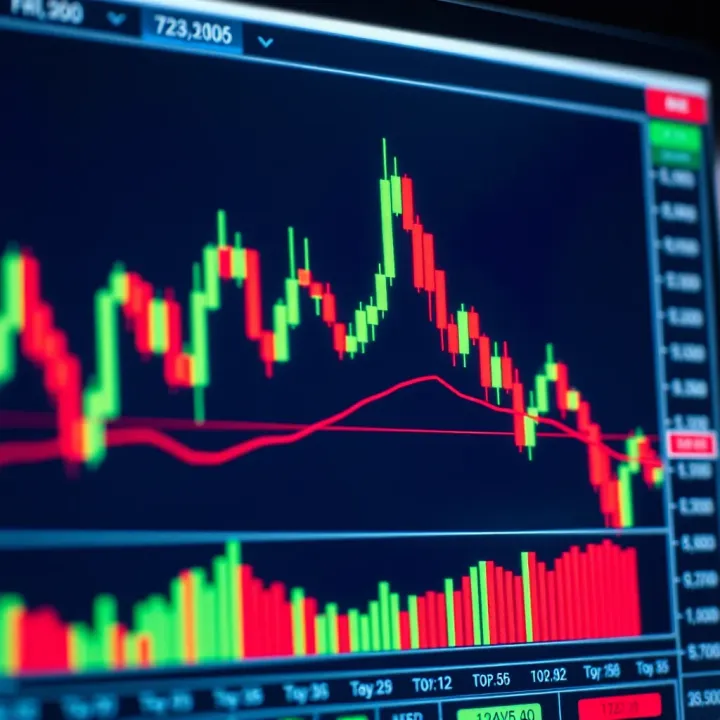
📊 Master forex trading charts to spot price shifts, trends, and opportunities. Learn how chart analysis guides smarter trades and better risk control in forex.
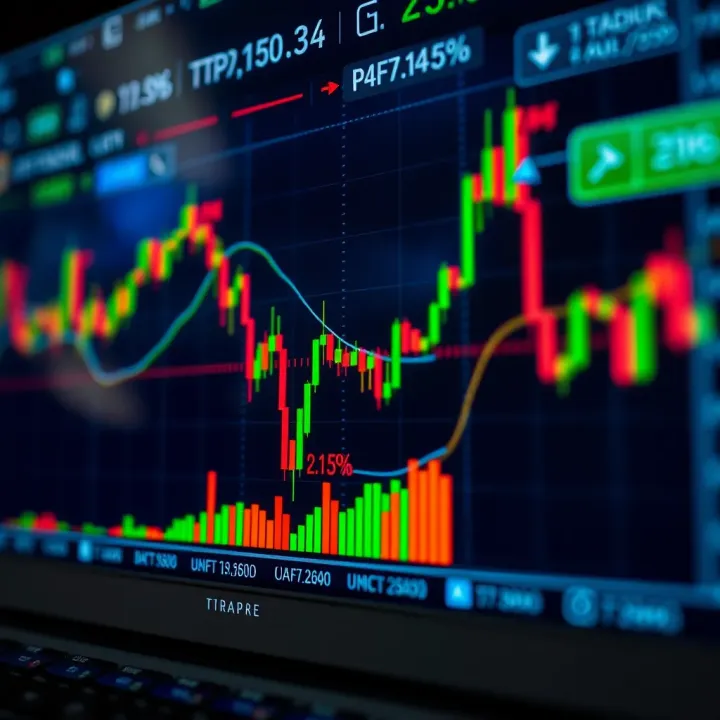
Learn forex trading in Kenya 🇰🇪 with our practical guide covering market basics, strategies, risk management, choosing brokers, and trading tools 📈
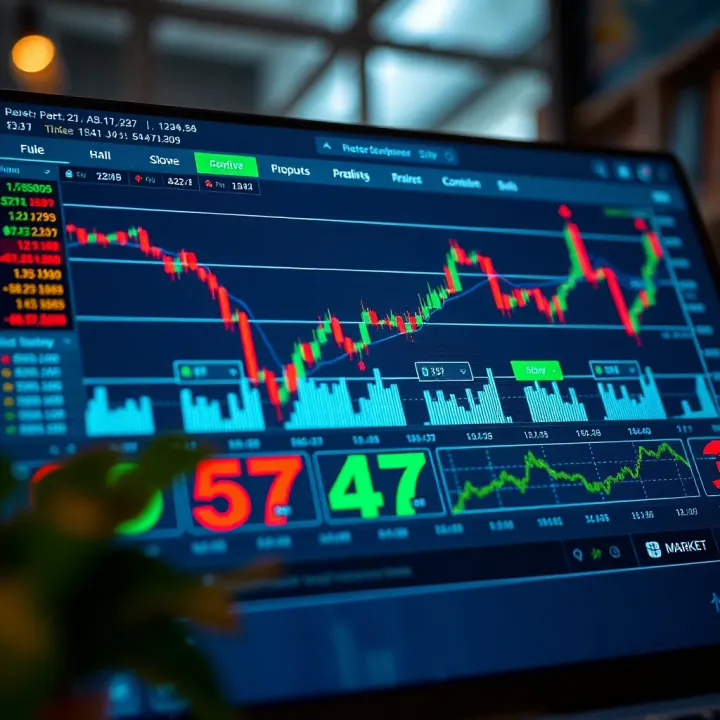
📈 Start Forex trading confidently in Kenya with this straightforward guide. Learn essential terms, manage risks well, and use trusted local platforms effectively.
Based on 11 reviews