
Understanding Forex Trading Robots: A Practical Guide
💹 Discover how forex trading robots execute trades automatically using algorithms. Learn their benefits, risks, and smart tips to integrate them into your forex strategy effectively.
Edited By
Sophie Carter
Getting into forex trading requires more than just a basic understanding of currency pairs and charts. You need solid training that covers the essentials and gives you the tools to navigate the constantly shifting forex market confidently.
Forex trading training is all about learning how to read market signals, develop strategies, and manage risks effectively. Without this foundation, traders often make expensive mistakes fueled by emotions or misinformation.
Training programs come in many forms:
Online courses tailored for different experience levels
Webinars and live sessions offering real-time market insights
Mentorships and coaching providing personalized feedback
Simulated trading platforms where you can practice without risking real money
What sets effective training apart is its focus on practical skills, like reading candlestick patterns, understanding economic indicators, and handling leverage responsibly. For example, grasping how the U.S. nonfarm payrolls report influences the dollar can help you avoid hasty decisions during volatile sessions.
Remember, consistent education combined with disciplined risk management is what separates successful traders from those who jump in blindly.
By exploring clear steps and proven resources, this guide helps you build a strong foundation for forex trading. Whether you're a finance professional expanding your toolkit or an investor looking to diversify, the right training paths can make a big difference. You will learn how to spot opportunities without chasing noise and how to protect your capital in unpredictable markets.
The bottom line: to trade forex with confidence, start with a training approach that blends theory, skill-building, and ongoing practice. This ensures you stay informed and ready to adapt as market conditions change.
Grasping the fundamentals of forex trading is essential before diving into more complex strategies. Without a solid understanding of how the market functions and what influences currency moves, traders are likely to stumble. This foundation sets you up for making informed decisions rather than gambling blindly.
Forex trading involves buying one currency while selling another simultaneously. This exchange happens in pairs, such as EUR/USD or USD/JPY. The goal is to profit from fluctuations in exchange rates. For instance, if you expect the euro to strengthen against the dollar, you buy EUR/USD, hoping the price rises so you can sell it later at a profit.
This market operates 24 hours a day across various global financial centers, allowing traders to respond quickly to news and events.
The forex market focuses heavily on a handful of major currency pairs, which feature the US dollar paired with currencies like the euro (EUR/USD), Japanese yen (USD/JPY), British pound (GBP/USD), and Swiss franc (USD/CHF). These pairs have high liquidity, meaning trades can be executed quickly with tight spreads, making them attractive for beginners and seasoned traders alike.
For example, EUR/USD is the most traded pair, influenced by economic reports from both the US and the Eurozone, so understanding these economies helps predict price moves.
Unlike stock markets with central exchanges, the forex market is decentralized and operates over-the-counter (OTC). This means banks, brokers, and individual traders connect electronically worldwide.
Market forces like supply and demand, geopolitical events, and central bank policies all play roles in setting currency values. Because it never sleeps, forex requires constant attention—foreign news releases can shift prices within minutes, so having a grasp on how this ecosystem works is key for any trader.
Many new traders dive in without proper guidance and quickly lose money due to avoidable mistakes. Formal training offers structured education that steers clear of these common pitfalls.
Training helps traders recognize traps like chasing losses, over-leveraging, or ignoring risk management. For example, inexperienced traders often skip stop-loss orders, leading to outsized losses when the market moves against them.
Coursework introduces core topics such as market mechanics, analysis types (technical and fundamental), and trading psychology. This knowledge base prevents guesswork and fosters a systematic approach.
Think of it like learning to drive: mastering the basics before hitting the highway.
Markets evolve constantly with new regulations, technologies, and economic shifts. Staying updated through ongoing training ensures traders adjust strategies accordingly.
Professional traders often review economic calendars, follow central bank announcements like the Federal Reserve meetings, and analyze market trends regularly. This continuous learning keeps skills sharp and improves decision-making over time.
Understanding forex basics and committing to formal training reduces risk and builds confidence, creating a strong footing to tackle the market effectively.
Understanding the key components of forex trading training is essential for anyone serious about stepping into the currency markets. These core parts — technical analysis, fundamental analysis, and risk management techniques — form the backbone of a trader’s education. Together, they provide practical tools and frameworks to make more informed decisions and navigate the highs and lows of forex trading.
Chart reading skills are the first line of defense for a trader. Mastering the ability to read price charts helps spot trends and possible turning points. For example, recognizing a clear ascending trend line could signal that a currency pair is steadily gaining value, offering a chance to buy before a further rise. This skill isn’t just for spotting movements but also for timing entries and exits, which can make a difference in profitability.
When it comes to understanding indicators and patterns, traders learn to decode various signals like moving averages, Relative Strength Index (RSI), and candlestick formations. These tools help filter noise from genuine market moves. Knowing that a “head and shoulders” pattern often forecasts a reversal or that a simple 50-day moving average crossover might hint at a new trend gives traders an edge in anticipating market behavior.
Using software tools completes the technical toolkit. Modern platforms like MetaTrader 4/5 or TradingView offer user-friendly interfaces with advanced charting and back-testing capabilities. They allow traders to customize indicators, automate alerts, or test strategies on historical data. A practical example: setting up a tool to notify you when the EUR/USD crosses a critical moving average can prevent missing out on trade setups during busy days.
Economic indicators impact how traders interpret broader economic health and currency strength. Reports like the U.S. Non-Farm Payrolls (NFP), Consumer Price Index (CPI), or Gross Domestic Product (GDP) numbers often trigger big moves. For instance, stronger-than-expected payroll growth usually boosts the U.S. dollar because it points to a robust economy.
Central bank policies are another cornerstone. Decisions on interest rates or quantitative easing by the Federal Reserve or the European Central Bank directly influence currency values. A rate hike by the Fed can strengthen the dollar as higher yields attract investors seeking better returns.
Global events have a way of shaking markets, too. Global events and their influence range from trade wars and geopolitical tensions to natural disasters. The 2020 COVID-19 pandemic, for example, led to extreme volatility, with safe-haven currencies like the Swiss franc surging amid uncertainty.
Setting clear guidelines like stop-loss and take-profit levels protects traders from unexpected market swings. If you buy GBP/USD at 1.3000, a stop-loss at 1.2950 limits losses if the market turns against you. Meanwhile, a take-profit at 1.3100 locks in gains once the pair hits your target.
Position sizing is about managing how much you put at risk per trade. Trading 1 lot (100,000 units) might be too much for a small account. Instead, scaling down to micro lots and calculating risk based on account size and volatility helps maintain longevity in the market.
Lastly, psychological discipline is the glue holding it all together. It’s easy to get caught up in emotions like greed or fear, but sticking to your plan and not chasing losses makes the difference between a hobbyist and a professional trader.
Successful forex training isn’t about rushing to make trades but building a balanced skill set that covers analysis, risk, and mindset.
Selecting the right forex training program lays the groundwork for your trading success. Not all courses or coaches offer the same level of value, and picking a program that fits your needs means you can avoid costly missteps. Whether you're focused on mastering technical analysis or learning risk management first-hand, the right guidance shapes your strategy and confidence.
Online courses and webinars offer flexibility and convenience for traders juggling a busy schedule. Platforms like Udemy or Forex School Online provide structured lessons you can take at your own pace. These courses usually include video tutorials, quizzes, and sometimes live Q&A sessions, which helps you absorb complex concepts like chart patterns or leverage management without pressure.
Mentorship and coaching provide a more personalized learning experience. A mentor, often an experienced trader, works directly with you to review trades, offer feedback, and tailor advice to your style. For example, a mentorship from a successful trader on platforms such as Traders4Traders can accelerate your progress by focusing on your unique weaknesses and strengths, plus holding you accountable.
In-person classes bring immediate interaction and the chance to ask questions on the spot. Local financial education centers or trading expos often run workshops that cover fundamentals and live trading simulations. These settings foster networking with peers, which can be invaluable as you get quick insights and emotional support from others navigating similar challenges.
Instructor credentials and experience are key indicators of a program's legitimacy. Look for instructors with a proven track record in live trading, preferably with publicly verifiable results or extensive industry experience. An instructor who’s only taught theory without real market involvement might not offer practical insights that you can rely on in real trading scenarios.
Course content depth matters because forex trading isn’t just charts and numbers; it’s a mix of technical and fundamental knowledge combined with psychology. Programs should cover a broad range of topics — from reading candlestick patterns to understanding how Fed announcements impact currency values. A shallow syllabus risks leaving you unprepared for real market twists.
Reviews and success stories from past students reveal much about a course’s effectiveness. Look for testimonials that describe real improvements and actual trading successes instead of generic praise. Platforms like Trustpilot or forex education forums can offer unfiltered opinions about what to expect. Remember, a course with lots of positive, detailed feedback indicates strong value.
Choosing a forex training program is an investment in your trading future. By focusing on type, quality, and credible feedback, you set yourself up for better understanding and smarter decisions in the market.
The bottom line is picking a forex trading education that fits your goals and learning style, with solid credentials and proven outcomes, will make your training journey more productive and less frustrating.
Practical experience remains the most reliable way to build forex trading competence. Training programs offer the foundation, but without applying those lessons in simulated or live markets, theoretical knowledge falls short. Developing your skills through practice hones decision-making speed, sharpens pattern recognition, and improves risk control — all vital to success in forex trading.
Demo accounts let you test strategies and familiarize yourself with trading platforms without risking real money. To make the most of these, treat the demo environment seriously: set realistic position sizes, follow your trading plan, and keep track of your trades as if your capital were on the line. This approach builds habits that translate to live trading.
Many traders use demo accounts to practice reading price charts, interpreting technical indicators, and timing entry or exit points. For example, setting stop-loss levels and watching how those orders execute during volatile periods can boost confidence before handling actual funds.
Demo trading lacks the emotional pressure of risking your own capital, which significantly changes behavior. Traders often become overconfident or take bigger risks in simulated settings than they would otherwise. Moreover, demo accounts may not perfectly reflect live market conditions like slippage or unexpected spreads, especially during high-impact news events.
This means while demo accounts are invaluable, they can't fully prepare you for the psychological and technical realities of live trading. Recognizing these limits early helps prevent surprises when you transition.
Starting with a small real-money account and progressively increasing your exposure manages the learning curve more safely. For instance, a trader might begin risking only 0.5% of their capital per trade, slowly raising it as confidence and consistency improve.
This method avoids the common pitfall of rushing in with large positions, which can wipe out accounts quickly due to inexperience. It's better to focus on steady skill development, even if profits start small, than to gamble prematurely.
Live trading triggers emotions like fear and greed that don't appear in simulated environments. These feelings can lead to impulsive decisions, such as abandoning a strategy mid-trade or chasing losses.
Effective traders build emotional resilience by sticking to preset plans, taking breaks after losses, and reviewing trades objectively. For example, journaling trades helps identify emotional reactions and patterns, allowing for conscious improvements. This discipline is crucial for long-term success because emotional control is just as important as technical skill.
Developing practical skills through practice balances knowledge and real-world experience, making it the backbone of forex trading success. Simulation builds confidence and technique, while live trading tests emotional strength and risk management.
Access to reliable resources and effective tools is a must for anyone serious about forex trading. They bridge the gap between theory and practice, accelerating your learning curve and improving decision-making. Whether you’re just starting out or looking to sharpen your skills, the right books, guides, software, and platforms can make a world of difference.
Classic and contemporary forex trading books offer a solid foundation and fresh perspectives. Books like Currency Trading for Dummies provide beginners with clear, straightforward explanations of market concepts. More advanced reads, such as Kathy Lien’s Forex Trading Strategies, give insights into real-world tactics and evolving market dynamics. These books are not just for theory; many include practical exercises and case studies that help you apply what you learn.
Industry reports and white papers deliver up-to-date data and analysis that traders can’t afford to miss. For example, reports from the Federal Reserve or the International Monetary Fund spotlight economic trends influencing currency values. White papers from brokerage firms or fintech companies often introduce innovative trading strategies or technology tools. Staying current with these documents helps you anticipate market moves and tailor your strategy accordingly.
Trading platforms are your trading headquarters. Features like real-time quotes, order management, and automated trading capabilities vary widely. MetaTrader 4 and 5, for instance, are popular for their extensive customization and support for expert advisors (automated scripts). On the other hand, platforms like Thinkorswim or Interactive Brokers cater to those who want advanced analytics and broader asset options alongside forex.
Charting and analysis tools are essential for spotting opportunities and timing trades. Platforms usually include built-in charting, but standalone software like TradingView offers a vast library of technical indicators, scriptable strategies, and a community sharing trade ideas. A smart trader doesn’t just look at price—they track volume, momentum, and patterns to build a complete picture. Mastering these tools can help you turn data into better trade entries and exits.
The bottom line is, combining trusted reading materials with powerful software turns learning into actionable skills. Keep your toolkit updated to stay competitive in this fast-paced market.
💹 Discover how forex trading robots execute trades automatically using algorithms. Learn their benefits, risks, and smart tips to integrate them into your forex strategy effectively.
💱 Master forex trading with DuniaAndroid.com! Learn market basics, key terms, effective strategies, risk control, and how technology transforms trading today.
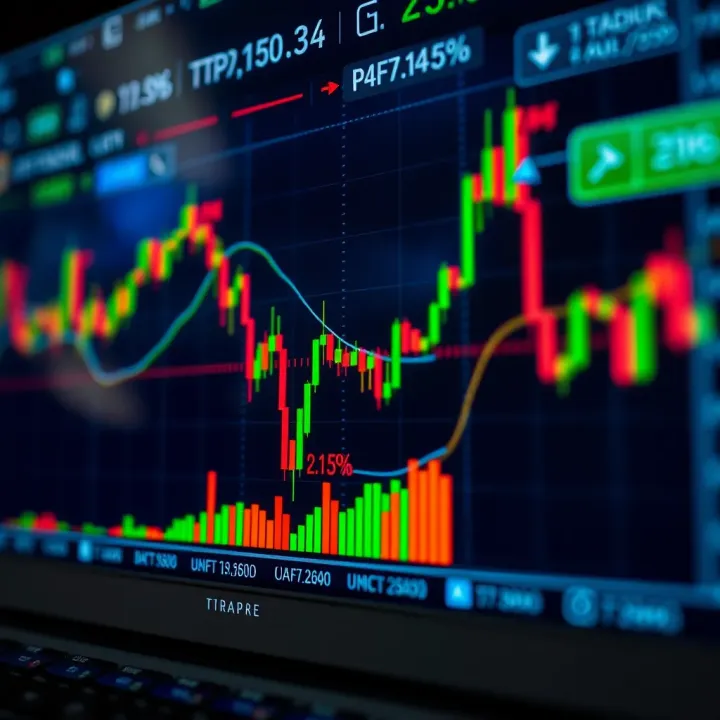
Learn forex trading in Kenya 🇰🇪 with our practical guide covering market basics, strategies, risk management, choosing brokers, and trading tools 📈
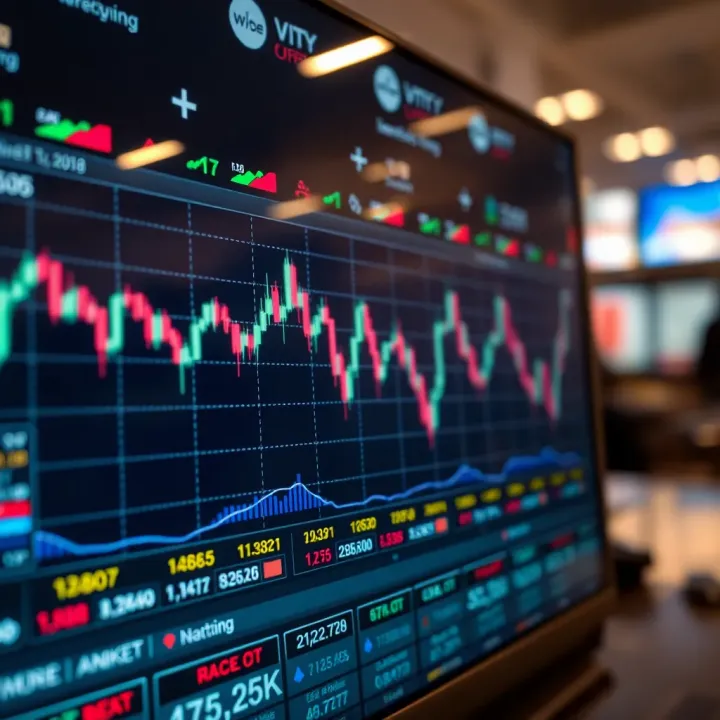
📈 Ready to trade forex? Learn how currency markets work, master key strategies, manage risks smartly, and pick the right platforms in this practical guide.
Based on 14 reviews