
Forex Trading in Kenya: A Practical Guide
🌍 Learn how forex trading works in Kenya, discover local regulations, manage risks, and find trusted platforms for wise trading with tips tailored for Kenyan traders.
Edited By
Liam Foster
Forex trading, or foreign exchange trading, involves buying and selling currencies to profit from changes in exchange rates. Unlike stocks or commodities, forex markets operate 24 hours a day during the workweek, offering unique opportunities—and risks—to traders across the globe.
Understanding how forex markets work is the first step. Currency pairs, such as EUR/USD or USD/JPY, represent two currencies traded against each other. The first currency is the base, and the second is the quote. If EUR/USD trades at 1.1000, it means one euro costs $1.10. Changes in these rates are influenced by economics, politics, interest rates, and market sentiment.
Getting started means mastering several core areas:
Market basics: Know the major, minor, and exotic currency pairs you can trade.
Trading platforms: Choose reliable software like MetaTrader 4, TradingView, or brokers’ proprietary platforms.
Strategy development: Explore techniques like trend following, scalping, and breakout trading to identify entry and exit points.
Risk management: Use stop-loss orders to limit potential losses and never risk more than a small percentage of your capital on one trade.
Forex trading isn’t a guaranteed way to make money—in fact, the majority of beginners lose money. The key is steady learning, practice with demo accounts, and disciplined decision-making.
For example, if you notice the U.S. Federal Reserve hints at raising interest rates, the dollar might strengthen. A trader betting on USD appreciation could enter a long position on USD/JPY. But without proper risk controls, unexpected news could reverse the trend fast.
Bottom line: Forex trading offers flexibility and potential, but it demands solid knowledge and smart actions. This guide will help you grasp essentials, pick effective tools, and build a foundation for informed trading decisions.
Understanding the basics of the forex market is essential for anyone looking to trade currencies effectively. This foundation gives you a clear view of how currency values move, who’s involved, and when trading occurs. With solid knowledge of these basics, you can make more informed decisions and better manage your trades.
Forex trading always involves buying one currency while selling another, which is why currencies are quoted in pairs. For example, if you look at EUR/USD, it represents how many US dollars one Euro can buy. The first currency is called the base currency, and the second is the quote currency. This setup matters because the price you'll see is how much of the quote currency you need to buy one unit of the base currency.
For practical use, this system lets traders speculate on whether one currency will strengthen or weaken compared to another. If you believe the Euro will rise against the dollar, you’d buy EUR/USD. If it drops, you’d sell.
The forex market isn't run by a single entity but by a mix of participants. Big banks and financial institutions handle the largest volume, often moving billions daily for themselves or clients. Central banks intervene sometimes to stabilize or control their currency’s value.
Retail traders like you and me make up a smaller but growing portion. Brokers connect individual traders to the broader market. Corporations trade currencies to manage exposure from international business. Understanding these roles helps you gauge market moves; for instance, when central banks announce policy shifts, volatility tends to spike.
Forex trading happens 24 hours a day through global financial centers cycling across different time zones. The main sessions are the Sydney, Tokyo, London, and New York sessions. London and New York sessions overlap for a few hours, creating the most active and liquid trading windows.
Knowing these trading hours is key. For example, if you trade the EUR/USD pair, London and New York sessions usually provide the best opportunities due to high volume. On the other hand, weekends and holidays see little action, which can lead to wider spreads and risk.
Major currency pairs include the US dollar paired with another strong and widely traded currency, like EUR/USD or GBP/USD. These pairs attract the bulk of trading volume because they involve stable economies and high liquidity.
Minor pairs, sometimes called cross pairs, exclude the US dollar but involve other active currencies like the euro or yen. Examples include EUR/GBP or AUD/JPY. Although these pairs can be less liquid than majors, they still offer plenty of trading opportunities.
The biggest by volume is EUR/USD, often responsible for about 25-30% of all forex trades globally. This means it’s easier to enter and exit trades with tight spreads. Other popular pairs are USD/JPY, GBP/USD, and USD/CHF.
Trading these pairs often means more predictable price action due to their liquidity. Meanwhile, less traded pairs might show bigger price swings and wider spreads, requiring cautious strategies.
Currency prices react to various factors such as economic indicators, central bank policies, geopolitical events, and overall market sentiment. For example, a stronger-than-expected US jobs report can boost the US dollar, pushing EUR/USD lower.
Also, unexpected events like political instability or natural disasters can lead to rapid currency fluctuations. That’s why staying updated with relevant news and understanding these influences helps you avoid surprises and seize opportunities more effectively.
Bottom line: Mastering the forex market's basics empowers you to read price movements better, choose appropriate pairs, and recognize when to trade based on market schedules and key influences.
Choosing the right tools and platforms is key for anyone stepping into forex trading. These elements not only impact how you execute trades but also influence your overall trading performance and risk. Getting familiar with brokers, platforms, and their features upfront saves you headaches down the line.
Regulation is your first filter when picking a broker. Licensed brokers operate under strict rules set by financial authorities such as the U.S. Commodity Futures Trading Commission (CFTC) or the National Futures Association (NFA). These regulations protect your money, ensuring brokers keep client funds in segregated accounts and follow fair trading practices. Unregulated brokers often come with hidden risks, like sudden withdrawal issues or manipulation.
Traders pay for access via spreads—the difference between the buying and selling price—or commissions per trade. Some brokers offer zero commissions but widen spreads, while others charge lower spreads + fixed commissions. It’s important to watch for additional fees like withdrawal charges or inactivity penalties. For example, a broker charging a 1.2 pip spread on EUR/USD might seem better than one with a 1 pip spread plus a $5 commission per lot, depending on your trade size and volume.
Brokers offer various account types, each catering to different experience levels and trading styles. Beginner accounts typically feature lower minimum deposits and limited leverage (often max 1:30 in the U.S.), while professional accounts permit higher leverage and more complex order types. High leverage amplifies both profits and losses; using 50:1, for example, means a $100 move on the currency pair equals $5 gain or loss on a $100 position. Understanding these options allows you to control risk better.
MetaTrader 4 and 5 lead the market with user-friendly interfaces, broad broker compatibility, and extensive custom indicators. Many retail traders prefer them for quick chart analysis and automated trading scripts (Expert Advisors). Meanwhile, cTrader excels at offer advanced order types and direct market access, favored by more experienced traders. Both platforms support mobile apps, so you're not glued to your desktop.
Knowing order types—market, limit, stop, and trailing stop—lets you execute trades on your terms. Market orders fill instantly at current prices, suitable for fast moves. Limit orders let you buy or sell at a specific price or better, which can improve entry costs. Execution speed matters: slow brokers or platforms risk slippage—getting a worse price than expected. Demo accounts are your best bet to practice before risking real cash.
Effective trading leans heavily on quality charting tools. Platforms come with indicators like Moving Averages, RSI (Relative Strength Index), and Bollinger Bands that help spot trends and momentum. The ability to customize charts—like timeframes, overlays, and drawing tools—gives you a clearer picture of market action. For instance, coloring areas when an RSI hits overbought zones helps quickly spot potential reversals, so you can plan entries or exits thoughtfully.
The bottom line is that your broker and platform form the foundation of your trading setup. Get these right, and you’re halfway to having a solid trading routine with better control and confidence.
Creating a solid trading strategy is your blueprint for navigating the forex market with confidence. Without one, trading is like sailing without a compass—you're likely to drift into risky waters without clear direction. A strategy helps you decide when to enter or exit trades, manage risks, and react logically instead of emotionally.
Reading charts and trends is the backbone of technical analysis. Charts reveal how currencies have moved over time and spotting a trend lets you trade with the market’s momentum instead of against it. For example, if EUR/USD is consistently making higher highs and higher lows, that signals an uptrend and possibly a good chance to go long. Recognizing when a trend begins or ends can make a big difference, especially since currencies rarely move in straight lines.
Common technical indicators like moving averages, the Relative Strength Index (RSI), and the MACD (Moving Average Convergence Divergence) help quantify trends and momentum. Take the moving average: it smooths out price movements to highlight the dominant trend. An RSI reading above 70 might warn that the currency is overbought and ready for a pullback, giving you a clue to tighten your stops or consider selling. These tools don’t tell you exactly when to buy or sell but they improve your odds by making market behavior clearer.
Support and resistance levels act as psychological barriers where prices tend to pause or reverse. Imagine USD/JPY repeatedly bouncing off 110.00—that's a support level. Knowing these zones helps you enter trades near lows or exit before prices flip, reducing guesswork. For example, if the price breaks through a resistance level after several attempts, it could signal a strong buying opportunity as the market gains new momentum.
Economic indicators impact currencies by revealing the health of their countries’ economies. Reports like nonfarm payrolls, GDP growth, and inflation data influence how traders value a currency. For instance, if the U.S. jobs report shows stronger-than-expected hiring, the dollar often strengthens because it hints at economic growth and potential interest rate hikes. Paying attention to these indicators lets you anticipate shifts instead of reacting late.
News releases and events such as central bank meetings, trade negotiations, or unexpected crises can cause rapid price moves. A Fed announcement hinting at interest rate changes can send the dollar soaring or sinking within minutes. That’s why many traders avoid holding positions over big news releases or use smaller sizes to manage risk. Understanding which events matter—and why—lets you prepare instead of being blindsided.
Sentiment and geopolitical factors shape the mood of the market. Even if data looks good, tense relations between countries or political instability can scare traders away from a currency. For instance, trade tensions between the U.S. and China often cause pauses or volatility in currency pairs like USD/CNY or emerging market currencies. Tracking mood indicators or news headlines helps you grasp the bigger picture and avoid costly surprises.
Developing a strategy that blends technical tools with fundamental insights improves your ability to make informed trades. It’s not one or the other—combining trends with economic realities lets you spot better opportunities and protect your capital against sudden shifts.
Risk management and trading psychology are indispensable for anyone stepping into forex trading. The market's volatility means potential gains come paired with significant risks. Without a solid grasp on managing your downside and understanding your emotional reactions, even the best strategies can falter. This section covers how to control risks practically and maintain a clear, disciplined mindset.
Setting stop-loss and take-profit levels helps you lock in profits and limit losses automatically. For example, placing a stop-loss 50 pips below your entry on a EUR/USD trade means if the market moves against you, your losses won’t spiral out of control. Take-profit orders work similarly, allowing you to set realistic exit points to secure gains without waiting for the market to turn. These tools prevent the gut-wrenching wait and emotion-driven decisions.
Position sizing strategies determine how much of your capital you expose to risk on each trade, balancing potential reward with acceptable loss. A common approach is risking only 1-2% of your trading account on a single trade, so a $10,000 account risks $100-$200 per position. This prevents a string of bad trades from wiping out your funds. By adjusting position size to your current account balance, you keep risk manageable and trading consistent.
Avoiding over-leverage is key to preserving your capital. Leverage amplifies both gains and losses; using 100:1 leverage might sound tempting but can also lead to swift wipeouts. For beginners, sticking to lower leverage (like 10:1 or 20:1) reduces exposure while allowing you to learn without risking the farm. Think of leverage as a double-edged sword: smart use aids growth, careless use destroys accounts.
Dealing with losses and setbacks calmly keeps you in the game longer. Instead of chasing losses or making impulsive trades to "get even," successful traders step back, review what went wrong, and stick to their plan. For instance, after a string of losses, a trader might decide to take a break rather than double down recklessly.
Common psychological pitfalls include fear, greed, and overtrading. Fear can stop you from pulling the trigger on good trades, while greed pushes you to hold winning trades too long or increase size recklessly. Overtrading often happens when boredom or frustration takes over. Recognizing these urges and having a clear plan combats these traps effectively.
Building a consistent trading routine strengthens your discipline. This could mean setting fixed hours to review markets, logging trades meticulously, and conducting weekly performance reviews. Consistency turns trading from gambling into a professional pursuit. For example, keeping a trading journal helps identify patterns and improve decision-making over time.
Successful forex trading isn't just about charts and indicators; managing your risk and emotions often determines whether you profit or lose.
By mastering these risk management tactics and psychological skills, you position yourself for steady progress and resilience in the forex market.
Getting started in forex trading can feel like stepping into a fast-moving stream. Practical steps for beginners help you find your footing before diving into real trades, reducing costly mistakes and building confidence. This hands-on approach bridges theory and real-world trading by allowing you to practice and adjust strategies in safe conditions.
How to simulate real trading: Demo accounts replicate the live forex market by providing virtual funds with real-time price data. This setup lets you place trades, watch market reactions, and understand order execution without risking your own money. For instance, you can try buying EUR/USD and see how spreads and slippage affect your returns, just as in live trading.
Testing strategies risk-free: Using a demo account, you can trial different trading strategies—whether it’s scalping, swing trading, or trend following—without financial pressure. This hands-on testing reveals which tactics fit your style while highlighting flaws before you trade with actual funds. It’s like a rehearsal where mistakes can be corrected before the real performance.
Evaluating performance and progress: Keeping a trading journal within your demo account is crucial. Track every trade’s entry, exit, and outcome to identify patterns in your decisions and results. For example, you may notice a tendency to overtrade or hold losing positions too long. Spotting such habits early helps you improve your trading discipline and adjust your strategy accordingly.
Starting with small capital: When you move from demo to live trading, it’s smart to begin with a small amount—say $100 to $500. This limits your exposure while you acclimate to the emotional swings of real money on the line. Even small losses can sting, but starting small helps you build experience without a major hit, easing into live market conditions gradually.
Managing expectations: Live trading won’t be a straight path to profits. Expect ups and downs as part of the process. For example, your first few trades might lose money even if you executed them well in demo mode. Understanding that losses are part of learning keeps your mindset steady and prevents panic decisions.
Continuing education and improvement: Forex markets evolve, and staying updated is key. Regularly read market news, follow economic indicators, and refine your technical skills. Many traders join communities, watch tutorials, or use platforms like BabyPips for fresh insights. The goal is constant learning—not believing you’ve “figured it all out.” This attitude separates successful traders from those who quit early.
Bottom line: Practical practice isn’t just preparation—it’s the foundation for your forex success. Starting smart with demo accounts lets you find your rhythm, while cautious entry into live trading protects your capital and mindset. Keep learning, and your odds improve significantly.
🌍 Learn how forex trading works in Kenya, discover local regulations, manage risks, and find trusted platforms for wise trading with tips tailored for Kenyan traders.
📈 Start forex trading with practical tips for Kenyan beginners! Learn to pick trusted brokers, manage risk, set up accounts, and trade confidently with local insights.
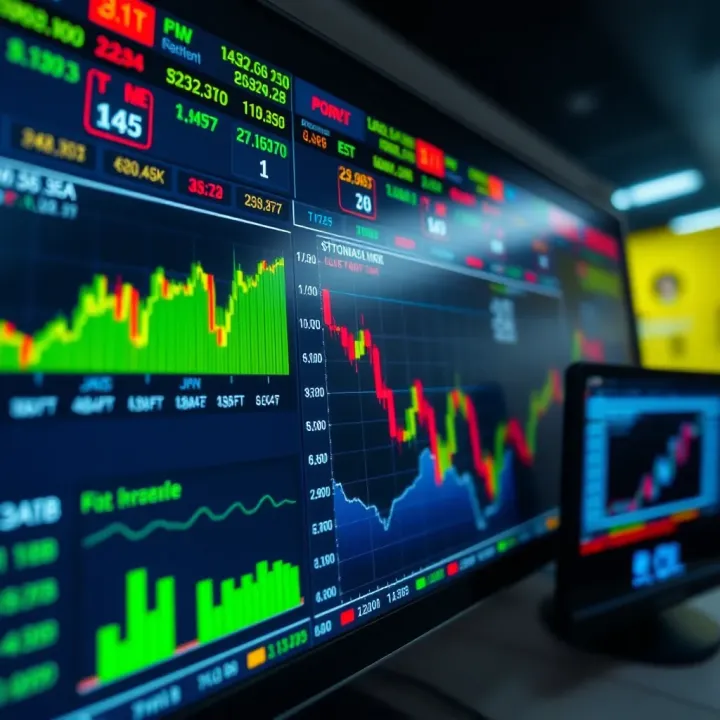
📈 Learn how to start online forex trading in Kenya with tips on choosing brokers, managing risks, and legal rules. Trade smart with this practical guide! 🇰🇪
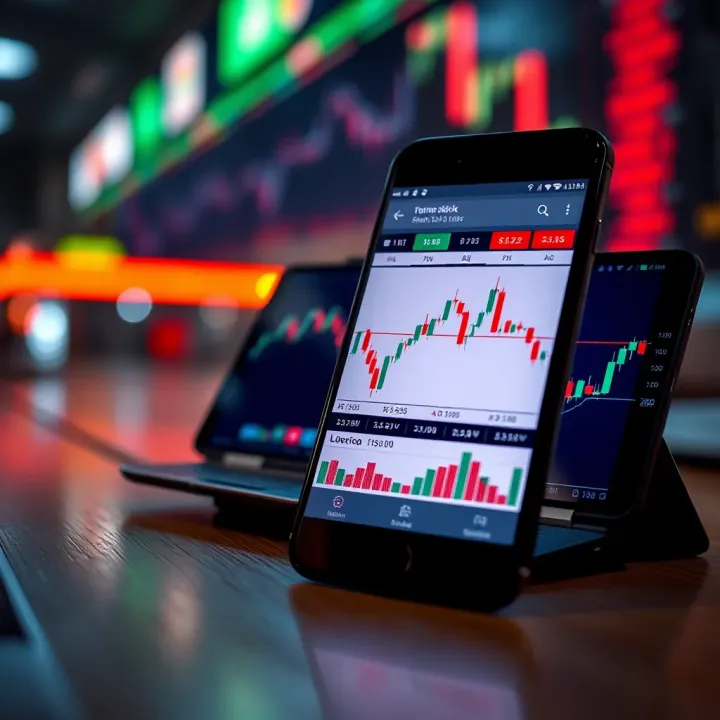
Explore top forex trading apps in Kenya 📱. Learn their features, security tips, and how to pick the right tools for smarter market moves 📊💼.
Based on 6 reviews