

Forex Trading Guide for Kenyan Beginners Using PDFs
Start your Forex trading journey with easy-to-follow PDFs! Learn strategies, market basics, and risk tips tailored for Kenyan beginners 📊💼📈
Edited By
Matthew Phelps
Starting forex trading can seem daunting, but understanding the basics is a solid first step. Forex, or foreign exchange, involves trading currencies from around the world. It’s the largest financial market globally, operating 24 hours a day, which makes it attractive to many Kenyan traders looking for flexible opportunities.
The forex market works by buying one currency while selling another. For instance, if you expect the US dollar to strengthen against the Kenyan shilling, you might buy USD/KES. If the dollar rises as predicted, you can sell back at a profit. The key is grasping how currency pairs function and what influences their movements.

Choosing the right broker is critical. Many brokers offer services online, but not all are trustworthy or regulated. For Kenyan traders, it’s best to pick brokers licensed by bodies like the Capital Markets Authority (CMA) Kenya or other reputable international regulators. This helps protect your funds and ensures fair trading conditions.
Setting up a trading account usually involves verification of your identity and deposit of funds, often through popular local methods such as M-Pesa. Always start with a demo account if offered. It lets you practise trading without risking real money, helping you understand the platform and test strategies before going live.
Risk management cannot be overlooked. The forex market moves fast and can amplify losses quickly. You should use tools like stop-loss orders, which automatically close trades at set loss limits to protect your capital. Also, avoid trading money you cannot afford to lose — this cannot be stressed enough.
Forex trading is not a sprint but a marathon. Building skills, managing risks, and starting small are your best bets for long-term success.
To build confidence and competence, take advantage of the educational resources many brokers provide. Webinars, tutorials, and market analysis tailored for Kenyan traders make learning practical and relevant. Constantly update your knowledge because market conditions and economic indicators can change rapidly.
In short, starting forex trading begins with understanding the market basics, selecting a responsible broker, practising on demo accounts, and managing your risk carefully. This approach prepares you to trade more effectively and with confidence in the Kenyan trading environment.
Before you start trading forex, it helps to understand what you’re getting into. Knowing the basics gives you a clearer picture of how the foreign exchange market works, and why certain events affect currency prices. For a beginner in Kenya, this knowledge is essential to make smarter decisions and manage risks properly.
Forex trading involves exchanging one currency for another. For instance, you might buy euros with Kenyan shillings hoping the euro’s value will rise against the shilling. Unlike swapping money for travel, forex trading aims to profit from differences in currency values. This market is the largest financial market worldwide, running 24 hours a day because different countries trade currencies across time zones.
The forex market is decentralized, meaning there’s no single physical exchange like the Nairobi Securities Exchange. Instead, global banks, brokers, and traders interact electronically. For example, traders in Nairobi can trade forex as easily as those in London or Tokyo through online platforms offered by brokers. This nonstop operation allows you to react to news like changes in US interest rates or political events in Europe, which impact currency values instantly.
Forex trading differs from investing in stocks or bonds because it focuses on currency pairs and uses leverage to increase potential gains—and risks. Unlike buying shares of Safaricom on the NSE, forex traders speculate on whether one currency will strengthen or weaken against another. The forex market also tends to be more volatile, meaning prices can move quickly, so traders often look for short-term opportunities.
Currencies are always traded in pairs, like USD/KES (US dollar vs Kenyan shilling). The first currency is called the base currency, and the second is the quote currency. If the USD/KES rate is 110, that means one US dollar costs 110 Kenyan shillings. This pair-based system shows relative value and makes clear what you’re buying and selling.
A pip stands for "percentage in point" and is the smallest price move a currency pair can make, usually the fourth decimal place. For example, if USD/KES moves from 110.0000 to 110.0001, that’s one pip. A lot represents the trade size; standard lots are 100,000 units of the base currency, but many brokers offer mini or micro lots suitable for beginners. Leverage lets you control a large position with a small deposit, like using KS0,000 to trade KS00,000. While leverage can boost profits, it also magnifies losses, so using it carefully is key.
The bid price is what buyers offer for a currency; the ask price is what sellers want. The difference between them is the spread, which is how brokers usually make money. For example, if USD/KES has a bid of 109.95 and an ask of 110.00, the spread is 0.05 Kenyan shillings. Narrow spreads reduce trading costs, which matters especially when making many trades.
Understanding these basics helps you trade with confidence and avoid unnecessary mistakes. Remember, every term and concept connects directly to your ability to read the market and manage your trades effectively.
Selecting the right forex broker is a critical step for any trader in Kenya. A reliable broker not only ensures your funds are safe but also provides a smooth trading experience, access to necessary tools, and fair execution of trades. When starting out, it's tempting to jump in with any available platform, but the consequences of a poor choice can be costly, both financially and in terms of learning.
In Kenya, trustworthy forex brokers should be regulated by reputable authorities. Many local traders deal with brokers licensed by internationally recognised bodies like the Financial Conduct Authority (FCA) in the UK, the Cyprus Securities and Exchange Commission (CySEC), or the Australian Securities and Investments Commission (ASIC). Although Kenya does not yet have a dedicated forex regulator, brokers operating within the country should hold licences from these credible regulators or be registered with the Capital Markets Authority (CMA) Kenya. Regulation means the broker adheres to certain standards of financial transparency and customer protection, reducing risks of fraud or unfair practices.

For example, a broker regulated by FCA must keep client funds in segregated accounts and undergo regular audits. This provides Kenyan traders with some safety nets, especially when trading with significant amounts.
A broker's reputation is just as important as its regulatory status. Before committing funds, check user reviews on trusted platforms, forums like Trade2Win, or local Kenyan trading communities. You want to find brokers with solid track records for prompt order execution, transparent fees, and efficient customer support.
For instance, if you notice multiple traders complaining about withdrawal delays or hidden charges, it’s a red flag. Conversely, brokers like HotForex and FXTM have built positive reputations in Kenya through reliable services and well-managed client accounts.
The trading platform is your window to the forex market, so it needs to be intuitive and reliable. Popular platforms like MetaTrader 4 (MT4) and MetaTrader 5 (MT5) are widely accepted and user-friendly, offering useful tools such as charting, technical indicators, and automated trading capabilities.
A Kenyan trader should also consider mobile compatibility since many rely on smartphones to trade on the go. Platforms that run smoothly on Android and iOS, with fast execution speeds, give you a clear advantage.
Different brokers offer varying numbers of currency pairs and other asset classes. For a beginner in Kenya, focus on brokers providing major pairs like USD/KES, EUR/USD, GBP/USD, and also some minor pairs or commodities if you want to diversify.
Having multiple trading options allows you to spot more opportunities and balance your trading portfolio according to your risk appetite.
Easy and affordable deposit and withdrawal options tailored for Kenyan traders make a significant difference. Brokers that support M-Pesa, bank transfers, and mobile money platforms reduce friction when funding your account or cashing out profits.
M-Pesa is especially convenient because it’s widely used across Kenya and offers fast transactions. For example, Pepperstone and AvaTrade allow deposits via M-Pesa, which has made trading more accessible for Kenyan individuals.
Lastly, consider the minimum deposit amounts and any fees attached to these transactions, as they affect your trading budget.
Always take time to vet your broker. Your choice sets the tone for your forex trading experience and can influence your success or failure in the market.
Choosing a broker is about safety, convenience, and enabling effective trading — considerations every Kenyan trader should weigh carefully before starting.
Before you start trading forex, setting up your trading account is a key step. This process connects you with a broker's platform where all your trades will happen. Getting it right means smoother trading and easier access to your funds. From selecting the right account type to understanding how to fund it locally, this step lays the foundation for your trading journey.
Every reliable broker requires you to complete a Know Your Customer (KYC) process. It is a regulation designed to prevent fraud and ensures you are who you say you are. Usually, brokers ask for a copy of your national ID or passport, proof of address like a recent utility bill or bank statement, and sometimes a selfie to verify your identity. The process might feel a bit tedious, but it safeguards your account and keeps your money safe.
In Kenya, online brokers often accept scanned copies, so you don’t have to visit an office physically. Expect the verification to take anywhere from a few hours to a couple of days depending on the broker’s efficiency. Brokers regulated by authorities such as the Capital Markets Authority (CMA) tend to have more secure and straightforward KYC systems.
Brokers typically offer several account types to match different trader experience levels and investment sizes. For beginners, a micro or mini account is usually the best starting point because they require lower minimum deposits and allow trading smaller lot sizes. This means you don’t risk too much while learning.
If you’re a bit more confident or plan to trade larger amounts, a standard account might suit you better. Some brokers also offer Islamic accounts for those observing Sharia law, which have no overnight interest charges. Always review the spreads, commissions, and leverage options attached to each account type before deciding. For example, an account with tighter spreads might cost less per trade but could require a higher minimum deposit.
In Kenya, funding your forex trading account is often hassle-free thanks to M-Pesa mobile payments and bank transfers. Many brokers now accept M-Pesa, which is handy since it’s widely available across the country. Depositing through M-Pesa is usually instant or takes just a few minutes. It’s also more secure than sending cash or cheques.
Bank transfers are another option, especially if dealing with larger amounts. These take longer, often one to three business days, depending on the bank. Choose the method that fits your trading style—if you want to jump into the market quickly, M-Pesa is the way to go.
Minimum deposits vary between brokers and account types. As a beginner, it’s smart to start with an amount you are comfortable losing while learning — maybe KSh 5,000 to KSh 10,000. Some brokers accept even lower amounts for micro accounts.
Remember, a low minimum deposit lets you practise without stretching your budget, but if it’s too low, you might not get favourable trading conditions like competitive spreads. On the other hand, higher deposits often unlock better features but increase your financial exposure. Be realistic about what you can afford, and don’t rush to top up your account without a clear plan.
Setting up your forex trading account is more than a formality. It's the first step that aligns your resources and trading objectives to the platform and procedures you will interact with constantly. Take your time to understand each step properly.
Getting to grips with basic strategies and trading tools is non-negotiable when starting out in forex trading. Many new traders rush in without understanding the mechanics behind price movements or how to use trading platforms effectively. This section breaks down fundamental and technical analysis, plus beginner-friendly strategies that offer a real chance to succeed.
Understanding economic indicators affecting currencies is key to making informed decisions in forex. Indicators such as interest rates, inflation data, and employment figures can move currency prices significantly. For example, if the Central Bank of Kenya raises interest rates, the Kenyan shilling might strengthen because higher rates attract foreign investors seeking better returns. Keeping an eye on the economic calendar for updates from major economies like the US, Eurozone, and China also helps predict currency movements more reliably.
Using charts and technical indicators helps traders spot trends and entry or exit points by analysing past price data visually. Popular tools include moving averages, which smooth out price fluctuations to reveal the general direction; and the Relative Strength Index (RSI), which signals whether a currency is overbought or oversold. Suppose the USD/KES pair has been steadily climbing above its 50-day moving average—this could indicate an upward trend worthy of consideration for buying positions.
Trend-following and range trading explained are practical approaches for beginners to understand market behaviour. Trend-following means entering trades that align with the prevailing price direction, riding the wave as it grows. In contrast, range trading focuses on price bouncing between support and resistance levels without clear direction—for example, buying USD/KES near KS06 and selling near KS08 repeatedly. Both strategies require discipline but can help limit heavy losses if applied carefully.
Demo accounts for practice provide a risk-free environment where new traders can test strategies and get familiar with platforms before committing real money. Most brokers offer free demo accounts with virtual funds, allowing you to experiment with different orders and see how market changes affect trades. Spending time here builds confidence and helps avoid costly mistakes when you switch to live accounts.
Starting with the right strategies and tools lays a solid foundation, making your trading journey less like guesswork and more about informed moves.
In summary, learning how to analyse the market through fundamental and technical lenses, alongside practising with demo accounts and beginner strategies, greatly improves your chances in forex trading across the Kenyan market. Stick to these basics before exploring more complex methods.
Risk management is a critical part of forex trading, especially for beginners. It helps you protect your capital when the market moves against you, which is a common occurrence given the currency market’s volatility. Without managing risk properly, even a few bad trades can lead to hefty losses, wiping out your account quickly. Kenyan traders often face the temptation to jump into trades without restraint, but understanding how to control risks and avoid typical mistakes can make a big difference in maintaining a steady trading journey.
Stop-loss and take-profit orders are essential tools every trader should use. A stop-loss order tells your trading platform to automatically close a trade once it hits a predefined loss level, limiting the money you lose on that transaction. For example, if you buy the USD/KES pair at KS10 and set a stop-loss at KS09, your position closes if the price falls to KS09, preventing further loss. Take-profit orders work similarly but on profits—they close your trade automatically once a target profit level is reached. This helps lock in gains without delay, preventing you from losing profits if the market reverses unexpectedly.
Position sizing and leverage are closely linked and can drastically affect your risk. Position sizing means deciding how much of your trading capital to put on a single trade. Never risk more than a small percentage of your account on one trade; many professionals suggest 1 to 2 per cent. Too large a position can lead to fast losses that are tough to recover from. Leverage lets you control a bigger position with a smaller deposit, but it amplifies both gains and losses. A high leverage—say 1:100—may sound attractive, but it can drain your account rapidly if the market goes the wrong way. Kenyan traders should start with low leverage or avoid it altogether until they fully grasp its risks.
Overtrading and emotional decisions are traps that beginners often fall into. Trading too frequently, especially without a clear strategy, burns out capital while increasing stress. Emotions like fear and greed may cause you to open or close trades too quickly or hold on to losing positions hoping for a turnaround. For instance, a trader who experiences a loss might try to recover it immediately by placing rash trades, which usually leads to more losses. Sticking to a plan and keeping emotions in check safeguards your capital.
Neglecting research and education is another pitfall. Forex markets react to many factors including economic announcements, political events, and global trends. Without proper research, you are essentially gambling. Kenyan traders should take advantage of local courses, trading forums, webinars, and demo accounts to build knowledge. Continuous learning and reviewing your past trades help you understand what works and what doesn’t, improving your skills over time.
Managing risks is not just about preventing losses but also about preserving the ability to keep trading and learning. Applying these tools and avoiding common errors will serve you well on your forex trading path.
By handling risk wisely and avoiding these pitfalls, you create a stronger foundation for sustainable trading success.
Growing as a forex trader requires more than just understanding charts and data; it demands continuous learning and support from the right resources and community. These tools offer fresh perspectives, practical techniques, and a chance to connect with others facing similar challenges, especially for traders in Kenya who can benefit from locally relevant insights and networks.
Online courses and webinars provide structured learning tailored to different experience levels. Many platforms offer free and paid options focusing on forex fundamentals, technical analysis, and risk management. For instance, Kenyan traders often find value in courses that touch on local market conditions or regulatory issues, helping bridge the gap between theoretical knowledge and real-world application. Webinars also allow direct interaction with experts, offering a space to ask questions and clarify doubts in real time.
Local resources play a key role in making trading relatable and accessible. Kenyan forex trading forums and groups on social media platforms like Facebook or LinkedIn create communities where traders share tips, analyse current trends, and even discuss the impact of Kenya's economic events on currency pairs. Participation in these forums gives beginners a chance to learn from experienced traders’ successes and mistakes, all within a context that understands Kenyan specificities.
Keeping a trading journal is a practical habit that helps traders track their decisions, strategies, and outcomes. Writing down the reasons behind entering or exiting trades forces you to be more mindful and disciplined. Over time, this log serves as personal data to identify patterns, recurring mistakes, or successful approaches. Kenyan traders using journals can also contextualise their entries, noting how local economic news, Kenya Revenue Authority (KRA) announcements, or regional political events influenced the market.
Reviewing trades systematically is essential for growth. This process involves going back over your journal or trading platform and analysing what worked and what did not. It is common to discover simple issues like ignoring stop-loss orders or overleveraging positions. Regular reviews help refine strategies and improve emotional control. Having a mentor or participating in a trading group can add value here by offering feedback and encouraging objective self-assessment.
Staying connected with educational materials and a community builds both knowledge and confidence. It anchors your trading practice in continuous learning, which is vital to becoming a successful forex trader in the long run.
Start your Forex trading journey with easy-to-follow PDFs! Learn strategies, market basics, and risk tips tailored for Kenyan beginners 📊💼📈
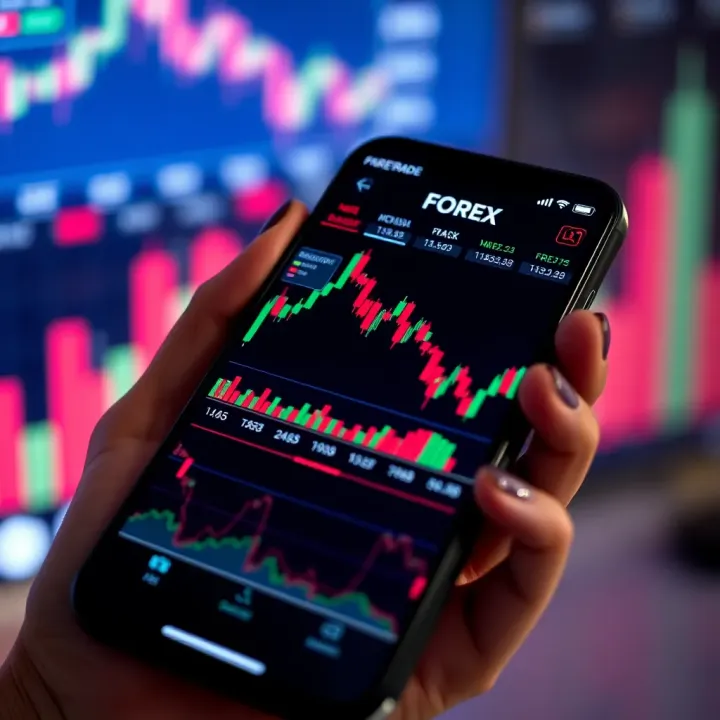
Start your forex trading journey with the right app in Kenya 🇰🇪. Learn key features, risks, and tips to trade safely and confidently in the forex market 📈💡.
Learn forex trading in Kenya 🇰🇪 with our practical guide covering market basics, strategies, risk management, choosing brokers, and trading tools 📈

📈 Explore top Forex trading classes in Kenya! Learn essential skills, find the right course, and gain confidence before you trade. Start smart today!
Based on 12 reviews