

Understanding Binary Multiplication Basics
🔢 Dive into binary multiplication basics, techniques, and how it powers digital computing, programming, and electronics in real-world applications.
Edited By
Henry Lawson
Gold pricing in the UK, especially for a 1 kilogram (kg) bar, is influenced by several key factors that anyone dealing in gold should understand. Unlike typical commodities, gold prices do not simply reflect supply and demand at a local level; they also follow global market trends and currency movements.

The current price for 1kg of gold heavily depends on the global spot price, which is quoted in US dollars per troy ounce. Since one kilogram equals roughly 32.15 troy ounces, you multiply the spot price by this number to get the base value in USD. However, since transactions in the UK use British pounds (£), the USD/GBP exchange rate plays a huge role. When the pound weakens against the dollar, gold in pounds becomes more expensive, and vice versa.
Market Demand: Investment demand spikes during economic uncertainty or inflation fears, pushing prices up.
Central Banks: Actions by the Bank of England or global central banks, like buying or selling gold reserves, affect prices.
Production Costs: Mining expenses and output changes can create shifts, even if small in the larger scheme.
For example, during periods of geopolitical tension, investors tend to seek safe-haven assets like gold, driving demand and prices higher. On the other hand, rising interest rates can lead to lower gold prices as bonds become more attractive.
The bottom line is that gold isn’t just about how shiny or rare it is. Its price in the UK reflects a complex mix of currency moves, global events, and investor sentiment.
Buyers should remember that the price you pay usually includes a premium over the spot price. This covers refining, dealer markup, and VAT where applicable. Premiums vary across sellers—online dealers like Kitco or BullionVault may offer different rates than physical stores or auctions.
Keep an eye on the USD/GBP exchange rate alongside the international gold spot price when tracking how gold prices might shift in pounds. Using financial news platforms like Bloomberg or Reuters can provide timely updates.
Understanding these basics sets you up to navigate the gold market more confidently, whether buying, selling, or monitoring your investments.
Understanding how the price of 1 kilogram of gold is set in the UK is crucial for anyone involved in trading or investing in gold. The price you pay isn't arbitrary; it's influenced by a few main factors that reflect global conditions and local currency movements. Knowing these lets you make smarter buying or selling decisions and better predict when to act.
The gold spot price is essentially the current market price at which gold is bought or sold for immediate delivery. It's quoted in US dollars per troy ounce globally. This price is determined by active trading on commodity exchanges such as the New York Mercantile Exchange (NYMEX) and the London Bullion Market Association (LBMA). To put it simply, the spot price reflects global supply and demand at any given moment.
For example, if geopolitical tensions rise or stock markets stumble, investors often flock to gold, pushing the spot price up. Conversely, when the economy looks strong, gold demand might drop, lowering its spot price. Understanding this dynamic helps UK buyers gauge whether gold prices are likely to move up or down soon.
Even though the spot price is quoted in US dollars, it serves as the baseline for gold pricing worldwide, including the UK. Dealers in the UK typically start with the spot price and adjust it based on local factors like taxes, import duties, and margins.
For instance, say the spot price is $60,000 per kilogram. To find the UK price, you'd also consider the current GBP/USD exchange rate. If the pound weakens, the local price might rise even if the spot price stays flat. So, the spot price is a vital anchor but not the whole story.
Since gold's global spot price is in US dollars, the exchange rate between the British pound and the dollar directly impacts the UK price for physical gold. If the pound falls against the dollar, it costs more pounds to buy the same amount of gold priced in dollars.
Imagine the GBP/USD rate drops from 1.30 to 1.20. If gold's spot price remains $60,000 per kilogram, it suddenly costs more in pounds to buy that same kilo. Investors and traders watch this exchange rate closely because it can create short-term price swings in the UK market.
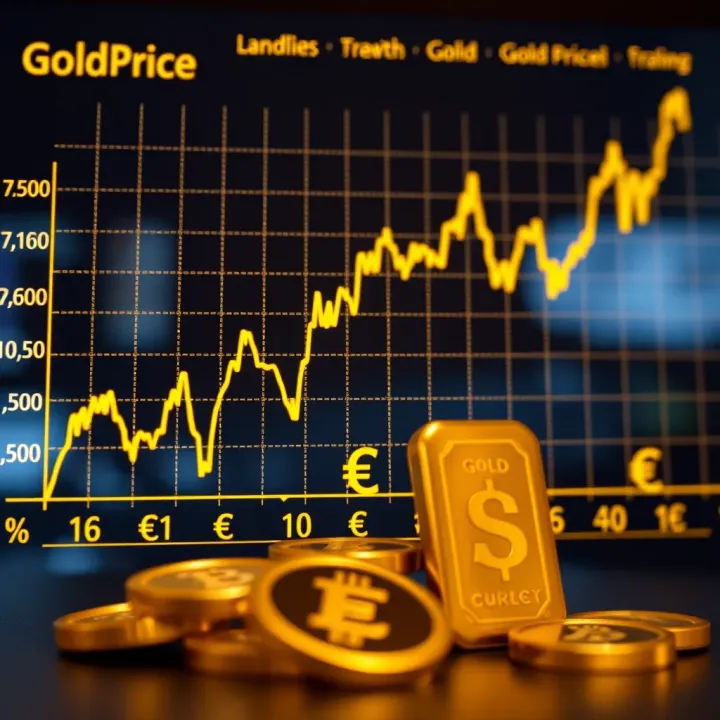
Fluctuations in currency rates don't just affect the local cost—they also impact gold's appeal as an investment. When the pound is weak, UK investors might find gold a more attractive hedge against currency depreciation, pushing demand (and prices) higher. On the other hand, if the pound strengthens, gold becomes relatively more expensive in dollar terms, potentially cooling demand.
In short, the spot price sets the gold price’s global tone, but currency exchange rates fine-tune it for the UK. Staying aware of both helps you time purchases or sales more effectively.
Understanding these factors means you won't be caught off guard by price moves that seem unrelated to actual gold scarcity but are driven by currency swings or global market trends.
Gold prices, including the cost of 1kg gold in the UK, don't move randomly. They reflect a mix of economic realities and market behaviors. Understanding these key factors will help you anticipate price swings and make sharper investment decisions.
Inflation and interest rates play a major role in shaping gold's price. When inflation spikes, the value of money weakens, so investors flock to gold as a store of value. For example, during periods when the U.S. Federal Reserve raises interest rates to control inflation, the cost of borrowing increases, boosting the dollar’s strength and often suppressing gold prices. Conversely, lower interest rates usually make gold more attractive since it doesn't pay interest on its own, making it a relatively better option.
Political uncertainty and market stability also push gold prices around. Times of geopolitical tension, such as trade disputes or elections with unclear outcomes, drive investors into safer assets like gold. For instance, during the 2016 Brexit referendum, gold prices in the UK saw an uptick as market nerves pushed investors away from stocks. A shaky political landscape typically means more demand for gold as a hedge.
Mining output and known gold reserves directly impact the supply side. Gold mining isn't something that can be ramped up quickly; it requires years of investment and permitting. When major producers like South Africa or Russia experience disruptions—say from labor strikes or regulatory changes—it tightens supply globally and nudges prices upward. On the other hand, large discoveries or improved extraction technologies may slightly ease supply pressures.
Demand isn't just about investors snapping up gold bars. Jewelry consumption, especially in countries like India and China, remains a significant chunk of total demand. Fluctuations in consumer preference and cultural buying seasons, such as weddings and festivals, influence this. Investment demand spikes in times of economic uncertainty, like stock market dips or currency volatility, pushing prices higher as more buyers seek gold for security.
The bottom line is that gold’s price reacts to a complex dance between how much is available and how much people want—whether to safeguard wealth or celebrate special occasions.
Keeping an eye on these forces gives traders and investors sharper insight into the often unpredictable gold market, especially when dealing with bulk purchases like 1kg bars or coins in the UK market.
Buying 1 kilogram of gold in the UK is a serious investment, not just a simple transaction. Buyers must consider where to purchase, the costs beyond the gold's spot price, and the authenticity of what they're getting. These factors directly impact the value of their purchase and the ease of future resale.
Reputable dealers and bullion markets offer the most straightforward and reliable way to buy 1kg gold bars or coins. Established dealers such as the Royal Mint, APMEX, or BullionVault provide certified products with transparent pricing. These dealers maintain strong relationships with the market, so buyers can often negotiate or take advantage of daily price updates. For example, buying from a dealer who shows a live gold price chart ensures you aren’t overpaying for the 1kg bar.
Physical bullion markets located in cities like London also provide access to direct gold purchases. Here, buyers can inspect the gold physically, which adds confidence and security. The downside is these markets might charge premiums or require minimum purchase sizes, but the trade-off is authenticity and liquidity.
Online platforms and auctions represent growing alternatives where buyers can access a wider selection and competitive prices. Websites like eBay or specialist auction houses sometimes offer 1kg gold bars at prices close to spot, but these come with risks. Unless the seller has a solid reputation and products come with verification certificates, buyers risk counterfeit bars or inflated premiums.
Moreover, online platforms typically charge additional shipping and insurance fees, which should factor into your total cost. To minimize risk, it's best to buy from verified sellers or platforms that offer escrow services, protecting funds until buyers confirm product authenticity.
Premiums and taxes add a significant layer to the purchase price of 1kg gold. Premiums are fees charged by dealers over the spot price, reflecting manufacturing, distribution, and dealer profits. For instance, a 1kg gold bar might carry a premium of 2-5% above spot depending on demand and brand. Taxes such as VAT don’t generally apply to investment-grade gold in the UK, but transaction fees or import charges might, especially if buying from abroad.
Buyers should budget for these costs upfront, as they influence total investment and resale margin. Getting a clear breakdown of the final price before purchase prevents surprises.
Authenticity and certification are critical when dealing with high-value gold purchases. Genuine 1kg gold bars come accompanied by certificates from recognized refineries like PAMP Suisse or Credit Suisse. These certificates confirm the gold's purity (usually 99.99%) and weight, protecting buyers from scams.
Without proper certification, reselling gold can become difficult, and buyers may receive significantly less than expected. It's wise to insist on visual inspection and seek third-party assayers if uncertain. Trusted dealers routinely provide such guarantees, which adds peace of mind to the transaction.
When buying 1kg gold in the UK, prioritize sources that offer transparency, certification, and clear pricing to safeguard your investment and ensure smooth future sales.
The bottom line is that understanding these key aspects—where you buy, what extra costs apply, and how to verify authenticity—makes a major difference in purchasing 1kg gold confidently in the UK market.
When you invest in 1 kilogram of gold, keeping it safe becomes just as important as the purchase itself. Gold isn’t like stocks you can lock away digitally—it’s a physical asset that demands careful storage and security. Choosing the right storage method helps protect your investment from theft, loss, and damage, while also maintaining its value.
Many investors prefer safe deposit boxes at banks or private vault facilities for storing their gold. These boxes offer robust security measures, such as 24/7 surveillance, alarm systems, and controlled access, far beyond what most households can provide. For example, a safe deposit box at a major bank like Chase or Wells Fargo can be rented monthly or yearly, providing peace of mind that your gold sits securely offsite and away from home risks like burglary or fire.
However, these boxes usually have restricted access hours and might require you to travel to the location, which can be inconvenient when you need quick access. Plus, while your gold is physically protected, you should still consider insurance coverage to safeguard against possible loss.
Storing gold at home appeals to those who want immediate access. Investing in a high-quality, heavy-duty safe is essential. Look for safes rated for burglary resistance and fire protection, such as UL-rated models. Installing the safe in an inconspicuous location, like a hidden closet or basement, reduces the chance of discovery.
Complement your safe with additional security measures: deadbolts on doors, security cameras, and alarm systems. Avoid sharing information about your gold storage with many people. Also, if you rent an apartment, check with your landlord and insurance provider to ensure your policies cover valuables stored on-site.
Insurance is a must-have whether you choose home storage or a deposit box. Standard homeowner’s insurance often excludes or limits coverage for precious metals. Therefore, look for specialized jewelry or collectibles insurance policies that cover gold holdings explicitly.
For instance, companies like Jewelers Mutual or AIG offer tailored insurance for precious metals with agreed value clauses. This means your gold’s current market value is covered, not just a depreciated amount. Filing regular appraisals helps keep your policy updated, reflecting fluctuations in gold prices.
Keeping thorough documentation is vital for both insurance and resale purposes. Always secure a certificate of authenticity or assay report from the dealer when you buy your 1kg gold bar or coin. These documents prove the gold’s purity, weight, and origin.
Additionally, maintain current valuations based on market price updates. Photograph your gold pieces and store these records securely, either physically or digitally with backups. Including purchase receipts, insurance policies, and test results will streamline claims or sale negotiations and protect you if legal ownership is ever questioned.
The bottom line is that safeguarding your gold goes beyond physical security—it involves a combination of smart storage choices, insurance coverage, and meticulous record-keeping to preserve your investment’s value and accessibility.
Keeping a close eye on gold price trends in the UK is essential for anyone involved in trading, investing, or advising on precious metals. By tracking prices regularly, you can make well-informed decisions about when to buy or sell. Price fluctuations often respond to factors like international market shifts, currency changes, and economic news, so staying updated helps anticipate these moves effectively.
Official market reports give you the most accurate snapshot of gold prices. Institutions like the London Bullion Market Association (LBMA) publish daily price fixes that are widely accepted as the market benchmark. These reports reflect real-time trading activity and can serve as a reliable reference point for setting transaction values. For investors, referencing these official numbers is key to avoiding guesswork and ensuring transparency in pricing.
Financial news sources and apps are practical tools for monitoring gold price changes throughout the day. Platforms such as Bloomberg, Reuters, and CNBC offer continuous updates paired with expert commentary, which can provide context behind price movements. Additionally, apps like Kitco and Investing.com offer customizable alerts that keep traders and investors informed the moment gold prices shift, allowing quick reactions in fast-changing markets.
Charts and graph tools are critical for spotting patterns and trends in gold prices over time. By using interactive charts provided by financial websites or brokerage platforms, you can compare historical data against current prices to identify cycles or volatility spikes. For example, viewing price trends over the last 5 years reveals how gold reacts during economic downturns, which is valuable when assessing its role as a safe haven asset.
Market outlook and expert forecasts offer predictions based on market analysis, monetary policy changes, and geopolitical events. Many financial analysts provide quarterly or annual gold price forecasts that give insights into potential price directions. While forecasts can't guarantee outcomes, they help contextualize current trends and assist investors in forming strategies by highlighting risks and opportunities ahead.
Staying updated with reliable price data and analysis tools makes a big difference in navigating the often unpredictable gold market. It’s not just about tracking today's price but understanding the broader trends that influence it.
By combining official reports, real-time financial updates, and analytical tools, professionals in the UK can approach gold investment with clearer insight and greater confidence.
🔢 Dive into binary multiplication basics, techniques, and how it powers digital computing, programming, and electronics in real-world applications.

🔢 Explore how binary converters work, from basics to practical tools in digital electronics and programming. A clear guide for computer science enthusiasts in Kenya.

🔢Understand binary blocks: how binary data forms the base of computing, its role in storage, transmission, and use in various digital tech. A clear, practical guide.

📊 Learn how finance pros assess and control financial risks with proven strategies, key concepts, and insights into institutions and regulations shaping risk management.
Based on 11 reviews