
How to Multiply Binary Numbers Easily
🤓 Learn how to multiply binary numbers step-by-step, understand why it's key in computing, and explore practical methods used in everyday digital tech and electronics.
Edited By
James Whitaker
The price of one kilogram of gold in dollars isn't pulled out of thin air; it's based on real-time market activity. Gold trades globally on commodity exchanges like COMEX and the London Bullion Market Association (LBMA), where prices update constantly during trading hours. What you see quoted as the "spot price" for gold is the current market price per ounce, but since 1 kilogram equals about 32.15 troy ounces, the price for 1kg gold is the spot price multiplied by this number.
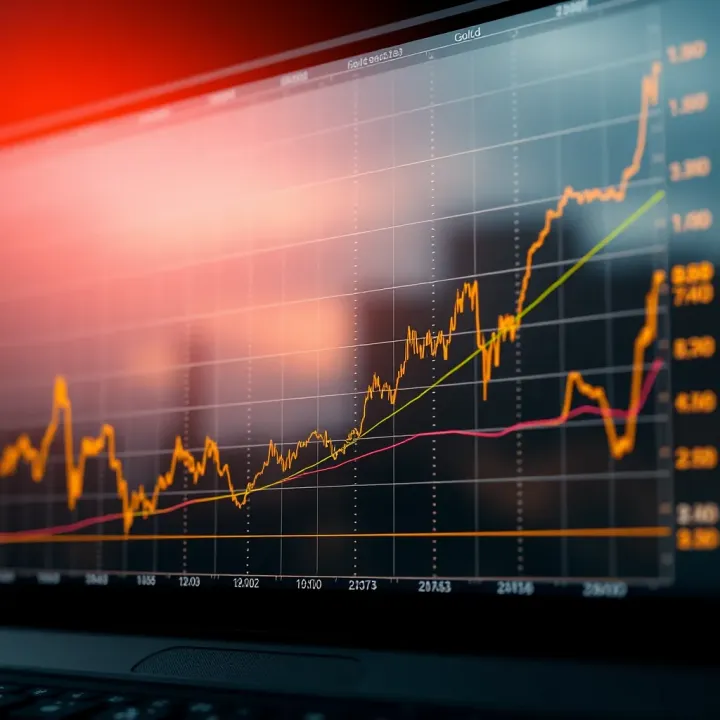
Gold prices react to a mix of economic indicators and global events. Inflation trends, interest rates, currency fluctuations (especially the US dollar), and geopolitical tensions all push gold prices up or down. For example, when the dollar weakens, gold usually gets more expensive in dollar terms because it becomes cheaper for holders of other currencies.
Supply and demand also play their part. Mining output changes slowly but central banks and large investors may buy or sell huge gold quantities suddenly, shifting prices. During market uncertainty, demand for physical gold bars -- including 1kg units -- climbs because investors look for a safe haven.
While the spot price sets a base, buying physical 1kg gold bars involves premiums over spot. These premiums cover manufacturing costs, dealer markups, and delivery fees. They're often higher when demand surges or supply tightens. For example, a 1kg gold bar from a reputable refinery like PAMP or Johnson Matthey may have a 1-3% premium on top of the spot price.
Handling 1kg gold bars means thinking beyond price alone. Storage is key since a 1kg gold bar weighs about 2.2 pounds and is highly valuable. Secure vaults or insured safety deposit boxes are common choices.
Also, verify authenticity with assay certificates and buy from established dealers. Selling 1kg bars often involves negotiating premiums or discounts depending on the market liquidity.
Understanding the dynamics behind the 1kg gold price in dollars helps you make smarter investing decisions, whether you’re trading daily or holding long-term.
Bottom line: the 1kg gold price is a moving target influenced by global markets, supply-demand shifts, and transactional factors like premiums and storage costs. Keep an eye on the spot price while factoring in these extra elements for a clearer picture.
Knowing how gold prices are set in the market is key for anyone trading or investing in gold, especially when dealing with big amounts like one kilogram. Prices aren’t pulled from thin air; they’re the result of complex interactions across global markets, influenced by supply, demand, currency shifts, and trading tools. Understanding this lets you make smarter moves and better predict price changes.
Important gold trading hubs: Major centers like London, New York, and Shanghai dominate gold trading because they host active markets and set benchmark prices. The London Bullion Market Association (LBMA) fixes the daily price through auctions involving top dealers. Meanwhile, the COMEX exchange in New York handles futures contracts that investors use to hedge or speculate. These hubs ensure prices reflect worldwide demand rather than local quirks.
How spot prices are determined: Spot prices represent what you’d pay to buy gold immediately, not at some future date. They’re influenced by real-time trades conducted on electronic platforms and over-the-counter markets. For example, if a large institution snaps up gold in Shanghai, it can push spot prices globally. Spot rates also incorporate premiums that vary by dealer and location.
Impact of futures and derivatives: Futures contracts allow trading gold at a set price for future delivery, impacting expectations about price trends. If traders foresee inflation rising, futures prices often increase ahead of spot prices. Derivatives like options and swaps provide ways to hedge risk but can also add volatility. For instance, aggressive speculative trading in futures can cause short-term price swings unrelated to physical demand.
Effect of US dollar strength: Since gold is priced in dollars worldwide, a strong dollar usually pushes gold prices down. This happens because a stronger dollar makes gold costlier for buyers holding other currencies, reducing demand. When the dollar weakens, the opposite occurs — foreign investors find gold more affordable, often driving prices up.
Relation between currency fluctuations and gold prices: Besides the dollar, shifts in other major currencies like the euro or yen can affect gold prices through trade and investment flows. Emerging market currencies fluctuating against the dollar can sway local gold demand. For example, during economic uncertainty in Brazil, a weaker real can lead investors there to turn to gold, supporting prices globally.
Bottom line: Gold prices are shaped by a mixture of market hubs, spot and futures trading, and currency movements. Keeping an eye on these helps investors understand why gold prices move the way they do and prepares them to act accordingly.
Understanding how to calculate the dollar price of one kilogram of gold helps investors, traders, and brokers get a clear picture of the asset's value in everyday terms. Since gold is traded mostly by weight on global markets, knowing how to convert and interpret its pricing in practical units like kilograms ensures smarter decision-making. For example, buyers often deal in kilograms or larger bars rather than ounces, so translating spot prices into kilograms reduces guesswork.
Gold is traditionally quoted in troy ounces on major exchanges like COMEX, where 1 troy ounce equals approximately 31.1035 grams. However, many investors—especially outside the U.S.—think in kilograms, with one kilogram equaling 1,000 grams. This difference means you must convert pounds accurately to compare prices or place orders. For instance, if the spot price is $2,000 per troy ounce, the price per kilogram would be $2,000 times (1000 ÷ 31.1035), which is roughly $64,300. Confusing these units could lead to costly errors in trading or valuation.
Gold purity is expressed in karats or decimal figures, with 24-karat or 99.9% (also marked as .999 fine gold) being the standard for investment-grade bullion. Lesser purities—like 22K or 18K—contain other metals, lowering the intrinsic gold content and thus the price. When buying gold by weight, knowing the purity helps adjust the cost you pay and the value you get. An 18K gold bar, for example, holds less gold per kilogram, so its dollar value is proportionally less than pure 24K bullion.
The spot price is the current market price for one troy ounce of gold. To figure out the dollar price of one kilogram, multiply the spot price by the number of troy ounces per kilogram (around 32.15). This conversion is essential for investors who want to buy or sell in kilograms but need to track price movements quoted in ounces. For example, if gold is trading at $1,800 per ounce, the kilogram price is roughly $57,870.
The spot price alone doesn't capture the full cost when buying or selling physical gold. Dealers add premiums to cover minting, shipping, insurance, and profit margins. These premiums vary widely depending on the dealer, gold form (bars, coins), and market demand. For example, a dealer might charge an additional 2% to 5% over spot price for a one-kilogram gold bar. Accounting for these costs ensures you don’t underestimate your buy-in price or overestimate the resale value. Always ask for a full breakdown before making transactions.
Calculating the dollar price for one kilogram of gold requires clear understanding of measurement units, purity, spot price conversions, and realistic transaction costs to avoid surprises in actual spending or returns.
Knowing these details makes it easier to navigate gold markets confidently and keep your investments aligned with market realities.
Understanding what drives the price of gold up or down is vital when you're dealing with large quantities, like one kilogram. Gold doesn’t stand still—its value moves with the economy, global happenings, and the basic laws of supply and demand. To make smarter decisions, investors need to keep an eye on these factors closely.
Inflation and interest rates play a big role in gold’s price swings. When inflation rises, gold often becomes more attractive since it tends to hold value better than paper currency that’s losing buying power. For example, during the U.S. inflation spikes in the 1970s, gold surged dramatically as investors sought a safe place to park their money. On the flip side, higher interest rates mean better returns on bonds and savings accounts, making gold less appealing since it doesn’t yield interest. So, if the Federal Reserve hikes rates, gold prices might dip because investors shift to income-generating assets.
Global crises and market uncertainty also push gold prices around. When tensions rise—think wars, political unrest, or a financial meltdown—gold tends to rally. It’s seen as a refuge when other investments look shaky. The 2008 financial crisis, for example, prompted a solid gold rally as markets tanked. Even now, events like trade disputes or pandemics can spark sharp gold price jumps. That’s why many investors keep some portion of their portfolio in gold: it’s a hedge against unexpected chaos.
Mining output and reserves affect gold’s availability. More mines producing gold can ease upward pressure on prices, while supply disruptions or lower production can tighten availability, pushing prices higher. For instance, South Africa’s decreased gold mining output in recent years contributed to price support. Plus, underground reserves indicate how much gold might flood the market far down the line—if miners discover or access new reserves, it could eventually affect prices.
Jewelry and industrial demand form a significant chunk of gold consumption. In countries like India and China, cultural and wedding traditions drive massive jewelry demand seasonally. If demand spikes sharply, gold prices might climb, especially if supply is limited. Also, certain electronics and medical devices use gold for its conductivity and resistance to corrosion, tying industrial demand to economic health. So, a booming tech sector can indirectly boost gold demand, putting upward pressure on prices.
Bottom line: Traders and investors must watch both the big economic picture and these practical supply-demand factors to anticipate gold price movements effectively.
By grasping these elements, you can better forecast when the dollar price for a kilogram of gold might veer up or down, which is critical for timing purchases or sales.
Handling 1 kilogram of gold requires more than just knowing its market price. You need to carefully consider where you buy or sell, how you'll store it securely, and the extra costs beyond the raw price. These details can save you money, avoid headaches, and protect your investment.
Choosing the right dealer is essential. Dealing with well-established gold sellers like JM Bullion, APMEX, or local reputable bullion dealers reduces the risk of fraud or receiving counterfeit gold. They typically offer certification and transparent pricing, which is a must for high-value transactions like 1 kilogram bars.
Using recognized online platforms that specialize in precious metals trading can be a convenient alternative. Such platforms provide customer reviews, real-time pricing, and authentication guarantees. Avoid shady or unknown sellers, especially those that only operate through social media or untraceable channels.
Look closely at how dealers present their prices. The spot price per ounce is just the starting point; dealers add premiums to cover costs and profit. These premiums vary widely and can add hundreds of dollars to the price per kilogram.
A transparent dealer will clearly outline these premiums and any additional fees, such as shipping or handling charges. For example, a dealer charging a flat $50 fee plus a 3% premium on spot price is a clearer deal than one with hidden costs. Request price breakdowns and compare offers from multiple dealers to make an informed choice.
Once you buy your 1 kilogram gold bar, securing it is critical. Keeping it at home can be risky unless you have a high-quality safe. Many investors prefer bank safe deposit boxes or private vault services. Companies like Brinks or Loomis offer secure storage tailored to precious metals with insurance included.
Consider accessibility and cost when choosing storage. A local bank’s safe deposit box may cost $100 to $200 annually but offers peace of mind against theft or loss. Conversely, expensive private vaults may have higher fees but also wider insurance coverage and expert handling.
Insurance often gets overlooked but adds a safety net against theft, damage, or natural disasters. Many homeowner policies limit coverage for valuables, so you might need specialized insurance for your gold.
Handling and storage fees add to your overall costs. For example, storing gold in a private vault might cost $200 annually, and insurance premiums could be an additional 0.5% of the gold’s value per year. These expenses won’t affect the market price but influence your net return when selling. Factor them into your investment plan.
Buying or selling 1 kilogram gold isn’t just about the price tag. Choosing trusted dealers, understanding pricing, and securing your investment with proper storage and insurance make all the difference.
By keeping these practical considerations in mind, investors can confidently navigate the market and protect their valuable gold holdings effectively.
🤓 Learn how to multiply binary numbers step-by-step, understand why it's key in computing, and explore practical methods used in everyday digital tech and electronics.

Learn how to convert decimal numbers into binary with clear step-by-step guides 🧮, examples, and practical tips for everyday use in Kenya 🇰🇪.
Learn how to convert binary numbers to hexadecimal with clear steps, practical tips, common errors to avoid, and real examples 🧮💻

🤖 Discover how binary trading bots work and key risks and benefits for Kenyan traders. Get smart insights to trade binary options automatically and safely.
Based on 15 reviews