

Understanding Cashier Binary: Key Concepts & Uses
Explore the detailed workings of cashier binary in finance 💳, its key role in cashier tasks, tech challenges, and benefits in Kenya's market and beyond 🌍.
Edited By
Amelia Turner
Non-binary identities refer to people who do not exclusively identify as male or female. Unlike the traditional binary classification that defines gender strictly as man or woman, non-binary individuals may experience a gender that is in-between, fluid, or outside these categories entirely. This can include identities such as genderqueer, genderfluid, agender, among others.
In Kenya, understanding non-binary identities is still emerging. Many people here grow up with clear expectations about gender roles rooted in cultural and religious views, where male and female distinctions are often deeply ingrained. However, as younger generations engage more with global conversations through social media and education, non-binary identities have started gaining visibility, especially in urban centres like Nairobi and Mombasa.
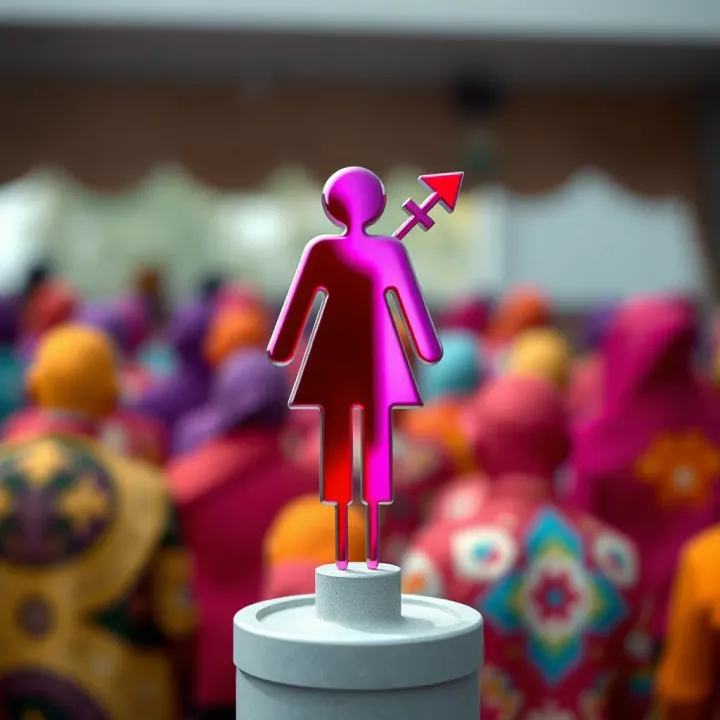
Recognising non-binary individuals means acknowledging gender diversity beyond just male and female, which helps create a more inclusive society.
Social Inclusion: Non-binary persons often face misunderstanding, exclusion, or even harassment in schools, workplaces, and public spaces.
Mental Health: Lack of acceptance contributes to stress and mental health challenges for those who identify outside the binary norms.
Legal Recognition: Kenya currently does not legally recognise non-binary gender options, which affects access to services, identity documents, and equal rights.
Imagine a young Kenyan who identifies as non-binary trying to fill out a form requiring them to select either male or female. This forces them to choose incorrectly, erasing their identity. In workplaces where uniforms or bathrooms are strictly divided by gender, such individuals encounter daily challenges that affect their comfort and safety.
Promoting respect and inclusion begins with education and open dialogue. Schools, workplaces, and community leaders can help by:
Introducing gender diversity education that reflects the realities of non-binary identities.
Creating safe spaces where conversations about gender beyond the binary can happen without judgement.
Advocating for policy changes that recognise non-binary individuals legally and socially.
Understanding non-binary identities is a step toward respecting the full spectrum of human experience. In a country as diverse as Kenya, this awareness supports stronger, more compassionate communities that value every person's dignity.
Understanding the term non-binary is essential in appreciating the diverse ways people experience gender, especially within the Kenyan context where traditional views often focus on male and female roles. Recognising non-binary identities helps promote respect, reduce discrimination, and supports those who do not fit into the usual gender categories.
Non-binary refers to individuals whose gender identity does not fit strictly into the categories of male or female. This concept moves away from the idea that gender must be one or the other, acknowledging that some people feel their gender is somewhere in between, a mix, or entirely outside these classifications. For example, a young Kenyan might identify as non-binary because they don’t relate to the expected male or female roles assigned by their family or community.
Recognising gender beyond the binary is practical because it allows people to express themselves authentically and live comfortably without being forced into fixed labels. This is important in Kenya, where cultural expectations about men and women can be rigid, potentially limiting individual freedom.
Within the umbrella of non-binary, there are various terms people use to describe their gender. These include genderqueer, agender (having no gender), bigender (identifying as two genders), and genderfluid (gender that changes over time). Each term reflects a slightly different experience, showing that non-binary is not a single identity but a spectrum.
Knowing these variations is useful especially in places like schools, workplaces, or health services, where understanding these terms can help create a more inclusive environment. For instance, when a person uses ‘they/them’ pronouns or prefers neutral greetings, being aware of such terms makes communication respectful and affirming.
Non-binary and transgender identities sometimes overlap but are not the same. Transgender is a broader term for people whose gender identity differs from their sex assigned at birth. While many transgender people identify strictly as male or female, non-binary people do not exclusively identify as either.
This distinction is important for recognising the unique challenges each group faces. For example, legal and social recognition often focus on binary categories, so non-binary individuals in Kenya may struggle to find appropriate identification options unlike some transgender people who transition from one binary gender to another.
Gender fluidity means a person’s gender identity can change over time or depending on the situation. Someone might feel more masculine some days and more feminine on others or reject all categories at different times.
This flexibility challenges fixed assumptions about gender and encourages acceptance of personal experiences. For instance, a Kenyan artist might present differently depending on their mood or performance, reflecting their fluid gender identity. Understanding this helps communities support people in expressing their true selves without pressure to conform.
Recognising non-binary identities enriches how we understand gender and promotes a more respectful society for all Kenyans, regardless of how they identify.
Key points to remember:
Non-binary means gender outside the strict male/female categories.
There are many non-binary identities, each with distinct experiences.
Non-binary is different from but related to transgender.
Gender fluidity describes changing gender identity over time.
By embracing these concepts, Kenyan institutions and individuals can work towards inclusivity that respects everyone’s gender experience.
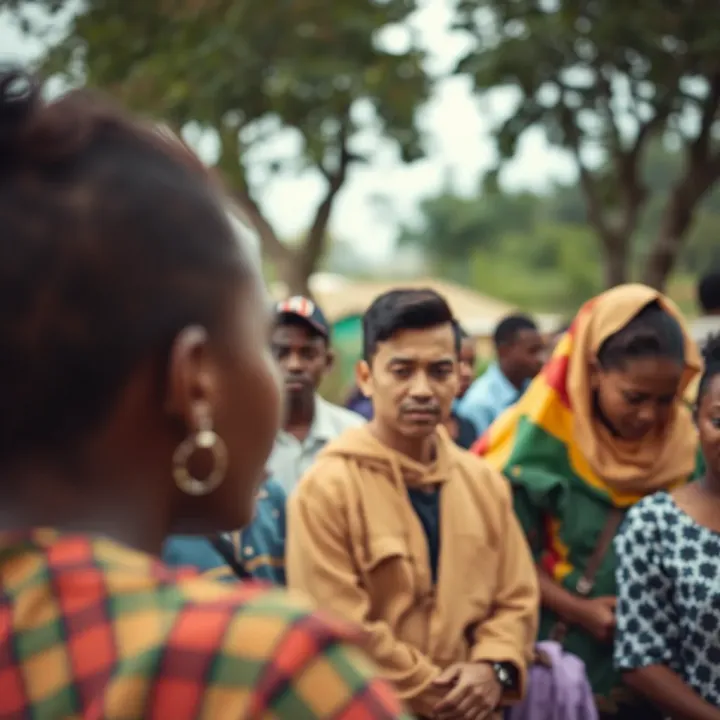
Understanding cultural views on gender in Kenya is essential when discussing non-binary identities. Kenyan society has traditionally organised itself around well-established gender roles, which shape daily life, social expectations, and legal frameworks. These roles continue to influence how people view gender diversity today. Appreciating these perspectives helps clarify the challenges non-binary individuals face and points to areas where greater acceptance can grow.
In many Kenyan communities, men are generally seen as the heads of households, responsible for providing financially and making key decisions. Women, on the other hand, often manage domestic duties such as cooking, child-rearing, and maintaining the home. This division is especially notable in rural areas where extended families live together and these roles pass down through generations. For example, among the Kikuyu or Luo communities, the man’s duty to defend and provide is deeply embedded, while women are expected to nurture and support.
This clear separation affects non-binary people who may not fit into these traditional expectations. It becomes harder for them to find recognition or acceptance when society largely expects strict male or female roles within families. This practical influence means understanding these roles is vital when creating inclusive spaces in homes, workplaces, and public settings.
Culture and religion both have a strong presence in Kenyan life, often reinforcing gender norms. Many practices, such as rites of passage, marriage customs, and inheritance rules, distinguish sharply between males and females. For instance, Christian and Islamic teachings in Kenya typically promote binary gender roles, which further shape community attitudes. In some ethnic groups, cultural elders and religious leaders serve as gatekeepers of these norms.
While these influences can support strong social cohesion, they may also limit acceptance of non-binary identities. Non-binary individuals sometimes face misunderstanding or rejection if their gender expression does not align with religious or cultural expectations. Therefore, discussions about gender diversity in Kenya must engage respectfully with these cultural and religious frameworks to foster dialogue and inclusivity.
Urban centres like Nairobi, Mombasa, and Kisumu tend to have more exposure to global ideas and diverse lifestyles. Young people in these cities often engage with international media, social networks, and cultural events that promote gender inclusivity. For example, Nairobi hosts LGBTQ+ support groups and events which create a visible space for non-binary Kenyans.
In contrast, rural areas may hold more conservative views and less access to information about gender diversity. This can lead to stronger adherence to traditional roles and slower acceptance of non-binary identities. The gap is practical — urban settings usually offer support systems and legal information that rural regions lack, affecting visibility and protection.
Kenyan media and social movements have gradually increased awareness of gender diversity. Social media platforms like Twitter and Facebook allow Kenyans, especially youth, to share experiences and challenge stereotypes openly. Campaigns by local NGOs such as Ishtar MSM and Haki Ladies play critical roles in advocating for LGBTQ+ rights and educating the public.
These efforts help breakdown misinformation and stigma around non-binary identities. For example, discussions about pronouns and gender expression have become more common among Kenyan educators and young professionals. Still, media coverage varies widely — balanced, respectful portrayal is crucial to avoid sensationalism that may harm the community’s acceptance.
A practical approach to increasing acceptance in Kenya involves bridging traditional values with new understandings of gender, especially by using respectful dialogue within families, religious groups, and media platforms.
This appreciation of cultural views alongside emerging awareness sheds light on the complex environment non-binary Kenyans navigate daily and sets the ground for promoting inclusion and respect.
Non-binary individuals in Kenya face various challenges that affect their everyday lives, from social acceptance to legal recognition. These challenges impact their wellbeing and access to opportunities, making it important to understand them clearly. Awareness of these hurdles can guide efforts to create a more inclusive society and reduce discrimination.
Family Reactions and Community Pressure
In many Kenyan families, traditional gender roles remain deeply rooted. When someone identifies as non-binary, families often struggle to understand or accept this identity, leading to strained relationships. For example, a young person expressing a non-binary identity may face pressure to conform, with relatives urging them to behave or dress according to male or female expectations. Such pressure can cause emotional distress and isolation.
Communities also exert strong influence. In rural areas especially, deviations from conventional gender norms might be met with suspicion or outright rejection. This community pressure discourages open discussion about gender diversity and forces many non-binary people to hide their true selves to avoid gossip or exclusion.
Experiences of Discrimination
Discrimination against non-binary individuals can appear in many forms, from bullying in schools to harassment at workplaces. For instance, a non-binary person might be denied promotion because colleagues or supervisors do not understand or respect their identity. Such experiences are not just personal; they affect economic security and career growth.
Public spaces such as markets, transport hubs, and even healthcare centres can become sites of discomfort or danger for non-binary people. Misgendering, verbal insults, or refusal to serve them based on gender identity are common. These experiences discourage many from fully participating in community and economic life.
Identification and Official Documents
The lack of legal recognition for non-binary identities presents a major challenge in Kenya. Current system only offers ‘male’ or ‘female’ options on official documents like national ID cards or passports. This gap causes practical problems: for example, a non-binary person’s documents may not match their appearance or identity, leading to scrutiny or delays when applying for jobs, opening bank accounts, or travelling.
Without legal acknowledgment, non-binary Kenyans remain invisible in official data and policymaking, making it harder to address their specific needs or protect their rights.
Access to Services and Protection
Access to social services such as healthcare, NHIF (National Hospital Insurance Fund), and legal aid can be complicated for non-binary individuals. Clinics or hospitals often lack sensitivity or knowledge about gender diversity, which can discourage people from seeking care. For example, a non-binary person visiting a public hospital might be assigned a ward or treated based on binary gender assumptions, risking embarrassment or inadequate care.
Legal protections against hate crimes, discrimination, or harassment are also limited. While Kenyan laws protect citizens against discrimination based on some grounds, gender identity is not explicitly covered. This leaves non-binary persons vulnerable, with little recourse if refused service or targeted for abuse.
Addressing these challenges calls for more awareness, policy reform, and community support to ensure non-binary people in Kenya can live openly, safely, and with equal access to opportunities and services.
Supporting non-binary individuals in Kenya is about recognising and respecting their identities in daily life. This support helps reduce stigma, promotes mental well-being, and fosters a more inclusive society. Kenyan workplaces, schools, and healthcare centres that embrace non-binary people not only improve these individuals' lives but also build more diverse and innovative communities.
Using Correct Pronouns
Using the right pronouns is a simple but powerful way to show respect to non-binary people. In Kenya, where English is often mixed with Swahili and other local languages, it might take some effort to adopt gender-neutral pronouns like “they/them.” Still, making this effort signals acceptance. For example, a colleague who prefers “they/them” instead of “he” or “she” feels more seen and comfortable when addressed correctly.
Ensuring that official documents, forms, or communications offer options beyond the binary “Mr” or “Ms” also helps non-binary individuals feel included. Offices can encourage staff to ask about and use preferred pronouns during introductions or on business cards, making inclusivity normal practice.
Respecting Personal Identities
Respect extends beyond pronouns. It means accepting how someone defines their identity without assumptions or judgments. In many Kenyan communities, strict gender roles can make this challenging, but changing attitudes start with individual respect. When someone shares their non-binary identity, listening without questioning or denying their experience shows support.
For instance, friends and family might adapt greetings or conversations to honour a non-binary person’s expression. This openness reduces isolation and strengthens relationships. Educational workshops or community discussions can raise awareness and encourage more people to respect diverse identities.
In Education and Workplaces
Schools and workplaces play a major role in shaping attitudes towards non-binary individuals. Kenyan adults and youths who find acceptance in these settings perform better academically and professionally. Schools can introduce non-binary aware policies, train staff to address bullying, and ensure safe bathroom access.
In the workplace, employers can support non-binary staff by updating dress codes to be gender-neutral and providing diversity training that includes gender diversity. For example, Safaricom’s commitment to inclusivity encourages a workplace culture where non-binary employees feel valued and productive.
In Healthcare and Community Centres
Healthcare providers in Kenya need to recognise non-binary identities to offer appropriate care. Simple steps like asking for correct names and pronouns during visits, and training staff on gender diversity, improve trust. Many non-binary patients avoid medical centres fearing discrimination or misunderstanding.
Community centres can become safe spaces where non-binary Kenyans access support groups or counselling tailored to their needs. For example, some Nairobi-based NGOs focus on LGBTQ+ health and mental wellness, bridging gaps in service access for non-binary people. These welcoming environments reduce isolation and improve overall well-being.
Supporting non-binary individuals fosters respect, understanding, and inclusion—key factors for a peaceful and diverse Kenyan society.
Kenya's conversation around gender diversity, especially non-binary identities, is gaining momentum. Looking ahead, it's clear that greater advocacy, youth leadership, and legal reforms will shape how gender diversity is understood and incorporated in society. These developments are vital not just for the well-being of non-binary individuals but also for creating inclusive workplaces, markets, and communities that reflect Kenya's diverse population.
Several Kenyan non-governmental organisations (NGOs) and community support groups now work actively on gender diversity issues. Groups like the Gay and Lesbian Coalition of Kenya (GALCK) and the National Gay & Lesbian Human Rights Commission provide platforms for non-binary and LGBTQ+ voices. Their efforts focus on education, awareness campaigns, and legal support, which can empower non-binary people to claim their rights and reduce stigma.
These organisations also collaborate with youth networks, recognising that younger Kenyans are often more open and willing to challenge traditional norms. By leading workshops and community dialogues, they help spread understanding beyond urban centres such as Nairobi and Mombasa. Practical support through counselling services and safe spaces ensures that non-binary Kenyans feel seen and accompanied on their journeys.
Social media platforms like Twitter, Instagram and TikTok play a major role in shaping discussions about gender diversity, particularly among young Kenyans. Hashtags and online campaigns raise awareness about non-binary identities, providing education where formal school curriculums still lack comprehensive gender diversity content.
Teachers and education activists are increasingly pushing for inclusion of a wider spectrum of gender topics in schools. This helps young people recognise diversity from early on, nurturing empathy and acceptance. Besides, online access allows non-binary Kenyans in remote areas to connect with peers, share their experiences and find resources that might otherwise be unavailable.
Legal recognition of non-binary identities remains limited in Kenya. However, there's growing discussion among advocacy groups and some legal experts about expanding options beyond the traditional male or female categories on official documents such as national identity cards and passports.
This change would not only affirm the identities of non-binary people but can help reduce their exclusion in services like healthcare and banking. A move towards legal recognition could mirror steps taken by other African countries exploring gender markers that are neutral or customised to an individual's identity.
Kenya's existing laws, like the Constitution, offer some protection against discrimination, but these often lack explicit reference to gender diversity. Efforts are underway to push for clearer policies that protect non-binary and transgender individuals in workplaces, schools, and public services.
Introducing specific anti-discrimination clauses would encourage businesses and institutions to adopt inclusive practices. For example, workplace policies that respect pronouns and gender identity could become more common, helping reduce bias. Likewise, county governments could incorporate gender-diverse considerations in public health and service delivery, ensuring non-binary Kenyans are not left out.
The road ahead involves active participation from communities, law makers, and institutions to realise a Kenya where everyone’s identity is respected and protected.
Looking at these growing efforts, the future of gender diversity in Kenya looks more hopeful, provided support and understanding continue to grow statewide.
Explore the detailed workings of cashier binary in finance 💳, its key role in cashier tasks, tech challenges, and benefits in Kenya's market and beyond 🌍.

Explore binary trade basics, risks, and benefits tailored for Kenyan traders. Learn how to predict asset moves for smart, timely decisions 📈💡

📊 Explore how binary trading works in Kenya! Learn key features, risks, strategies, platforms, and regulations for smart investing.💡📈

📊 Explore binary options in Kenya: learn how they work, understand risks, choose platforms, and navigate legal factors to invest wisely and safely.
Based on 10 reviews