
Binary Options Trading in Kenya Explained
Discover how binary options trading works in Kenya 🇰🇪, the legal aspects, top platforms, risks to watch, and smart strategies to improve your chances.
Edited By
Liam Foster
Trading platforms in Kenya have seen a rapid evolution, especially with increased access to mobile internet and digital tools. When it comes to binary options trading, having reliable charts and analysis tools is a must. TradingView, with its rich charting features and real-time data, offers a solid option for integrating advanced market insights directly into these platforms.
The appeal of TradingView lies in its user-friendly interface and ability to support multiple asset classes—stocks, forex, commodities—which fits well with the diverse offerings in the Kenyan binary options market. Traders can analyse market trends, apply technical indicators, and make informed decisions quickly.

However, integrating TradingView isn't just a plug-and-play process. Platforms must meet certain technical requirements, including API setup and web socket connectivity for real-time updates. This requires coordination between developers and platform operators to ensure smooth data flow without excessive lag that could affect trade outcomes.
Additionally, it's key to consider the user experience. Many binary options traders, especially newcomers in Kenya, prefer straightforward interfaces. Embedding TradingView tools with clear customisation, such as preset indicators and timeframes relevant to binary options expiry times, makes the platform more approachable.
Smooth integration of TradingView charts can greatly enhance a trader's ability to spot entry and exit points, ultimately impacting profitability in binary options trades.
Challenges like data costs and regional connectivity need attention too. TradingView demands stable internet, and frequent real-time data can strain users on limited data bundles common in Kenya’s mobile networks. Optimising data usage without compromising chart responsiveness helps retain Kenyan clients.
This section sets the stage for exploring practical steps and best practices for platforms and traders looking to harness TradingView in binary options trading. Next, we will delve into the technical setup, followed by hands-on integration tips and compliance nuances relevant to Kenya.
Using TradingView can significantly improve how traders approach binary options in Kenya. It provides clear advantages through better market insights and technical tools, making decision-making more informed and timely. These benefits help traders increase their chances of success while managing risks in volatile markets.
Real-time market data and indicators allow traders to follow price movements as they happen. For example, a trader analysing forex pairs like USD/KES can spot sudden shifts caused by economic news without delay. This immediacy supports smarter entry and exit points when placing binary options bets.
The platform offers a rich variety of indicators such as moving averages, RSI (Relative Strength Index), and Bollinger Bands. Traders can combine these tools to detect momentum or possible reversals, which is crucial when the timing window in binary options is narrow.
Interactive and customisable charts provide flexibility that fits different trading styles. You can zoom into specific timeframes, from seconds to days, which helps make precise calls. For instance, switching between 5-minute and 30-minute charts for commodity prices like gold helps a trader decide the best moment to call a price direction within expiry periods.
Charts can be tailored with favourite indicators or drawing tools, enabling traders to mark support and resistance levels or trendlines. This personalisation means the chart reflects the trader’s unique approach rather than static visuals.
Access to community-driven trading ideas on TradingView is a practical advantage. Local and global traders share analyses and strategies openly. For those trading binary options in Nairobi or Mombasa, these ideas can offer new perspectives on asset behaviour, like how certain stocks in the NSE react during earnings season.
This social aspect encourages learning and adaptation, especially for less experienced traders who want to understand how others interpret market signals.
Visualising market trends clearly invites a better grasp of asset movements. When you see straightforward trend lines and candlestick patterns on TradingView, it’s easier to conclude if the market is bullish, bearish, or sideways. Such clarity aids binary options traders in predicting short-term price directions confidently.
For instance, spotting a clear uptrend on the Safaricom share price can justify a call option targeting price rises over the next 15 minutes.
Backtesting strategies within the platform means traders can test their methods against historical data before risking real money. A trader might test a strategy that combines RSI oversold signals with moving average crossovers on forex pairs like EUR/USD.
If the results show consistent gains in backtesting, the trader gains confidence to deploy the strategy live, reducing guesswork and impulsive trades.
Faster response to market changes is vital in binary options due to short expiry times. TradingView’s alerts and notifications help traders react promptly when prices hit key levels or when indicators signal a change.
For example, a trader can set an alert on Brent crude oil prices reaching a support level. When that alert triggers, the trader can quickly decide whether to place a put or call option, optimising chances for profit.
Efficient charting tools coupled with real-time data help binary options traders reduce uncertainty and trade smarter within tight timeframes.
In short, utilising TradingView enhances a trader’s ability to interpret market signals clearly and act decisively, providing a practical edge in Kenya’s dynamic trading environment.
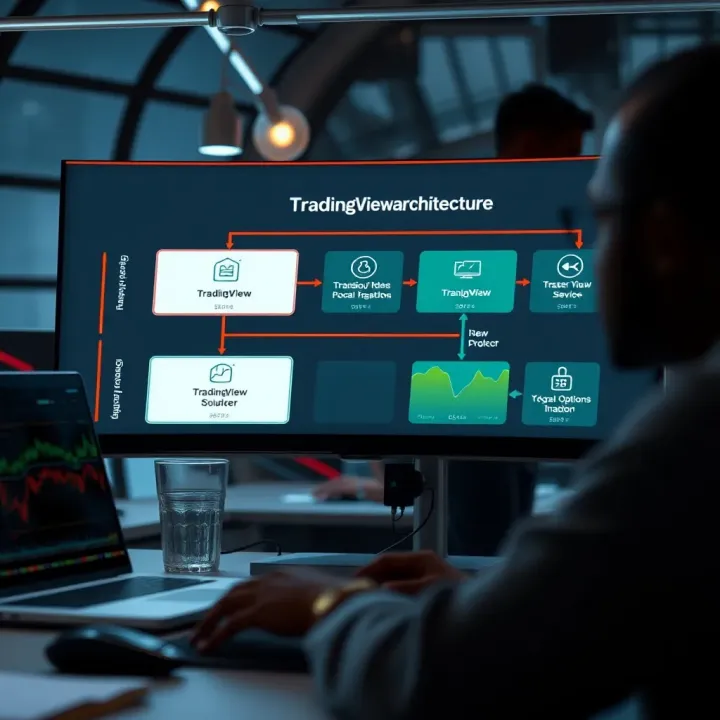
Integrating TradingView into a binary options platform demands a clear understanding of the technical elements involved. Getting this right improves the platform’s reliability and user experience, vital for traders making quick decisions based on live data. For brokers and developers, this section highlights the key factors that ensure smooth charting features and data synchronisation.
TradingView offers two main ways to embed its charts: embedded widgets and full API integration. Embedded widgets are simpler to implement; they allow a platform to display TradingView charts through preset codes without deep customisation. This suits smaller platforms or those testing the water with real-time charts, offering quick setup with minimal coding.
Full API integration, on the other hand, lets developers access TradingView’s charting library and data feeds more flexibly. It offers deeper customisation and control, which is crucial when syncing binary options assets, alerts, or strategy testing. For instance, a platform can design unique chart layouts fitting Kenyan market preferences or blend data from local brokers.
TradingView supports various chart types such as candlestick, line, and bar charts. This variety matters because different traders rely on distinct visual tools to interpret price movements. The platform covers multiple asset classes – forex currencies, commodities like coffee and gold, indices, and even cryptocurrencies. For Kenyan binary options trading, having access to charts across these assets helps users diversify and spot opportunities beyond local markets.
Customisation is a strong point through TradingView’s Pine Script. This scripting language allows crafting tailored technical indicators or alerts specific to binary options trading signals. For example, a developer can program an alert that triggers when a currency pair breaks a crucial resistance level, instantly notifying traders through the platform. This flexibility is key to enhancing trader responsiveness and engagement.
Good TradingView integration requires compatibility across web and mobile platforms. Kenyan traders often access services via smartphones under varied network conditions. Thus, ensuring charts run smoothly on both desktops and mobile browsers without losing functionality is essential. Responsive design improves accessibility, giving traders seamless chart tools wherever they are.
Handling real-time data feeds in binary options is fundamental, as delayed or inaccurate data can lead to wrong trades. Integrating reliable data sources from brokers or exchanges and ensuring TradingView’s charts reflect live market conditions requires efficient data pipeline management. Developers should set up mechanisms for continuous data refresh and latency optimisation to maintain sharp, dependable displays.
Server capacity and bandwidth also matter, especially as user numbers grow. Hosting platforms must anticipate increased data loads when multiple traders view or interact with charts simultaneously. In Kenya, where internet speed varies, optimising data packets for lower bandwidth or caching non-critical elements supports better user experience. For example, local servers near Nairobi or Mombasa can reduce lag, making chart data updates faster.
Efficient technical setup combining the right TradingView widgets, solid data feeds, and platform optimisation lays the foundation for a robust binary options trading platform. This reduces user frustrations and builds trust, crucial for both traders and platform operators.
By focusing on these technical requirements, platforms can deliver the fast, accurate, and user-friendly TradingView experience that Kenyan binary options traders demand.
Implementing TradingView on a binary options platform is essential for traders and developers seeking accuracy and interactive tools. This process ensures the platform delivers real-time, reliable market data complemented by user-friendly charts, which in turn supports smarter trading decisions. Understanding the stepwise approach helps avoid common pitfalls like data mismatches or slow updates that can cost traders.
Obtaining API keys and access marks the starting point when integrating TradingView into your platform. Traders and platform developers need to register with TradingView to get API keys, which allow your system to communicate securely with TradingView’s services. Without the proper keys, the charts won’t load or update real-time data, so handling this step correctly is critical.
Embedding charts using HTML and JavaScript involves adding TradingView’s widget code to your web interface. This is practical for most platforms since TradingView provides simple scripts that you copy and paste into your site’s code. The embedded charts then display real-time price movements and indicators, creating a seamless experience where users monitor assets while trading binary options.
Configuring widgets to reflect binary options assets means tailoring the charts to show the exact instruments available for trading. For example, if your platform offers binary options on forex pairs like USD/KES or commodities like gold, the charts must present those, not random market assets. Configuring this ensures traders see relevant data, avoiding confusion and improving trading accuracy.
Integrating price feeds from brokers or exchanges requires connecting your platform’s backend with reliable sources for market data. Real-time price feeds give the actual prices that influence binary options outcomes. For instance, a platform handling Kenyan forex markets might pull data from a broker like Absa or an exchange rate aggregator. Without proper feed integration, the charts won’t reflect real trade conditions, leading to mismatches.
Ensuring chart data matches available assets safeguards against discrepancies between what users see and what they can trade. This step involves continuous audits to make sure every asset on the chart corresponds to binary options offered. It’s common for some platforms to list assets simply because TradingView supports them, but if those aren’t tradeable, it risks user dissatisfaction and regulatory issues.
Handling latency and data accuracy is vital for effective binary options trading. Even slight delays in price updates can mean losses when expiry times matter. Systems must be optimised to reduce lag, possibly by using local servers or efficient data protocols to keep chart prices in sync with the broker. Accuracy here protects traders and builds trust in your platform.
Clear data flow and responsive charts are not just technical luxuries but essential components for a smooth and fair binary options trading experience.
By following these steps carefully, platforms can harness TradingView’s strengths and deliver precise, timely, and relevant market visuals to Kenyan traders. This not only enhances practical usability but also supports better trading decisions, boosting overall platform reputation.
Enhancing user experience is vital when integrating TradingView into binary options platforms. Smooth interaction and relevant tools not only keep traders engaged but also help them make quicker, informed decisions. TradingView’s features offer practical ways to improve usability, from custom indicators and alerts to mobile-friendly design, all key in creating a compelling trading environment tailored to local Kenyan contexts.
Applying TradingView’s Pine Script customisations allows platforms to tailor technical indicators that suit specific trading strategies. Pine Script, TradingView's scripting language, enables developers to build unique indicators or modify existing ones. For instance, a Kenyan trader focusing on currency pairs involving the KSh might add custom volatility measures to track sudden price changes better. This flexibility helps traders identify entry and exit points suited to binary options trading.
Setting up alerts for price movements is another practical feature. Traders gain from real-time notifications when asset prices hit key levels, enabling faster reactions to market shifts. With TradingView, alerts can be configured for price crossings, pattern formations, and indicator thresholds. Consider a trader monitoring the EUR/USD pair who wants to know immediately when price breaches a resistance level; setting such alerts removes the need for constant chart watching, saving time and reducing emotional stress.
Integrating alerts with user notifications across platforms ensures traders don’t miss critical market movements. Alerts can link directly to SMS, mobile push notifications, or email, maintaining engagement even when traders are away from their devices. In Kenya, where many trade via mobile phones, integrating these alerts with the platform’s notification system supports continuous updates despite network fluctuations, helping traders stay informed while on the move.
Making charts accessible on smartphones and tablets is essential given Kenya’s high mobile usage for internet access. TradingView’s responsive design adapts charts and tools to smaller screens without losing clarity or functionality. Traders can zoom, scroll, and apply indicators easily, enhancing usability whether commuting on a matatu or in a café.
Ensuring smooth interaction under Kenyan mobile conditions means designing for variable internet speeds and intermittent connectivity. Optimised data loading and caching improve chart responsiveness even on 3G or unstable 4G networks common outside urban centres. Platforms should prioritise lightweight chart versions and minimise background data requests to prevent lag, especially during volatile trading hours.
Data usage considerations for mobile users cannot be overlooked. Charts and live data can consume significant mobile data bundles, which may discourage frequent checking. Efficient coding and offering options to limit refresh rates or disable certain data-heavy features help conserve users’ data. Kenyan traders often juggle budget constraints with the need for timely information; providing data-conscious settings keeps them connected without excessive costs.
Improving user experience on binary options platforms with TradingView is not just about attractive charts. It's about practical tools and thoughtful design that respect the local trading habits and technological realities, allowing traders to focus on analysis and decisions without hindrance.
When integrating TradingView for binary options trading in Kenya, adhering to regulatory and compliance standards ensures your platform operates within legal boundaries and protects users. The Capital Markets Authority (CMA) sets clear directives to govern how binary options are offered, processed, and reported. Following these regulations not only maintains trust but also safeguards your operations against legal penalties.
The CMA requires platforms offering binary options to be licensed and to operate transparently. This means platforms must clearly declare the nature of the trading products, associated risks, and obtain necessary approvals before launching. For example, a broker using TradingView charts to display asset prices must ensure their binary options contracts conform to CMA rules, including limits on leverage and expiry times. Failure to comply can result in shutdowns or fines.
Kenyan trading platforms must openly communicate all terms, fees, and risks involved in binary options trading. This transparency helps traders make informed decisions and avoids misleading promotions. User protection also involves providing clear mechanisms for dispute resolution and complaint handling. Platforms should implement straightforward interfaces that display TradingView data clearly, so users do not misinterpret price movements or underlying assets.
Platforms need to maintain accurate records of all trades, client onboarding documents, and internal audits. Regular reports must be submitted to the CMA demonstrating adherence to set standards. Integrating TradingView tools should not interfere with this process; instead, data feeds and trade executions should be logged for accountability. This documentation supports regulatory reviews and helps quickly resolve any compliance queries.
With TradingView integration, platforms handle more user data and market feeds than before. Protecting this information means using encryption and access controls to prevent unauthorised access. For instance, personal identification details and trading behaviour must be securely stored, respecting Kenya's Data Protection Act 2019. Any breach could damage a platform’s reputation and lead to legal action.
API keys connecting TradingView charts to your platform are sensitive credentials. If compromised, they could allow malicious actors to feed false data or disrupt services. Use secure environments to store keys, rotate them regularly, and restrict their usage scopes. Also, ensure all data transmission between TradingView, brokers, and the user interface happens over encrypted channels such as HTTPS.
Fraud in binary options trading can take many forms—fake signals, manipulated charts, or unauthorised trades. Effective risk management includes monitoring unusual user behaviour, verifying trade authenticity, and promptly disabling suspicious accounts. Implementing TradingView charts should come with real-time alerts on price manipulation or anomalies, helping both platform operators and traders avoid pitfalls.
Security and compliance are not just boxes to tick; they are the backbone of a trusted trading environment that attracts and retains serious traders in Kenya’s growing finance market.
By following CMA guidelines and robust data protection practices, platforms integrating TradingView can deliver reliable, compliant binary options experiences that build confidence among Kenyan traders and regulators alike.
Discover how binary options trading works in Kenya 🇰🇪, the legal aspects, top platforms, risks to watch, and smart strategies to improve your chances.

📈 Explore practical strategies for binary options trading in Kenya! Learn asset analysis, risk management, and tips to boost your trading decisions.

📊 Explore binary options trading in Kenya with this practical guide! Learn legal tips, trusted platforms, risks, and Kenyan payment methods before you trade.

📈 Discover the best time to trade binary options in Kenya! Learn how local & global market hours and economic events can boost your trading success. 💹
Based on 12 reviews