
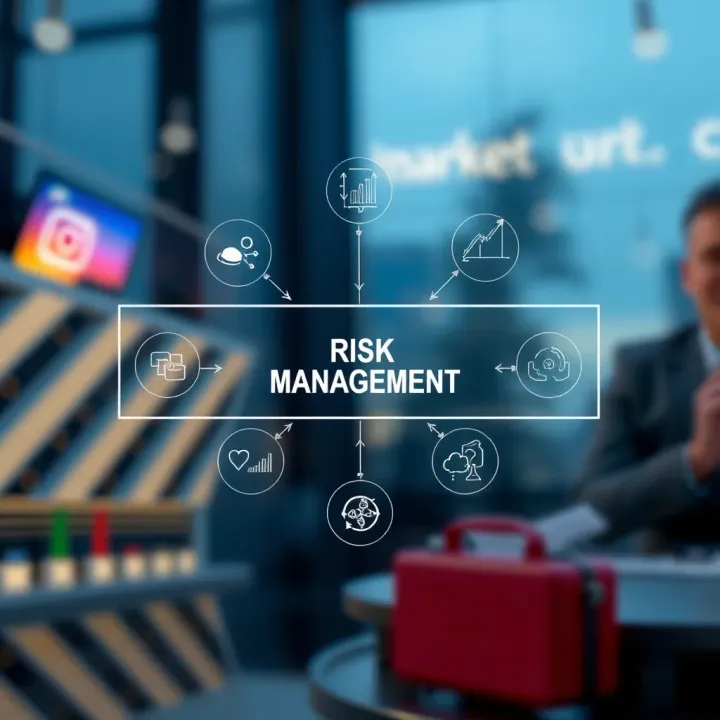
Understanding Risk Management and Its Importance
🔍 Understand risk management: key elements, practical methods, and challenges. Learn how to identify, assess, and control risks across industries effectively.
Edited By
Oliver Trent
Risk management is a key part of running any business or financial operation, especially in Kenya where economic conditions and market dynamics can be unpredictable. At its core, risk management aims to identify, assess, and reduce potential threats that could cause financial loss or disrupt operations. This process protects your organisation's assets and reputation while supporting smarter decision-making.
Protecting Assets is one of the primary objectives of risk management. For example, a Nairobi-based investment firm might face risks from fluctuating foreign exchange rates or unstable political developments. By spotting these risks early, the firm can take measures such as hedging or diversifying its portfolio, preventing losses that could otherwise hit hard.
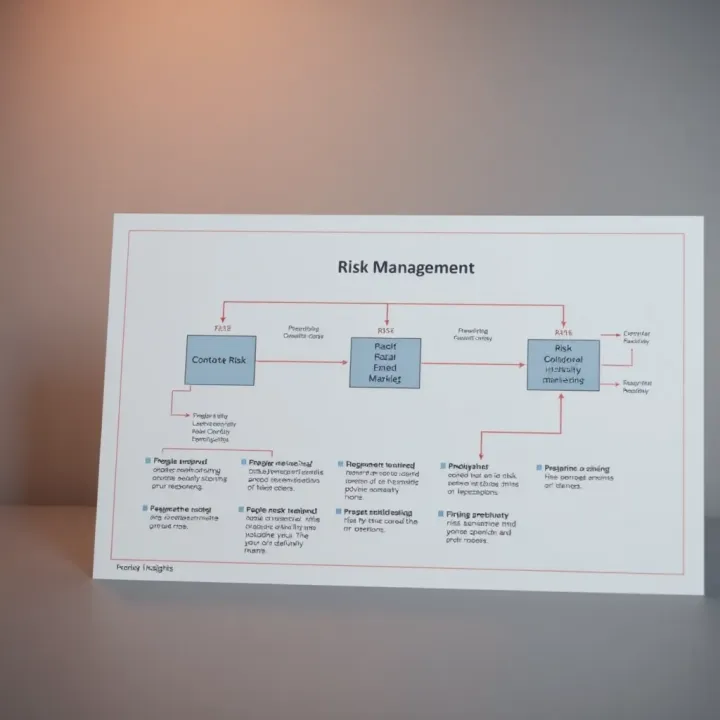
Another goal is to support effective decision-making. Consider a trader on the Nairobi Securities Exchange (NSE): understanding risk allows them to balance potential returns against pitfalls, avoiding impulsive moves. Risk management frameworks provide a clear picture of possible scenarios, aiding better choices that align with the investor's risk appetite.
Finally, risk management helps organisations meet their strategic objectives. A firm planning to expand across East Africa must anticipate risks like legal hurdles, regulatory changes, or logistical challenges. Managing these risks upfront ensures that projects stay on track, budgets are respected, and goals achieved.
Effective risk management is not about avoiding risk altogether but about making informed choices to control its impact on your business.
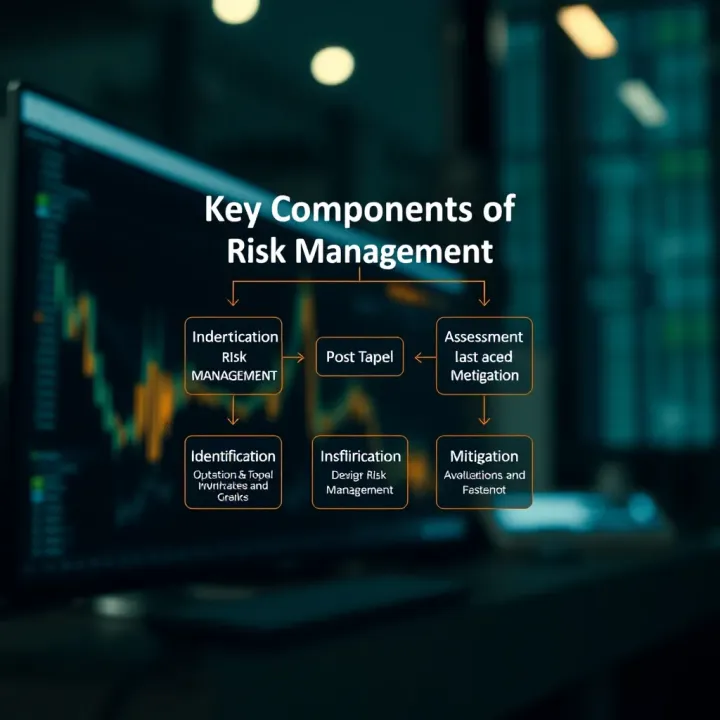
Risk Identification: Spotting potential threats from market, credit, operational, or compliance factors.
Risk Assessment: Measuring the likelihood and potential impact of each risk.
Risk Mitigation: Implementing controls such as insurance, diversification, or process improvements.
Without these steps, organisations operate blindly and risk losing capital, clients, or credibility.
In practice, businesses in Kenya can use tools like iTax for tax compliance risk, NHIF/SHA plans for health risks among employees, and systems like Lipa Na M-Pesa for secure transactions. These practical elements combine to form a solid risk management approach tailored to local realities.
Understanding these objectives gives traders, investors, and finance professionals the confidence to navigate risks actively rather than reactively. That way, they not only safeguard their current assets but also position themselves for sustainable growth.
Risk management plays a vital role in safeguarding an organisation’s resources and ensuring its smooth operation even during unexpected challenges. In practice, it helps businesses anticipate potential threats, plan sensible responses, and ultimately protect their long-term viability. For traders, investors, and finance professionals, understanding this purpose clarifies how risk management supports sustained profit and stability.
Organisations manage risks primarily to protect their valuable resources, including physical assets like equipment, cash flow, and intellectual property. For instance, a manufacturing firm in Nairobi might insure its machinery against fire or theft, reducing possible financial loss. Without such safeguards, a single incident could cripple operations or cause bankruptcy.
Business continuity focuses on keeping operations running despite disruptions, such as supply chain delays or cyber attacks. A Kenyan bank, for example, develops backup systems and disaster recovery plans to maintain customer services during power outages or technical glitches. This ensures that client trust remains intact and daily transactions proceed smoothly.
Regulatory compliance is a non-negotiable aspect of risk management, especially for sectors like finance and insurance. Firms must follow guidelines from authorities like the Capital Markets Authority (CMA) to avoid hefty fines or license revocation. Meeting these requirements builds legal compliance and enhances credibility with clients and partners.
Risk management provides organisations with critical insights that shape strategic choices. A fund manager assessing market volatility can use risk data to adjust investment portfolios, balancing potential returns against exposure. This informed approach reduces guesswork and aligns decisions with financial goals.
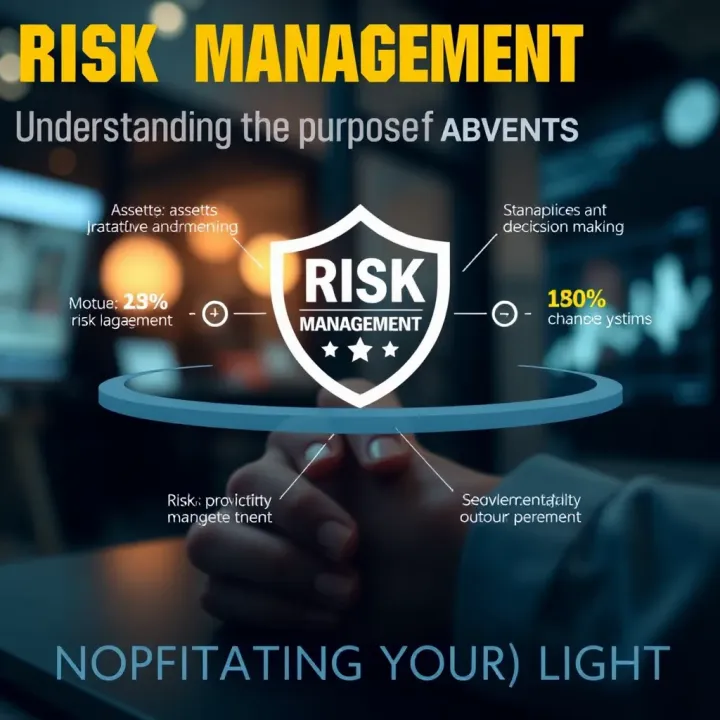
By proactively addressing risk, companies avoid costly mistakes and downtime. For instance, a logistics company that regularly assesses risks related to road conditions and fuel price fluctuations can plan routes economically and avoid delays. This efficiency preserves resources and boosts profit margins.
An organisation’s reputation depends heavily on how risks are managed. Consider a Nairobi-based tech start-up that experiences a data breach; the way it responds influences public perception. Swift action, transparency, and mitigation efforts maintain stakeholder confidence and preserve customer loyalty.
Effective risk management is not just about avoiding trouble but also about enabling organisations to pursue opportunities with confidence.
Together, these purposes show why risk management is integral to achieving business durability. For those in finance or trading, recognising this link helps foster sustainable growth amid Kenya’s dynamic economic environment.
Effective risk management revolves around a few key objectives that help organisations navigate uncertainties and protect their resources. Kenyan businesses, whether in agriculture, manufacturing, or services, face various risks daily. By clearly identifying potential threats, assessing their impact, and implementing control measures, they can reduce losses and improve their chances of success.
Kenyan businesses typically encounter a mix of risks such as market fluctuations, supply chain disruptions, political instability, and natural disasters like drought or floods. For instance, a coffee farmer in Central Kenya might face weather-related risks that impact crop yield, while a Nairobi-based tech startup could be more vulnerable to cyberattacks or regulatory changes.
Early identification of these threats allows businesses to plan ahead rather than react when the damage is done. Tools like SWOT analysis, risk checklists, and regular environmental scanning help uncover internal and external risks. For example, a retail shop in Kisumu may routinely monitor competitor pricing and customer behaviours to spot potential threats to sales.
Once risks are identified, evaluating their likelihood and potential impact helps business leaders understand which risks require urgent attention. Using a risk matrix, for example, a manufacturer in Mombasa can classify risks by how likely they are to occur and how severely they could affect operations or finances.
Prioritising risks ensures that limited resources go where they count most. A trader handling import-export might prioritise customs delays over minor price fluctuations. This focused approach streamlines response efforts and avoids spreading efforts too thin across less critical issues.
There are four main strategies: avoidance, reduction, transfer, and acceptance. Avoidance means staying away from risky activities altogether. Reduction involves putting measures in place to lessen the severity or likelihood of risk. Transfer shifts risk to another party, like insurance companies. Acceptance happens when the cost of mitigation exceeds the potential loss.
For example, a transport company may transfer risk by insuring its fleet, reduce risks by maintaining vehicles regularly, or choose to avoid routes known for insecurity. Across sectors, these strategies help firms manage risks without stalling their day-to-day activities.
Different sectors apply risk control differently: a bank might focus heavily on cyber risk reduction and transfer through insurance, while a farming enterprise puts more effort into climate resilience and market risk assessment. Practical understanding of these controls within each context is vital for success.
Understanding these objectives clearly helps organisations stay resilient. Kenyan businesses that master early risk identification, smart assessment, and tailored control methods navigate challenges better and safeguard their future growth.
Meeting the objectives of risk management offers tangible benefits that can greatly influence an organisation's stability and growth. Kenyan businesses, especially those navigating fluctuating market conditions or regulatory environments, find that effective risk management helps preserve financial health and maintain smooth daily operations. These benefits are particularly relevant for investors and analysts who seek predictable returns and robust business processes.
Dealing with risks before they materialise avoids expensive surprises. For instance, a manufacturing firm in Eldoret that regularly conducts equipment maintenance checks identifies faults early and prevents costly breakdowns that could halt production. This approach not only saves money but also reduces the risk of losing contracts due to missed deadlines.
Proactive risk management extends to financial risks, such as currency fluctuations or supplier price hikes common in Kenyan markets. Businesses that monitor these factors and hedge accordingly can avoid sudden losses, directly boosting their bottom line.
Smooth operations depend heavily on anticipating and managing uncertainties. For example, during Kenya's rainy seasons, transport companies face flooding that could disrupt routes. Firms that develop contingency plans—like alternative routes or vehicle readiness—can maintain service delivery despite disruptions.
This operational resilience builds trust with customers and partners, as services or product deliveries remain consistent. For traders and brokers, this means fewer interruptions that could affect market confidence or lead to penalties.
Investors look for businesses that manage risks well because it signals capability to safeguard investments. A Nairobi-based fintech startup that demonstrates comprehensive cybersecurity measures reassures partners and clients about data safety, attracting more venture capital.
Strong risk management also opens doors for collaborations. Organisations that consistently meet compliance and operational standards are preferred partners, creating opportunities for joint ventures or expanded market access.
Kenyan regulatory bodies continually update frameworks affecting sectors from manufacturing to financial services. Organisations that align with these requirements avoid fines and legal battles. For example, compliance with the Kenya Revenue Authority’s (KRA) tax regulations through proper risk management avoids penalties that could cripple cash flow.
Compliance boosts an organisation's reputation, signalling reliability to customers, lenders, and authorities. This goodwill often translates into smoother licence renewals or access to government tenders.
Effective risk management isn't just about avoiding trouble; it builds a foundation of financial prudence and operational strength that supports growth and trust in Kenya's dynamic business environment.
Despite the clear benefits of risk management, many organisations struggle to meet their risk management goals. These challenges can slow progress or even lead to ineffective handling of risks, especially in Kenyan SMEs and other businesses where resources and organisational culture affect how risks are managed. Understanding these obstacles helps businesses plan more realistic and effective risk strategies.
Limited budgets for risk management initiatives often pose a significant barrier. Many Kenyan small and medium enterprises (SMEs) operate with tight financial margins, making it difficult to allocate funds specifically for risk management tools or services. For instance, investing in specialised software or expert risk assessors might be out of reach. This often results in a reactive rather than proactive approach, where risks are only addressed after they cause disruption.
Moreover, SMEs may prioritise immediate operational costs like stock procurement or salaries over long-term risk planning. A retail business in Nairobi, for example, may focus on securing daily operations and neglect to set aside a budget for risk audits or staff training on risk awareness. This short-term focus limits their ability to build resilience against unexpected challenges.
Lack of trained personnel is another pressing issue. Many Kenyan businesses lack staff with formal training or experience in risk management principles. While employees may understand their day-to-day tasks, few possess the skills to identify, assess, and respond to risks effectively. Without trained personnel, businesses depend heavily on intuition or trial-and-error, increasing the likelihood of overlooking critical risks.
Smaller firms especially find it challenging to hire or train risk managers due to cost or limited access to specialised courses. Even larger organisations sometimes struggle to integrate risk management professionals into their teams, delaying risk mitigation efforts. This skills gap weakens the overall structure of their risk strategies and exposes the business to preventable setbacks.
Resistance to change within organisations can hinder risk management efforts. Many employees and leaders prefer to stick with familiar routines and may see new risk management procedures as unnecessary burdens. In Kenyan companies where hierarchical decision-making prevails, pushing through change requires strong leadership commitment. Without it, employees might be reluctant to report risks or adopt new safety protocols.
Resistance often stems from misunderstanding or fear that risk management will complicate work or lead to blame for mistakes. For example, a manufacturing facility in Mombasa might resist implementing safety checks fearing it will slow down production. Overcoming this barrier requires clear communication on how managing risks protects jobs and improves business continuity.
Inadequate risk awareness also plays a major role. Organisations where staff and management do not fully appreciate what risks exist and how severe their consequences could be tend to underinvest in risk controls. This limited awareness is common in startups and informal businesses that have yet to face major disruptions and therefore underestimate potential dangers.
Without proper education and sensitisation, organisations miss early signs of trouble, such as supplier instability or cyber threats. For example, a growing tech firm in Nairobi might focus solely on product development without recognising the risk posed by poor data security. Building risk awareness requires ongoing training and an open culture where discussing risks is encouraged.
Addressing challenges like limited budgets, skills gaps, resistance to change, and low awareness is key for Kenyan businesses. Tackling these issues enables firms to build stronger, more resilient risk management frameworks that safeguard their operations and reputation.
By recognising and managing these hurdles, decision-makers can tailor risk management approaches that fit their unique organisational realities, avoiding a one-size-fits-all model that seldom works well here.
🔍 Understand risk management: key elements, practical methods, and challenges. Learn how to identify, assess, and control risks across industries effectively.
Understand risk management in Kenya 🌍 Learn key strategies, challenges, and tools to make informed decisions in business and everyday life effectively.
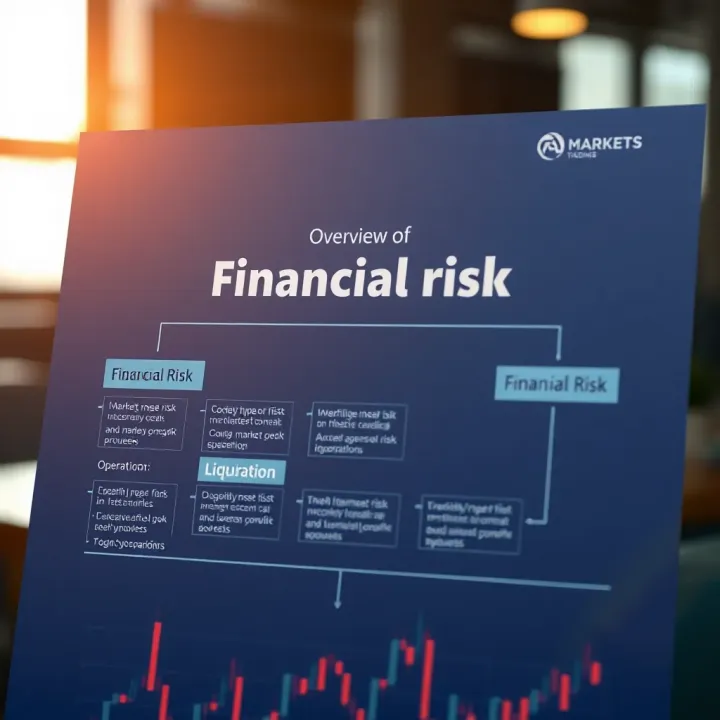
Learn practical financial risk management tools and strategies 📊 to identify, assess, and reduce risks, helping Kenyan businesses and investors safeguard assets. 💼

Learn how Kenyan businesses can manage compliance risks effectively to avoid penalties, safeguard reputation, and ensure smooth operations. ⚖️📊
Based on 6 reviews