

Understanding Cashier Binary: Key Concepts & Uses
Explore the detailed workings of cashier binary in finance 💳, its key role in cashier tasks, tech challenges, and benefits in Kenya's market and beyond 🌍.
Edited By
Henry Foster
Non-binary identities refer to people who don't fit strictly into the categories of 'male' or 'female'. Instead of identifying solely as one or the other, non-binary individuals may view their gender as falling somewhere in between, shifting over time, or outside the traditional gender labels altogether.
In Kenya, conversations about gender mostly focus on male and female roles as defined by culture, religion, and social norms. This binary outlook often overlooks the experiences of those who identify as non-binary, creating gaps in understanding and acceptance. Although awareness is growing, many still face misunderstanding or exclusion.

Recognising non-binary identities involves more than names or pronouns — it's about acknowledging diverse ways to express gender. For example, while some non-binary Kenyans might prefer using pronouns like 'they/them' or 'ze/zir', others might blend masculine and feminine expressions in their attire or behaviour. This diversity challenges fixed moulds, opening up space for individual choice.
The social challenges non-binary people face in Kenya include limited legal recognition, cultural pushback, and minimal representation in media or public life. Access to services such as healthcare can be difficult when systems assume a binary gender framework. Such barriers can affect mental health, job opportunities, and social inclusion.
That said, a few communities and organisations in Kenya are raising awareness about gender diversity. These groups encourage dialogue in schools, workplaces, and online spaces, helping to reduce stigma and promote respectful inclusion. Some young Kenyans especially, through social media, are sharing their stories about non-binary identities, slowly reshaping social attitudes.
Understanding non-binary identities is key to fostering an inclusive Kenya where every person can live openly without fear of discrimination or erasure.
Here are some practical points to consider:
Non-binary is a valid gender identity distinct from transgender but sometimes overlapping.
Gender expression varies individually and isn't always linked to biological sex.
Respecting chosen names and pronouns is a simple step to show support.
Legal gender recognition for non-binary people is still very limited in Kenya.
By recognising non-binary experiences, professionals in finance, trading, and investment can better understand the social dynamics that shape consumer behaviour and workforce diversity. Appreciating this diversity can also improve workplace environments and customer relations in Kenya's evolving market.
This article will explore different aspects of non-binary identities, offering practical insight grounded in Kenyan culture and realities.
Understanding what non-binary means is essential for grasping the broader conversation on gender beyond just male and female. In the Kenyan context, this understanding helps break down barriers and misconceptions that often limit how we view identity. Non-binary people do not fit within the traditional categories of male or female. Recognising this allows professionals, especially in finance and trade, to create an inclusive environment and tailor services without assumptions or errors.
Non-binary gender refers to identities that exist outside the conventional binary of male and female. It captures a range of experiences where individuals might identify as both, neither, or fluctuate between genders over time. For example, a person might feel comfortable with some traditionally masculine traits but lean towards femininity in others, or reject gender labels altogether. In Kenya, this is often overlooked because society focuses on rigid definitions tied to biology or culture.
Defining non-binary therefore means accepting that gender is not strictly biological but involves personal and social understandings which can vary widely. Some individuals may use terms like "genderqueer," "genderfluid," or "agender" to describe their experience. Importantly, recognising this diversity reduces the risks of misgendering, which can affect people’s mental health and social experiences.
The key difference between non-binary and the traditional male/female categories lies in the rejection of fixed gender roles. While Kenyan society mostly recognises only two genders, non-binary people challenge this binary by living outside conventional boundaries. Non-binary individuals may not feel connected to the expectations that come with male or female identities, such as behaviour, clothing, or social roles.
For instance, consider a trader in Nairobi who identifies as non-binary and dresses in a mix of styles that don’t align with typical male or female fashion. This person may also prefer neutral pronouns or a chosen name that fits their identity, rather than their legal or birth name. Understanding these distinctions can help businesses, regulators, and service providers respect client identity, avoid mistakes, and foster trust.
Appreciating what non-binary means is more than a social question; it directly affects practical matters such as record-keeping, customer service, and workplace equality.
By recognising non-binary identities, Kenyan institutions can adapt systems — for example, accommodating options beyond "male" and "female" in forms, or respecting pronoun preferences in workplace conversations. This willingness to understand and adjust is key to a modern, inclusive society that serves everyone fairly.
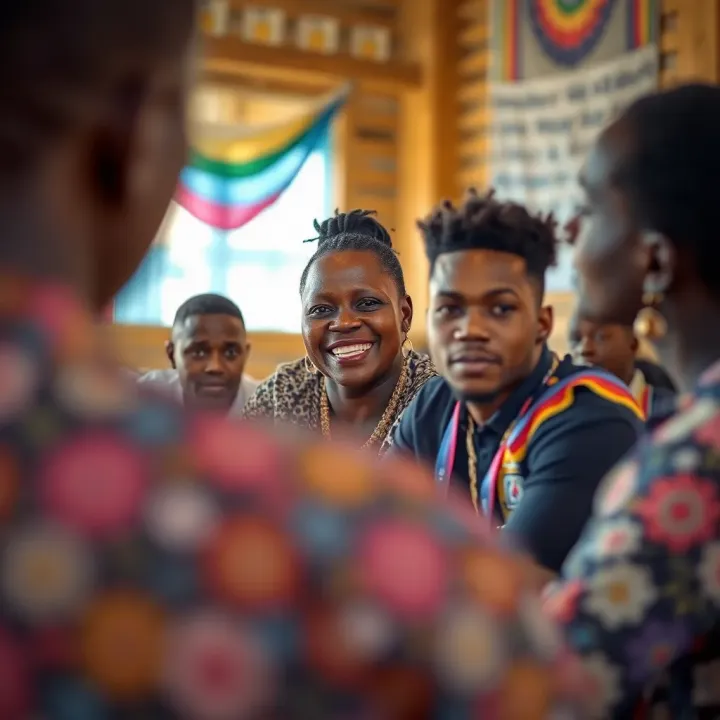
Non-binary identities hold a growing relevance in Kenyan culture as awareness expands beyond conventional understandings of gender. While much of Kenyan society traditionally recognises only male and female roles, acknowledging non-binary identities invites a more inclusive perspective that reflects the diversity within communities. This recognition helps challenge longstanding stereotypes and opens space for non-binary individuals to express themselves openly, which is key for social cohesion and mental wellbeing.
Kenyan culture historically assigns specific roles and expectations based on a binary gender system. Men are often viewed as breadwinners and heads of families, while women take charge of domestic tasks and childrearing. For example, in many communities, a man’s worth is tied to his ability to provide and protect, while women are expected to maintain the home and support family traditions. These roles are reinforced by cultural practices such as rites of passage and inheritance laws.
However, these traditional roles sometimes exclude or marginalise those who do not fit neatly into the categories of ‘male’ or ‘female’. For instance, people with non-binary identities may face misunderstanding or pressure to conform, which can affect their sense of belonging and opportunities in social and economic life.
Kenya’s history shows instances where gender diversity was acknowledged more fluidly than today’s rigid binary might suggest. Some ethnic groups, such as the Meru and the Luhya, recognised individuals who performed roles that cross traditional gender lines, often granting them unique social or spiritual status. For example, among the Meru, certain figures known as mugwe held spiritual leadership roles that transcended gender distinctions.
In modern Kenya, non-binary recognition is slowly gaining ground, especially in urban areas and online communities. Activists and advocacy groups increasingly highlight the presence of diverse gender identities, pushing for inclusion in areas such as legal documentation, healthcare, and education. Despite these advancements, many non-binary people still navigate legal and societal barriers, as Kenyan law and public institutions mostly operate within a male/female framework.
Understanding Kenya’s cultural backdrop helps frame the complex experience of non-binary individuals, showing how identity intersects with tradition and modernity. Recognising gender diversity is not about rejecting culture but expanding it to accommodate everyone.
This cultural shift, although gradual, is important for Kenya’s social progress and opens new pathways for dialogue, acceptance, and equal rights for non-binary people.
Non-binary people in Kenya face several hurdles that impact their daily lives and wellbeing. Understanding these challenges is key to fostering empathy and promoting inclusive policies. This section focuses on social stigma and legal barriers, two of the most significant obstacles non-binary Kenyans encounter.
Social stigma remains a major barrier for non-binary individuals in Kenya. Many Kenyans still see gender strictly as male or female, so someone identifying outside these categories can face misunderstanding or outright rejection. In families and communities, non-binary people may be subjected to harsh criticism or alienation, which affects mental health and social connections.
For example, a non-binary person might be called derogatory names or dismissed in conversations about gender, even by well-meaning acquaintances. This can discourage them from expressing their true selves openly. In workplaces, non-binary employees risk discrimination or lack of respect, from using the wrong pronouns to exclusion from gender-specific benefits or facilities.
Education systems sometimes also neglect non-binary identities, leaving young people without adequate support or representation. The absence of clear awareness fuels myths and misunderstandings, which further entrenches social stigma.
Social rejection and ignorance are not just personal challenges but community issues that hinder social cohesion and individual potential.
On the legal front, non-binary Kenyans face significant obstacles with official documents and recognition. Currently, national ID, passports, and other registration systems require individuals to select either 'male' or 'female'. This binary approach leaves non-binary people without an accurate marker for their identity.
Such legal gaps have practical consequences. For example, a non-binary person travelling abroad or applying for employment might struggle with documents that do not reflect their gender identity, leading to awkward explanations or outright denial of access. This problem also extends to services that require gender for registration, like healthcare or banking.
Attempts to change legal documents come with bureaucratic hurdles since the law does not explicitly recognise non-binary identities. This forces many to either use the gender assigned at birth or go through costly and complicated processes to change gender markers without proper options.
Beyond documents, the law offers limited protection against discrimination based on gender identity. While Kenya's constitution promises equal rights, non-binary individuals often lack explicit legal safeguards, leaving them vulnerable to mistreatment in education, jobs, or public services.
In practice, improving legal recognition and protections for non-binary people would help ease many day-to-day challenges and promote a more inclusive society.
Together, the social stigma and legal hurdles illustrate why non-binary Kenyans often face exclusion or invisibility. Addressing these challenges requires both awareness in society and concrete changes in policy to protect human rights and celebrate diversity within Kenya's social fabric.
Non-binary individuals often express their gender in ways that feel true to their identity, resisting the traditional male or female categories. Recognising these expressions helps foster respect and inclusion, especially in Kenyan settings where fixed gender roles remain common. This section focuses on how non-binary people use pronouns, names, and appearance to communicate their identity clearly and comfortably.
Pronouns are a key part of gender expression for many non-binary people. Instead of the usual “he” or “she,” they might prefer neutral pronouns like “they/them” or other variations such as “ze/hir.” Using someone's chosen pronouns shows respect and acknowledges their identity. For instance, a Kenyan office where colleagues introduce their pronouns can create a supportive environment and reduce misunderstandings.
Names also play a crucial role. Some non-binary individuals choose a new name that better reflects their gender or feel comfortable using a shortened version of their birth name. For example, a person called "Wanjiku" might prefer "Wanju" if it aligns more closely with their non-binary identity. In daily life, this small change can boost confidence and affirm identity, but it can be challenging in official contexts where legal names are required, such as bank accounts or education documents.
Dress and appearance are powerful tools for expressing gender beyond the binary. Non-binary people may blend traditionally male and female clothing or choose styles that don’t conform to either. In Kenya, where formal events often expect specific attire, non-binary individuals might mix shirts with skirts or wear accessories typically associated with the opposite gender, signalling their identity naturally.
The use of makeup, hairstyles, or jewellery can also express gender fluidity. A non-binary person might prefer short hair with colourful highlights or wear nail polish without conforming to a single gender identity.
These choices aren’t just about aesthetics; they offer practical ways to live authentically despite social pressure. That said, non-binary people sometimes face scrutiny for their dress, particularly in conservative areas or workplaces. Awareness and acceptance can ease these difficulties, helping individuals feel safer and more included.
Recognising how non-binary individuals choose names, pronouns, and dress helps foster dignity and respect within Kenyan communities. Small gestures like asking for pronouns or allowing flexible dress codes in organisations go a long way.
Understanding these expressions also aids businesses, schools, and workplaces to create environments where everyone can perform at their best, free from the restrictions of rigid gender expectations.
In Kenya, efforts to support non-binary individuals are slowly gaining momentum despite social and legal challenges. Moving towards inclusion is not just about tolerance; it means creating environments where non-binary people can express their gender identity safely and without fear. This shift benefits Kenyan society by fostering diversity, reducing stigma, and tapping into the potential of all citizens. Businesses, schools, and communities stand to gain from embracing inclusive practices because they promote productivity, innovation, and social cohesion.
Community groups have become vital platforms for non-binary Kenyans to connect, share experiences, and find support. Organisations such as the National Gay and Lesbian Human Rights Commission (NGLHRC) offer advocacy and resources that challenge discrimination based on gender identity. These groups organise workshops on gender diversity awareness, legal rights, and health issues relevant to non-binary people. For example, some have helped individuals navigate problems with official documents when their gender is not traditionally recognised.
These advocacy groups also engage with policy makers to push for legal recognition and protection. Their work is important because Kenya's laws still lag in acknowledging gender identities outside male and female categories. Besides formal organisations, informal networks and online communities on platforms like Facebook and WhatsApp provide safe spaces for sharing advice on matters such as healthcare access and mental wellbeing.
Schools and workplaces have a major role in supporting non-binary Kenyans by fostering inclusivity through simple but effective measures. In schools, teachers and administrators can start by using students’ chosen names and pronouns. Integrating education about gender diversity into the curriculum helps create awareness and reduces bullying. For instance, some progressive schools in Nairobi have begun sensitising pupils and staff to different gender identities during life skills or social studies lessons.
At workplaces, human resource policies should explicitly protect gender expression and identity. Employers can introduce staff training to help colleagues understand non-binary experiences and discourage harassment. Practical support includes allowing flexible dress codes and providing gender-neutral washrooms where possible. Companies like Safaricom have shown progress in embracing gender diversity through their diversity and inclusion programmes.
Inclusion is not just an ideal but a practical approach that enables non-binary Kenyans to contribute fully without compromise, ultimately benefiting the broader community and economy.
Creating more awareness and support channels will help Kenya build a more understanding society where everyone — regardless of gender identity — can thrive. This progression requires combined effort from community groups, educational institutions, workplaces, and policy makers.
Explore the detailed workings of cashier binary in finance 💳, its key role in cashier tasks, tech challenges, and benefits in Kenya's market and beyond 🌍.

Explore binary trade basics, risks, and benefits tailored for Kenyan traders. Learn how to predict asset moves for smart, timely decisions 📈💡

📊 Explore how binary trading works in Kenya! Learn key features, risks, strategies, platforms, and regulations for smart investing.💡📈

📊 Explore binary options in Kenya: learn how they work, understand risks, choose platforms, and navigate legal factors to invest wisely and safely.
Based on 11 reviews