

Forex Trading Brokers in Kenya: Complete Guide
🌍 Explore top forex brokers in Kenya, learn how to pick the right one, understand regulations, platforms, payment methods, and avoid trading traps.
Edited By
Amelia Turner
Forex trading can be a tempting way to make quick profit, especially for many Kenyans looking to build extra income. But understanding how much you can realistically earn per day is key to managing expectations and risks. Unlike a fixed salary, forex profit is variable — it depends on your strategy, capital, market conditions, and discipline.
Many new traders expect to make thousands of shillings daily from the get-go, but that often sets them up for disappointment. The truth is daily profits can range from a few hundred shillings to several thousands, depending on how much you invest and the risks you take. What’s important is consistency, not quick wins.

"In forex, small steady gains add up better than chasing big wins that lead to big losses."
For Kenyan traders, understanding forex profit per day means knowing these key influencers:
Trading capital: The bigger your account, the higher your potential earning. For example, a trader with KSh 100,000 using a 1% daily profit goal could aim for KSh 1,000 per day.
Risk management: Limiting loss to 1-2% per trade protects capital and keeps you trading longer. Risking too much might wipe out gains faster than you earn.
Market volatility: Forex pairs like USD/KES may move differently day to day. Volatility affects chances to profit.
Skill and strategy: Experience in reading charts and knowing when to enter or exit trades is vital. Kenyan traders who learn with demo accounts and adapt strategies improve their odds.
To sum up, aiming for steady, achievable daily profits while controlling risks is the path Kenyan traders should choose. Getting fixated on big daily profits often leads to reckless trading and losses. Instead, focus on improving your skills, managing your money wisely, and adjusting to market rhythms. This solid approach offers better chances for sustainable gains over time.
Understanding how daily profits are calculated is essential for Kenyan traders aiming to navigate the forex market with realistic expectations. It helps you plan your trades, manage risks, and set achievable targets based on your account size and market conditions. Essentially, daily earnings come down to movements in currency prices measured in pips, the size of your trade (lot size), leverage used, and the costs involved in each transaction.
A pip is the smallest price move that a currency pair can make, traditionally the fourth decimal place — for example, if USD/KES moves from 109.3500 to 109.3600, that’s a 1 pip change. Pips are a standard way of measuring profit or loss in forex trading. The more pips your trade gains, the bigger your profit. This makes pips a direct indicator of how much money you can make or lose in a trade.
Lot sizes, on the other hand, refer to the volume of currency you're trading. Standard lot size is 100,000 units of the base currency, but many brokers allow smaller sizes like mini lots (10,000 units) and micro lots (1,000 units). The bigger the lot size, the higher the profit or loss per pip. For example, with a micro lot, one pip might be worth about KS,000, but with a standard lot, that pip could represent KS00,000. This means your daily earnings depend hugely on the lot size you are comfortable trading with.
First, market volatility plays a direct role — when markets are volatile, currency prices swing more, offering traders more opportunities to gain pips and hence increase profits. However, volatility also increases risk; unpredictable swings can wipe out gains fast if you're not careful. Kenyan traders should watch major events like Central Bank of Kenya (CBK) rate announcements or global news that often lead to higher volatility.
Leverage and margin amplify your trading power but also your risk. Leverage lets you control a large position with a small amount of your own money, effectively increasing your potential profits. For example, a leverage of 1:100 means with KS0,000 you can control KS,000,000 worth of currency. This magnifies gains but also losses, so good risk management must accompany its use.
Finally, spread costs and transaction fees reduce your net profit. The spread is the difference between the buy and sell price quoted by your broker; tighter spreads mean less cost and more profit potential. Additionally, some brokers charge commissions or fees, especially on smaller accounts or high-frequency trading, which can chip away at daily earnings if not considered.
Calculating forex earnings per day requires a clear grasp of pips, lot sizes, volatility, leverage, and costs. Mastering these helps in setting realistic daily profit goals and managing risks effectively in Kenya’s trading environment.
Setting reasonable expectations about daily profits in forex trading is essential to avoid disappointment and risky behaviour. Kenyan traders often hear about extraordinary gains, but understanding what’s achievable on a day-to-day basis helps in planning and sustaining a trading career.
Daily profit targets usually depend on the size of the trading account. For example, a trader with an account balance of KSh 100,000 aiming for 1% daily returns would target KSh 1,000 per day. This might sound modest but compounded over time, it adds up. On the other hand, hoping to make 10% daily on the same amount — KSh 10,000 every day — is rarely sustainable due to market fluctuations and risks.
Kenyan traders should consider typical forex strategies that generate between 0.5% to 2% daily profit in consistent conditions. Attempting to push beyond this range often leads to overleveraging — risking more than is sensible — or trading too aggressively, which can wipe out gains quickly.
Overambitious daily profit goals can sabotage your trading if not matched by a solid plan and sufficient experience.
Chasing high daily returns in forex often means opening large positions or using excessive leverage. While leverage can magnify gains, it equally magnifies losses — a blown account is much more likely when this happens. For instance, a trader using 1:100 leverage on a KSh 50,000 account could control KSh 5 million worth of currency, but just a small market movement in the wrong direction may cost the full deposit.

Moreover, setting unrealistic daily profit targets can lead to emotional decision-making, such as revenge trading after losses or ignoring stop-loss orders. This behaviour undermines risk management, a critical factor for long-term success.
Beginners in Kenya often start with modest profit goals, sometimes less than 0.5% daily, as they learn market rhythms and trading tools. Their margins tend to be narrower because they trade smaller lots and take fewer risks. Seasoned traders, after months or years, may confidently aim for up to 2% daily profit, backed by refined strategies and disciplined money management.
Profit expectations should grow with skill and understanding. Unrealistic goals early on can discourage beginners quickly, leading to improper risk-taking or quitting prematurely.
Consistent profits come from continuous learning and practical experience. Kenyan traders who invest time in analysing their trades, attending workshops or online courses, and practising with demo accounts often improve over time. Learning about technical analysis, economic indicators affecting major pairs like USD/KES, EUR/USD, and mastering trade executions can significantly boost profit potential.
Practice also sharpens emotional control, crucial when trading live with real money. Those who understand their own tolerance for risk and have tested strategies under various market conditions tend to make smarter trade decisions, improving the odds of daily gains.
In summary, realistic daily profits depend heavily on account size, realistic target-setting, experience, and ongoing education. Kenyan traders who balance these factors are better positioned to make steady, controlled gains rather than jumping after quick, risky wins.
To earn steady profits from forex trading, Kenyan traders must prioritise practical, reliable strategies. Consistency in profit is less about chasing big wins and more about managing risk smartly while making informed decisions. These strategies balance protecting capital with seizing market opportunities. Taking shortcuts or ignoring risk controls often leads to losses rather than gains.
Setting stop-loss and take-profit orders is an essential step in controlling losses and locking in gains during daily trading. A stop-loss order tells your broker to close a trade once it reaches a certain loss threshold, limiting damage if the market moves against you. Take-profit orders automatically close trades when a set profit target is hit. For example, if you buy the USD/KES pair at 110 and want to limit losses to 50 pips, setting a stop-loss at 109.50 will protect your account from bigger falls.
By planning these exit points ahead, you reduce emotional decisions like holding a losing position too long or exiting too early. It also helps Kenyan traders working full-time jobs to automate risk limits because they may not monitor trades 24/7.
Position sizing based on risk appetite means adjusting how much money you place per trade depending on how much you’re willing to lose. For instance, if your total capital is KSh 100,000 and you decide not to risk more than 2% on any trade, your maximum loss is KSh 2,000. You then size your trade accordingly, factoring in stop-loss distance in pips and the currency pair’s pip value.
This method prevents overexposure, especially during volatile sessions like those triggered by US Federal Reserve announcements. Beginners often fall into the trap of risking too much per trade and blowing their accounts fast. Position sizing makes your trading sustainable over time.
Technical indicators such as the Relative Strength Index (RSI), Moving Averages (MA), and Bollinger Bands help traders identify entry and exit points on daily charts. For example, when RSI dips below 30, it may signal an oversold Kenyan shilling, suggesting a possible buy opportunity against the dollar. Moving averages smooth price data to spot trends, helping traders avoid random noise.
These tools are actionable for daily trades because they rely on price data and volume, making them practical even for traders without access to specialised news feeds.
Global news impacts currency pairs heavily, especially economic data from the US, EU, and China—the biggest forex market players. Announcements like interest rate decisions, inflation reports, or trade balances cause swift swings. Kenyan traders must track such events using economic calendars and news apps.
For example, a hawkish statement from the US Federal Reserve usually strengthens the US dollar, affecting USD/KES rates. Ignoring this can lead to entering trades at the wrong time, resulting in losses. Staying informed helps you anticipate market moves and react accordingly.
Consistent profit comes from a blend of protecting your trades and understanding market behaviour—not from hoping for lucky breaks. Combining risk controls with good analysis puts you in charge of your trading journey.
Managing your forex trading account well is vital if you want steady daily profits. Careful attention to capital, broker choice, and performance tracking can separate consistent gainers from traders who struggle. With the volatile forex market, especially for Kenyan traders working with limited funds, smart account management helps reduce risks and maximise earnings.
Realistic forex trading profits depend heavily on the capital you start with. In Kenya, beginning with less than KSh 20,000 often limits your capacity to make meaningful daily returns due to spread costs and leverage constraints. For example, aiming to earn KSh 500 per day on a KSh 10,000 deposit requires more than high-risk plays—it demands consistent and sometimes unlikely positive movements.
A more sensible starting capital is around KSh 50,000 to KSh 100,000. This range gives you room to manage trades comfortably, absorb daily fluctuations, and grow profits steadily without overleveraging. For those testing waters, even smaller amounts can help practice but should not be solely relied on for daily earnings.
The broker you pick affects your trading costs, platform stability, and security of funds. Kenyan traders benefit from choosing brokers regulated by the Capital Markets Authority (CMA) or global regulators with good reputations. For example, brokers like HF Markets or XM that operate under CMA regulation provide legal protection and transparency.
Trustworthy brokers offer competitive spreads, quick execution, and access to local payment methods such as M-Pesa deposits and withdrawals. Avoid brokers that promise unusually high profits or have poor customer reviews, as they might either be scams or lack proper infrastructure.
Keeping a detailed trading journal is one surefire tool to improve your daily returns. Note the currency pairs traded, sizes, entry and exit points, profits or losses, and your thinking behind every trade. Tracking this data helps spot patterns—what works and what does not.
For example, you might find your trades during Nairobi morning hours yield better returns or that certain news events negatively impact your positions. This level of insight prevents repeating mistakes and sharpens decision-making, increasing the chance of daily gains.
Forex markets are unpredictable, and strategy rigidness often leads to losses. Adapting your approach after reviewing outcomes is crucial. If a trading technique consistently delivers poor results, it’s time to tweak or change it.
Suppose your risk appetite causes frequent stop losses—you could reduce position sizes or adjust stop-loss levels. Alternatively, if a particular technical indicator performs well for Kenya Shilling (KES) pairs, increasing focus there makes sense. Being flexible and learning from your journal entries keeps your trading plan aligned with real market behaviour.
Successful forex trading isn’t about luck but ongoing account management, disciplined record-keeping, and willingness to learn from your own trading journey.
By starting with suitable capital, picking the right broker, and actively monitoring your trades, you build a strong foundation for consistent, optimal daily returns in forex trading.
Kenyan forex traders often face unique challenges that directly affect their ability to earn consistent daily profits. Understanding these issues helps traders prepare better strategies and avoid common pitfalls. From market unpredictability to navigating local financial rules, these challenges shape every trader’s experience.
The forex market is known for its swings. Sudden changes in currency values due to global events, such as unexpected political moves or economic data releases, can easily wipe off a trader’s daily gains. For example, a Kenyan trader betting on the US dollar against the Kenyan shilling might see sharp fluctuations during major announcements from the US Federal Reserve. This unpredictability means daily profits are not guaranteed and can sometimes turn into losses overnight.
Handling such volatility requires more than technical know-how; traders must control their emotions. Greed and fear often lead to rushed decisions like overtrading or ignoring stop-loss orders. Without discipline, one might chase after small quick wins and end up with greater losses.
Techniques to maintain discipline and avoid overtrading include setting clear daily loss limits and sticking to planned trade sizes. Keeping a trading journal helps a lot: it records every trade’s reason and outcome, preventing impulsive mistakes. Also, having set trading hours matching Kenyan time zones allows traders to rest and avoid burnout, which often triggers emotional decisions.
Forex trading in Kenya is regulated by the Capital Markets Authority (CMA), which licenses brokers to protect Kenyan investors. Traders must pick brokers authorised by CMA to ensure their funds are safe and transactions are transparent. Using unregulated brokers exposes traders to fraud risk and difficulties withdrawing profits.
Transaction costs also affect daily profits. Apart from broker spreads and commissions, Kenyan traders need to account for taxes on forex income—usually under income tax rules enforced by the Kenya Revenue Authority (KRA). Failure to declare profits can lead to penalties. Additionally, some payment methods, like international bank transfers or M-Pesa withdrawals, may attract fees that reduce net gains.
Managing these regulatory and financial hurdles carefully can make the difference between steady profits and constant losses, especially for Kenyan traders working with smaller capital.
By acknowledging market volatility, emotional challenges, and the local regulatory landscape, Kenyan forex traders can better prepare to meet realistic daily profit goals without unnecessary setbacks.
🌍 Explore top forex brokers in Kenya, learn how to pick the right one, understand regulations, platforms, payment methods, and avoid trading traps.

Explore trusted forex trading companies in Kenya 🇰🇪, understand regulations, broker tips, and smart strategies for safer trading in this growing market 💹.
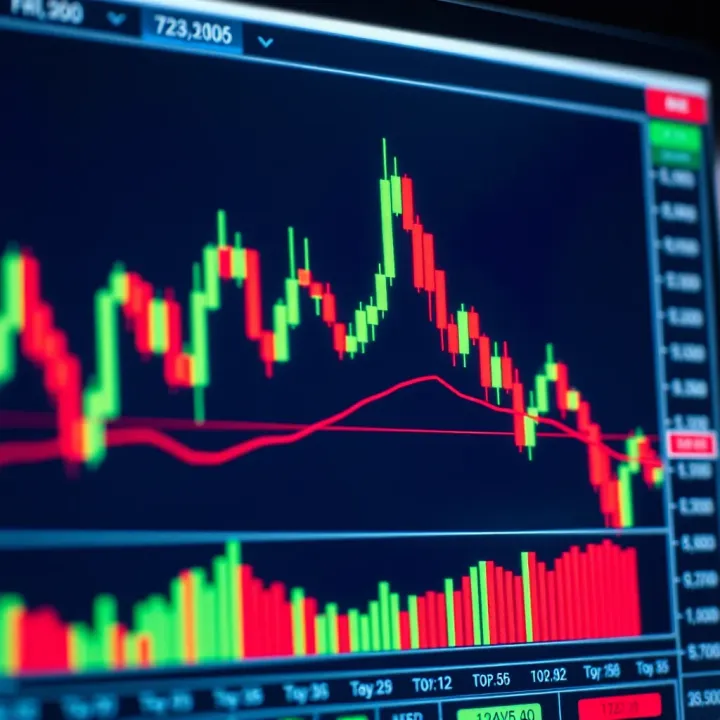
📊 Master forex trading charts to spot price shifts, trends, and opportunities. Learn how chart analysis guides smarter trades and better risk control in forex.

📚 Explore top Forex trading books perfect for Kenyan traders! Learn strategies, risk management, and market analysis to boost your trading skills and confidence.
Based on 13 reviews