

Understanding Forex Chart Patterns for Better Trading
📊 Learn to spot key forex chart patterns and improve your trades. This guide breaks down techniques and common mistakes for Kenyan traders.
Edited By
Henry Lawson
Trade chart patterns are visual formations on price charts that signal potential future movements in the market. For traders in Kenya, whether dealing with NSE stocks, forex, or commodities like tea and coffee futures, understanding these patterns can make a real difference in timing your trades and managing risk.
Chart patterns emerge as a result of the collective behaviours of buyers and sellers, reflecting shifts in supply and demand. Recognising these forms helps traders anticipate whether prices are likely to continue rising, reverse, or consolidate. For example, spotting a "head and shoulders" pattern can warn you of an impending price drop, while a "double bottom" might hint at a bullish reversal.

Good traders rely on chart patterns to complement other analysis tools, not as standalone signals. Combining patterns with indicators like volume or moving averages strengthens decision-making.
Reversal Patterns: Indicate a change in the current trend. Examples include head and shoulders, double tops and bottoms. For instance, during a prolonged bear market, a double bottom might suggest the price will start climbing.
Continuation Patterns: Suggest the current trend will continue after a pause. Flags and pennants are popular examples. A flag pattern on Safaricom shares after a strong uptrend could signal further gains ahead.
Bilateral Patterns: These can break in either direction, so caution is needed. Triangles often fall here, where price tightens before a breakout.
When trading on the Nairobi Securities Exchange (NSE), it’s vital to confirm chart patterns with local market factors. For instance, an ascending triangle forming on KCB Group’s chart during a positive quarterly report might increase the likelihood of an upward breakout.
Moreover, always watch trading volume. A breakout on low volume may be false. If, say, Equity Bank shares break a resistance level with strong volume, chances are the move is genuine.
Traders should also consider broader market news and economic events like CBK interest rate changes or major policy announcements that could affect price action.
By staying alert to chart patterns and combining them with volume and context, you can sharpen entry and exit points, improve strategy, and avoid chasing false signals.
This foundation lays the groundwork for more advanced pattern recognition and risk management, guiding smarter market decisions.
Trade chart patterns are visual tools that reflect how prices move over time. They aren’t just random shapes on a chart but tell a story about how buyers and sellers behave. For traders and investors, understanding these patterns offers a practical edge by revealing likely future price movements based on past behaviour.
Knowing these patterns can save you from costly mistakes. For example, spotting a ‘head and shoulders’ pattern early may warn you of a trend reversal, prompting you to adjust your position before significant losses. This section lays the groundwork, helping you make sense of what these patterns mean and how they serve your trading routine.
At their core, chart patterns are reflections of price action—the actual movement of price over intervals. But beneath the numbers lies something deeper: crowd psychology. Every uptick or downtick mirrors shifts in trader sentiment—whether optimism, fear, or indecision. For instance, a ‘double top’ pattern typically signals that sellers are gaining control after repeated rejections at a specific price level. This interplay between buyers and sellers is what shapes the chart’s patterns.
Understanding this dynamic helps traders read the mood of the market without relying solely on news or fundamentals. When you see a pattern forming, you’re witnessing the market’s collective response to current information and expectations. This insight is valuable, especially when unexpected events influence sentiment quickly.
Trade chart patterns are fundamental to technical analysis, which focuses on price and volume rather than company earnings or macroeconomic data. Using patterns allows traders to anticipate price moves and trade accordingly.
For example, in the Nairobi Securities Exchange (NSE), traders often use the ‘ascending triangle’ pattern to predict upward breakouts, helping them capitalise on bullish sentiment early. This shows that technical analysis, through chart patterns, complements other forms of market analysis by giving clearer entry and exit points based on market behaviour.

One of the main values of chart patterns is their ability to hint at future price direction. While no pattern guarantees a result, they provide probabilities that traders can use to make informed bets. For instance, a ‘bull flag’ usually indicates a continuation of an upward trend after a short pause, suggesting it’s wise to hold or add to long positions.
Predicting direction helps you avoid getting caught going against the market. Kenyan forex traders, for example, might spot a ‘descending triangle’ in the USD/KES pair signalling potential downward pressure, guiding them to prepare for possible drops.
Beyond direction, patterns help pinpoint when to enter or exit a trade. Spotting the right moment is critical; entering too early or late can erode profits or magnify losses. For example, after a ‘double bottom’ forms and price breaks the resistance, a trader might enter with confidence that the trend will reverse upward.
Similarly, recognising signs of exhaustion patterns enable you to set stop-loss orders smartly, limiting losses. Effective timing reduces emotional trading and improves consistency, especially important in volatile markets like NSE equities or forex.
Understanding trade chart patterns isn’t just about drawing lines—it’s about recognising the market’s story and making smarter choices based on collective trader psychology and price behaviour.
Trade chart patterns provide valuable clues about potential price movements, helping traders make informed decisions. Understanding the common types of patterns—reversal, continuation, and bilateral—allows investors to spot shifts in market momentum and adjust their strategies accordingly. Each pattern signals a different market behaviour, so knowing their characteristics can improve timing for entry or exit from trades.
Head and Shoulders is one classic reversal pattern signalling a shift from an uptrend to a downtrend. It looks like three peaks, with the middle one (the “head”) higher than the two shoulders on either side. Once price breaks the “neckline” level, this often confirms a bearish reversal. For a practical example, suppose Safaricom shares have rallied for months, forming this pattern. When the neckline breaks on high volume, some traders sell, anticipating a decline.
The Double Top and Double Bottom patterns also signal trend reversals. A double top forms two peaks around the same price level, indicating sellers testing resistance twice. When the price falls below the support after those peaks, it confirms a bearish reversal. Conversely, a double bottom shows two lows in the price, hinting at a strong support zone. Breaking above resistance after a double bottom suggests bullish momentum. For instance, Kengen’s price dipping twice to the same low before climbing could represent a double bottom.
Triangles come in ascending, descending, and symmetrical forms, typically signalling that the current trend will continue after a pause. For example, an ascending triangle features a flat resistance line and rising support, often in an uptrend. Traders watch for a breakout above resistance to confirm continuation. Descending triangles, common in downtrends, flip this shape; a breakdown below support signals further declines. Symmetrical triangles show narrowing price range without a clear bias, so a breakout can be either upwards or downwards. Investors trading on the Nairobi Securities Exchange (NSE) might see these patterns during periods of consolidation.
Flags and Pennants are short-term continuation patterns forming after strong price moves. Flags look like small rectangles slanting against the prevailing trend, while pennants appear as small symmetrical triangles. Both represent brief pauses before traders push the price further in the breakout direction. For instance, during a sustained rally, a brief flag pattern might appear on an equity like Equity Bank before the uptrend resumes. Recognising these can help traders maintain positions instead of exiting too soon.
Symmetrical Triangles, often classified as bilateral, signal uncertainty, where price can break either way. This indecision reflects balanced buying and selling pressure. Traders treat these shapes cautiously, waiting for a confirmed breakout direction before committing. For example, in Kenya’s forex market, currency pairs might form symmetrical triangles during range-bound phases.
Wedges are sloped patterns that also hint at possible breakouts, but their slant determines if a breakout is likely upwards or downwards. A rising wedge usually precedes a bearish reversal, as rising prices lose momentum. Conversely, a falling wedge often marks a bullish reversal, signalling prices have found support after falling. For Kenyan traders watching NSE equities or forex, spotting wedges can improve timing and risk management.
Recognising these common patterns equips traders with sharper insights into market behaviour, enabling better-informed decisions across various asset classes.
Understanding and applying these patterns requires practice, especially when considering factors like volume and broader market trends. Nevertheless, this knowledge forms the backbone of technical analysis, adding an edge in Kenya’s bustling trading environment.
Understanding trade chart patterns is only part of the story—it’s knowing what they truly mean in real trading scenarios that makes the difference. Interpreting these patterns correctly involves confirming them with other data points to avoid jumping the gun. This helps traders make decisions based on solid signals rather than guesses.
Volume trends are key in verifying the strength of a chart pattern. For instance, if you spot a breakout from a triangle pattern accompanied by rising volume, it suggests genuine buying interest and increases the pattern’s reliability. Conversely, a breakout on low volume might indicate a false move, prone to reversal. Kenyan traders watching stocks on the Nairobi Securities Exchange (NSE) could use this insight to avoid mistaking a short-lived price spike for a true trend.
Indicators such as moving averages and the Relative Strength Index (RSI) add further clarity. Moving averages help smooth out price action and can act as support or resistance levels during pattern formation. If a head and shoulders pattern forms and the price crosses below the 50-day moving average with a rising RSI divergence, that adds weight to a potential reversal signal. The RSI, which measures overbought or oversold conditions, can warn traders if a pattern signal might fail due to extreme momentum conditions, helping them time entries and exits better.
One common pitfall is relying on chart patterns alone without seeking confirmation, leading to costly false signals. For example, a double top may look convincing, but without increased volume at the peaks or confirmation from other indicators, it may just reflect short-term hesitation. Recognising these traps saves money and stress.
Besides technical signs, understanding the broader market context is vital. Local economic news, political events, or global shifts can override pattern signals. A bullish pattern during election uncertainty in Kenya might fall apart once results shake investor confidence. Therefore, integrating news and market sentiment with chart pattern analysis ensures decisions reflect reality, not just historical price movements.
Volume, indicators, and market context together sharpen your trading edge. Without these, patterns may mislead rather than guide.
To sum up, interpreting chart patterns effectively means confirming them through volume and technical indicators, while steering clear of common mistakes and reading the bigger picture. This approach helps Kenyan traders build stronger, more reliable trading plans.
Applying trade chart patterns in the Kenyan market context offers traders practical ways to spot opportunities and risks by reading price movements effectively. The Nairobi Securities Exchange (NSE) has grown in liquidity and diversity, making technical analysis increasingly relevant for decision-making. Similarly, Kenya’s active forex market adds another layer where these patterns inform smarter trades. Understanding how to identify and use chart patterns locally equips traders to make choices based on market behaviour rather than guesswork.
In the NSE equities market, chart patterns such as head and shoulders, double tops, and triangles appear frequently and help traders decipher possible trend reversals or continuations. For example, stocks like Safaricom and Equity Bank often show clear pennant or flag patterns during their price consolidation phases, signaling potential breakouts. Recognising these established patterns allows investors to time entry and exit points more accurately, improving returns in a market where volumes can spike unexpectedly.
On the forex side, currency pairs involving the Kenyan shilling, such as USD/KES or EUR/KES, also display these patterns, but traders must consider added volatility influenced by external factors like global commodity prices and geopolitical events. Forex traders watching patterns around support and resistance lines in these pairs can better manage risks, especially during periods of central bank announcements or changing economic indicators. The shorter timeframes common in forex require swift recognition and confirmation of patterns, making technical skill crucial.
Kenya’s widespread adoption of mobile money, especially M-Pesa, has transformed how traders fund and manage their accounts. Many brokers now offer platforms integrated with M-Pesa, allowing fast deposits and withdrawals without reliance on traditional banks. This convenience enhances traders’ ability to act on chart pattern signals immediately, avoiding delays that could erode potential profits.
Tracking chart patterns directly on mobile devices has become increasingly practical as apps now support detailed technical charts alongside live prices. Traders in Nairobi or smaller towns can monitor evolving patterns like wedges or symmetrical triangles even while on the move. The convenience of mobile alerts on breakout patterns also helps traders stay ahead without being glued to a desktop. This mobility introduces flexibility, enabling Kenyan traders to combine pattern analysis with local market rhythms effectively.
In the Kenyan trading environment, combining traditional chart patterns with modern, mobile-enabled tools offers a real advantage. It closes the gap between spotting opportunities and acting on them efficiently.
By applying chart pattern knowledge specifically to Kenyan equities and forex, and leveraging mobile platforms linked to M-Pesa, traders position themselves better to navigate local market dynamics and increase their chances of success.
Managing risk is a key part of trading, especially when using chart patterns to guide decisions. Relying solely on patterns without a plan for risk can lead to heavy losses, given the market's unpredictability. Knowing how to set limits like stop loss and take profit levels helps control potential downsides if the market moves against you. This approach also locks in gains when trends play out as expected, balancing potential rewards with caution.
Using pattern targets to guide exits: Most chart patterns have price targets based on the shape and size of the pattern. For example, in a head and shoulders pattern, traders estimate the price drop by measuring the height from the head to the neckline, then project that distance downwards. This target helps when deciding where to take profits or place stop losses. Suppose a Nairobi Securities Exchange (NSE) stock forms a double top around KSh 20 and KSh 21; the expected drop might be about KSh 3 based on the pattern’s height, so a trader can plan exits accordingly.
Adjusting stops according to volatility: Markets can be choppy, especially in forex pairs like USD/KES, so fixed stops might get hit prematurely. It’s wiser to adjust stop losses in line with recent price swings. For instance, if M-Pesa-linked mobile forex trading shows daily fluctuations of 0.5%, placing a stop too tight might cause early exit from normal volatility. Using indicators such as Average True Range (ATR) to set stops wider during volatile days and tighter when the market calms helps keep positions active but contained.
Fundamental analysis support: Chart patterns work best when backed by fundamentals. For example, an NSE-listed bank showing a bullish triangle may confirm the pattern if recent earnings reports indicate growth or sector reforms are favourable. Conversely, even a strong chart pattern may fail if a company faces a sudden regulatory challenge or macroeconomic shock. Kenyan traders benefit from checking company reports, economic indicators, or political news alongside chart signals to avoid false starts.
Position sizing and money management: Deciding how much capital to risk on a trade matters greatly. Suppose you trust a flag pattern on Safaricom stock pointing to a price rise, but only allocate 2% of your total portfolio to this trade. This approach protects you if the pattern fails while allowing gains when it works. Good money management also dictates adjusting trade size to account for volatility — more volatile assets require smaller positions. This balance helps prevent large losses in a market that can move quickly, especially when trading on margin or using borrowed funds.
Managing risk around chart patterns is as vital as knowing the patterns themselves. Practical limits on losses and gains, supported by fundamental checks and smart capital allocation, enable traders to trade with confidence and discipline in Kenyan markets and beyond.
📊 Learn to spot key forex chart patterns and improve your trades. This guide breaks down techniques and common mistakes for Kenyan traders.

Master forex chart patterns 📉 to spot trends and improve your trading skills. Learn how to identify price movements and make smarter trades today!

📈 Learn to spot and interpret key chart patterns for smarter trading. Access trusted PDF guides tailored for Kenya's market to sharpen your strategy today.
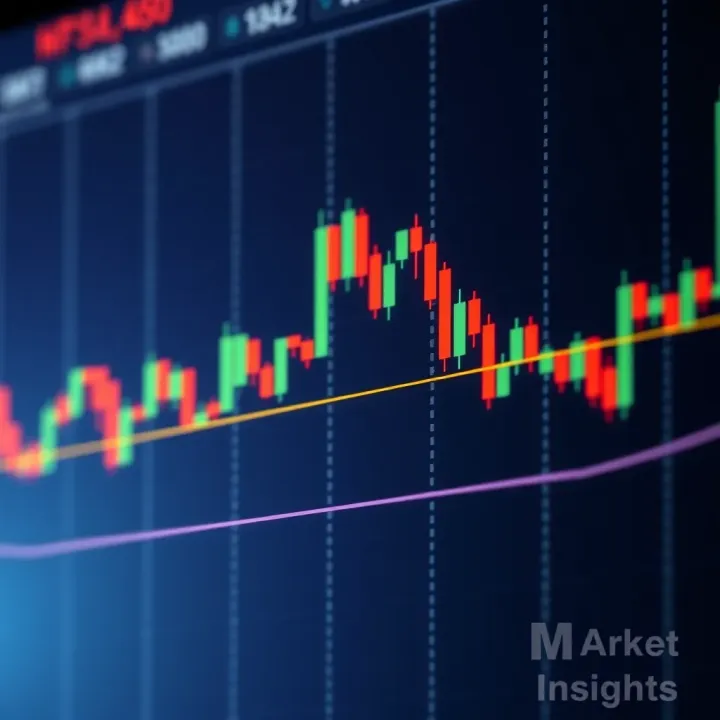
📊 Learn how to spot key chart patterns to make smarter trades in Kenya's markets. Practical tips for reading and using financial charts effectively.
Based on 13 reviews