

Effective Credit Risk Management in Kenyan Banks
Discover how Kenyan banks tackle credit risk with smart assessments, regulatory support, and practical strategies to keep finances safe and stable 📊💼
Edited By
James Collins
Risk management is more than a buzzword for Kenyan businesses; it's a necessary part of staying afloat in a fluctuating market. With challenges ranging from unpredictable rainfall impacting agriculture to shifting regulations by bodies like the Kenya Revenue Authority (KRA), knowing how to manage risks can make or break a business.
Understanding the tools available helps traders, investors, and finance professionals make smart decisions. Not every risk tool fits every company, so learning how to pick and apply the right ones tailored to Kenya's unique economy is key.

Effective risk management safeguards your assets, keeps your operations running smoothly, and supports your business growth in the face of uncertainty.
Businesses commonly use financial tools such as insurance covers and hedging to manage risks. For example, crop farmers in the Rift Valley can use weather-indexed insurance to protect themselves against drought losses. Meanwhile, export companies in Mombasa might hedge against currency fluctuations between the Kenyan Shilling and the US Dollar using forward contracts.
These financial instruments cushion businesses from unexpected shocks, but it’s crucial to understand the terms and affordability in the Kenyan context.
Tech solutions are gaining ground in Kenya's risk landscape. Mobile money platforms like M-Pesa provide quick access to funds during emergencies, while digital accounting software simplifies financial tracking, reducing the risk of human error.
Cybersecurity tools are essential too, as businesses increasingly face cyber threats. Using firewalls and regular software updates can prevent data breaches that might cripple operations.
Kenyan businesses must keep up with local laws and policies to avoid fines and operational hitches. Tools such as the eCitizen portal help firms file taxes and renew registrations without delays. Keeping NHIF (National Hospital Insurance Fund) and NSSF (National Social Security Fund) contributions up to date also minimise legal risks.
Assess Your Risk Exposure: Whether in manufacturing or service, know your weak points.
Choose Tools That Fit Your Sector: For instance, a jua kali artisan might rely more on insurance than advanced digital solutions.
Train Your Team: Everyone should understand basic risk measures.
Review Regularly: Risks evolve, especially in Kenya’s dynamic market, so adapt your tools.
Taking these steps helps Kenyan businesses use risk management tools effectively without wasting resources.
In summary, using the right combination of financial safeguards, technology, and legal compliance tools helps businesses face Kenya’s unpredictable environment with confidence. Tailoring these solutions to fit local needs improves resilience and opens opportunities for sustainable growth.
Risk management is the backbone of sustainable business growth. Knowing its basics helps businesses spot potential threats early, reduce losses, and make informed decisions. In Kenya’s dynamic market, where economic shifts, regulatory changes, and external shocks are common, having a firm grip on risk management is more than a necessity – it’s a lifeline.
Risk management refers to the process businesses follow to identify, evaluate, and prioritise risks that might affect their operations. The goal is to minimise the negative impact of these risks through appropriate strategies. For example, a retail shop might assess the risk of theft or stock damages and put measures like security or insurance in place to protect its assets.
The key objectives include safeguarding resources, ensuring business continuity, and improving decision-making. Risk management isn’t simply about avoiding risks altogether but rather managing them in ways that also allow businesses to take calculated steps forward.
Every Kenyan business, whether a jua kali artisan or a medium-sized manufacturer, faces risks that could disrupt day-to-day activities. Effective risk management ensures that these businesses can plan better and react swiftly when challenges occur. It improves trust among customers and investors by demonstrating reliability and preparedness.
Consider a small café in Nairobi. Without managing risks like fluctuating milk prices or power outages, the business may face sudden costs or downtime. However, by anticipating these challenges, the owner can negotiate supply contracts or invest in generators, keeping the business running smoothly.
Financial risks involve losses from fluctuating currency rates, credit issues, or cash flow problems. Given Kenya’s exposure to global markets and inflation pressures, businesses must guard against unexpected cost increases or payment delays. For instance, importers might lose money if the Kenyan shilling weakens suddenly against foreign currencies.
Businesses often handle financial risks via budgeting, maintaining emergency funds, or using financial tools like forward contracts.
These risks arise from internal processes, people, or systems failing. In Kenya, common operational risks include equipment breakdowns, supply chain disruptions, and worker strikes. For example, a logistics company might face delayed deliveries during the long rains if roads become impassable.
Managing operational risks can involve proper maintenance schedules, diversifying suppliers, or having contingency plans.
Compliance with Kenyan laws is vital to avoid penalties or shutdowns. Regulations covering tax filings (via KRA iTax), labour laws, and industry-specific licences impact how businesses operate. Failure to comply risks reputational damage and financial losses.

Regular updates on legal changes and working with legal experts help businesses stay compliant.
Market risks come from shifts in demand or competition, while credit risks relate to customers failing to pay. For a Kenyan agri-business, a sudden drop in export demand to the East African Community or delayed payments by buyers can endanger cash flows.
Businesses manage these risks by monitoring market trends, building strong customer relationships, and setting clear credit terms.
Solid risk management builds resilience. It prepares businesses not only to survive shocks but also to seize opportunities confidently.
Understanding these risk types forms the foundation Kenyan businesses need to develop tailored risk management tools. It ensures that as risks evolve, companies stay ready and steady on their growth path.
Financial tools are vital for Kenyan businesses aiming to shield themselves from unpredictable challenges. They offer practical ways to manage uncertainties like currency fluctuations, market shifts, or unexpected losses. When properly applied, these tools help preserve cash flow, protect assets, and maintain business stability even in tough times.
Insurance acts as a financial safety net for many risks businesses face. Common types include property insurance, which covers physical assets like premises or equipment, and liability insurance, protecting against claims from customers or third parties. For businesses involved in transport or logistics, motor vehicle insurance is crucial. Kenyan firms, especially those in agriculture, often find crop or livestock insurance valuable to manage seasonal risks exacerbated by weather uncertainty.
Health insurance and workers' compensation also play important roles, safeguarding employees and meeting legal requirements. Choosing from these types depends on the specific risks your business faces and the sector you operate in.
Selecting suitable insurance requires careful assessment of potential risks relative to your business size and activities. It’s important to understand policy details, including coverage limits, exclusions, and premium costs. For example, some companies may choose comprehensive cover despite higher premiums to avoid gaps in protection, while others may opt for more basic plans to manage expenses.
In Kenya, working with reputable insurers and brokers helps ensure reliable claims processing and policy support. Many businesses also review their insurance policies annually, adjusting covers as their operations evolve or as new risks emerge, such as cyber threats or supply chain disruptions.
Derivative instruments and futures contracts offer Kenyan businesses ways to lock in prices or hedge against market fluctuations. For instance, an exporter worried about the shilling’s volatility against the dollar might use currency futures to secure an exchange rate, reducing uncertainty in foreign earnings. Similarly, commodity buyers can use futures to stabilise input costs, essential in sectors like tea or coffee production.
While they require understanding and sometimes access through financial institutions or brokers, these tools can effectively limit downside risks. However, they must be used cautiously since incorrect positioning could lead to losses, especially for businesses without sophisticated treasury functions.
Diversification spreads risk by allocating investments across different asset classes or sectors. For Kenyan investors or businesses managing surplus funds, this might mean balancing equity holdings on the Nairobi Securities Exchange (NSE) with government bonds or real estate.
In practical terms, diversification reduces exposure to any single market downturn. For example, if agricultural stocks fall due to poor rains, fixed-income securities may offer stable returns, balancing overall risk. Businesses should tailor diversification to their risk appetite, investment horizon, and liquidity needs.
Businesses that actively combine insurance, hedging, and diversification tools tend to build stronger resilience, ensuring they can navigate Kenya’s changing economic landscape with more confidence.
Technology plays a major role in managing risks for Kenyan businesses. It not only helps spot potential issues early but also improves how companies respond to challenges. By using digital tools and cybersecurity measures, businesses can protect assets, make informed decisions, and maintain steady operations despite uncertainties in today’s fast-changing market.
Businesses benefit greatly from risk management software that offers features like real-time monitoring, risk identification, and automated alerts. For instance, software such as SAP Risk Management or MetricStream helps track financial exposures and operational risks continuously, enabling firms to react quickly before small problems snowball.
These platforms often integrate with existing business systems, pulling together data from finance, sales, and supply chains to provide a comprehensive risk profile. This centralised system reduces the workload on human teams, letting them focus on analysing deeper insights rather than combing through raw data.
Using data analytics in risk management enhances decision-making by revealing patterns and trends that would be hard to detect manually. Businesses can generate detailed reports highlighting vulnerable areas, forecast potential losses, or compliance gaps. For example, a manufacturer might use analytics to spot supplier delays caused by seasonal disruptions, then adjust orders proactively.
Regular reporting also supports accountability by sharing risk findings with higher management and stakeholders. This transparency builds trust and ensures that risk mitigation remains a shared priority across the organisation.
Protecting business data and networks is vital because cyber threats can cause serious damage, including financial losses and reputational harm. Tools like firewalls, antivirus software, and secure VPNs act as basic defence layers. For example, a small fintech firm in Nairobi might invest in endpoint security to guard client information against hackers.
Beyond technology, employee training is a key defence against cyber risks. Missteps like clicking on phishing links or weak password habits often open the door to attacks. Continuous awareness programmes educate staff about recognising threats and practising safe behaviour.
Such training should include simulated cyber-attack drills to gauge preparedness and identify gaps. When employees understand their role in cybersecurity, incidents decrease significantly, saving costs and protecting the business’s integrity.
Proper use of technology in risk management is not just about tools but also about embedding a culture of vigilance and responsibility throughout the company.
In summary, digital tools and cybersecurity measures combined form the backbone of modern risk management for Kenyan businesses. They help monitor risks dynamically, protect critical information, and cultivate staff awareness. Implementing these solutions thoughtfully ensures better risk control and stronger resilience against emerging challenges.
Compliance and regulatory risk management ensures that a business meets the legal requirements and standards set by Kenyan authorities. This protects the company from penalties, fines, and reputational damage. Given Kenya’s evolving legal framework, businesses must stay updated on regulations to avoid operational disruptions and maintain their market standing.
Kenyan businesses operate under several critical regulations such as the Companies Act, the Employment Act, and tax laws administered by the Kenya Revenue Authority (KRA). For example, businesses must comply with tax filing deadlines on iTax or face penalties. Similarly, regulatory bodies like the Capital Markets Authority (CMA) impose rules on firms dealing with investments and securities. Understanding these regulations means a business can plan operations to meet deadlines, pay VAT and corporate taxes properly, and follow labour laws to prevent disputes.
Proper record-keeping is crucial for demonstrating regulatory compliance. Kenyan authorities often require documentation during inspections or audits. For instance, keeping accurate business registration certificates, tax returns, employees’ contracts, and NHIF/NSSF contribution records can ease inspections and reduce risks of fines. Digital tools now help many businesses in Nairobi and other towns to organise records securely, ensuring they’re always ready for submission when demanded.
Internal controls are the backbone of regulatory risk management. By setting clear policies on financial transactions, procurement, and data protection, a business lays down the framework for consistency and accountability. For example, a retailer could create procedures that require dual approval for large payments to prevent fraud. Documented procedures also clarify roles and responsibilities, making it easier for staff to follow best practices and for managers to spot areas needing improvement.
Conducting frequent internal and external audits helps businesses catch regulatory breaches or operational weaknesses early. A manufacturing company, for instance, may identify health and safety lapses during an audit and correct them before official regulators intervene. Regular audits provide assurance to stakeholders and regulators that the business operates legitimately and transparently. They also contribute to continuous compliance and improve risk management over time.
Consistent compliance with Kenya’s legal standards not only avoids costly penalties but also strengthens your business reputation and trust among clients and partners.
By integrating robust compliance practices and regular auditing, businesses in Kenya can minimise regulatory risks significantly while fostering growth and stability in the competitive market.
Implementing risk management tools effectively is not just about ticking boxes; it’s a hands-on approach that ensures the tools align with your business realities. In Kenyan businesses, where market conditions and operational environments can change rapidly, applying risk management tools well can save costs, prevent losses, and keep growth steady. This section explores how to properly assess risks, choose the right tools, and foster a culture of risk awareness within the company.
The first step to using risk management tools effectively is understanding what risks your business faces. A risk assessment involves identifying, analysing, and prioritising potential risks that could affect your operations, finances, or reputation. For instance, a Nairobi-based SME dealing with imports might list customs delays and currency fluctuations as key risks. By recognising these hazards early, the business can weigh how severe each risk is and decide where to focus their efforts.
Risk assessment is practical because it prevents wasteful spending on irrelevant solutions. You don’t want to invest heavily in cybersecurity tools if your main exposure lies in supply chain interruptions. Instead, you tailor your approach based on real threats, helping your resources stretch further while addressing the most pressing risks.
After pinpointing risks, the next step is selecting tools that suit your business size, industry, and budget. For example, a small retailer in Mombasa might rely on insurance covers like fire and theft, supported by basic bookkeeping software with integrated risk tracking. In contrast, a financial firm in Nairobi might use advanced software for fraud detection alongside employee training programmes.
The matching process should consider ease of integration and scalability. Tools must fit existing workflows rather than disrupt them. Also, the selected risk management tools should grow with the business. A good example is starting with simple risk registers and evolving to more automated, cloud-based risk management platforms as the company grows.
Risk management is not only a management task; it requires involvement from all employees. When staff at every level understand their role in spotting, reporting, and mitigating risks, the business gains an early warning system. For instance, in the jua kali sector, artisans who understand safety risks can avoid accidents that might stall production.
Practical engagement includes regular briefings, workshops, and clear communication lines. Employees on the ground often encounter risks before management does, so their input is invaluable. Having them on board encourages a culture where risk is part of daily conversations rather than being viewed as a distant concern.
Effective risk management tools evolve based on ongoing feedback and experience. Kenyan businesses benefit when they regularly review their risk strategies, adapting tools as new threats emerge. For example, a firm handling agricultural produce might adjust insurance policies and transport logistics according to changing seasons or market trends.
Collecting feedback through surveys, meetings, and performance data helps identify gaps or inefficiencies in current risk practices. This way, the business can fine-tune its approach instead of sticking to outdated methods. Continuous improvement also builds resilience, allowing the company to respond swiftly when unexpected risks arise.
A good risk management system is not set-and-forget — it’s dynamic and responds to the changing environment, with all staff playing their part.
By assessing risks carefully, choosing tools that fit, and building a risk-aware team, Kenyan businesses become better placed to manage uncertainties and protect their growth.
Discover how Kenyan banks tackle credit risk with smart assessments, regulatory support, and practical strategies to keep finances safe and stable 📊💼
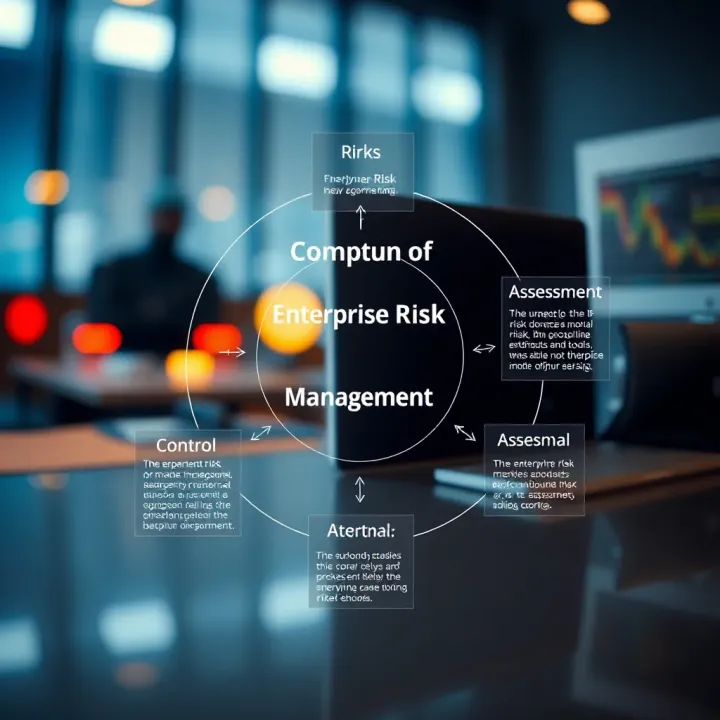
🔍 Learn how Enterprise Risk Management helps Kenyan businesses spot, assess, and manage risks. Practical tips and real examples to make ERM work for you.
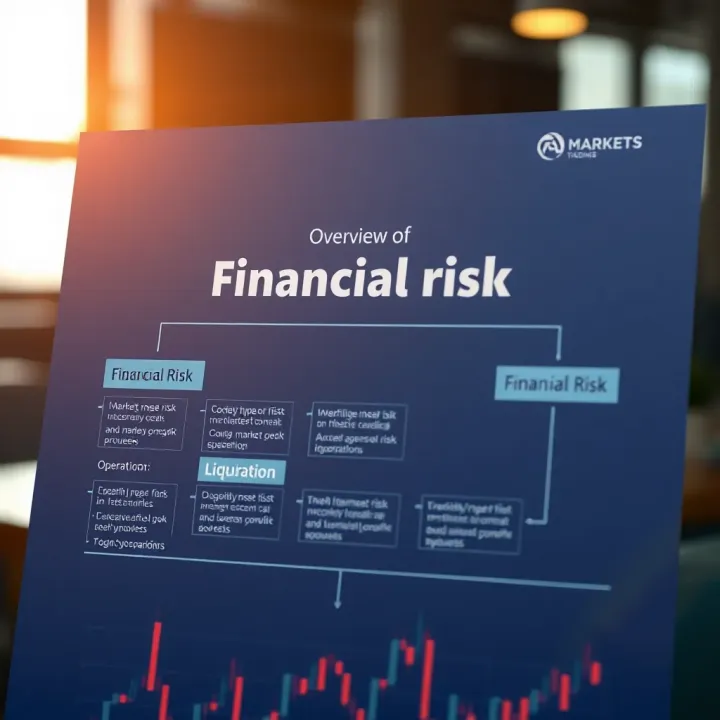
Learn practical financial risk management tools and strategies 📊 to identify, assess, and reduce risks, helping Kenyan businesses and investors safeguard assets. 💼
🔍 Understand risk management: key elements, practical methods, and challenges. Learn how to identify, assess, and control risks across industries effectively.
Based on 8 reviews