

Effective Forex Risk Management Strategies
Master Forex risk management with practical tips and tools to protect your trades📉 Learn how to limit losses & navigate Kenya's market volatility effectively🌍
Edited By
Daniel Foster
Risk management is vital for any business in Kenya, especially given the dynamic economic and regulatory environment. Companies face a range of risks—from fluctuating foreign exchange rates to changing government policies—that can impact operations and profits. Adopting effective strategies to identify, assess, and mitigate these risks helps safeguard business continuity.
Kenyan businesses frequently encounter three main types of risks: financial, operational, and regulatory. Financial risks include currency instability and credit defaults, which can disrupt cash flow. Operational risks arise from challenges like supply chain interruptions and equipment failures. Regulatory risks relate to compliance with Kenya Revenue Authority (KRA) rules, environmental laws, and labour regulations that can vary from one county to another.

Building a strong risk culture within a company starts at the top. Leadership commitment ensures everyone understands the importance of managing risks proactively rather than reacting to problems after they occur.
Businesses that integrate risk culture, technology, and compliance perform better in navigating uncertainties. For example, using real-time financial monitoring systems can flag unusual expense patterns early, preventing losses. Likewise, automated compliance tools help track regulatory changes, avoiding penalties.
Some practical steps for Kenyan firms include:
Regular risk assessments: Schedule frequent reviews to detect new or evolving risks, especially with changes in market conditions.
Diversify financial exposure: Avoid over-reliance on a single currency or supplier to reduce vulnerability.
Invest in technology: Use cloud-based software for data backup and cyber security, which helps protect against operational disruptions.
Train staff: Equip employees with knowledge about compliance and risk reporting so issues are caught early.
Engage experts: Consult with financial analysts or legal advisers familiar with Kenyan regulations for tailored guidance.
Implementing these strategies not only keeps businesses compliant but also builds resilience against shocks. In Kenya’s often volatile market, proactive risk management becomes a competitive advantage rather than just a safeguard.
Understanding risk means recognising potential threats that could disrupt business operations or cause losses. For Kenyan businesses, this awareness is essential to navigate a complex economic environment marked by fluctuating markets, regulatory changes, and infrastructure challenges. When businesses identify risks early, they can prepare and respond effectively, reducing costly surprises.
For example, a Nairobi-based manufacturing firm might face risks from unreliable power supply or sudden regulatory changes affecting import duties. Without understanding these risks, such a firm could face production halts or unexpected expenses that harm profitability. A clear grasp of risk helps businesses allocate resources wisely, avoid pitfalls, and exploit opportunities safely.
Financial risks relate to potential losses from money management, including cash flow shortages, currency fluctuations, or credit defaults. For instance, a business accepting payments through M-Pesa may encounter delays in customer payments affecting liquidity. Additionally, rising inflation in Kenya impacts purchasing power, causing costs to rise unexpectedly and squeezing profit margins.
Operational risks involve failures in day-to-day processes or systems. These can include equipment breakdowns, supply chain disruptions, or workforce strikes. A logistics company in Mombasa might struggle with road closures, affecting timely deliveries and client satisfaction. Such risks can lead to increased costs and reputational damage if they remain unaddressed.
Market and economic risks stem from changes in demand, competition, or the broader economy. Shifts in consumer preferences or new entrants offering cheaper alternatives can reduce market share. The Kenya shilling’s fluctuation against major currencies also affects importers’ costs. Economic slowdowns caused by global events like pandemics impact sales volumes, forcing businesses to adapt quickly.
Regulatory and compliance risks arise from failing to meet government rules or industry standards. Kenyan businesses must comply with agencies like KRA (Kenya Revenue Authority), CBK (Central Bank of Kenya), and CMA (Capital Markets Authority). Non-compliance can lead to fines or shutdowns. For example, a fintech firm must keep up with data protection laws to avoid penalties and preserve customer trust.
Reputational risks concern harm to a company’s public image. Negative publicity from poor service, unethical practices, or social media backlash can deter customers and investors. A hotel chain receiving bad reviews due to poor hygiene standards in Nairobi might see reduced bookings, directly affecting revenue.
Protecting assets and resources is vital for any business. Effective risk management safeguards physical assets like machinery and inventory as well as intangible ones such as intellectual property. For example, a factory investing in fire safety systems reduces risks of damaging costly equipment, ensuring steady operations.
Ensuring business continuity means preparing for disruptions so operations carry on without severe impact. This could involve backup power solutions or data recovery plans. If a mobile money agent experiences a system outage, having alternative payment options can prevent losing customers.
Maintaining stakeholder trust is key to long-term success. Investors, customers, and employees feel confident when a business manages risks well. Regular communication about how risks are handled and demonstrating compliance builds credibility. For example, a company that transparently reports financial controls is more likely to attract funding from Kenyan banks or investors.
Understanding and managing risk is not just about avoiding losses; it’s about building resilience and confidence to grow in Kenya’s vibrant business environment.
By focusing on these risk elements, businesses can strengthen their foundations, making them better equipped to face the uncertainties of the local market.
Identifying and assessing risks effectively is a backbone of sound risk management in any Kenyan business. Without a proper understanding of what risks exist and how likely they are to impact operations, decision-makers remain in the dark, exposing the business to potential losses or missed opportunities. For example, a microfinance institution in Kisumu may face loan default risks, but without a systematic approach to spot emerging patterns, they may not act until too late.

Risk checklists and audits offer a structured way to uncover potential threats. Businesses compile lists tailored to their sector's common risks—such as fraud, price fluctuations, or equipment failure—and review them regularly through audits. A Nairobi-based manufacturing firm might use monthly audits to spot operational snags early, keeping the production line running smoothly.
Employee feedback and reporting is another vital technique. Employees at ground level often see risks before management does, especially in dynamic sectors like retail or logistics. Encouraging open reporting systems without fear of blame builds a safety net. For instance, a supermarket chain like Naivas could discover supply chain hiccups or theft risks through attentive staff reports.
Analysis of historical incidents helps businesses learn from past mistakes or threats. Examining data on previous disruptions or losses reveals patterns that guide future prevention. Take a logistics company in Mombasa that tracks delays caused by road closures during rainy seasons; this history supports better route planning.
Qualitative assessment methods use subjective judgement to evaluate risks. Through workshops or interviews, teams estimate how severe and probable a risk is. Although less precise, this approach suits smaller businesses or those with less data. For example, a local footwear brand might rate reputational harm as 'high impact, low probability' because feedback is anecdotal.
Quantitative risk analysis applies numerical data to determine risk levels, such as calculating potential financial loss or downtime. Financial institutions like banks in Kenya often use this to weigh credit risks or foreign exchange exposure with numbers, allowing sharper risk control.
Prioritising risks based on severity ensures resources target the most threatening issues first. By ranking risks from the highest potential damage to minor concerns, a business can create an effective risk response plan. For instance, a tech startup may put cybersecurity threats ahead of minor supplier delays, allocating budget accordingly.
Businesses that master identifying and assessing risks create a proactive culture. This sharpens their ability to avoid serious losses and adapt quickly to changing environments, ultimately improving sustainability and growth prospects.
Risk mitigation and control are vital for Kenyan businesses aiming to protect assets and ensure smooth operations amid uncertainties. By applying practical strategies, companies reduce potential losses and maintain competitive advantage. This section covers approaches tailored to local realities, focusing on risk avoidance, transfer, and acceptance.
Process improvements involve reviewing and refining business operations to cut down on risks. For example, a logistics firm in Nairobi might streamline its delivery routes to avoid accident-prone roads, reducing the likelihood of vehicle damage or delays. Improving inventory management also prevents stockouts or overstocking, which can financially strain a business.
Staff training and capacity building are critical to equip employees with skills to identify and handle risks. A bank in Mombasa, for instance, regularly trains its tellers on cyber security awareness to prevent fraud. Such training ensures staff respond correctly during crises and maintain compliance with regulatory standards, which boosts stakeholder confidence.
Investment in safety equipment helps prevent accidents and losses. In Kenya’s jua kali sector, toolkits with proper safety gear like gloves and helmets significantly reduce injury risks. Even larger firms, such as manufacturing plants in Eldoret, allocate budgets to install fire alarms and protective machinery parts. These investments lower downtime and medical expenses, improving overall productivity.
Kenyan businesses can protect themselves by transferring risks through insurance and well-crafted contracts. Common business insurances include fire and theft cover, public liability, and business interruption policies. For example, a retail shop in Kisumu uses insurance to cover stock damages from unexpected fires, mitigating potential business closure.
Using contracts to allocate risk ensures responsibilities are clearly shared. A construction company working with subcontractors will include clauses specifying who covers equipment damages or project delays. This clarity reduces disputes and financial losses, enabling smoother partnerships.
Sometimes, risks are small or unavoidable, so accepting risk makes sense. If costs to avoid a minor supplier delay outweigh potential losses, a business might continue its current process but stay prepared. For instance, a café in Nairobi might accept occasional supply delays as part of operations during festive seasons.
Regardless of acceptance, continuous monitoring and review keep businesses alert to changing conditions. Regularly analysing sales trends, customer feedback, or regulatory updates helps identify emerging risks early. A tech startup doing monthly risk reviews can promptly adjust its cybersecurity measures ahead of new threats, saving resources and reputation.
Risk management isn’t just about avoiding problems but responding appropriately. Combining avoidance, transfer, and acceptance with constant vigilance builds resilience for Kenyan businesses navigating complex environments.
Creating a risk-aware culture within Kenyan businesses helps teams identify, understand, and manage risks proactively. Such a culture ensures that risk management is not only a task for the compliance or finance department but a shared responsibility across all levels. This approach improves decision-making, reduces surprises, and protects business continuity, especially amid Kenya’s dynamic economic and regulatory environment.
Leadership has a direct influence on how risk management is perceived throughout the organisation. When senior managers set clear, realistic standards on risk handling, teams know what behaviours are expected. For example, a CEO might institute policies that require all project managers to conduct risk reviews before launching new initiatives. This clarity prevents ambiguity and holds everyone accountable, ensuring risks are not ignored or sidelined during busy periods.
Transparency from the top encourages an environment where people feel comfortable discussing potential problems early. Leaders who openly share updates on risk assessments or their own concerns set a tone that risks aren’t a taboo topic. This openness is crucial for Kenyan businesses facing fast-changing market conditions, such as fluctuations in currency or government policy shifts. It allows timely adjustments rather than last-minute damage control.
Ongoing training is key to keeping risk knowledge fresh and actionable for staff. In Kenya, where many SMEs operate with limited resources, simple quarterly sessions can help employees recognise operational risks—from security threats in the workspace to procedural errors in financial records. Such training should be practical, involving real scenarios so employees appreciate how their day-to-day actions connect to wider business risks.
Employees must feel safe reporting risks or mistakes without fear of blame. Kenyan companies can introduce anonymous reporting channels or whistleblower policies to protect those raising concerns. This encourages early detection of issues, such as fraud or compliance breaches, before they escalate. When staff know that management values honesty over punishment, it leads to a more resilient and trusting workforce.
Building a risk-aware culture starts from the top but must reach every employee, creating an environment where risks are managed openly and responsibly.
By embedding these practices, Kenyan businesses improve their odds of managing risks effectively, which supports sustainability and growth in challenging environments.
Technology and compliance are key pillars for Kenyan businesses aiming to manage risk effectively. Digital tools simplify risk monitoring and reporting, reducing manual errors and improving response times. Meanwhile, compliance with local regulations shields businesses from penalties and reputational damage. Both elements bring precision and credibility to risk management, especially in dynamic markets.
Risk management software plays a pivotal role by automating the tracking, documenting, and analysing of potential risks. Tools like Cura or Resolver, which are used globally, can be adapted for Kenyan firms to log incidents, assess risk levels, and assign mitigation responsibilities. For example, a medium-sized trading company in Nairobi might use such software to monitor supply chain disruptions caused by weather fluctuations or transport strikes, enabling faster decision-making.
This automation shortens risk identification cycles and provides a real-time snapshot of the risk landscape. It allows businesses to allocate resources efficiently, ensuring that bigger threats get priority attention. The software also simplifies compliance reporting by generating detailed risk audits, which regulators and stakeholders often require.
Data analytics and forecasting further enhance risk management by converting raw data into actionable insights. Kenyan firms retailing goods in Nairobi and Mombasa, for instance, can use analytics to predict seasonal sales dips or rises, adjusting stock and credit accordingly. Similarly, banks incorporate credit scoring models that analyse customer behaviour, minimising default risks.
These tools help anticipate market shifts, economic slowdowns, or regulatory changes before they fully impact operations. Forecasting enables businesses to prepare contingency plans — for instance, increasing liquidity buffers during expected downturns. This proactive approach keeps firms ahead of systemic and specific risks.
Aligning with guidelines from bodies such as the Kenya Revenue Authority (KRA), Central Bank of Kenya (CBK), and Capital Markets Authority (CMA) is fundamental for risk management. Each institution sets standards that protect financial integrity and market confidence. A financial services firm managing client investments, for example, must regularly submit compliance reports to CMA to confirm adherence to legal and operational rules.
Non-compliance not only invites fines but can lead to licence suspension or loss of business reputation. Kenyan SMEs often overlook the impact of tax compliance with KRA; however, maintaining accurate financial records and timely filing safeguards against audits that disrupt business.
Understanding sector-specific regulatory requirements is equally important. Each industry faces unique rules. For example:
Manufacturing businesses must follow environmental regulations set by the National Environment Management Authority (NEMA).
Telecom companies comply with Communication Authority of Kenya directives on data privacy and service quality.
Agricultural exporters need to align with Kenya Plant Health Inspectorate Service (KEPHIS) standards.
This knowledge ensures risks tied to legal breaches or operational hiccups within sectors are properly managed. Staying up-to-date with regulatory changes avoids unexpected penalties and supports sustainable business operations.
Effective risk management in Kenya is strengthened when technology tools meet compliance requirements. Together, they boost operational resilience and help businesses navigate local and global challenges with greater confidence.
Master Forex risk management with practical tips and tools to protect your trades📉 Learn how to limit losses & navigate Kenya's market volatility effectively🌍

Discover how Kenyan banks tackle credit risk with smart assessments, regulatory support, and practical strategies to keep finances safe and stable 📊💼
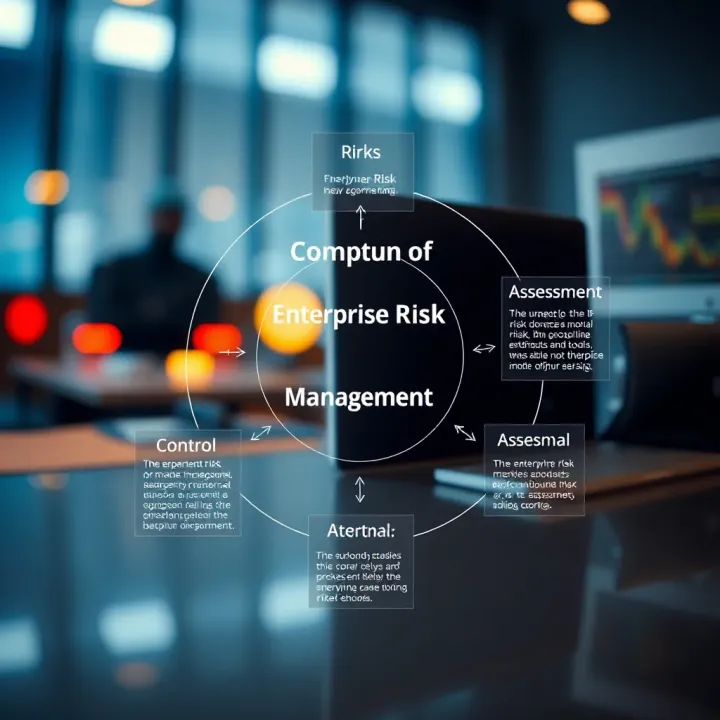
🔍 Learn how Enterprise Risk Management helps Kenyan businesses spot, assess, and manage risks. Practical tips and real examples to make ERM work for you.
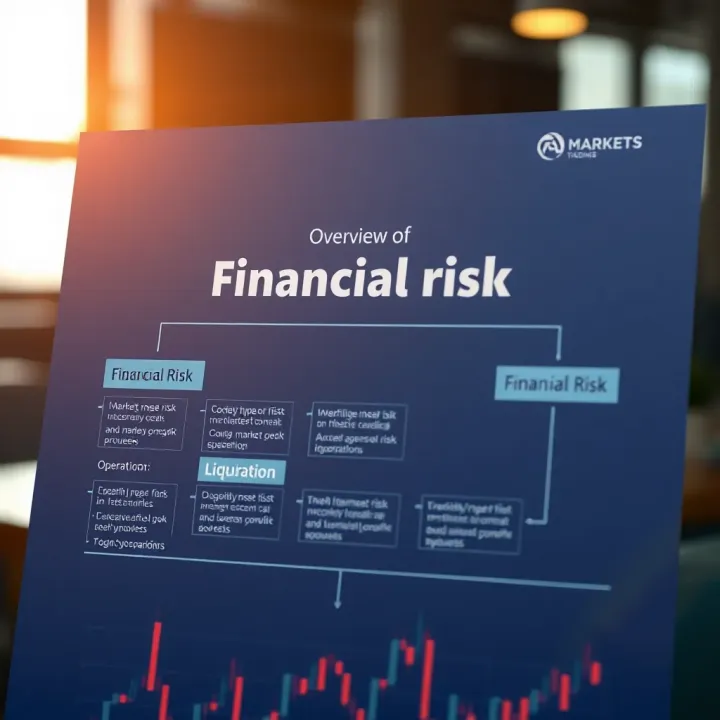
Learn practical financial risk management tools and strategies 📊 to identify, assess, and reduce risks, helping Kenyan businesses and investors safeguard assets. 💼
Based on 7 reviews