
Effective Forex Risk Management Strategies
Master Forex risk management with practical tips and tools to protect your trades📉 Learn how to limit losses & navigate Kenya's market volatility effectively🌍
Edited By
Samuel Foster
Risk is part of daily business, especially in trading, investing, and finance. Managing this risk effectively helps protect assets, reduce losses, and seize opportunities even when uncertainty looms. This section introduces practical risk management methods that professionals like traders, brokers, and analysts rely on to navigate market unpredictability.
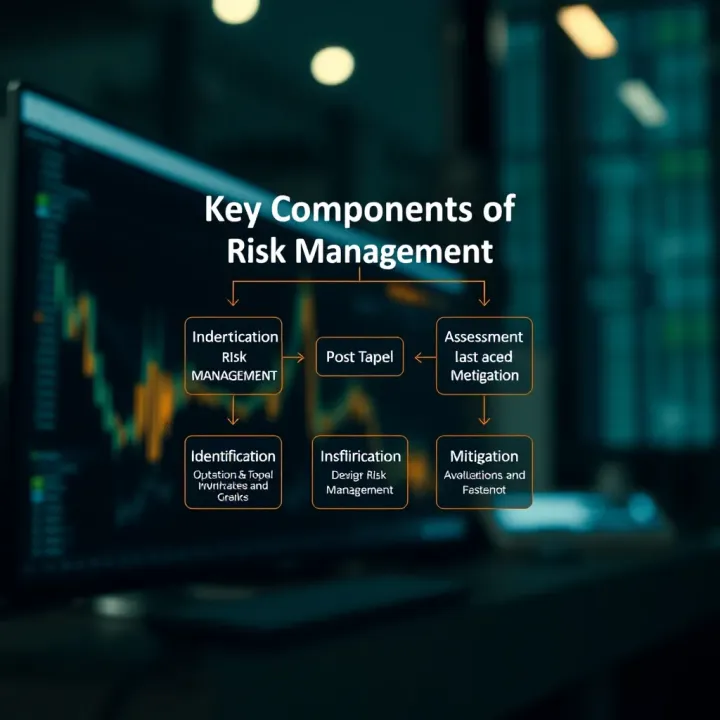
At its core, risk management means identifying potential threats, estimating their impact, and deciding how to address them. A sharp trader, for example, won’t just react to market swings but plans ahead using tools and strategies that limit exposure.

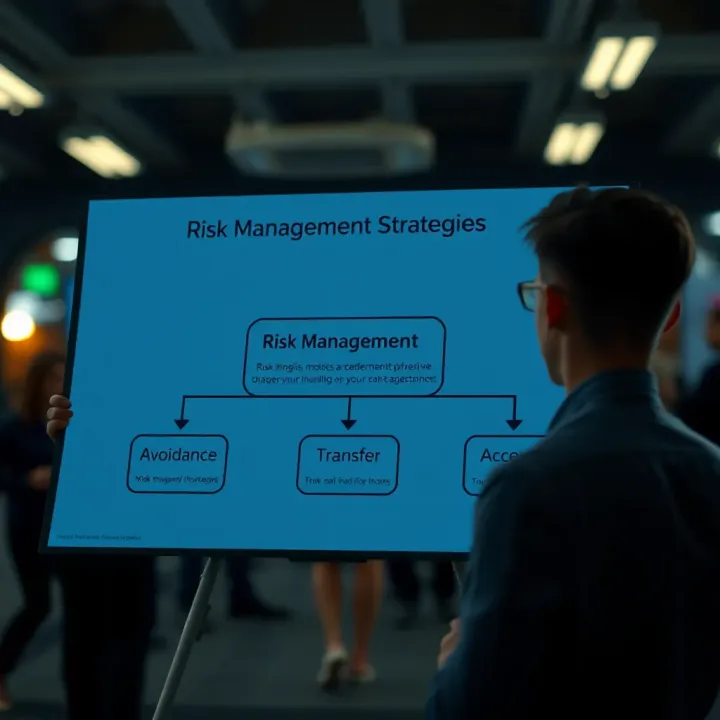
Four main strategies guide risk control:
Avoidance: Steering clear of certain actions or investments when risk outweighs reward. For instance, an investor might avoid stocks in volatile sectors during unstable economic times.
Reduction: Taking steps to lessen the chance or effect of risk. A bank might diversify its loan portfolio to avoid heavy loss if one sector underperforms.
Transfer: Shifting risk to another party, like purchasing insurance or using derivatives such as options to hedge positions.
Acceptance: Sometimes, risks are small or unavoidable, and businesses accept them while preparing contingency plans.
"Successful risk management isn’t about avoiding risk entirely but understanding and controlling it within acceptable limits."
In Kenya’s financial markets, these approaches come to life in everyday decisions—from forex traders using stop-loss orders to protect capital, to analysts advising on portfolio diversification based on economic outlooks. Using frameworks such as the Risk Matrix or scenario analysis also helps quantify uncertainties and prioritize responses.
This primer sets the stage for exploring deeper methods and real-life applications in later sections. Mastering these fundamental strategies lays the ground for smarter decisions and stronger resilience in fluctuating markets.
Risk management forms the backbone of sound decision-making for any business or financial venture. At its core, it involves recognising potential hazards before they materialise and putting plans in place to either lessen or handle their impact. For traders, investors, and analysts in Kenya, understanding risk management means better protecting portfolios against sudden shocks, whether from market volatility or unexpected economic changes.
Risk refers to the possibility that an action or event will lead to an unfavourable outcome. For example, if a trader invests heavily in a single stock listed on the Nairobi Securities Exchange (NSE), the risk is that share price might drop, affecting capital. Risk management is the disciplined approach to identifying such uncertainties, assessing their likelihood and consequences, and taking considered action to control or reduce their effects.
Without proper risk management, companies and investors expose themselves to severe losses that could easily be avoided or minimised. For instance, a firm that sources raw materials solely from one supplier in a volatile region may lose production if that supply chain breaks down. Integrating risk management enables organisations to stay resilient, ensuring they meet their objectives despite unforeseen conditions. This leads to enhanced investor confidence, smoother operations, and, importantly, safeguarding assets such as cash flow and reputation.
Organisations that delay addressing risks face higher costs when problems escalate — managing risks early can save money and prevent disruptions.
Businesses in Kenya deal with a variety of risks including:
Market Risk: Fluctuations in commodity prices, foreign exchange rates (such as KSh vs USD), or NSE indices impact investments and operating costs.
Credit Risk: Risk of customers or counterparties failing to pay debts or honour contracts.
Operational Risk: Failures in internal processes or systems, like IT breakdowns or staff errors.
Regulatory Risk: Changes in laws or tax policies, such as KRA directives or NHIF requirements, that affect compliance costs.
Environmental Risk: Weather events, such as heavy long rains damaging crops or infrastructure, often impact agriculture-dependent businesses.
Recognising these categories allows organisations and investors to tailor their strategies in line with realistic challenges. Understanding risk management helps avoid surprises in a fast-moving economic environment and supports building more sustainable ventures for Kenyan and East African contexts.
Identifying and assessing risks form the backbone of any solid risk management strategy, especially for traders, investors, and finance professionals. Spotting risks early and understanding their potential impact helps avoid unpleasant surprises and allows for proper preparations. These techniques provide clear ways to spot weak points before they turn costly.
Brainstorming and Workshops: Bringing a diverse team together for brainstorming sessions or workshops often uncovers risks that individual efforts might miss. For instance, an investment firm might organise sessions with analysts, brokers, and portfolio managers to list all possible market, credit, and operational risks. Such meetings encourage open discussion and sharing of insights, often revealing hidden vulnerabilities like emerging regulatory changes or sudden currency fluctuations.
These sessions are practical because they gather real-world experience and on-the-ground knowledge, making the list of risks comprehensive. It ensures every angle is covered, from client default probabilities to IT system downtimes.
Checklists and Questionnaires: Using well-structured checklists or questionnaires helps systematically identify risks based on prior knowledge or industry standards. A trader might use a checklist covering factors such as market volatility, geopolitical events, or counterparty risks. Questionnaires sent to different departments can pick up operational or compliance risks that might not be immediately obvious.
Checklists are especially useful for repeatable processes and act as a safeguard against overlooking common risk sources. Their practical value lies in standardising the risk identification process, making it easier to compare across different business units or time periods.
Historical Data Analysis: Reviewing past incidents, market movements, or financial reports gives solid clues about risks that have materialised before and might recur. For example, analysing previous stock market crashes or currency shifts can help investors estimate likelihood and possible severity of future events.
This approach benefits from concrete numbers and trends, providing an evidence-based foundation for risk assessment. It also helps in adapting risk management to realistic scenarios shaped by local and global market histories.
Qualitative vs Quantitative Assessment: Qualitative assessment relies on expert judgement and descriptive scales, such as rating the impact of a risk from ‘low’ to ‘high’. This is useful when precise data is lacking but experience guides decisions. Quantitative assessment, on the other hand, uses numbers — like probable financial loss or likelihood percentages — to measure risk. A broker may use both: qualitative evaluation to capture emerging risks without enough data, and quantitative methods for well-documented risks like credit default rates.
Both methods complement each other. Quantitative data anchors decisions in facts, while qualitative insight offers flexibility in uncertain situations.
Risk Rating Scales: Applying a risk rating scale helps prioritise which risks need immediate attention. For example, a 1 to 5 scale might be used to score the probability of a risk event and its expected impact on assets. Combining these scores yields an overall risk rating. Companies can then allocate resources efficiently, focusing on high-rated risks such as sudden interest rate hikes versus lower-rated risks.
Rating scales provide a clear, visual representation of risks, enabling easier communication and quicker decisions.
Clear identification and assessment of risks are non-negotiable for informed decision-making in finance and trading. They slacken surprises and help focus efforts where they're needed most.
By applying these techniques, investors and professionals build a solid foundation for their risk management practices, making their strategies smarter and their outcomes more predictable.
Managing risks is not about eliminating them all but understanding which risks can be avoided, reduced, transferred, or accepted depending on their nature and impact. For traders, investors, and finance professionals, selecting the right approach helps safeguard portfolios and business operations without unnecessarily limiting growth opportunities. Effective risk management balances protecting assets and seizing market chances, especially in volatile environments.
Risk avoidance means sidestepping activities or investments that expose a business to significant, unwanted uncertainties. For example, a trader may avoid investing in highly speculative shares during political instability to prevent potential losses. While this approach is the most straightforward way to stop risks, it can also mean missing out on potential profits. In practice, firms often combine avoidance with other methods to fine-tune their risk appetite.
Implementing controls involves putting procedures, policies, or tools in place to lower the chance or impact of a risk. For instance, a brokerage firm may introduce multi-factor authentication to curb cyber fraud risks. Controls can be technical, like software firewalls, or procedural, such as transaction verifications. These help contain risks to manageable levels while maintaining business continuity.
Improving processes and training staff are vital to reducing operational risks. Finance firms might streamline their client onboarding to reduce errors or train analysts to detect early signs of market shifts. Skilled, informed employees act as a frontline defence by spotting and responding to risks promptly, while optimised processes prevent mistakes that could lead to financial loss.
Insurance is a common method to transfer financial risk to a third party. For example, a company might take out insurance for market disruption or business interruption. While paying premiums adds to costs, insurance safeguards the organisation from heavy losses beyond its capacity. Insurance is particularly useful for risks with high impact but low frequency, like natural disasters.
Transferring risk through outsourcing or contracts involves assigning specific tasks or exposures to external experts. For example, a fund manager might delegate IT security to a specialised provider with better know-how and infrastructure. Contracts can clearly define responsibilities, reducing the organisation’s direct exposure. However, it's crucial to ensure chosen partners are reliable to avoid indirect risks.
Sometimes, accepting a risk is the most practical choice, especially when mitigation costs exceed potential losses or when the risk impact is minimal. Investors, for example, might accept the volatility of small-cap stocks as part of a diversified portfolio. This approach requires clear understanding of risk thresholds and informed judgement to prevent reckless exposure.
Accepting a risk doesn’t mean ignoring it. Continuous monitoring allows for quick action if the situation changes or risk materialises beyond expectations. For instance, a trading firm might regularly review market positions considered acceptable to spot emerging issues early. Documenting and reviewing accepted risks supports better decision-making and accountability over time.
Managing risks effectively involves a mix of avoiding, reducing, transferring, and accepting risks where appropriate, guided by clear policies and regular reviews. This balance helps protect investments and business continuity without freezing progress.
Effective risk management depends heavily on the right tools and practices to track, monitor, and improve risk handling. Without systematic documentation and ongoing review, organisations can easily lose sight of emerging threats or miss signals that require immediate action. For traders, investors, and finance professionals, maintaining clear records and using software to monitor risks helps to stay ahead in often volatile markets.
A risk register is a fundamental tool for capturing all identified risks in one place, along with their assessments, controls, and action plans. Think of it as a living document that grows and changes as new risks appear or existing ones shift in impact and likelihood. For example, an investment firm may document market risks, liquidity risks, and operational risks in the register, updating it weekly after review meetings. This documentation ensures everyone understands the current risk landscape and what steps are being taken.
Apart from centralisation, risk registers support accountability by assigning owners for each risk and recording mitigation status. This clarity prevents risks from falling through the cracks, especially in organisations that juggle multiple projects or portfolios. Digital registers, often within risk management software, also enable sorting and filtering risks by category or severity, helping teams prioritise effectively.
Specialised risk management software makes it easier to monitor multiple risks in real time. These platforms can integrate data feeds—like market prices or financial metrics—that automatically update risk indicators. For instance, a fund manager using such software can receive alerts when a stock’s volatility spikes beyond a set threshold. This immediate insight allows for quick decision-making, reducing potential losses.
Many Kenyan firms use locally tailored software or global solutions customised for their sectors. These solutions often include dashboards that bring together risk data, compliance checklists, and reporting features. Consequently, teams save time collating information manually and focus more on analysing and responding to risk.
Early warning systems are designed to detect signs of potential risk before they escalate into serious problems. These systems use data analytics and sometimes artificial intelligence to spot unusual trends or anomalies. For example, a bank noticing a sudden increase in non-performing loans may trigger an early warning to review credit policies or tightening lending.
Such systems prove practical especially in unstable environments where fast-changing factors like political shifts or currency fluctuations can impact investments sharply. Early warnings provide that crucial heads-up for risk managers to adapt strategies proactively.
Risk management is not a one-off task; it requires constant review and refinement. Continuous risk review involves regularly revisiting risk registers, reassessing impacts, and updating controls based on new information. For example, after a market downturn, an analyst might revise risk probabilities for certain sectors, while also recommending new hedging strategies.
Improvement is equally vital. Lessons drawn from risk events or near misses should feed into improved risk policies and training. In practice, a firm might run quarterly risk workshops where teams discuss what went wrong and how to avoid similar issues. This culture of ongoing learning sharpens resilience and prevents complacency.
Keeping risk management tools up to date and reviewing risks continuously transform reactive risk handling into proactive risk leadership. For anyone dealing with finance or investment, this approach not only protects assets but also builds trust with clients and regulators alike.
In short, tools like risk registers, real-time software monitoring, and early warning systems, combined with continuous review practices, form the backbone of robust risk management. These help organisations stay alert and ready to adjust to the ever-changing risk environment.
Master Forex risk management with practical tips and tools to protect your trades📉 Learn how to limit losses & navigate Kenya's market volatility effectively🌍
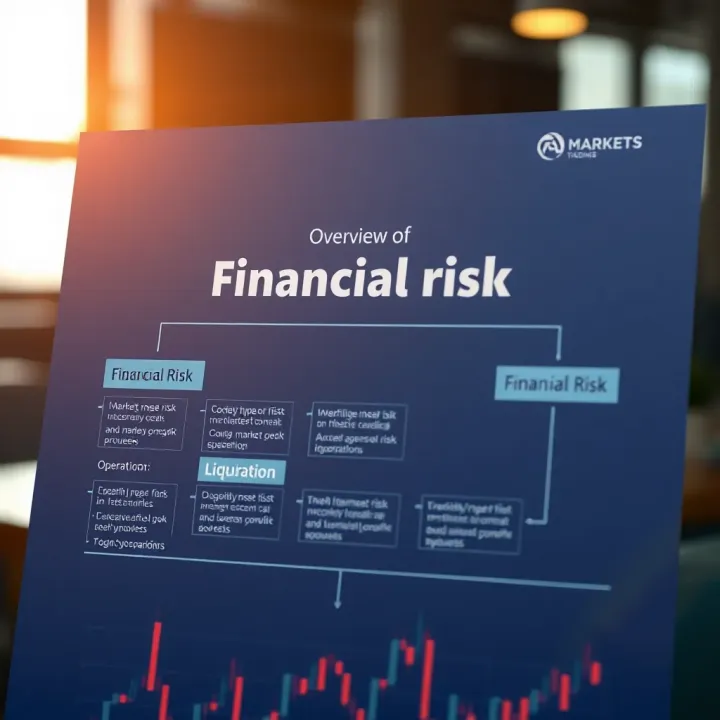
Learn practical financial risk management tools and strategies 📊 to identify, assess, and reduce risks, helping Kenyan businesses and investors safeguard assets. 💼
🔍 Understand risk management: key elements, practical methods, and challenges. Learn how to identify, assess, and control risks across industries effectively.
Understand risk management in Kenya 🌍 Learn key strategies, challenges, and tools to make informed decisions in business and everyday life effectively.
Based on 13 reviews